Loading market data...
Amid escalating US-Iran conflict and a full closure of the Strait of Hormuz, crude oil prices surge. FinScann analyzes how ONGC and Oil India are set for significant gains in March 2026.

The global oil market is witnessing unprecedented volatility this March 2026, as escalating tensions between the United States and Iran, marked by recent US and Israeli strikes on Iranian facilities and subsequent retaliatory actions, have sent Brent crude oil prices surging to $80-$85 per barrel. This sharp uptick, coupled with significant disruptions in the critical Strait of Hormuz, directly benefits India's upstream oil and gas majors, Oil and Natural Gas Corporation (ONGC) and Oil India Limited (OIL), whose share prices have already rallied in anticipation of enhanced profitability. FinScann analysis indicates a strategic advantage for these state-owned enterprises, despite broader economic concerns for India's heavily import-dependent economy.
The Catalyst
Geopolitical tensions in the Middle East reached a critical juncture with US and Israeli military actions against Iran on February 28 and March 2, 2026, followed by swift retaliatory strikes from Tehran targeting assets in the region. This dangerous escalation has directly impacted global oil supply routes. Crucially, the Strait of Hormuz, a narrow waterway through which approximately 20% of the world's oil supply normally passes, has experienced severe disruption, including reports of a full closure of both the Strait of Hormuz and the Bab El-Mandeb Strait in the Red Sea. Such a bottleneck creates immediate fears of supply shortages and has prompted a significant "war premium" in crude prices, dramatically increasing shipping costs and insurance rates for vessels operating in the region.
Financial Forensics
The immediate fallout of this geopolitical turmoil has been a substantial increase in crude oil benchmarks. Brent crude, the international benchmark, jumped from approximately $70-$75 per barrel to a range of $80-$85 per barrel by March 4, 2026, marking an increase of $10-$15 per barrel in just a couple of days. US West Texas Intermediate (WTI) crude also witnessed a significant rise, trading around $78 per barrel. Analysts are now projecting potential short-term spikes that could see Brent crude surpassing $100 per barrel, with some extreme scenarios pushing it towards $120 per barrel.
For India, a nation that imports approximately 89% of its crude oil consumption, such an increase in global prices presents a dual challenge. While it inflates the national import bill and carries inherent risks of higher domestic inflation, it simultaneously creates a windfall for domestic upstream oil producers like ONGC and Oil India. These companies directly benefit from higher realizations on crude oil they extract and sell. Industry experts, including JM Financial, estimate that every $1 per barrel rise in crude oil prices can boost the earnings of ONGC and Oil India by 1.5% to 2% each.
The financial performance of these public sector undertakings (PSUs) is intrinsically linked to global crude price movements. Higher crude prices directly translate to increased revenue per barrel, potentially expanding their profit margins and providing capital for future exploration and production activities. India's growing energy demand, projected to see oil consumption reach 11 million barrels per day by 2045, further underpins the long-term relevance of domestic production capabilities.
Comparative Crude Oil Prices (February 28 - March 5, 2026)
| Date (IST) | Brent Crude Price (USD/bbl) | WTI Crude Price (USD/bbl) | Key Event | Source |
|---|---|---|---|---|
| Feb 28, 2026 | ~$70-75 | N/A | Pre-conflict escalation | |
| Mar 2, 2026 | >$77 | >$71 | US/Israeli strikes on Iran | |
| Mar 4, 2026 | ~$80-85 | N/A | Escalation, Hormuz disruption fears | |
| Mar 5, 2026 | ~$83.81 | ~$78 | Sustained tensions, China export halt | |
| Source: Various financial news reports |
Market Impact
The Indian equity markets reacted swiftly to the unfolding geopolitical situation. On March 5, 2026, the Nifty Oil & Gas index surged by 1.8%, or 205.10 points, recovering from earlier pressures attributed to the Middle East crisis. Heavyweights within the index led the charge, with Reliance Industries emerging as the top gainer. More specifically for upstream players, ONGC shares advanced by 2.80%, while Oil India Limited (OIL) shares rose by 1.4% on the same day. This rally indicates strong investor confidence in the earnings potential of these companies due to higher crude realizations.
Earlier, the Nifty Oil & Gas index had faced pressure, declining 2.6% in a month due to the Middle East geopolitical crisis. However, the latest developments have reversed this trend, creating a more favorable environment for oil exploration and production stocks. The broader market also saw some rebound, with the India VIX declining, signaling improved investor sentiment amidst hopes of de-escalation, although core risks remain.
Key Takeaways for Investors
Moat Analysis: ONGC and Oil India
In the current volatile global energy landscape, ONGC and Oil India possess a significant "moat" as India's leading national oil and gas exploration and production (E&P) companies. This moat is primarily derived from their:
This combination of scale, strategic importance, and direct crude price leverage forms a durable competitive advantage, making them crucial investment plays during periods of elevated global oil prices.
FinScann Verdict
The escalating US-Iran conflict and the resultant surge in global crude oil prices, particularly Brent crude crossing the $80-$85 per barrel mark, undeniably create a potent tailwind for India's upstream oil and gas heavyweights, ONGC and Oil India. Despite long-term forecasts from some institutions projecting average crude prices around $60/bbl for 2026 due to supply-demand dynamics, the current geopolitical "risk premium" is significant and appears sustained. FinScann believes investors seeking exposure to the current commodity supercycle, driven by Middle East volatility, should consider ONGC and Oil India for their portfolios, leveraging their direct correlation with rising crude realizations and their strategic importance to India's energy landscape.
Q: How is the Strait of Hormuz conflict impacting oil prices? A: The full or partial closure and increased risk in the Strait of Hormuz, a critical shipping route for about 20% of global oil, directly create fear of supply shortages. This leads to higher "war premiums," increased insurance, and shipping costs, driving crude oil prices up significantly.
Q: Are ONGC and Oil India good investments during this conflict? A: Yes, as upstream oil producers, ONGC and Oil India are direct beneficiaries of rising crude oil prices. Higher global prices translate to increased revenues and profits for these companies, making them attractive investments in the current environment.
Q: What is the long-term outlook for crude oil prices beyond the current conflict? A: While geopolitical tensions can cause sharp, sustained spikes, some long-term forecasts, such as those by J.P. Morgan and EIA, project Brent crude averaging around $58-$60 per barrel for 2026, citing underlying soft supply-demand fundamentals. However, these forecasts acknowledge geopolitical risks as a major wildcard.
Q: How does this conflict affect India's economy? A: As a major crude oil importer (89% dependent), India faces an increased import bill and potential inflationary pressures due to rising global crude prices. However, the government is engaging with major oil producers and has strategic reserves to manage the impact.
Disclaimer: For information only; not investment advice. Stock market investments carry risks. Please consult a SEBI-registered advisor before investing. FinScann assumes no liability for decisions made based on this report.

Financial journalist specializing in market analysis, stock research, and investment trends. Dedicated to providing accurate, timely insights for informed decision-making.
Credentials: Experienced financial journalist with expertise in equity markets and economic analysis
The information provided in this article is for educational and informational purposes only and should not be construed as financial, investment, or legal advice. Finscann does not provide personalized investment recommendations.
For detailed terms and conditions, please read our Disclaimer and Terms of Service.

Explore the breaking financial impact of escalating US-Iran tensions on India's economy, crude oil, gold prices, and global markets in March 2026.
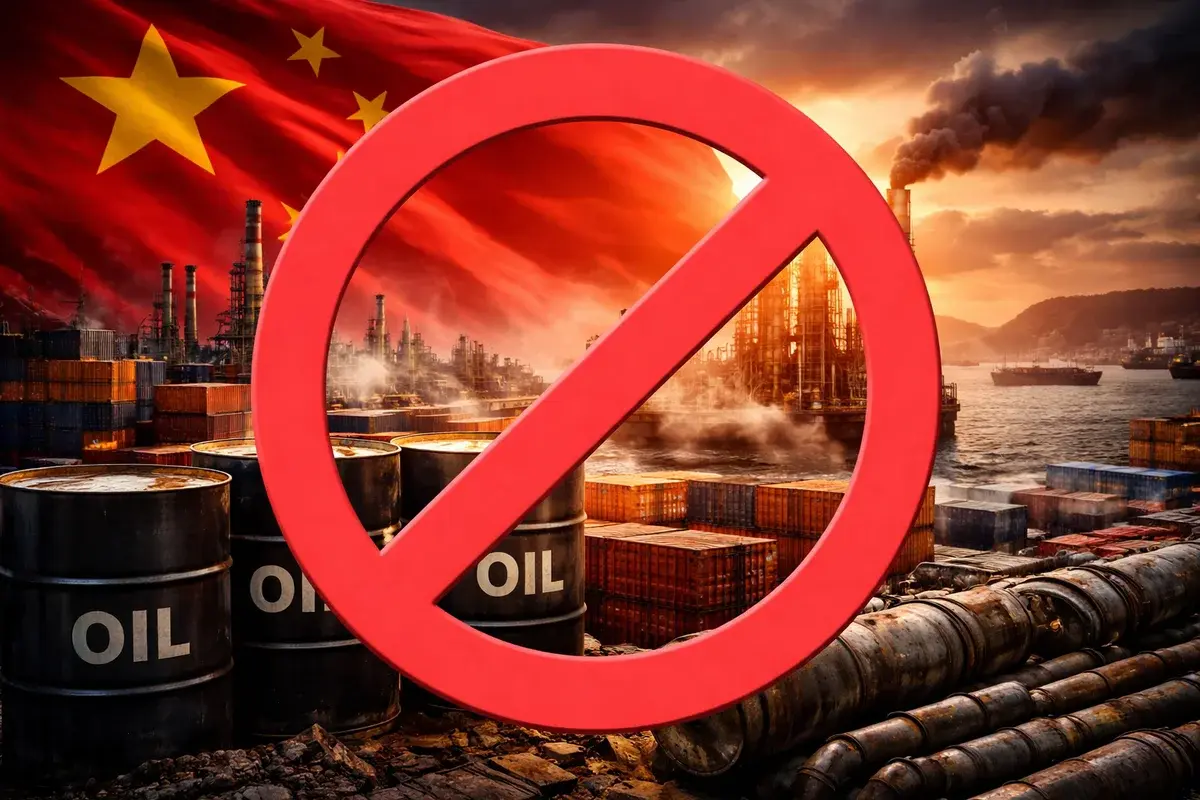
China suspends new fuel export contracts as global oil markets tighten due to Middle East tensions and shipping disruptions in the Strait of Hormuz.

Anthropic CEO Dario Amodei critiques OpenAI's Pentagon deal, labeling it deceptive. FinScann analyzes the implications for AI ethics, defense tech,...
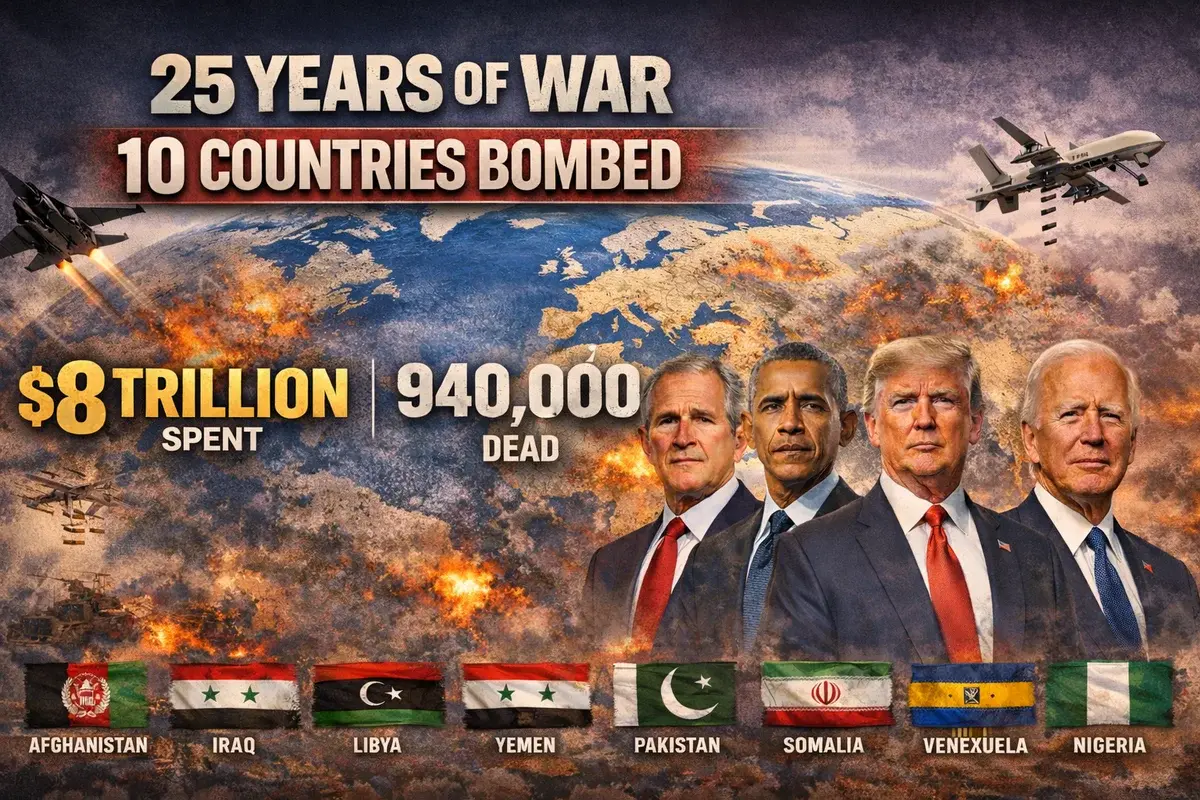
US's post-9/11 military engagements across 10+ countries, detailing the $8 trillion financial cost, human toll, and market impact.

Etihad Airways extends flight suspension from Abu Dhabi until March 5 due to escalating regional airspace disruptions.