Loading market data...
China suspends new fuel export contracts as global oil markets tighten due to Middle East tensions and shipping disruptions in the Strait of Hormuz. Explore the impact on fuel supply, Asian refining markets, and global energy prices.
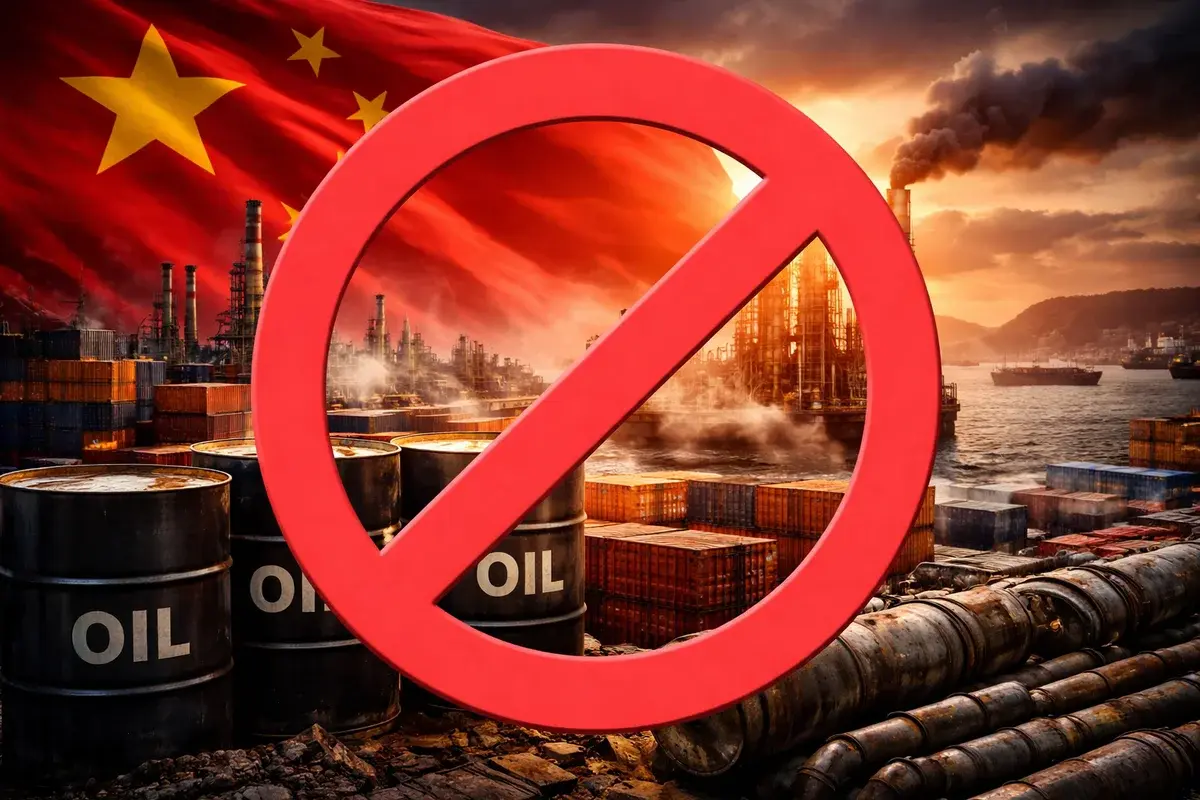
China has reportedly instructed domestic energy companies to halt new fuel export contracts and attempt to cancel previously arranged shipments as global fuel markets tighten amid escalating geopolitical tensions in the Middle East. The move comes at a time when tanker traffic through the strategically critical Strait of Hormuz has been severely disrupted due to regional conflict, creating concerns about global fuel availability. As one of Asia’s largest refined fuel exporters, China’s sudden policy shift could significantly reshape supply dynamics across global energy markets.
| Market Indicator | Current Situation |
|---|---|
| Policy Move | Suspension of new fuel export contracts |
| Trigger | Global fuel market tightening |
| Key Geopolitical Factor | Middle East conflict impacting shipping |
| Strategic Chokepoint | Strait of Hormuz disruptions |
| Impact Scope | Asian and global fuel supply chains |
China’s decision reflects rising concerns over domestic fuel security and global supply stability. The country appears to be prioritizing internal energy needs and strategic reserves while global oil logistics remain under stress due to geopolitical tensions affecting one of the world’s most critical shipping corridors.
The Strait of Hormuz is one of the most important energy chokepoints in the world, connecting the Persian Gulf to international shipping routes. Any disruption in this narrow maritime passage can significantly affect global crude oil and refined fuel supply. The ongoing regional conflict has effectively reduced tanker movement through this corridor, creating a ripple effect across global energy markets.
| Factor | Significance |
|---|---|
| Global Oil Transit | Nearly 20% of global oil trade passes through |
| Strategic Location | Connects Persian Gulf producers to global markets |
| Current Condition | Severe disruption in tanker movement |
| Market Impact | Rising supply risk and volatility |
| Global Response | Governments securing domestic supplies |
The tightening of tanker traffic through the Strait has forced several energy-importing nations and major exporters to reassess supply strategies. China’s export suspension indicates that even countries with large refining capacity are becoming cautious about fuel availability during geopolitical disruptions.
China is among the largest exporters of refined fuels in Asia and plays a crucial role in balancing regional supply. Alongside refining hubs in Singapore and South Korea, Chinese exports contribute significantly to the distribution of gasoline, diesel, and jet fuel across Asian markets.
| Country | Regional Role |
|---|---|
| China | Major exporter of refined fuels |
| South Korea | Large refining and export hub |
| Singapore | Key global trading center |
| Regional Impact | Supply balance across Asia |
When China limits exports, regional markets can experience supply shortages or price increases. Countries that rely heavily on Chinese fuel shipments may need to seek alternative suppliers, increasing demand pressure on other refining hubs across Asia.
China regulates fuel exports through a quota system that determines how much refined product domestic companies can sell abroad. The government issues export quotas annually or semiannually to maintain control over domestic fuel availability while allowing refiners to participate in global markets.
| Fuel Category | Export Quota Allocation |
|---|---|
| Gasoline | Included in December export quotas |
| Diesel | Export quotas issued to refiners |
| Jet Fuel | Limited exemption for aviation |
| Low-Sulfur Bunkering Fuel | 8 million tons quota issued |
| Major Recipients | State-owned refiners |
More than seventy percent of these quotas are typically allocated to major state-owned oil companies such as Sinopec and China National Petroleum Corporation. These firms dominate China’s refining sector and play a central role in executing national energy policy.
The suspension of export contracts suggests that authorities want to conserve refined products for domestic use while maintaining flexibility in response to rapidly changing global energy conditions.
China has been aggressively building oil inventories and strategic reserves over the past several years. The country increased crude storage significantly during previous periods of low oil prices, creating one of the largest stockpiles in the world.
| Strategic Factor | Details |
|---|---|
| Crude Storage Growth | Nearly 1 million barrels per day added previously |
| Strategic Goal | Energy security during supply shocks |
| Storage Capacity | Among the largest globally |
| Policy Approach | Maintain domestic supply stability |
These large reserves provide China with a buffer against external supply disruptions. However, the decision to halt exports suggests that authorities are still taking precautionary measures to protect domestic fuel availability during a period of heightened geopolitical uncertainty.
Despite the new directive to suspend contracts, Chinese refiners had already exported some refined fuels earlier in the month. These shipments indicate that existing contracts were still being fulfilled before the policy shift was implemented.
| Fuel Type | Export Volume |
|---|---|
| Jet Fuel | 70,000 tons exported |
| Diesel | 35,000 tons exported |
| Gasoline | 35,000 tons exported |
These export levels are relatively small compared to China’s overall refining capacity, but they highlight how quickly global fuel trade flows can change when governments intervene in export policies.
China’s decision could amplify volatility in global energy markets already under pressure from supply disruptions. Reduced Chinese exports may tighten fuel availability in Asia and potentially raise regional prices.
| Market Impact | Expected Effect |
|---|---|
| Asian Fuel Supply | Potential tightening |
| Refining Margins | Possible increase for other refiners |
| Fuel Prices | Upward pressure |
| Shipping Routes | Increased congestion in alternative routes |
| Global Energy Trade | Higher volatility |
At the same time, competing refining hubs such as Singapore and South Korea could benefit from the reduction in Chinese exports if they increase production to fill the supply gap.
The suspension of Chinese fuel exports highlights how geopolitical conflicts can quickly disrupt global energy markets. Governments often intervene in commodity trade during periods of uncertainty to ensure domestic stability.
| Strategic Risk | Market Consequence |
|---|---|
| Middle East Conflict | Oil supply disruptions |
| Shipping Bottlenecks | Increased transport costs |
| Export Restrictions | Reduced global supply |
| Market Uncertainty | Higher price volatility |
Energy markets are highly sensitive to geopolitical events because supply chains depend heavily on maritime transportation. When chokepoints such as the Strait of Hormuz become unstable, governments and energy companies rapidly adjust trade flows and export policies.
China’s decision to suspend new fuel export contracts represents a strategic response to tightening global energy markets and geopolitical tensions affecting critical oil shipping routes. By prioritizing domestic fuel security, the country aims to ensure stable energy supply during a period of uncertainty in global oil logistics.
As one of Asia’s largest refined fuel exporters, China’s policy shift could significantly influence regional fuel supply, refinery margins, and global energy pricing dynamics. With ongoing disruptions in the Strait of Hormuz and rising geopolitical risk, the global energy market is likely to remain volatile in the near term as countries adjust to shifting supply patterns.

Financial journalist specializing in market analysis, stock research, and investment trends. Dedicated to providing accurate, timely insights for informed decision-making.
Credentials: Experienced financial journalist with expertise in equity markets and economic analysis
The information provided in this article is for educational and informational purposes only and should not be construed as financial, investment, or legal advice. Finscann does not provide personalized investment recommendations.
For detailed terms and conditions, please read our Disclaimer and Terms of Service.

Anthropic CEO Dario Amodei critiques OpenAI's Pentagon deal, labeling it deceptive. FinScann analyzes the implications for AI ethics, defense tech,...
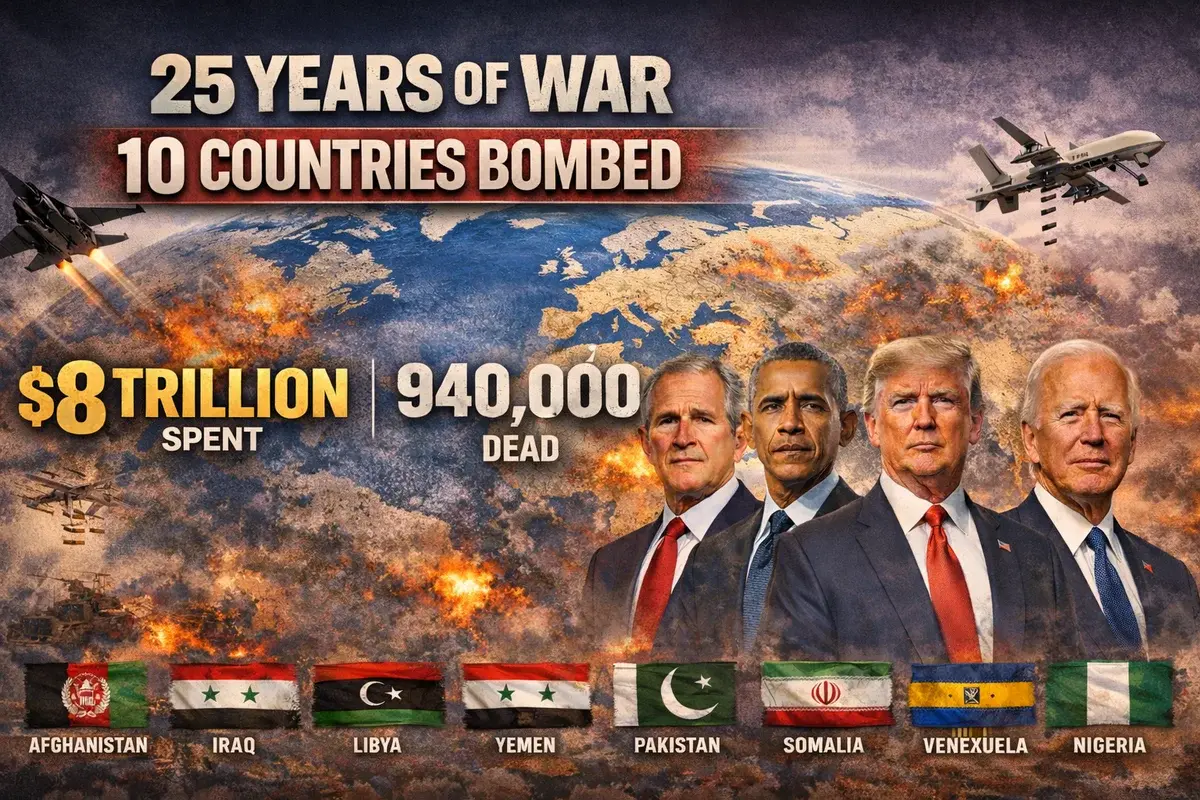
US's post-9/11 military engagements across 10+ countries, detailing the $8 trillion financial cost, human toll, and market impact.
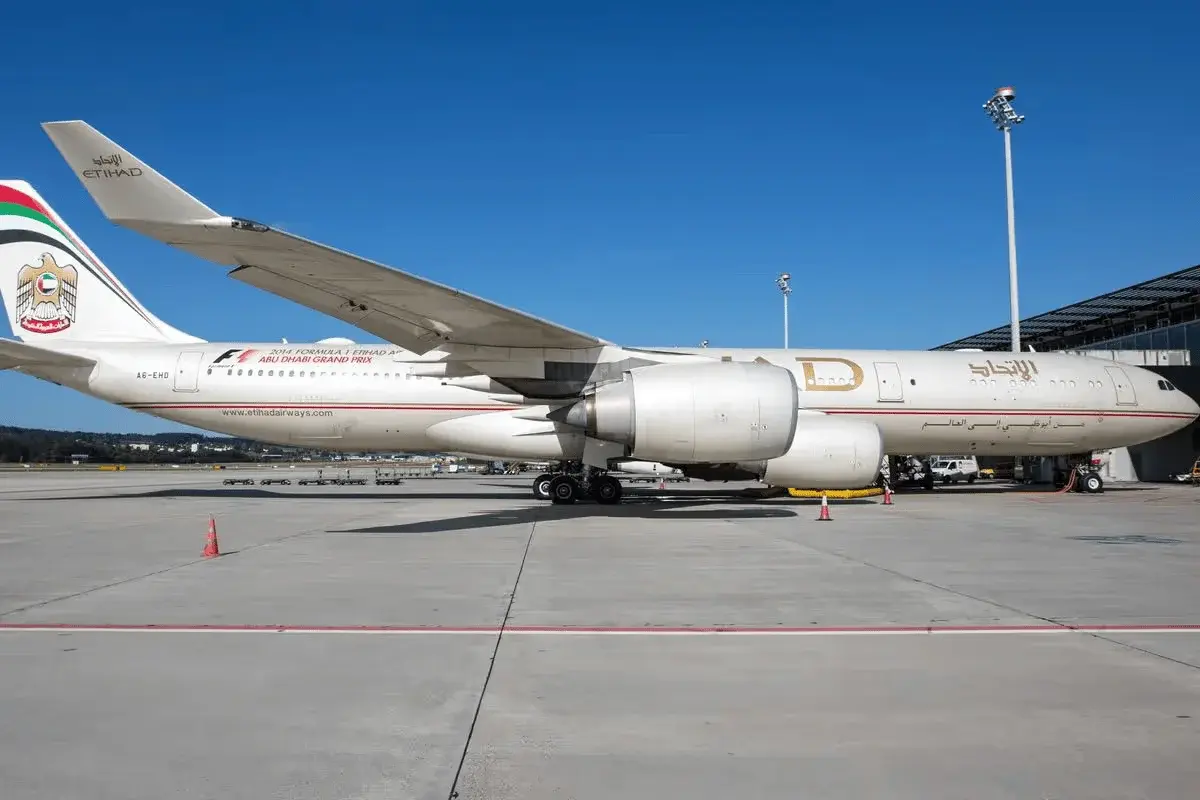
Etihad Airways extends flight suspension from Abu Dhabi until March 5 due to escalating regional airspace disruptions.

Paramount Skydance seals historic $110B deal to acquire Warner Bros. Discovery, combining iconic content and streaming platforms.
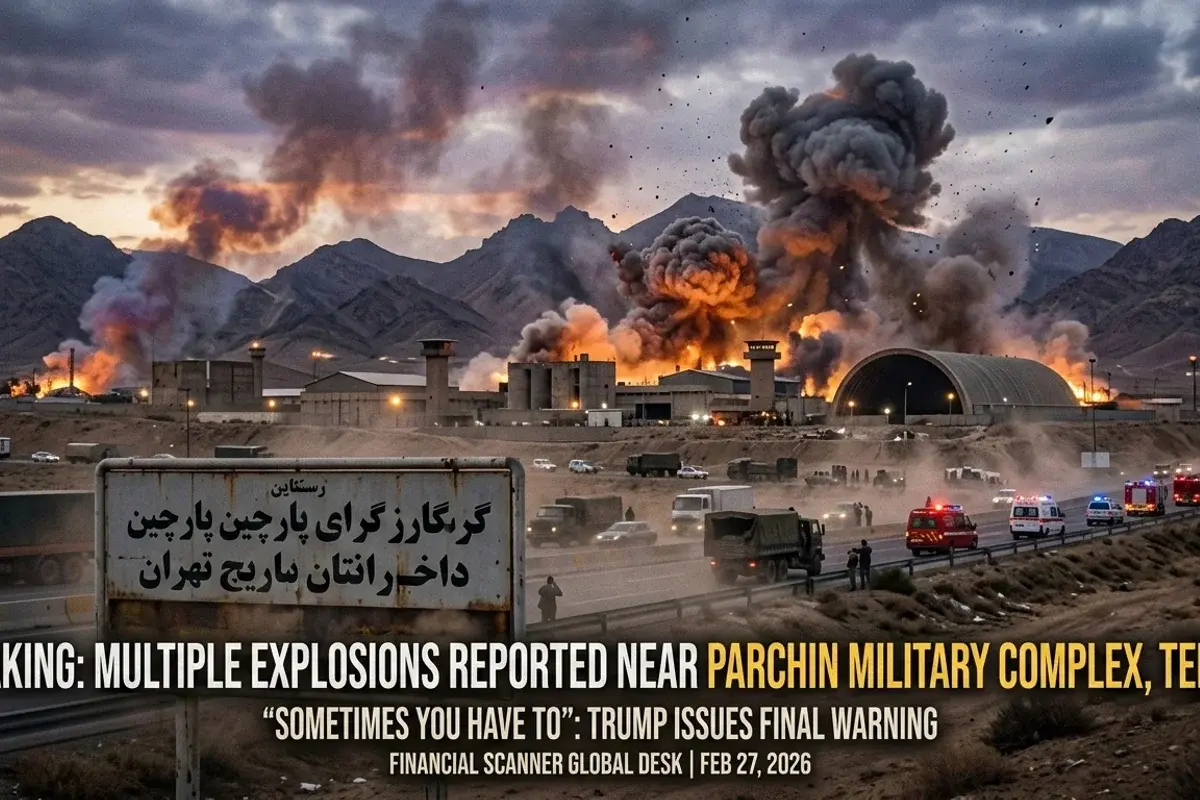
The geopolitical landscape fractured on Friday as a series of high-decibel escalations pushed the Middle East to the brink of a major military...