Loading market data...
Explore the breaking financial impact of escalating US-Iran tensions on India's economy, crude oil, gold prices, and global markets in March 2026.

The specter of an escalating conflict between the United States and Iran is casting a long shadow over global financial markets, sending jitters across commodity prices, particularly crude oil, and prompting a flight to safe-haven assets like gold. Recent geopolitical developments in the Middle East, including heightened naval activity and rhetoric, suggest a significant risk of broader regional instability that could have profound financial implications for countries like India, heavily reliant on energy imports. Investors are bracing for potential disruptions to vital global trade routes and a surge in inflation, demanding a proactive re-evaluation of portfolios in this volatile environment.
The Catalyst
Current tensions between the US and Iran have reached a critical juncture following a series of recent incidents in the Strait of Hormuz and heightened proxy conflicts across the Middle East. These events, including alleged drone attacks and maritime provocations, have significantly elevated the risk premium associated with the region. Analysts at FinScann note that the primary driver of this renewed escalation is a complex interplay of regional power dynamics, nuclear program concerns, and proxy warfare, creating an unpredictable geopolitical landscape. Any direct military confrontation between these two global powers would immediately trigger severe repercussions across international trade, energy supplies, and financial systems. The immediate concern revolves around the security of oil shipping lanes, particularly through the Strait of Hormuz, which is a critical chokepoint for a substantial portion of the world's seaborne oil trade.
Financial Forensics
The financial reverberations of a potential US-Iran conflict would be widespread, with several key indicators signaling distress for the global and Indian economies.
Crude Oil Prices: The most immediate and significant impact would be on global crude oil prices. The Strait of Hormuz is crucial, with roughly 20% of the world's petroleum liquids passing through it daily. Any disruption could lead to a rapid and dramatic surge in benchmark crude prices like Brent and WTI. FinScann analysis suggests that a full-blown conflict could see Brent Crude prices jump by $20-30 per barrel or even higher in the short term, potentially reaching $100-120 per barrel. For India, which imports over 85% of its crude oil needs, this translates directly into a higher import bill, increased fuel prices, and significant inflationary pressures. Every $10 increase in crude oil prices typically widens India's current account deficit by approximately 0.5% of GDP and adds 0.2-0.3 percentage points to retail inflation.
Gold as a Safe Haven: In times of extreme geopolitical uncertainty, gold historically serves as a primary safe-haven asset. Investors typically flock to gold, driving up its prices. Domestically, gold prices in India (in ₹ per 10 grams) are expected to surge significantly as global demand rises and the Indian Rupee potentially weakens against the US Dollar. A sustained conflict could easily push gold prices past ₹75,000-80,000 per 10 grams, providing a hedge against market volatility and currency depreciation.
Shipping and Supply Chains: The Middle East is a pivotal region for global trade routes. Escalated tensions or conflict could severely impact shipping in the Persian Gulf and potentially extend to other critical waterways like the Red Sea, already facing disruptions. Increased maritime insurance premiums, re-routing of vessels, and longer transit times would lead to higher freight costs, impacting global supply chains and further contributing to inflation. Industries reliant on timely imports, from electronics to manufacturing components, would face significant operational challenges and increased input costs.
Indian Rupee (INR): The Indian Rupee (₹) is highly sensitive to crude oil prices and foreign investor sentiment. A sharp increase in crude prices, coupled with a flight of foreign institutional investors (FIIs) from emerging markets due to risk aversion, would put immense depreciation pressure on the Rupee against the US Dollar. A weaker Rupee further exacerbates the import bill and inflationary pressures for India.
Market Impact
The global and Indian stock markets would undoubtedly react with heightened volatility to any escalation in US-Iran tensions. Equity benchmarks like the Nifty 50 and Sensex could witness sharp corrections as investors de-risk their portfolios. Sectors particularly vulnerable include oil marketing companies (OMCs) due to rising input costs, aviation, logistics, and any import-heavy industries. Conversely, sectors like defense, gold mining companies, and potentially certain IT services (benefiting from a weaker Rupee) might see some resilience or even gains. Global indices, including the S&P 500 and FTSE 100, would also experience significant downturns as investors weigh the risks of global economic slowdown and inflation. Bond yields might initially fall as investors seek safety in government bonds, but could rise if inflation expectations surge.
Key Takeaways
Investors navigating the current geopolitical landscape should consider these crucial points:
FinScann Verdict
The escalating US-Iran tensions present a significant and immediate headwind for global financial markets, with pronounced implications for the Indian economy. While a direct, full-scale conflict remains a tail risk, the financial market reaction to even sustained heightened tensions underscores the need for cautious, data-driven portfolio adjustments. FinScann advises investors to prioritize capital preservation and strategic asset allocation during this period of elevated geopolitical uncertainty.
Q: How would a US-Iran war impact crude oil prices globally? A: A direct conflict between the US and Iran would severely disrupt global crude oil supplies, particularly if the Strait of Hormuz is affected. This critical chokepoint handles a substantial portion of the world's seaborne oil. Such a disruption could lead to a rapid and dramatic surge in global crude oil prices, potentially pushing Brent Crude significantly higher, well above current levels.
Q: What is the likely effect on India's import bill and inflation? A: Given India's high dependency on crude oil imports, a sharp rise in global crude prices would significantly increase the nation's import bill, widening its current account deficit. This would directly translate into higher domestic fuel prices, leading to broad-based inflationary pressures across the economy as transportation costs and input costs for various industries rise.
Q: Should Indian investors consider investing in gold during this period? A: Yes, during periods of heightened geopolitical risk and economic uncertainty, gold traditionally acts as a safe-haven asset. Indian investors may find gold to be an effective hedge against market volatility, equity downturns, and potential depreciation of the Indian Rupee. A strategic allocation to gold can help preserve capital in a turbulent environment.
Q: How might the Nifty 50 and Sensex react to heightened geopolitical risk? A: The Nifty 50 and Sensex are highly sensitive to global geopolitical developments and commodity price movements. Heightened US-Iran tensions would likely trigger increased volatility, leading to sharp corrections as foreign institutional investors might withdraw capital from emerging markets in favor of safer assets. Investor sentiment would turn cautious, impacting broader market performance.
Disclaimer: For information only; not investment advice. Stock market investments carry risks. Please consult a SEBI-registered advisor before investing. FinScann assumes no liability for decisions made based on this report.

Financial journalist specializing in market analysis, stock research, and investment trends. Dedicated to providing accurate, timely insights for informed decision-making.
Credentials: Experienced financial journalist with expertise in equity markets and economic analysis
The information provided in this article is for educational and informational purposes only and should not be construed as financial, investment, or legal advice. Finscann does not provide personalized investment recommendations.
For detailed terms and conditions, please read our Disclaimer and Terms of Service.
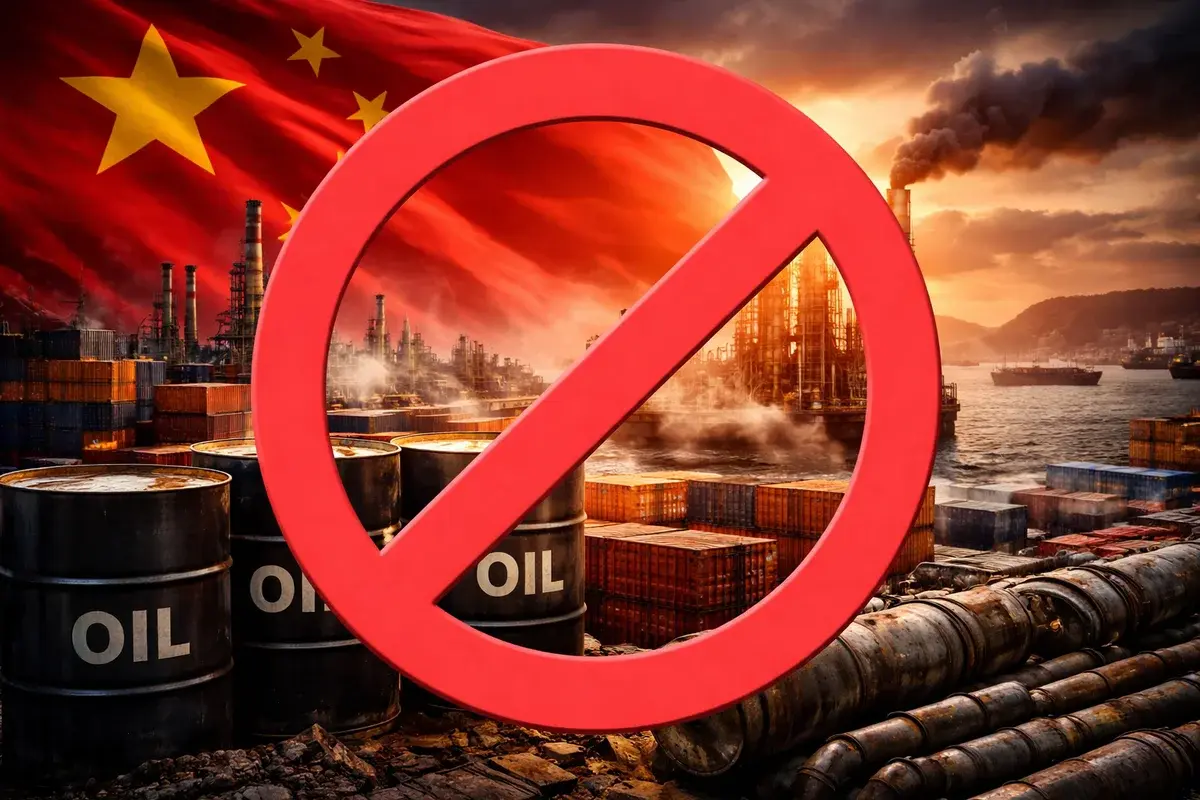
China suspends new fuel export contracts as global oil markets tighten due to Middle East tensions and shipping disruptions in the Strait of Hormuz.

Anthropic CEO Dario Amodei critiques OpenAI's Pentagon deal, labeling it deceptive. FinScann analyzes the implications for AI ethics, defense tech,...
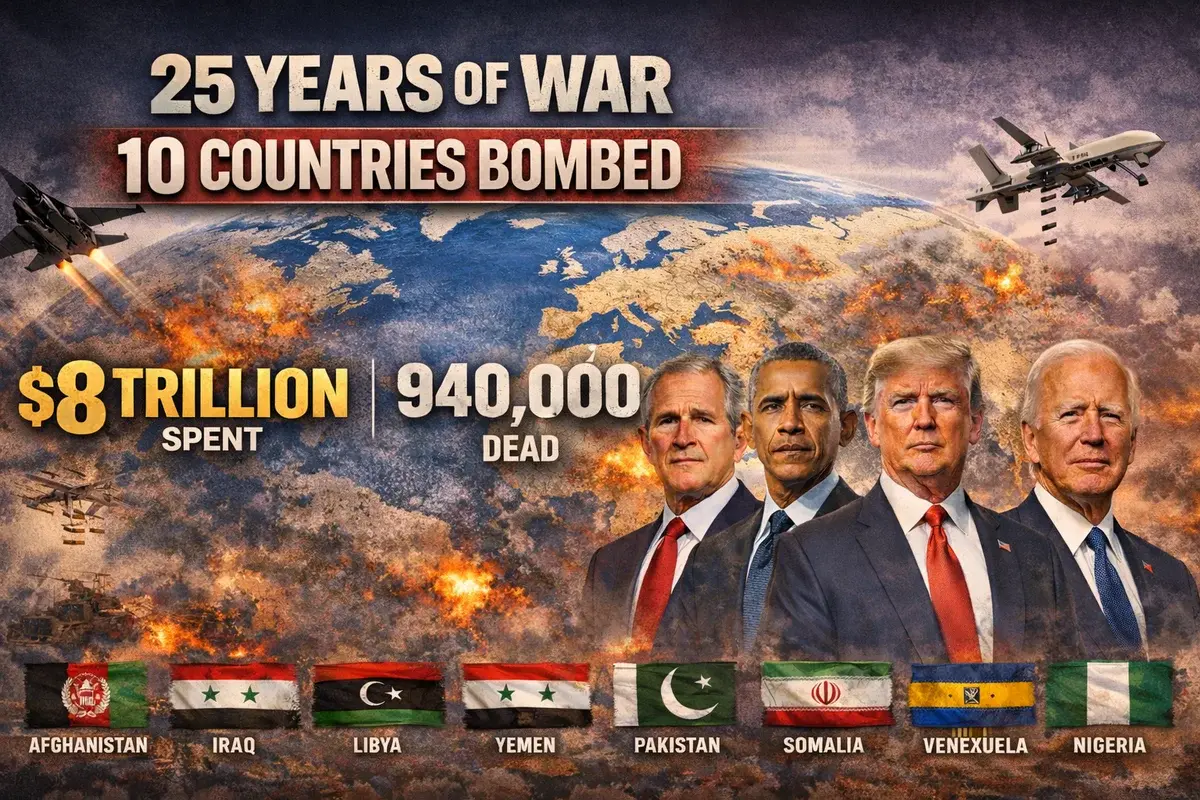
US's post-9/11 military engagements across 10+ countries, detailing the $8 trillion financial cost, human toll, and market impact.

Etihad Airways extends flight suspension from Abu Dhabi until March 5 due to escalating regional airspace disruptions.

Paramount Skydance seals historic $110B deal to acquire Warner Bros. Discovery, combining iconic content and streaming platforms.