Loading market data...
US's post-9/11 military engagements across 10+ countries, detailing the $8 trillion financial cost, human toll, and market impact.
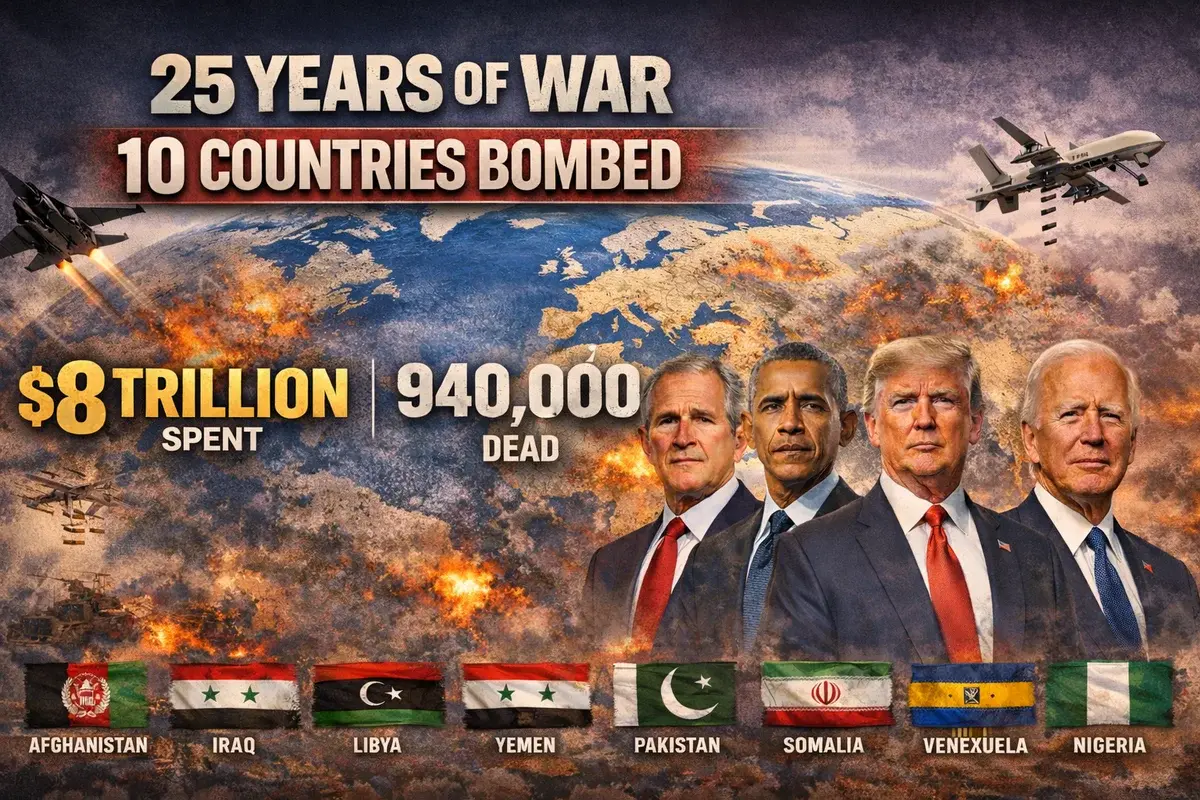
Since the tragic events of September 11, 2001, the United States has embarked on an unprecedented period of global military engagement, launching full-scale wars, thousands of drone strikes, and targeted operations across at least ten countries. This extensive undertaking has accumulated a staggering financial burden, estimated to reach close to $8 trillion in long-term military and veteran-related spending, profoundly redefining American power and global geopolitics in March 2026. This FinScann analysis delves into the comprehensive financial, human, and strategic ledger of this modern American power projection, examining its profound implications for investors and global markets.
Across four presidencies—George W. Bush, Barack Obama, Donald Trump's first term, and his current presidency beginning in 2025—American military power has remained a defining force in global geopolitics. These conflicts have directly led to the deaths of nearly 940,000 people in post-9/11 war zones, with indirect fatalities rising significantly higher. Entire regions have faced severe destabilization, governments have collapsed, new armed groups have emerged, and global alliances have undergone significant shifts.
The Catalyst
The terrorist attacks of September 11, 2001, served as the immediate catalyst for a profound shift in US foreign policy and military doctrine. The Bush administration declared a "War on Terror," initiating a global campaign against extremist groups. This declaration led to immediate military responses, initially focused on Afghanistan, followed by the invasion of Iraq. The underlying rationale involved counterterrorism, regime change, and the projection of American democratic values, setting in motion a series of engagements that would span decades and continents, forever altering the global financial and political landscape.
Countries Bombed Since 2001
Since 2001, the United States has conducted bombing campaigns, drone strikes, cruise missile attacks, or direct invasion operations in at least ten countries. The nature and intensity of these engagements have varied, but the strategic footprint has remained undeniably global.
Table 1: Countries and Nature of US Military Engagement (Post-9/11)
| Country | Major Years of Engagement | Type of Military Action |
|---|---|---|
| Afghanistan | 2001 to 2021 | Full invasion, sustained air war, counter-insurgency |
| Iraq | 2003 to 2011, 2014 to present | Invasion, occupation, counter-ISIS air campaigns |
| Syria | 2014 to present | Sustained airstrikes against ISIS and other groups |
| Libya | 2011 | NATO-led air intervention, targeted strikes |
| Yemen | Mid 2000s to present | Drone and missile strikes, counterterrorism operations |
| Pakistan | Mid 2000s to 2018 and beyond | CIA-led drone campaigns, counterterrorism efforts |
| Somalia | 2007 to present | Counterterrorism airstrikes against Al-Shabaab |
| Iran | 2020, 2026 | Targeted strategic strikes, military responses |
| Venezuela | 2026 | Reported limited operations |
| Nigeria | 2025 to 2026 | Counter-ISIS operations |
The definition of "bombed" in this context encompasses air-delivered munitions, drone strikes, cruise missiles, and aerial combat operations. While some engagements involved prolonged occupations with ground troops, others relied on precision strike doctrines, reflecting an evolving military strategy.
The Phases of Post-9/11 Military Engagement
The Bush Era (2001-2009)
The initial phase under President George W. Bush saw the rapid deployment of US forces. The invasion of Afghanistan in October 2001 aimed to dismantle Al-Qaeda and overthrow the Taliban regime. This became the longest war in US history, lasting two decades. The subsequent invasion of Iraq in March 2003, based on intelligence regarding weapons of mass destruction that later proved false, fundamentally reshaped the balance of power in the Middle East and contributed to the eventual rise of ISIS. The financial investment during this period was immense, setting the trajectory for future defense budgets.
The Obama Years (2009-2017)
President Barack Obama shifted strategy, reducing large troop deployments in Iraq and Afghanistan while significantly expanding drone warfare. This era saw a proliferation of precision strikes in Pakistan, Yemen, and Somalia. In 2011, the US joined a NATO-led air intervention in Libya, leading to the overthrow of Muammar Gaddafi. By 2014, Syria emerged as another sustained theater of US air operations, primarily targeting ISIS. The strategic shift moved from large-scale occupation to remote, technologically advanced engagement, maintaining continuous military activity with substantial, though often less visible, financial outlays.
The Trump Presidencies (2017-2021 & 2025-Present)
During Donald Trump's first term, air operations intensified in Syria and Iraq. A significant escalation with Iran occurred in 2020 with the targeted strike that killed Iranian General Qassem Soleimani. In his current presidency, commencing in 2025, President Trump has overseen renewed strategic operations. This includes major strikes tied to Iranian-linked targets and expanded counterterror actions in parts of Africa, such as Nigeria. The emphasis under the current administration has centered on deterrence through visible force projection and rapid strike capability. In February 2026, President Trump proposed a record $1.5 trillion military budget for 2027, representing a more than 50% increase over recent levels, underscoring a commitment to expanding capabilities and accelerating modernization.
Financial Forensics: The Staggering Cost of Two Decades of War
The economic burden of post-9/11 military operations is historically unprecedented, making it a critical area of analysis for FinScann. When combining direct war appropriations, homeland security expansion, increases in the base defense budget, veterans’ medical care, interest on borrowed funds, and projected future obligations, the total spending approaches an estimated $8 trillion.
Table 2: Estimated Financial Breakdown of Post-2001 Wars (Approaching $8 Trillion)
| Spending Category | Estimated Amount |
|---|---|
| Department of Defense War Spending (Overseas Contingency Operations) | $2.1 trillion |
| Homeland Security Expansion | $1.1 trillion |
| Department of Defense Base Budget Increases | $884 billion |
| Veterans' Medical Care and Disability | $465 billion (past), $2.2 trillion (projected future) |
| Interest on War Borrowing | $1 trillion |
| Estimated Total Long-Term Cost | Approximately $8 trillion |
This colossal sum, extensively documented by the Costs of War Project at Brown University, exceeds the annual GDP of many major economies and represents one of the largest sustained military expenditures in modern history. For instance, the US military spent approximately $820.3 billion in FY2023, representing roughly 13.3% of the entire federal budget. The Department of Defense requested $842 billion for 2024, with the FY2026 budget request standing at $892.6 billion.
Beyond the direct costs, there are significant opportunity costs. Research indicates that increased military spending can lead to slower economic growth. For example, a 1% increase in military spending over a 20-year period could decrease a country's economic growth by 9%. Furthermore, military spending generates fewer jobs per dollar invested compared to other sectors. The same $1 million investment that creates 5 jobs in the military sector could create nearly 13 jobs in education, 9 in healthcare, or 7-8 in infrastructure and clean energy. These unquantified costs represent foregone opportunities for domestic investment and economic development.
Market Impact: Navigating Geopolitical Volatility
The protracted period of global military engagement has had a discernible impact on financial markets, creating both beneficiaries and significant volatility for investors.
Defense Sector Performance:
Companies in the aerospace and defense industry have seen substantial gains amidst escalating global conflicts and increased defense budgets. Firms like Lockheed Martin (LMT), Northrop Grumman (NOC), and RTX Corp. (RTX) have consistently reported strong earnings and robust backlogs. The iShares US Aerospace & Defense ETF (ITA) was up 14% in the early months of 2026, outperforming broader market indices. Notably, Palantir (PLTR), sitting at the intersection of defense and artificial intelligence, has seen significant growth, with its AI-powered intelligence platform reportedly used in current operations, driving Q4 revenue up 70% year-over-year. These companies benefit directly from the sustained demand for military equipment and technology, making them a key consideration for investors seeking exposure to geopolitical trends.
Oil Prices and Inflation:
Geopolitical tensions, particularly in the Middle East, have a direct and immediate impact on global oil prices. Recent conflicts, including those in early March 2026, have caused Brent crude oil prices to surge, increasing by as much as 13% in early trading and reaching $78-$82 per barrel due to concerns over disrupted maritime oil transportation through key arteries like the Strait of Hormuz. These oil price spikes can contribute to inflationary pressures globally, affecting transportation costs, consumer prices, and central bank monetary policy decisions, potentially forcing interest rate hikes and slowing economic growth.
Geopolitical Risk and Investment Strategies:
For the broader investment landscape, geopolitical risk has moved from a "background noise" to a "foreground signal." Wealth managers are increasingly advising on strategies to mitigate such uncertainties. Diversification across asset classes, sectors (e.g., technology, healthcare, consumer goods tend to be less affected), and geographic regions is crucial. Alternative assets like gold and other commodities often serve as a hedge against global instability, although some research suggests US equities can also be a surprisingly effective defensive play. Maintaining liquidity and leveraging real-time data for swift decision-making are paramount for portfolio resilience in a volatile global environment.
Key Takeaways for Investors
Persistent Defense Spending: Expect US defense spending to remain robust, potentially increasing further with current administration proposals, driving continued demand for defense contractors.
Geopolitical Volatility is the New Norm: Global conflicts, particularly in energy-rich regions, will continue to drive commodity price volatility, especially oil, impacting inflation and economic stability.
Diversify and Hedge: In an era of heightened geopolitical risk, a well-diversified portfolio that includes defensive sectors and alternative assets is essential to cushion against unexpected shocks.
Monitor Energy Markets: Keep a close watch on crude oil and natural gas prices, as they serve as immediate indicators of escalating geopolitical tensions and their potential inflationary consequences.
Technological Defense: Companies at the forefront of defense technology, especially in areas like AI and cybersecurity, may present long-term investment opportunities.
FinScann Verdict
The US's post-9/11 military engagements, culminating in an $8 trillion war ledger, represent a monumental financial commitment with enduring geopolitical and economic ramifications. While defense sector companies continue to find tailwinds, the broader market faces persistent volatility driven by global instability and its direct impact on critical resources like oil. FinScann advises investors to integrate a robust geopolitical risk framework into their portfolio strategies, prioritizing diversification, strategic hedging, and agile responses to an ever-evolving global landscape.
Q: How do rising geopolitical tensions affect your investment portfolio?
A: Rising geopolitical tensions can introduce significant volatility, impacting asset prices, interest rates, and investor sentiment. They often lead to surges in commodity prices (like oil and gold), while causing shifts in equity markets. Diversification across various sectors and geographies, along with investments in defensive assets, can help mitigate these risks.
Q: What is the long-term economic outlook of continued high US military spending?
A: While military spending can create some jobs and technological advancements in the short term, the long-term outlook suggests significant opportunity costs. Sustained high military expenditure can divert funds from other productive sectors, potentially leading to slower overall economic growth and increased national debt, as highlighted by various economic analyses.
Q: Which sectors tend to benefit from increased defense spending?
A: The primary beneficiaries of increased defense spending are companies in the aerospace and defense sector. This includes major defense contractors that produce aircraft, weaponry, and advanced military technology, as well as firms involved in cybersecurity and artificial intelligence applications for defense. Examples include Lockheed Martin, Northrop Grumman, and Palantir.
Q: What is the "Costs of War Project" and why is it important for understanding US military spending?
A: The Costs of War Project is a nonpartisan research initiative by Brown University's Watson Institute. It provides comprehensive, public-facing research documenting the human, economic, social, and environmental costs of US post-9/11 wars and military operations. It's crucial because it offers a more expansive and transparent accounting of war-related expenditures than official government figures, including indirect costs and future obligations.
Q: How do conflicts in the Middle East specifically impact global energy markets?
A: Conflicts in the Middle East, a region central to global oil supply, can severely disrupt both production and transportation. Threats to key shipping routes like the Strait of Hormuz immediately trigger fears of supply constraints, leading to sharp spikes in crude oil and natural gas prices. These price increases significantly affect global economies by raising transportation costs and contributing to inflation.

Financial journalist specializing in market analysis, stock research, and investment trends. Dedicated to providing accurate, timely insights for informed decision-making.
Credentials: Experienced financial journalist with expertise in equity markets and economic analysis
The information provided in this article is for educational and informational purposes only and should not be construed as financial, investment, or legal advice. Finscann does not provide personalized investment recommendations.
For detailed terms and conditions, please read our Disclaimer and Terms of Service.

Etihad Airways extends flight suspension from Abu Dhabi until March 5 due to escalating regional airspace disruptions.

Paramount Skydance seals historic $110B deal to acquire Warner Bros. Discovery, combining iconic content and streaming platforms.
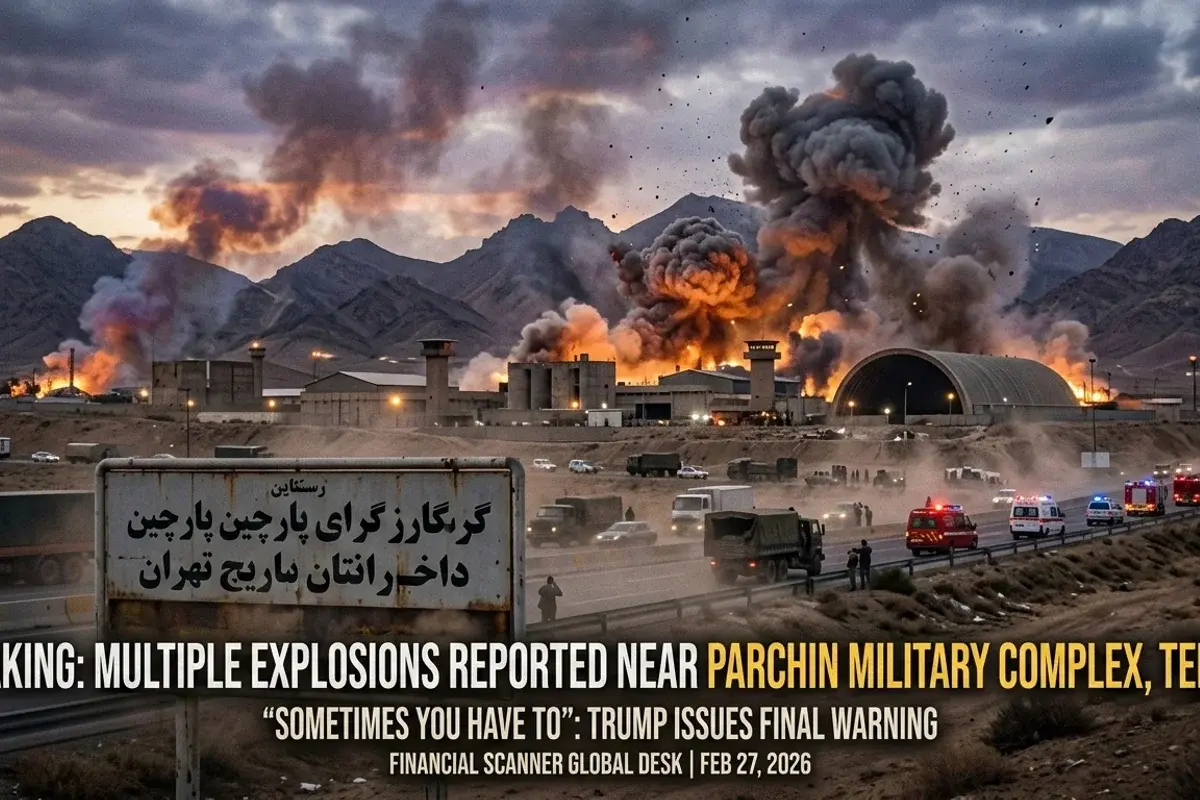
The geopolitical landscape fractured on Friday as a series of high-decibel escalations pushed the Middle East to the brink of a major military...
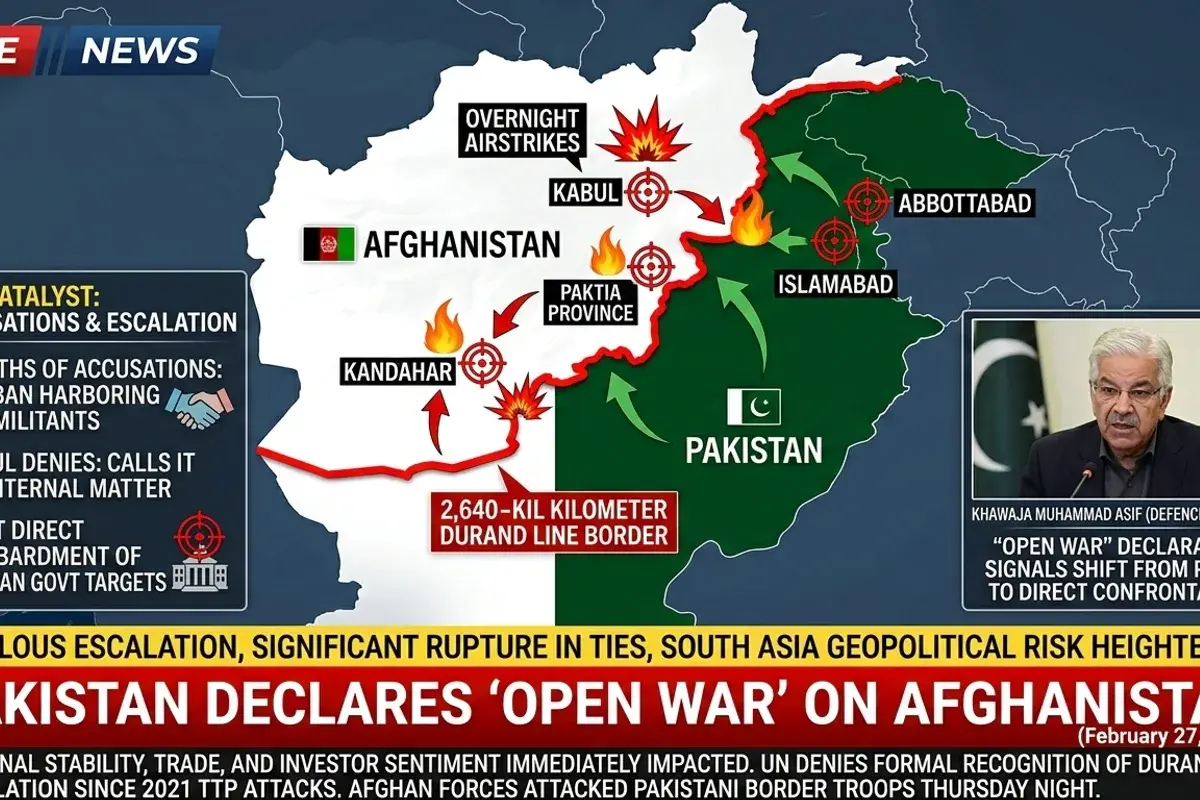
Pakistan's declaration of "open war" with Afghanistan after recent clashes intensifies regional instability, impacting financial markets, trade, and...

Amazon and OpenAI announce a groundbreaking $50 billion AI investment, reshaping the tech landscape.