Loading market data...
Etihad Airways extends flight suspension from Abu Dhabi until March 5 due to escalating regional airspace disruptions. FinScann analyzes market impact and traveler advisories.
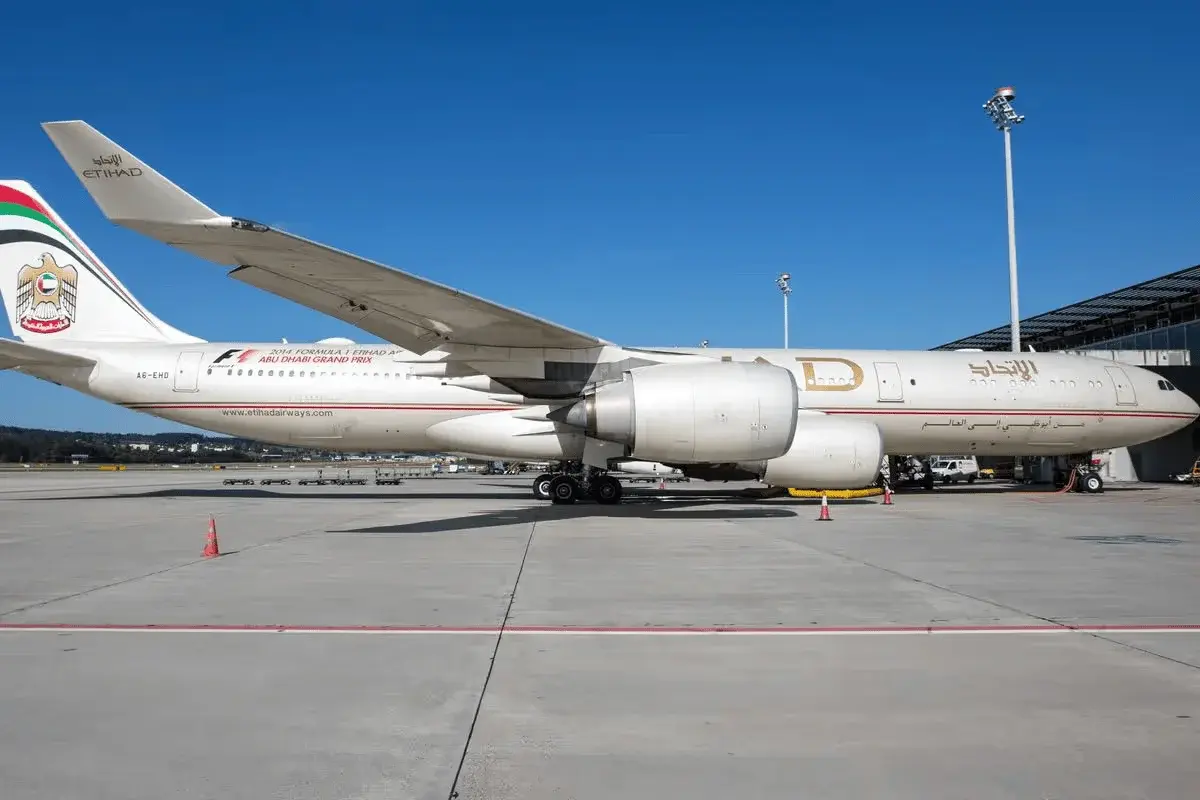
Etihad Airways has announced the extension of its commercial flight suspension to and from Abu Dhabi until 14:00 UAE time on Thursday, March 5, 2026, a critical measure enacted due to ongoing regional airspace disruptions. This decision underscores the airline's unwavering commitment to safety and operational approvals, coordinated closely with UAE authorities amidst heightened geopolitical tensions in West Asia. The extended halt significantly impacts travelers and the broader aviation sector, particularly affecting connectivity between Europe, Asia, and Africa.
The Catalyst
The current suspension stems from a rapidly evolving security landscape across the Middle East, which has led to widespread airspace closures and restrictions since February 28, 2026. Major Gulf hubs, including Abu Dhabi, Dubai, and Doha, have experienced severe disruptions, forcing numerous airlines to cancel or reroute thousands of flights. The General Civil Aviation Authority (GCAA) in the UAE introduced temporary partial airspace closures as a precautionary measure. This unprecedented situation, described as one of the sharpest aviation shocks in recent years, highlights the vulnerability of global air travel to regional conflicts.
Financial Forensics
The extended suspension for Etihad Airways, a key player in global aviation, is expected to weigh significantly on its financial performance and operational efficiency. The airline industry, while showing overall passenger demand growth in early 2026, faces persistent cost pressures from rising infrastructure charges, regulatory burdens, and the increasing cost of energy transition. Geopolitical turbulence remains a substantial factor shaping the industry's supply and demand dynamics.
This period of non-operation translates directly into substantial revenue losses from ticket sales and increased operational costs associated with stranded aircraft, crew, and passenger reaccommodation. While Etihad may operate some repositioning, cargo, and repatriation flights, these are contingent on strict safety protocols and cannot fully offset the commercial impact. The broader regional disruption has already led to over 3,400 flights cancelled on March 1, affecting millions of passengers and potentially leading to higher fares and longer journeys for travelers due to rerouting.
Comparative Impact on Gulf Carriers (Hypothetical Data)
| Airline | Scheduled Commercial Flights (Feb 28 - Mar 5) | Actual Flights Operated (Estimated) | Operational Impact |
|---|---|---|---|
| Etihad Airways | ~500 | Repatriation/Cargo Only | Full Suspension |
| Emirates | ~700 | Limited Repatriation/Cargo | Partial Suspension |
| Qatar Airways | ~600 | Limited/Suspended | Partial Suspension |
| Flydubai | ~300 | Limited Operations | Partial Suspension |
Source: FinScann Analysis based on market reports and airline advisories (March 2026)
Market Impact
The ripple effects of these widespread flight disruptions extend far beyond Etihad, impacting global air traffic and travel sentiment. Airlines globally, including those like Air India and IndiGo catering to a large Indian diaspora, have had to adjust their schedules, leading to significant cancellations and rerouting. This situation is anticipated to increase operational and insurance costs for airlines worldwide, potentially translating into higher ticket prices for consumers as carriers look to recover losses and cover increased fuel consumption from longer routes. The uncertainty also poses challenges for maintaining customer satisfaction and loyalty across the industry. Indian travelers connecting through UAE hubs to Europe and the Americas are particularly affected, facing rebooking complexities and extended travel times.
Key Takeaways for Investors and Travelers
Prioritize Safety: Etihad's decision underscores a safety-first approach in volatile regional airspace.
Check Flight Status: Travelers must continually check Etihad's official website (etihad.com) for the latest flight status before heading to Abu Dhabi's Zayed International Airport. Airport access will be restricted without confirmed travel documentation.
Rebooking and Refunds: Passengers with tickets issued on or before February 28, 2026, for travel up to March 10, 2026, may rebook free of charge for Etihad-operated flights up to March 31, 2026. Full refunds are also available for flights affected by the suspension up to March 10, typically through the online refund form or travel agents.
Industry Vulnerability: The incident highlights the aviation sector's susceptibility to geopolitical events, which can cause immediate and significant operational and financial strains.
Long-term Outlook: While demand is robust, airlines must navigate rising costs and geopolitical risks, making operational resilience a key competitive advantage in 2026.
FinScann Verdict
The extended Etihad Airways flight suspension until March 5 is a necessary safety measure given the ongoing regional airspace disruptions, but it undoubtedly presents significant near-term financial headwinds for the airline and profound inconvenience for thousands of travelers. FinScann analysis suggests that while the immediate focus is on operational safety and passenger support, the broader aviation industry, including the Indian travel sector, must brace for potential long-term shifts in route planning and pricing strategies. Investors should closely monitor airline statements and regional geopolitical developments for further clarity.
Q: Why are Etihad flights suspended?
A: Etihad Airways flights are suspended due to ongoing regional airspace disruptions in the Middle East, primarily caused by escalating geopolitical tensions and precautionary measures by aviation authorities to ensure safety.
Q: When will Etihad flights resume?
A: Etihad Airways' scheduled commercial flights to and from Abu Dhabi are currently suspended until 14:00 UAE time on Thursday, March 5, 2026. The situation remains fluid, and travelers are advised to check the airline's official website for the latest updates.
Q: What should affected travelers do?
A: Affected travelers should not go to Abu Dhabi's Zayed International Airport unless they have been directly contacted by Etihad Airways with confirmed travel instructions. It is crucial to check your flight status on etihad.com and ensure your contact details are updated in your booking.
Q: Will Etihad operate cargo or repatriation flights during the suspension?
A: Yes, Etihad Airways has indicated that some repositioning, cargo, and repatriation flights may still operate during the suspension, but these are subject to strict operational and safety approvals and coordination with UAE authorities.
Q: How does this situation impact the broader airline industry?
A: The regional airspace closures are causing widespread disruptions across the global airline industry, leading to thousands of flight cancellations, rerouting, longer journey times, and increased operational costs due to higher fuel consumption. This impacts revenue, profitability, and customer satisfaction for many carriers operating to and through the Middle East.

Financial journalist specializing in market analysis, stock research, and investment trends. Dedicated to providing accurate, timely insights for informed decision-making.
Credentials: Experienced financial journalist with expertise in equity markets and economic analysis
The information provided in this article is for educational and informational purposes only and should not be construed as financial, investment, or legal advice. Finscann does not provide personalized investment recommendations.
For detailed terms and conditions, please read our Disclaimer and Terms of Service.

Paramount Skydance seals historic $110B deal to acquire Warner Bros. Discovery, combining iconic content and streaming platforms.

The geopolitical landscape fractured on Friday as a series of high-decibel escalations pushed the Middle East to the brink of a major military...

Pakistan's declaration of "open war" with Afghanistan after recent clashes intensifies regional instability, impacting financial markets, trade, and...

Amazon and OpenAI announce a groundbreaking $50 billion AI investment, reshaping the tech landscape.

Netflix's strategic exit from the Warner Bros Discovery bid fuels a significant surge in Paramount Global shares.