Loading market data...
Global markets reel as Iran-Israel-US conflict escalates in March 2026. Oil prices soar, gold surges, and Indian equities plunge amid severe Strait of Hormuz disruptions.
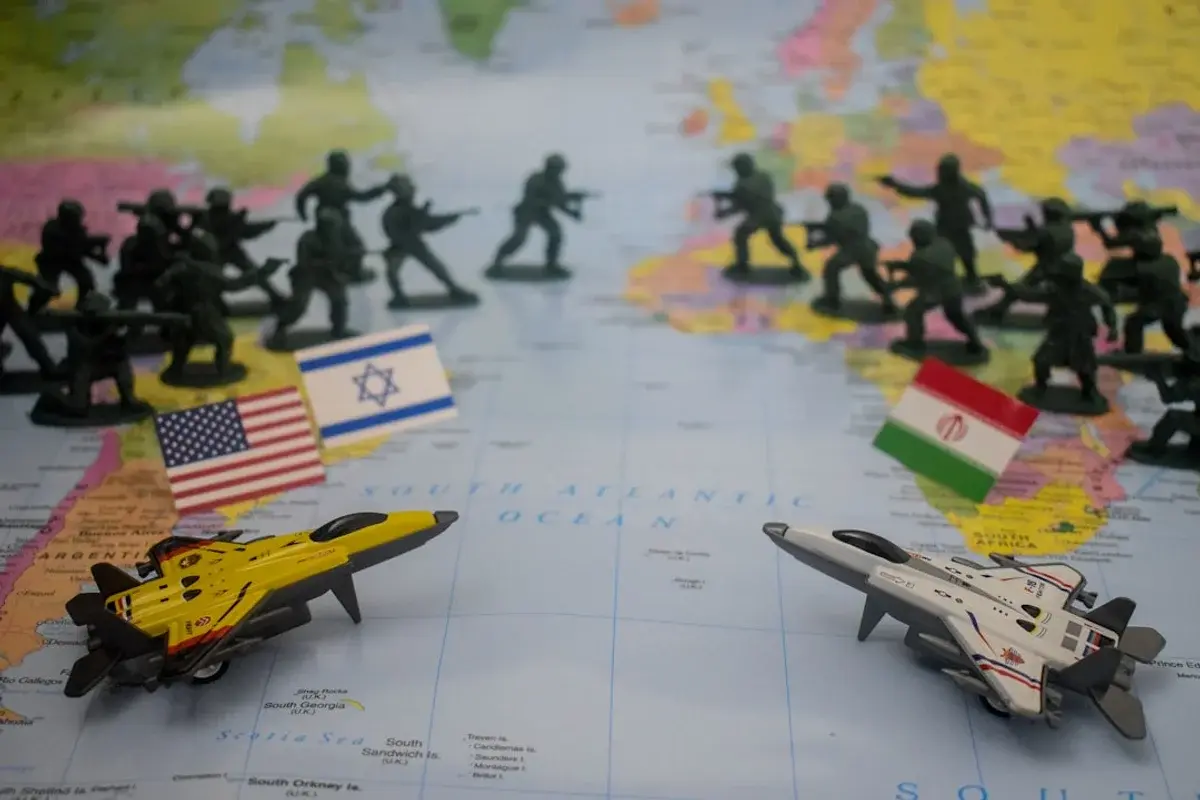
Global financial markets are in turmoil as the escalating conflict involving the United States, Israel, and Iran sends shockwaves across commodities and equity indices worldwide. On February 28, 2026, a series of joint US-Israeli airstrikes on Iran, reportedly targeting its leadership, nuclear program, and ballistic missile capabilities, triggered swift and aggressive retaliation from Tehran. The conflict, dubbed "Operation Epic Fury" by the US, has plunged the Middle East into an unprecedented state of war, immediately impacting critical global supply chains and sending investors scrambling for safe-haven assets.
The Catalyst
The current phase of intense military confrontation began on February 28, 2026, when the United States and Israel launched coordinated airstrikes deep into Iran. These strikes reportedly targeted key Iranian military installations, nuclear facilities, and, critically, resulted in the death of Iran's Supreme Leader, Ayatollah Ali Khamenei, and dozens of other officials. US and Israeli officials stated their objective was to induce regime change and dismantle Iran's nuclear and ballistic missile programs.
In a rapid and widespread response on March 1, 2026, Iran unleashed a torrent of retaliatory missile and drone attacks. These strikes targeted Israel and multiple US military bases scattered across the Gulf region, including Bahrain, Iraq, Kuwait, Lebanon, Oman, Qatar, the United Arab Emirates, Saudi Arabia, Jordan, and Cyprus. Compounding the global anxiety, Iran also formally declared the closure of the Strait of Hormuz, a critical maritime chokepoint through which approximately one-fifth of globally traded oil passes daily. This declaration, coupled with targeted attacks on shipping and energy infrastructure, has exacerbated fears of a prolonged regional conflict and severe disruptions to global energy supplies.
Financial Forensics
The immediate aftermath of this escalating conflict has been a dramatic re-pricing across major financial assets, reflecting heightened geopolitical risk and profound uncertainty.
Global Oil Markets Under Siege The energy sector has borne the brunt of the geopolitical shock. With the formal closure of the Strait of Hormuz and significant disruptions to tanker traffic, global crude oil prices surged dramatically. Brent crude futures, which were trading below US$73 per barrel before the strikes, briefly approached US$120 per barrel before settling above US$90 per barrel by March 12, 2026. This meteoric rise reflects the Strait of Hormuz's strategic importance, as it facilitates nearly 20 million barrels per day (mb/d) of crude and product exports.
The International Energy Agency (IEA) confirmed on March 12, 2026, that the global oil market is facing the largest supply disruption in its history, with crude and oil product flows through the Strait plunging to a mere trickle. Global oil supply is projected to drop by approximately 8 mb/d in March, with significant curtailments in the Middle East. In an attempt to stabilize markets, IEA member countries unanimously agreed on March 11 to release an unprecedented 400 million barrels of oil from their emergency reserves. However, despite these efforts, market strategists express concern that sustained oil prices above US$100 per barrel could intensify broader inflation risks globally.
Gold: The Ultimate Safe Haven In times of extreme geopolitical stress, gold consistently acts as a preferred safe-haven asset, and the current crisis is no exception. Gold prices saw a significant jump on March 2, 2026, surging to around US$5,344 to US$5,400 per troy ounce, solidifying its position as a go-to asset for investors seeking security. This represents an increase of more than 6% in just a few days following the initial strikes. Analysts are now projecting gold to reach previous resistance levels around US$5,500-$5,600 per ounce, with some even forecasting targets of over US$6,000 per ounce in the second half of 2026 if geopolitical risks persist. Central banks globally have been accumulating gold reserves, reflecting an institutional recognition of precious metals' role during monetary policy uncertainty and geopolitical stress.
Indian Equity Market Turmoil The Indian equity markets have been particularly susceptible to the global geopolitical shock and the surge in crude oil prices, given India's high reliance on oil imports. On March 2, 2026, benchmark indices witnessed a significant downturn. The BSE Sensex plunged 2,743.46 points, or 3.37%, to 78,543.73 in early trade, while the NSE Nifty 50 tumbled 533.55 points, or 2.11%, closing below the 24,900 mark at 24,865.70.
This sharp sell-off was driven by a "risk-off" sentiment among investors, leading to substantial Foreign Institutional Investor (FII) outflows from emerging markets like India. Higher crude prices pose immediate and tangible macroeconomic headwinds for India, threatening to widen the current account deficit (CAD), exacerbate inflationary pressures, and further weaken the Indian Rupee (₹). All 16 major sectors of the Indian market turned red, with broader small-cap and mid-cap segments experiencing even steeper declines of 3.8% and 3.4% respectively.
Comparison of Key Financial Indicators (March 2026)
| Parameter | Pre-Conflict (Feb 27, 2026) | Post-Conflict (March 12, 2026) | Change |
|---|---|---|---|
| Brent Crude (per barrel) | ~US$73 | ~US$90 - US$120 | ↑ 23% - 64% |
| Gold (per troy ounce) | ~US$5,100 | ~US$5,171 - US$5,400 | ↑ 1% - 5.8% |
| BSE Sensex | ~81,287.19 | ~80,238.85 | ↓ 1.29% |
| NSE Nifty 50 | ~25,178.65 | ~24,865.70 | ↓ 1.24% |
Note: Pre-conflict figures are approximate closing values from February 27, 2026. Post-conflict figures reflect market conditions around March 12, 2026, and represent observed changes after the conflict escalated.
Market Impact
The escalating conflict has fostered an environment of extreme volatility across global financial markets. Investors are actively de-risking portfolios, leading to a significant flight to quality assets such as gold and, to some extent, the US Dollar and specific government bonds. The surge in energy prices, driven by the Strait of Hormuz disruption, has renewed fears of global inflation, complicating the outlook for central bank monetary policies. There is a growing consensus that major central banks, including the US Federal Reserve, may be forced to delay anticipated interest rate cuts to combat persistent inflationary pressures. Emerging markets, particularly those heavily reliant on oil imports, face amplified pressure from potential foreign institutional investor (FII) outflows and currency depreciation.
Key Takeaways
For astute investors navigating this turbulent period, FinScann analysis highlights several critical considerations:
FinScann Verdict
The US-Israel-Iran conflict marks a profound geopolitical and geo-economic shock, creating significant turbulence across global financial markets, particularly for oil-importing nations like India. While short-term volatility is expected to persist, FinScann advises investors to maintain a data-driven approach, prioritize portfolio resilience, and strategically re-evaluate asset allocation to capitalize on opportunities emerging from market dislocations while mitigating risks.
Q: What triggered the latest escalation between the US, Israel, and Iran? A: The latest escalation began on February 28, 2026, when the United States and Israel launched coordinated military strikes against Iran. These strikes reportedly targeted Iran's leadership, nuclear, and ballistic missile infrastructure. Iran swiftly retaliated with missile and drone attacks across the Middle East.
Q: How has the Strait of Hormuz been affected, and what are the implications? A: The Strait of Hormuz has experienced severe disruptions, with tanker traffic dropping to near-zero levels, following Iran's declaration of its closure. This critical chokepoint handles approximately one-fifth of global oil flows, leading to a significant 8 mb/d drop in global oil supply for March and causing crude oil prices to soar dramatically.
Q: What is the impact on the Indian economy and stock markets? A: Indian benchmark indices, including the Sensex and Nifty, experienced sharp declines (over 3% and 2% respectively on March 2, 2026) due to the geopolitical shock and the surge in crude oil prices. India, a major oil importer, faces significant macroeconomic headwinds, including a widening current account deficit (CAD), increased inflationary pressures, and a weakening Rupee (₹).
Q: Should investors consider buying gold during this crisis? A: Yes, gold has historically served as a robust safe-haven asset during periods of geopolitical uncertainty. In the current crisis, gold prices have surged to US$5,400 per troy ounce and are projected to rise further. Investors seeking to hedge against market volatility and preserve capital should consider strategic allocation to gold.
Disclaimer: For information only; not investment advice. Stock market investments carry risks. Please consult a SEBI-registered advisor before investing. FinScann assumes no liability for decisions made based on this report.

Financial journalist specializing in market analysis, stock research, and investment trends. Dedicated to providing accurate, timely insights for informed decision-making.
Credentials: Experienced financial journalist with expertise in equity markets and economic analysis
The information provided in this article is for educational and informational purposes only and should not be construed as financial, investment, or legal advice. Finscann does not provide personalized investment recommendations.
For detailed terms and conditions, please read our Disclaimer and Terms of Service.
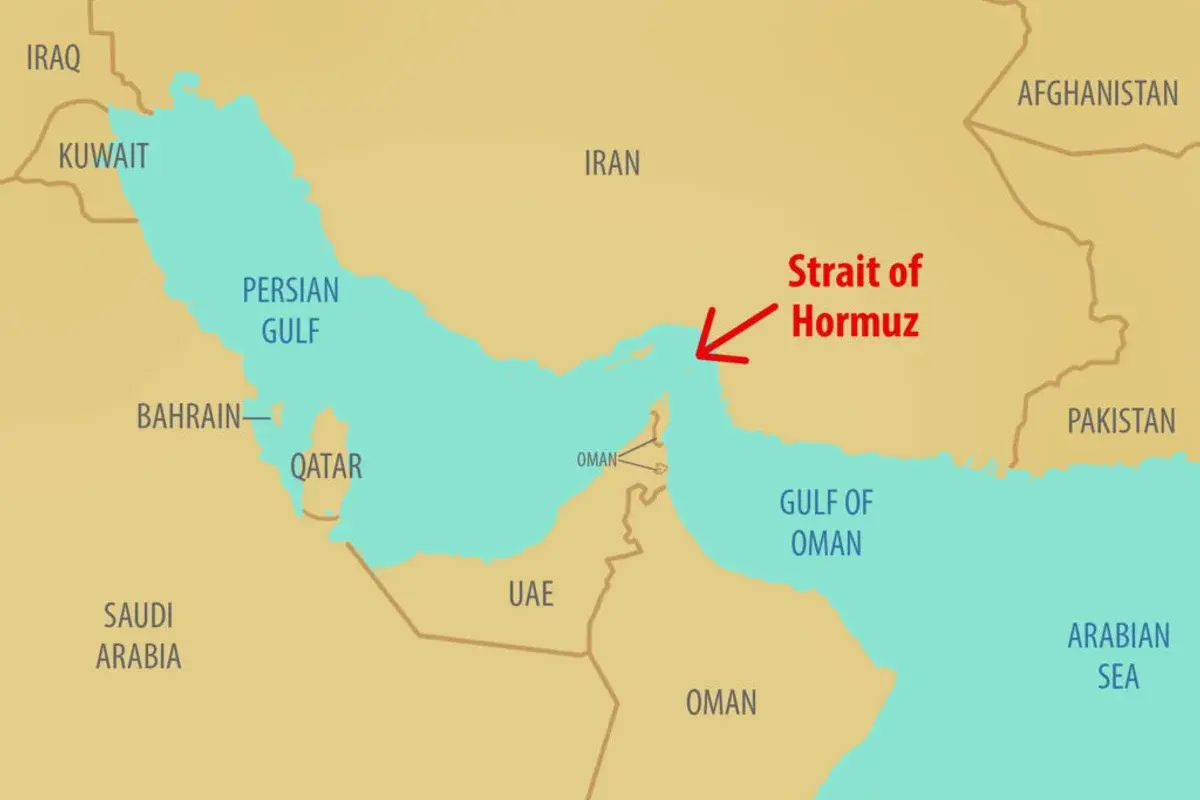
The Strait of Hormuz is a narrow but strategically vital waterway located between Iran and Oman, connecting the Persian Gulf to the Gulf of Oman and...
India's Russian crude imports surge 50% in March 2026 to 1.5M bpd, driven by a US waiver and Strait of Hormuz disruptions.

US–Iran conflict enters its 13th day with rising casualties and ongoing airstrikes, while global fuel prices remain stable despite Middle East...

iQOO launches Z11x in India with Dimensity 7400 Turbo chipset, 7200mAh battery, and AI cameras, targeting the competitive mid-range smartphone market.

India's oil tankers gain critical access to Strait of Hormuz after Iran talks. FinScann analyzes the impact on India's energy security and global oil...