Loading market data...
Global oil prices surge dramatically as US-Iran conflict intensifies, threatening supply routes and triggering market volatility. FinScann analyzes the economic impact on India.

Global financial markets are gripped by extreme volatility as escalating US-Iran tensions continue to fuel a dramatic surge in crude oil prices. Brent crude futures, the international benchmark, briefly touched $120 per barrel on Monday, March 10, 2026, marking their highest level since 2022, before moderating amidst reports of potential de-escalation and discussions of strategic reserve releases. West Texas Intermediate (WTI) also soared to nearly $120 per barrel. This sharp rally, driven by fears of significant supply disruptions from the Middle East, particularly the critical Strait of Hormuz, is sending shockwaves across the global economy, with India bracing for substantial macroeconomic headwinds.
The Catalyst
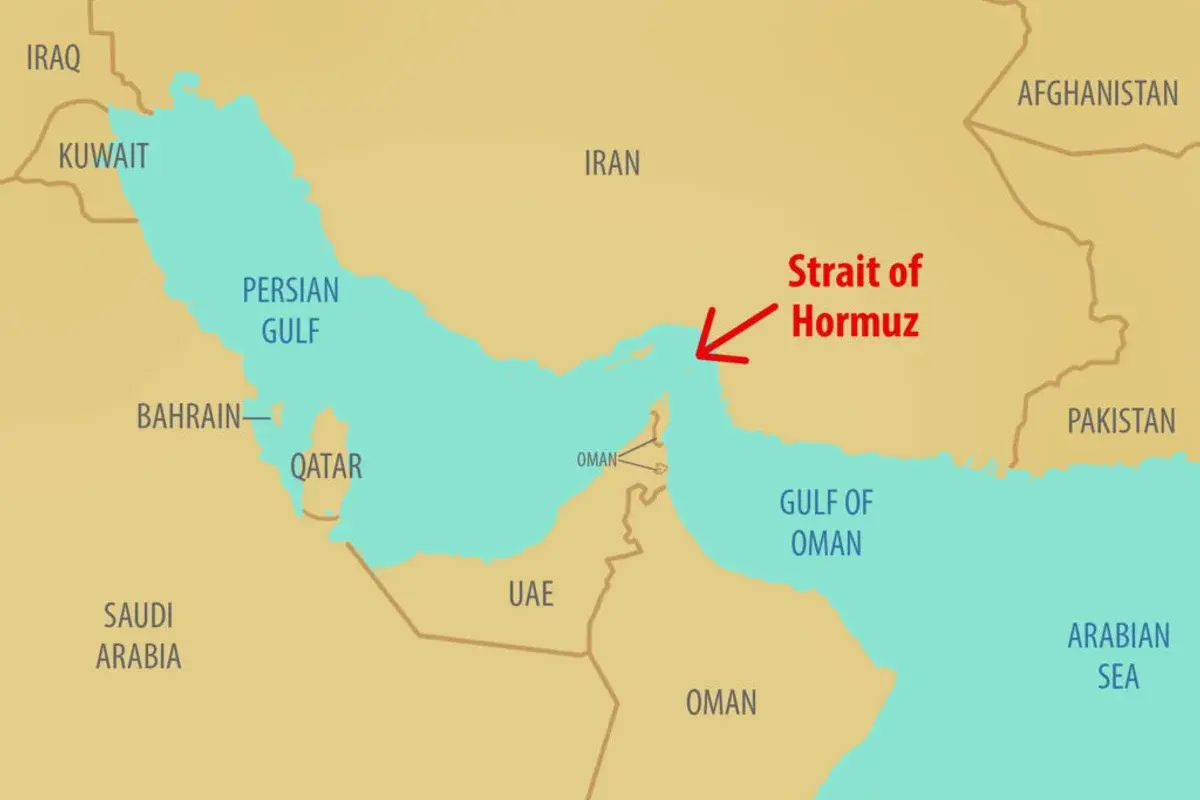
The latest escalation stems from intensified military strikes involving the United States and Israel against Iran, which commenced on February 28, 2026. Iran has retaliated with attacks targeting Gulf neighbors and threatening to close the Strait of Hormuz. This narrow waterway, situated between Iran and Oman, is a vital chokepoint through which approximately 20% of the world's oil supply and a significant portion of its natural gas transits daily. The conflict has resulted in a de facto closure for most global shipping, with commercial operators, major oil companies, and insurers largely withdrawing due to soaring insurance premiums. This actual physical risk to supply, unlike previous conflicts, is a primary driver of the current price surge. Early reports also indicate disruptions to Southern Iraqi production, with some fields halting operations as a precautionary measure. Saudi Aramco CEO Amin Nasser has described this as "the biggest crisis the region's oil and gas industry has faced".
Financial Forensics
The immediate impact of these geopolitical developments has been a sharp upward movement in crude oil prices. Brent crude surged by as much as 29% on Monday, March 10, 2026, initially testing $120 a barrel before receding to around $91-$93 per barrel by Tuesday. WTI crude similarly saw a spike to $119 per barrel. This volatility reflects the fragile balance between severe supply fears and the possibility of diplomatic de-escalation.
For India, an economy that imports nearly 85-90% of its crude oil requirements, the implications are profound. Every $1 increase in crude oil prices can add approximately $1.5 billion to $2 billion to India's annual import bill. A $10 rise in oil prices is estimated to widen the Current Account Deficit (CAD) by roughly 0.35% to 0.5% of GDP. The Indian Rupee (₹) is also under significant pressure, with forecasts suggesting it could depreciate towards ₹95 against the US Dollar if tensions persist. The Reserve Bank of India (RBI) faces a delicate balancing act, as a 10% increase in crude oil prices typically raises broad-based inflation by about 20 basis points, potentially limiting its ability to cut interest rates.
Oil Price Movement Table (March 2026)
| Crude Type | Peak Price (March 10, 2026) | Current Price (March 10, 2026) | % Change from Pre-Conflict (approx.) |
|---|---|---|---|
| Brent Crude | ~$120/barrel | ~$91-93/barrel | +25-30% |
| WTI Crude | ~$120/barrel | ~$87-90/barrel | +25-30% |
| Source: FinScann Analysis based on market reports. |
Market Impact
The escalating conflict and oil price surge have triggered a significant sell-off in equity markets. India's benchmark indices, the BSE Sensex and NSE Nifty 50, experienced sharp declines. On March 4, 2026, the Sensex fell over 1,600 points (2.06%), while the Nifty 50 slipped almost 500 points (2.01%). Earlier, on March 2, the Sensex tanked 2,743.46 points (3.37%) in early trade. This reflects global risk aversion and concerns over corporate earnings.
Sectors particularly vulnerable include:
Conversely, upstream oil exploration companies like ONGC and Oil India might see a positive correlation with crude price movements due to their revenue being directly linked to global prices, while primary costs are in ₹.
Key Takeaways for Investors
FinScann Verdict
The ongoing US-Iran conflict represents a substantial and immediate threat to global economic stability, particularly through its unprecedented impact on crude oil prices and supply chains. For India, the macroeconomic challenges are significant, encompassing inflation, currency depreciation, and pressure on corporate earnings. Investors must maintain vigilance, focusing on resilient sectors and adopting a cautious, data-driven approach to portfolio management in these uncertain times.
Q: How quickly did oil prices react to the latest escalation? A: Global oil prices reacted almost immediately. Brent crude saw a surge of up to 29.92% and WTI crude climbed as much as 31.44% on March 10, 2026, hitting nearly $120 per barrel at their peak before moderating.
Q: What is the significance of the Strait of Hormuz in this conflict? A: The Strait of Hormuz is a crucial global chokepoint. Approximately 20% of the world's daily oil supply typically transits through this narrow waterway. Its de facto closure due to the conflict has triggered fears of major supply disruptions, causing prices to soar.
Q: How is the Indian economy specifically affected by rising crude oil prices? A: As India imports 85-90% of its crude oil, higher prices directly increase its import bill, widen the Current Account Deficit, and fuel domestic inflation. This also puts significant pressure on the Indian Rupee (₹), leading to depreciation against the US Dollar.
Q: What has been the impact on the Indian stock market? A: Indian benchmark indices, the BSE Sensex and NSE Nifty 50, experienced sharp declines following the escalation, with the Sensex falling over 1,600 points on March 4, 2026, and a substantial portion of investor wealth being eroded due to broad selling pressure.
Q: Are there any historical precedents for this type of oil market disruption? A: Experts compare the current situation to significant energy market shocks like the 1973 oil embargo or the 1990-91 Gulf War, though some analysts, like Rapidan Energy Group, consider this to be the "biggest oil disruption in history" with a 20% disruption from "Gulf War III," exceeding prior records.
Disclaimer: For information only; not investment advice. Stock market investments carry risks. Please consult a SEBI-registered advisor before investing. FinScann assumes no liability for decisions made based on this report.

Financial journalist specializing in market analysis, stock research, and investment trends. Dedicated to providing accurate, timely insights for informed decision-making.
Credentials: Experienced financial journalist with expertise in equity markets and economic analysis
The information provided in this article is for educational and informational purposes only and should not be construed as financial, investment, or legal advice. Finscann does not provide personalized investment recommendations.
For detailed terms and conditions, please read our Disclaimer and Terms of Service.
The Strait of Hormuz is a narrow but strategically vital waterway located between Iran and Oman, connecting the Persian Gulf to the Gulf of Oman and...

Global markets reel as Iran-Israel-US conflict escalates in March 2026. Oil prices soar, gold surges, and Indian equities plunge amid severe Strait...

India's Russian crude imports surge 50% in March 2026 to 1.5M bpd, driven by a US waiver and Strait of Hormuz disruptions.

US–Iran conflict enters its 13th day with rising casualties and ongoing airstrikes, while global fuel prices remain stable despite Middle East...

iQOO launches Z11x in India with Dimensity 7400 Turbo chipset, 7200mAh battery, and AI cameras, targeting the competitive mid-range smartphone market.