Loading market data...
India's oil tankers gain critical access to Strait of Hormuz after Iran talks. FinScann analyzes the impact on India's energy security and global oil markets amidst West Asia tensions.
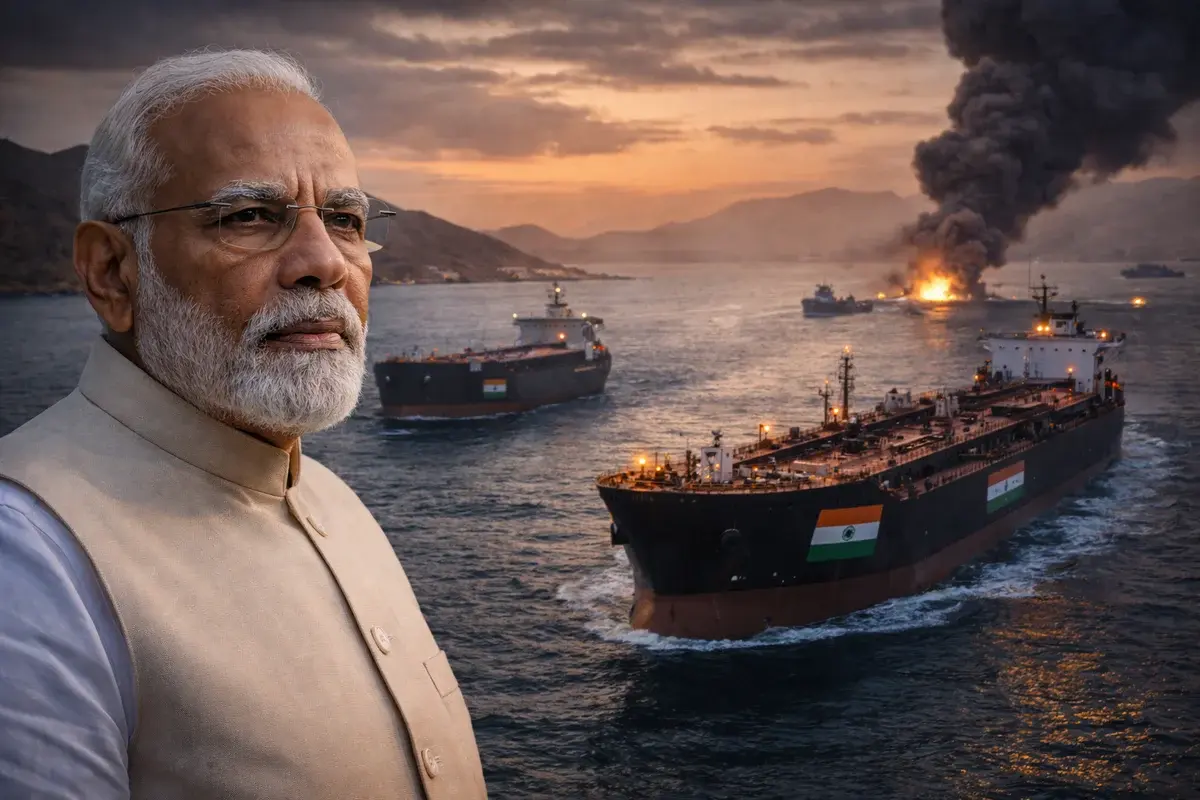
In a pivotal development for India's energy security, Iran has recently granted permission for Indian oil tankers to traverse the strategically vital Strait of Hormuz. This critical decision follows high-level diplomatic discussions between India's External Affairs Minister S. Jaishankar and Iran's Foreign Minister Abbas Araghchi, aiming to safeguard the uninterrupted flow of crude oil and natural gas to India amid escalating tensions in West Asia. The move comes as global oil markets react to increased volatility, with Brent crude prices recently topping $100 a barrel.
The Catalyst
The diplomatic breakthrough emerged from focused discussions between Minister Jaishankar and Foreign Minister Araghchi, centered on ensuring that India's substantial energy supplies remain immune to regional disruptions. This proactive engagement quickly yielded tangible results, with Indian-flagged tankers, notably Pushpak and Parimal, successfully navigating the Strait of Hormuz. This is a crucial outcome, especially in contrast to the escalating restrictions faced by vessels associated with the US, Europe, and Israel in the same contested waterway. The ability of Indian tankers to operate freely underscores the successful diplomatic maneuver in a complex geopolitical landscape, which has seen merchant ships targeted and maritime traffic significantly disrupted.
Financial Forensics
India, as the world's third-largest consumer of crude oil, relies heavily on imports, with its crude oil import dependency reaching approximately 88.3% in FY25 and an estimated 88.6% for April-January FY26. The Strait of Hormuz is the world's most critical oil chokepoint, through which a significant portion of global crude oil and natural gas shipments transit. In 2025, nearly 34% of global crude oil trade, amounting to approximately 15 million barrels per day (b/d), passed through the Strait of Hormuz, with a substantial 44% of these exports destined for China and India combined. Overall, the Strait handles approximately 20-25% of the world's seaborne oil trade and around 20% of global liquefied natural gas (LNG) trade. India's annual crude oil imports stood at 234.3 million tonnes (MT) in FY25. Any prolonged disruption to this waterway would have profound implications for global oil markets and, by extension, for India's economy, which is highly sensitive to energy price fluctuations.
Here's a snapshot of India's energy landscape and the Strait of Hormuz's role:
| Metric | Value (Latest Available) | Source |
|---|---|---|
| India's Crude Oil Import Dependency (FY25) | 88.3% | Petroleum Planning & Analysis Cell (PPAC) |
| Global Crude Oil Transiting Strait of Hormuz (2025) | ~34% | IEA, Saur Energy |
| India's Crude Oil Imports (FY25) | 234.3 Million Tonnes | PPAC |
| Indian Crude Oil Imports via Strait of Hormuz | ~50% | Kpler, Upstox, The Quint |
Market Impact
The assured passage for Indian tankers through the Strait of Hormuz provides immediate stability to India's energy supply chains. This development is expected to mitigate potential upward pressure on domestic crude oil and liquefied natural gas (LNG) prices, offering some relief to Indian industries and consumers already grappling with inflationary trends. The Sensex and Nifty could see a positive sentiment lift, as reduced supply uncertainty in such a critical commodity typically bolsters investor confidence. Moreover, the stability in energy imports helps in managing India's trade deficit and maintaining the Rupee's exchange rate stability. A closure of the Strait could cause global oil prices to increase and risk destabilizing the global economy.
Key Takeaways
FinScann Verdict
FinScann analysis indicates that securing unfettered access to the Strait of Hormuz is a monumental win for India, providing a critical buffer against the volatile geopolitical climate in West Asia. While global oil markets remain sensitive to regional conflicts, this diplomatic achievement ensures essential energy flows, stabilizing domestic economic factors. Investors should view this as a positive de-risking factor for India's long-term growth trajectory, though continued vigilance on global energy developments is paramount.
Q: Why is the Strait of Hormuz critical for India? A: The Strait of Hormuz is critical for India because approximately 50% of India's crude oil imports and a significant portion of its natural gas imports transit this narrow waterway. Any disruption here directly impacts India's energy security, supply chains, and domestic fuel prices.
Q: How do West Asian tensions affect India's energy security? A: West Asian tensions severely affect India's energy security by threatening the safe passage of oil and gas through critical maritime chokepoints like the Strait of Hormuz. Disruptions can lead to higher import costs, supply chain delays, and increased inflationary pressure on the Indian economy.
Q: What was the role of diplomatic talks in this development? A: Diplomatic talks between India's External Affairs Minister S. Jaishankar and Iran's Foreign Minister Abbas Araghchi were instrumental in securing Iran's permission for Indian oil tankers to use the Strait of Hormuz. These high-level discussions directly aimed at ensuring uninterrupted energy supplies to India amidst regional conflicts.
Q: Will this impact crude oil prices for India? A: The assured passage for Indian tankers through the Strait of Hormuz helps to stabilize India's crude oil supply, thereby mitigating potential upward pressure on prices for Indian consumers and industries. Without this access, alternative, longer, and costlier routes would be necessary, leading to higher prices.
Q: Which Indian vessels successfully transited the Strait? A: Indian-flagged tankers named Pushpak and Parimal successfully transited the Strait of Hormuz following the diplomatic talks. Another vessel loaded with Saudi Arabian crude from Ras Tanura also successfully transited on March 8, briefly vanishing from tracking radars before resurfacing.
Disclaimer: For information only; not investment advice. Stock market investments carry risks. Please consult a SEBI-registered advisor before investing. FinScann assumes no liability for decisions made based on this report.

Financial journalist specializing in market analysis, stock research, and investment trends. Dedicated to providing accurate, timely insights for informed decision-making.
Credentials: Experienced financial journalist with expertise in equity markets and economic analysis
The information provided in this article is for educational and informational purposes only and should not be construed as financial, investment, or legal advice. Finscann does not provide personalized investment recommendations.
For detailed terms and conditions, please read our Disclaimer and Terms of Service.
Global markets reel as Iran-Israel-US conflict escalates in March 2026. Oil prices soar, gold surges, and Indian equities plunge amid severe Strait...
India's Russian crude imports surge 50% in March 2026 to 1.5M bpd, driven by a US waiver and Strait of Hormuz disruptions.

US–Iran conflict enters its 13th day with rising casualties and ongoing airstrikes, while global fuel prices remain stable despite Middle East...

iQOO launches Z11x in India with Dimensity 7400 Turbo chipset, 7200mAh battery, and AI cameras, targeting the competitive mid-range smartphone market.
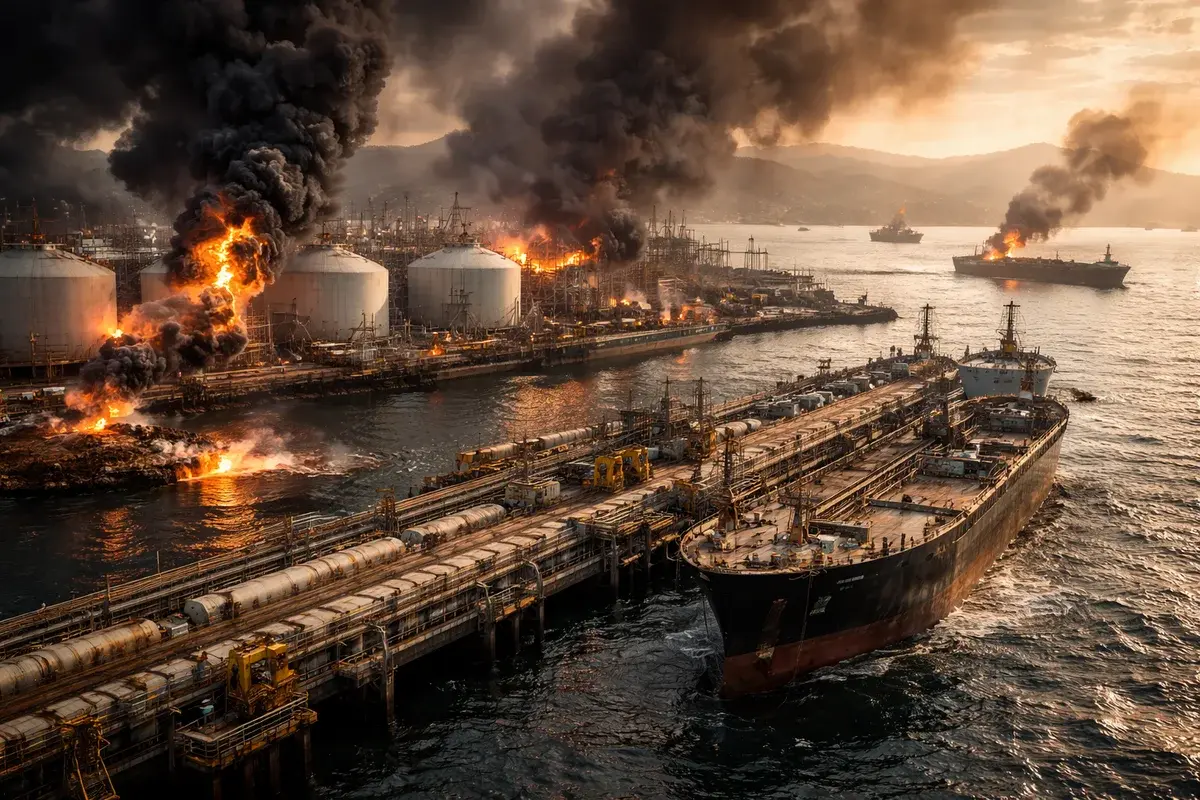
Global oil markets face renewed volatility as Oman evacuates its key Mina Al Fahal export terminal following tanker attacks in Iraqi waters.