Loading market data...
Silver prices soar over 3% in March 2026 as Middle East tensions escalate and a weaker US dollar fuels safe-haven demand. FinScann analyzes the market impact.
Silver prices witnessed a significant 3.3% surge on Thursday, March 5, 2026, on the Multi Commodity Exchange (MCX), reaching ₹2,74,251 per kilogram. This sharp uptick, alongside a 1% rise in gold prices to ₹1,63,142 per 10 grams, signals a pronounced shift towards safe-haven assets amidst escalating geopolitical tensions in the Middle East and a weakening US dollar. The ongoing conflict has sparked considerable concern over global energy supply routes, particularly the crucial Strait of Hormuz, driving investors to traditional stores of value.
The Catalyst
The primary driver behind the current rally in precious metals is the intensifying conflict in the Middle East. Recent coordinated US and Israeli strikes on Iranian targets have triggered retaliatory actions, raising fears of a broader regional conflict. This escalating geopolitical uncertainty is directly impacting global energy supply chains. The Strait of Hormuz, a vital maritime chokepoint through which approximately 20-25% of the world's oil supply and a significant portion of liquefied natural gas (LNG) transit, faces potential disruptions. A prolonged closure or even threats to this waterway could lead to severe inflationary effects globally, including in India, due to higher input costs across various sectors.
Compounding this effect is the weaker US dollar. When the dollar depreciates, dollar-denominated commodities like silver and gold become more affordable for holders of other currencies, thereby boosting demand. While the US Dollar Index (DXY) has shown some recent firming, forecasts generally anticipate a gradual dollar weakness through 2026 due to potential Federal Reserve rate cuts. This dual pressure of geopolitical risk and a softer dollar creates a potent environment for precious metal appreciation.
Financial Forensics
The data from March 5, 2026, clearly illustrates the robust performance of silver and gold.
MCX and Global Precious Metal Prices (March 5, 2026, 0101 GMT)
| Commodity | Exchange/Market | Price | Daily Change | Previous Close (approx.) |
|---|---|---|---|---|
| Silver | MCX | ₹2,74,251 per kg | +3.3% | ₹2,65,480 per kg (estimated) |
| Gold | MCX | ₹1,63,142 per 10 grams | +1% | ₹1,61,525 per 10 grams (estimated) |
| Spot Silver | Global Market | $84.43 per ounce | +1.2% | $83.43 per ounce (estimated) |
| Spot Gold | Global Market | $5,176.69 per ounce | +0.8% | $5,135 per ounce (estimated) |
| US Gold Futures (April) | US Market | +1% | +1% | - |
Note: Previous close values are approximate based on reported daily changes and nearby dates. MCX May futures for silver eased to ₹2,65,318/kg after a peak of ₹2,72,248/kg, reflecting profit-taking. US gold futures for April delivery also saw a 1% rise.
This surge on March 5, 2026, follows a period of notable volatility. Silver prices on MCX had earlier touched highs close to ₹3 lakh per kg in early March before some profit-taking. On March 4, 2026, spot silver had climbed 2.06% in India, with 1 kg of silver at ₹2,71,110. Similarly, gold prices on MCX reclaimed the ₹1.63 lakh mark on March 4, tracking positive global cues driven by Middle East tensions.
Market Impact
The sustained rally in silver and gold underscores a significant shift in investor sentiment, gravitating towards safer assets. This trend typically leads to increased volatility in commodity markets as investors react swiftly to geopolitical developments. For the Indian markets, this rise in precious metal prices is likely to have a cascading effect, notably impacting inflation and consumer spending. India, being a major importer of crude oil, is particularly vulnerable to disruptions in global energy supply, with nearly half of its crude oil imports and about 60% of its natural gas supplies moving through the Strait of Hormuz. Higher crude oil prices directly contribute to increased input costs for various industries, potentially exacerbating inflationary pressures across the economy.
Indian equity benchmarks, including the Sensex and Nifty, have already been under pressure and experienced declines in early March 2026 due to these geopolitical tensions and rising oil prices. Investors are expected to maintain a cautious stance, closely monitoring the unfolding situation and its potential impact on broader market indices.
Key Takeaways for Investors
FinScann Verdict
The current surge in silver prices and gold prices is a clear indicator of heightened global uncertainty. While the immediate catalysts are geopolitical tensions in the Middle East and a weaker US dollar, the underlying demand for safe-haven assets remains robust. FinScann advises investors to stay agile, monitor geopolitical developments closely, and consider strategic diversification in their portfolios to navigate these turbulent times.
Q: What is driving the recent surge in silver and gold prices in March 2026? A: The primary drivers are escalating geopolitical tensions in the Middle East, particularly concerns over the Strait of Hormuz impacting global energy supply, and a weaker US dollar making dollar-denominated commodities more attractive.
Q: How do geopolitical tensions in the Middle East affect commodity prices like silver and gold? A: Geopolitical tensions typically increase demand for safe-haven assets like silver and gold as investors seek to protect their capital from market volatility and economic uncertainty. Additionally, conflicts in key oil-producing regions can disrupt supply chains, driving up energy prices, which in turn can lead to broader inflationary pressures that precious metals traditionally hedge against.
Q: What is the significance of the Strait of Hormuz in this context? A: The Strait of Hormuz is a crucial maritime chokepoint through which a substantial portion of the world's crude oil and LNG passes. Any threat or disruption to shipping through this strait can severely impact global energy supply, leading to significant spikes in oil and natural gas prices, and consequently, higher inflation worldwide.
Q: Is silver a better investment than gold during times of crisis? A: Both silver and gold are considered safe-haven assets. Gold is often seen as the ultimate store of value with lower volatility, while silver, with its dual role as an industrial metal and investment asset, can offer higher upside but also comes with greater volatility. During crises, gold typically performs best in systemic and monetary crises, while silver's performance can be more dynamic.
Q: How does a weaker US dollar impact precious metals in India? A: A weaker US dollar generally makes dollar-denominated assets like gold and silver cheaper for investors holding other currencies, including the Indian Rupee, thereby increasing their demand. This can lead to higher prices for these metals in the Indian market, especially if the rupee weakens against the dollar simultaneously.
Disclaimer: For information only; not investment advice. Stock market investments carry risks. Please consult a SEBI-registered advisor before investing. FinScann assumes no liability for decisions made based on this report.

Financial journalist specializing in market analysis, stock research, and investment trends. Dedicated to providing accurate, timely insights for informed decision-making.
Credentials: Experienced financial journalist with expertise in equity markets and economic analysis
The information provided in this article is for educational and informational purposes only and should not be construed as financial, investment, or legal advice. Finscann does not provide personalized investment recommendations.
For detailed terms and conditions, please read our Disclaimer and Terms of Service.
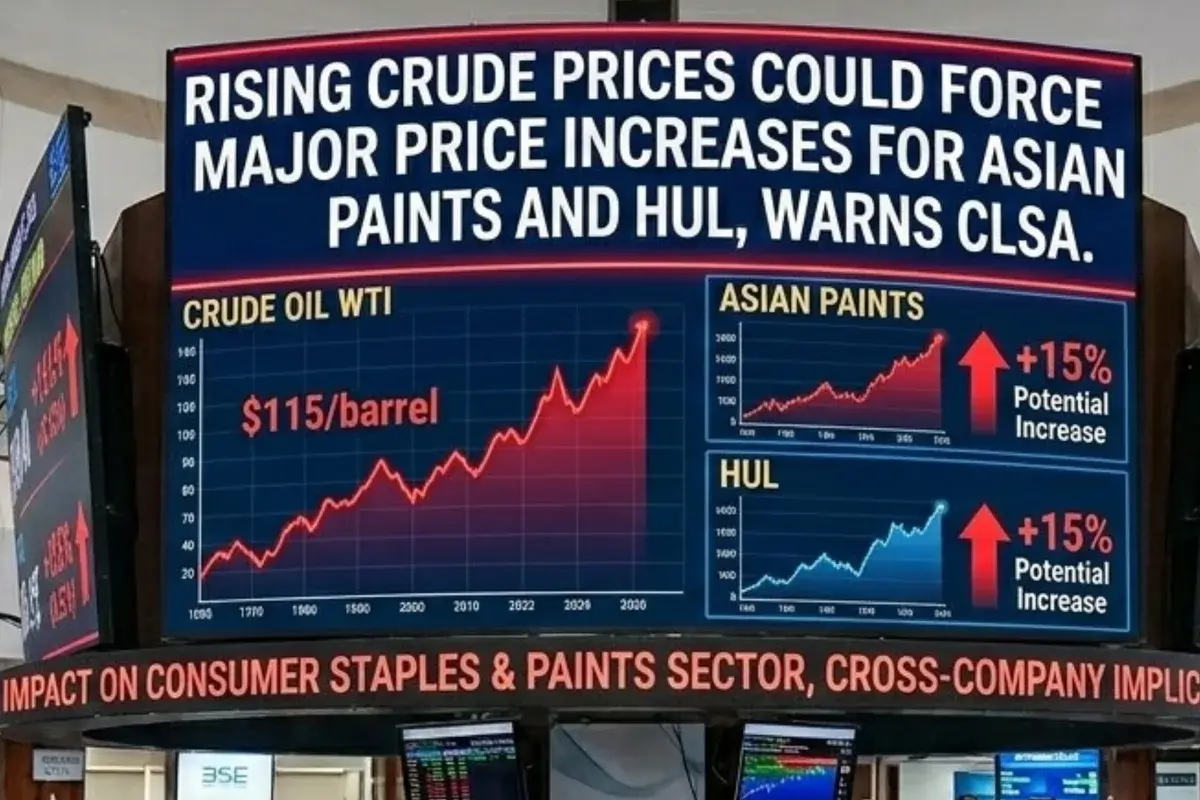
Surging crude oil prices could force major price increases for Indian giants Asian Paints and HUL, warns CLSA.
Gold prices on MCX soar to ₹1.64 lakh in March 2026, driven by intense US-Iran tensions. FinScann analyzes safe-haven demand and future outlook for...
In-depth crude oil analysis for March 4, 2026. Explore Brent and WTI price forecasts, geopolitical risks, OPEC dynamics, inventory trends, technical...
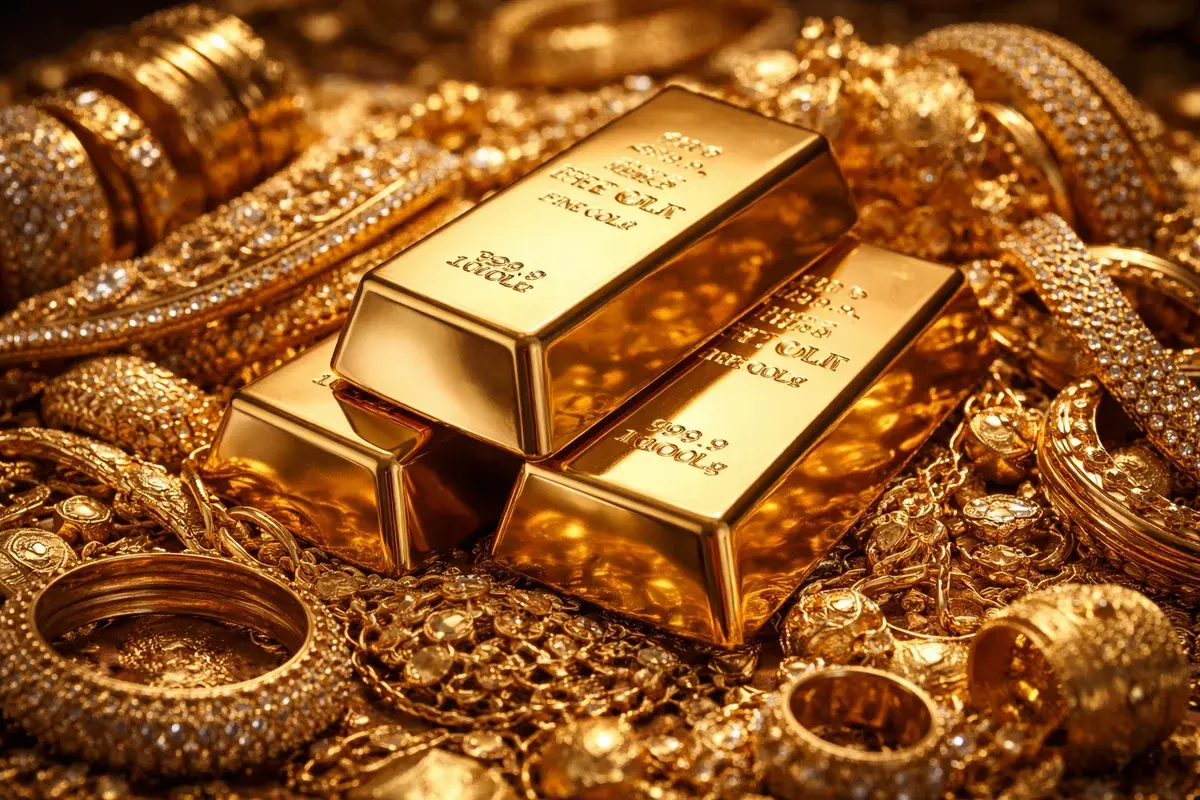
Gold futures drop 3% and silver crashes 6% on MCX as US dollar strength outweighs geopolitical tensions.
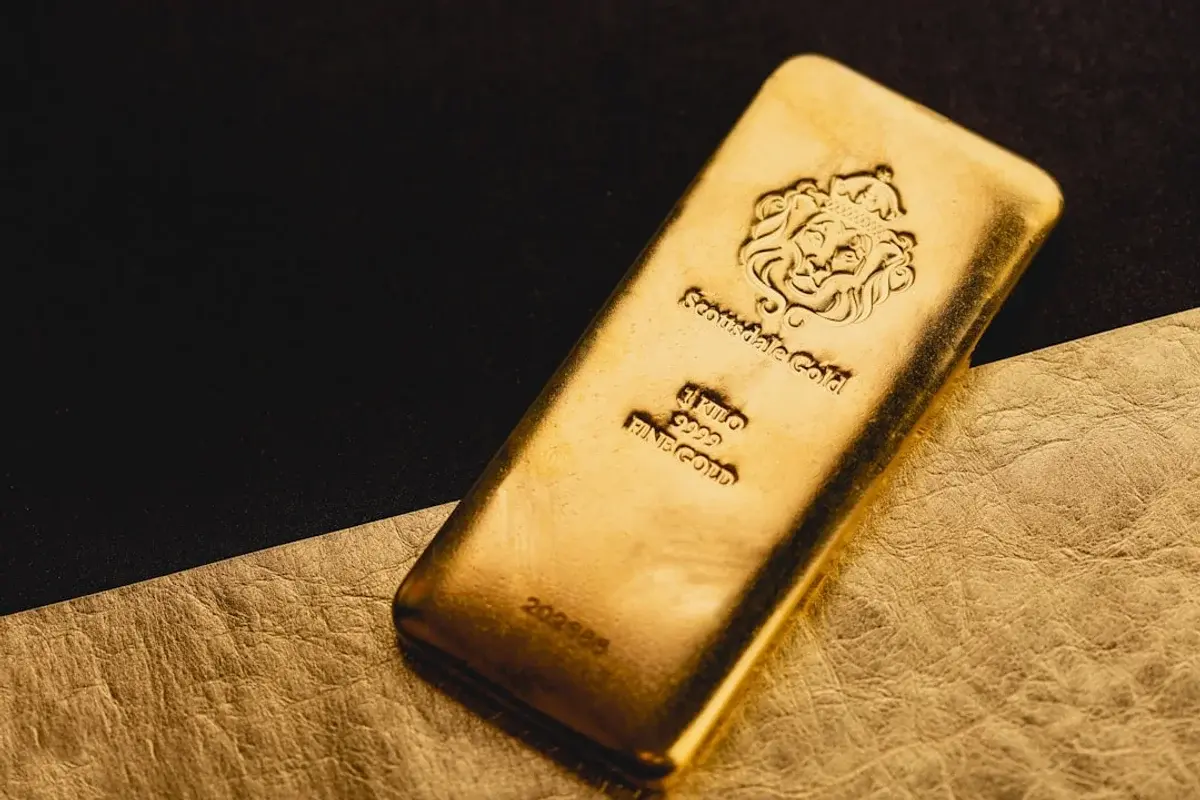
Gold prices soared in March 2026, with COMEX reaching $5,400/oz and MCX over ₹1,67,900/10g, driven by escalating Iran war tensions.