Loading market data...
Gold prices on MCX soar to ₹1.64 lakh in March 2026, driven by intense US-Iran tensions. FinScann analyzes safe-haven demand and future outlook for Indian investors.
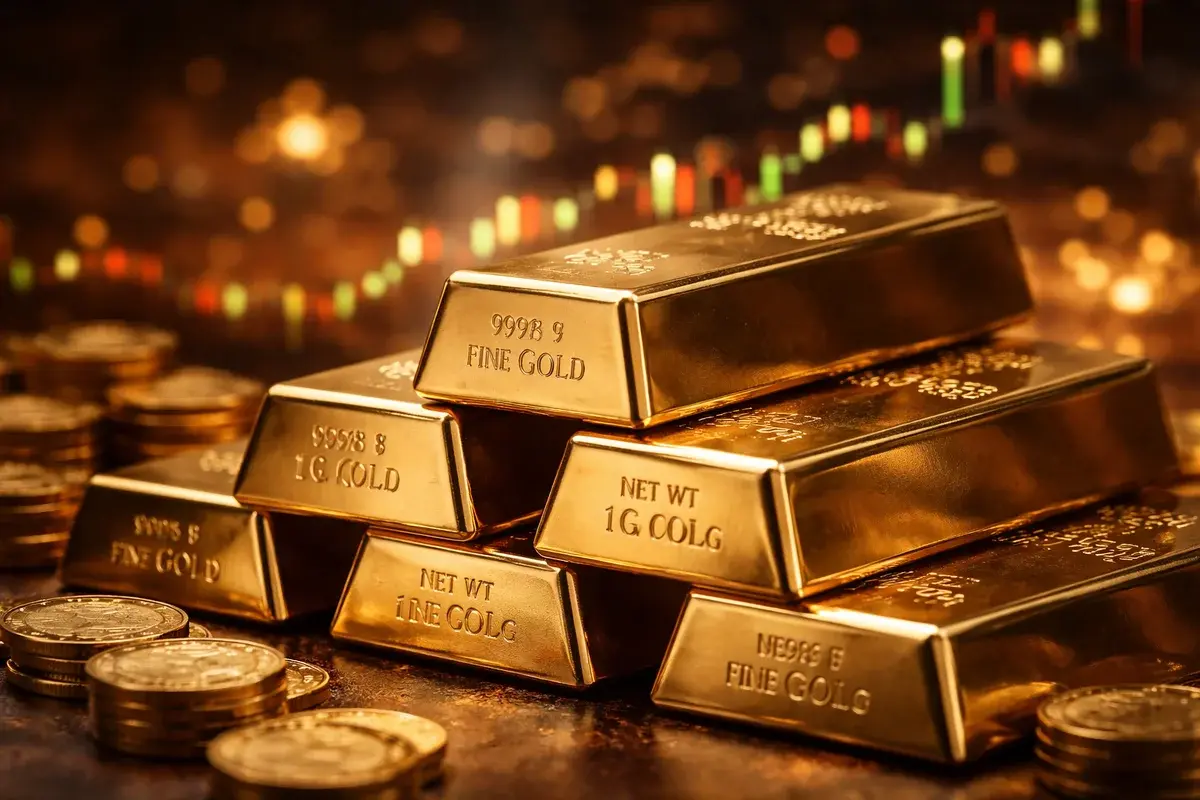
Gold prices on the Multi Commodity Exchange (MCX) have witnessed a significant surge, with the April 2026 futures contract nearing the ₹1.64 lakh per 10 grams mark, propelled primarily by robust safe-haven demand. This sharp uptick comes as escalating geopolitical tensions between the United States and Iran continue to roil global markets, pushing investors towards the traditional safety of the yellow metal. As of March 4, 2026, 24K gold in India was quoted around ₹164,050 per 10 grams, marking a substantial gain over its previous close. The sustained conflict has triggered a flight to safety, making gold a crucial hedge against the prevailing uncertainties.
The Catalyst
The primary driver behind the current rally in gold prices is the intensifying geopolitical friction between the US and Iran, which has translated into heightened global instability. Reports on March 4, 2026, indicated that the US-Israeli conflict with Iran had entered its fifth day, with military strikes and threats disrupting key energy supply routes like the Strait of Hormuz. This military escalation has immediate and far-reaching consequences, increasing the probability of supply chain disruptions, regional instability, and broader financial volatility.
Historically, gold has proven to be a reliable store of value during such crises. For instance, the 2020 US-Iran tensions led to immediate gains of 3.4% in gold prices, expanding to 9.1% over three months, and culminating in an impressive 24.6% annual appreciation. The current situation mirrors these past instances, with investors actively seeking protective measures against the uncertainty. Furthermore, the threat of rising crude oil prices due to potential supply disruptions adds to inflation fears, further bolstering gold's appeal as an inflation hedge.
Financial Forensics
The Multi Commodity Exchange (MCX) has been a focal point for this rally. On March 4, 2026, the gold April 2026 futures contract on MCX traded at approximately ₹1,63,594 per 10 grams, registering an impressive gain of ₹2,486 or 1.54% from its previous close. It even touched an intraday high of ₹1,63,800 per 10 grams. Longer-duration contracts also reflected this bullish sentiment, with the June 2026 contract at ₹1,67,243 per 10 grams and the August 2026 contract at ₹1,71,414 per 10 grams, indicating sustained market confidence in the precious metal's upward trajectory.
Internationally, spot gold prices have surged past the $5,350 per ounce mark, with some analysts projecting potential moves towards the $6,000-$6,500 range under prolonged conflict scenarios. The global turmoil has contributed to spot gold prices jumping 19% year-to-date, following a 64% surge in 2025.
The domestic gold market in India is also influenced by the depreciation of the Indian Rupee (₹) against the US Dollar. As gold is primarily imported and priced in US dollars, a weaker rupee increases the cost of gold for Indian buyers, amplifying the domestic price surge. This confluence of global safe-haven demand and local currency dynamics creates a potent bullish environment for Indian gold rates.
Here's a snapshot of gold rates in major Indian cities as of March 4-5, 2026:
| City | 24K Gold Rate (₹/10 grams) (March 4, 2026) | 22K Gold Rate (₹/10 grams) (March 4, 2026) |
|---|---|---|
| Delhi | ₹1,64,660 | ₹1,50,950 |
| Mumbai | ₹1,64,510 | ₹1,50,800 |
| Chennai | ₹1,65,820 | ₹1,52,000 |
| Kolkata | ₹1,64,510 | ₹1,50,080 |
| Bengaluru | ₹1,64,510 | ₹1,50,800 |
| Hyderabad | ₹1,64,510 | ₹1,50,800 |
Source: FinScann analysis based on market data from March 4-5, 2026
Market Impact
The sustained rally in gold prices signifies a broad defensive rotation by investors, shifting capital away from risk assets like equities towards safer alternatives. This sentiment is further underscored by the strengthening gold-to-S&P 500 ratio. While the US Dollar typically competes with gold for safe-haven flows, periods of intense geopolitical risk can see both assets gaining simultaneously as investors seek protection against market volatility.
Silver prices have also seen an upward trend, though with potentially higher volatility due to its industrial demand component. On March 4, 2026, MCX silver for May 2026 delivery surged by ₹6,115 or 2.30% to trade at ₹2,71,433 per kg, often mirroring gold's movements once the initial safe-haven rally is underway.
For Indian investors, this trend reinforces gold's enduring appeal, not just as a cultural asset but as a critical component for portfolio diversification and wealth preservation, especially in an environment marked by global uncertainty. Leading jewelry tycoons like Joy Alukkas anticipate gold prices to continue their upward trajectory over the next two to three years, citing persistent geopolitical and economic risks.
Key Takeaways
FinScann Verdict
The current surge in gold prices on the MCX is a clear indicator of heightened investor anxiety stemming from ongoing US-Iran geopolitical tensions. FinScann analysis suggests that while short-term corrections are possible, the fundamental drivers of safe-haven demand, coupled with inflationary pressures and central bank accumulation, point to a sustained bullish outlook for gold in March 2026 and beyond. Investors should consider maintaining a strategic allocation to gold as a critical diversification tool in their portfolios.
Q: Why is gold considered a safe-haven asset? A: Gold is considered a safe-haven asset because it tends to retain or increase its value during times of economic and geopolitical instability. Investors flock to gold when other assets, such as stocks and fiat currencies, become volatile or lose trust, viewing it as a reliable store of value and a hedge against inflation and currency devaluation.
Q: How do geopolitical tensions specifically affect gold prices? A: Geopolitical tensions directly impact gold prices by increasing global uncertainty and risk aversion. When conflicts or crises arise, investors typically move away from riskier assets and into tangible, universally accepted assets like gold. This increased demand, coupled with potential disruptions to global trade and energy supplies (leading to inflation), drives up gold prices.
Q: Should Indian investors increase their allocation to gold now? A: Many financial experts suggest that investors may consider allocating around 8-12%, and potentially up to 10-15% of their overall portfolio to precious metals like gold during periods of geopolitical uncertainty. Given the persistent global risks and gold's historical performance as a hedge, adding or maintaining a strategic allocation to gold can provide stability and act as an insurance against market downturns.
Q: What is the outlook for gold prices in 2026? A: The outlook for gold prices in 2026 remains bullish, with projections for MCX gold potentially reaching ₹1,72,000 to ₹1,80,000 per 10 grams if geopolitical tensions persist. The World Gold Council also anticipates continued positive momentum through 2026 due to persistent geopolitical uncertainties, softer economic growth, and ongoing central bank buying. Billionaire Joy Alukkas, holding 16,000 kilos of gold, forecasts prices to continue rising over the next two to three years.
Q: How does the Indian Rupee's value impact domestic gold prices? A: The Indian Rupee's value plays a significant role in determining domestic gold prices. Since India largely imports gold and international gold is priced in US Dollars, a depreciation of the Rupee against the Dollar makes imported gold more expensive in Indian currency terms. This amplifies the effect of global price increases, causing Indian gold rates to rise even more sharply.
Disclaimer: For information only; not investment advice. Stock market investments carry risks. Please consult a SEBI-registered advisor before investing. FinScann assumes no liability for decisions made based on this report.

Financial journalist specializing in market analysis, stock research, and investment trends. Dedicated to providing accurate, timely insights for informed decision-making.
Credentials: Experienced financial journalist with expertise in equity markets and economic analysis
The information provided in this article is for educational and informational purposes only and should not be construed as financial, investment, or legal advice. Finscann does not provide personalized investment recommendations.
For detailed terms and conditions, please read our Disclaimer and Terms of Service.
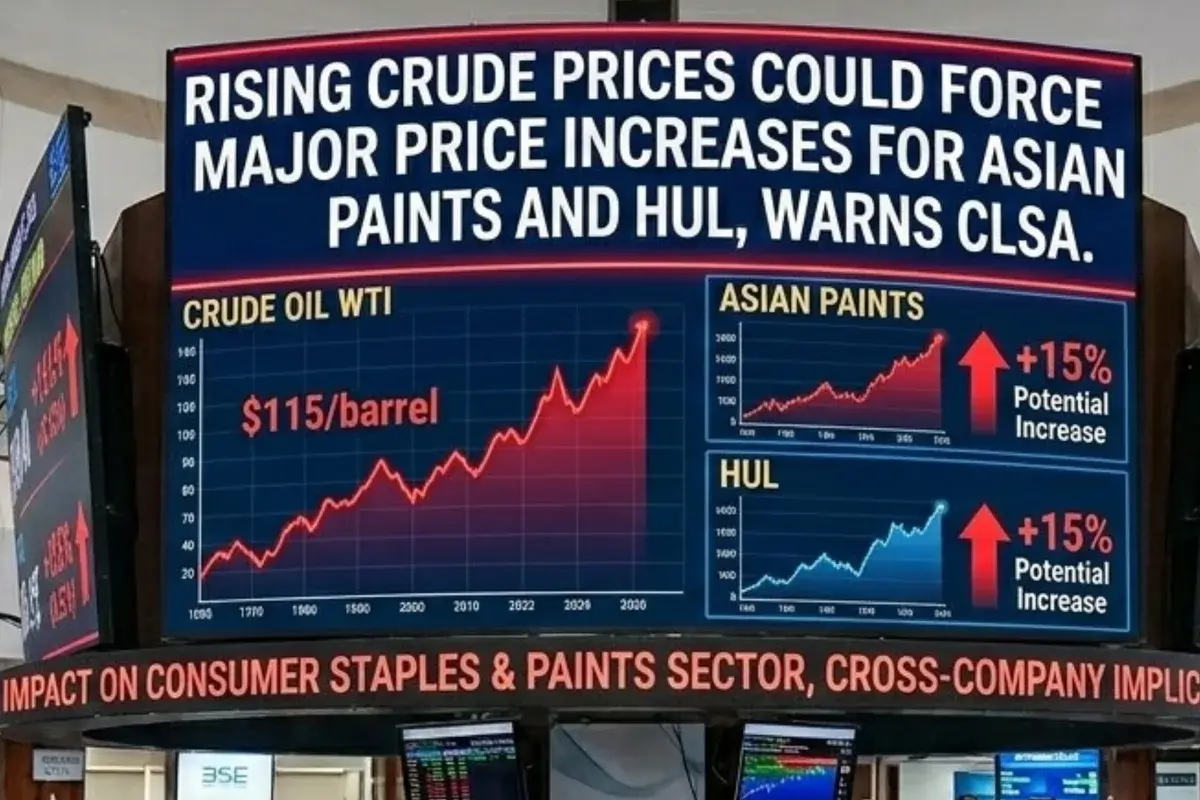
Surging crude oil prices could force major price increases for Indian giants Asian Paints and HUL, warns CLSA.
Silver prices soar over 3% in March 2026 as Middle East tensions escalate and a weaker US dollar fuels safe-haven demand.

In-depth crude oil analysis for March 4, 2026. Explore Brent and WTI price forecasts, geopolitical risks, OPEC dynamics, inventory trends, technical...
Gold futures drop 3% and silver crashes 6% on MCX as US dollar strength outweighs geopolitical tensions.
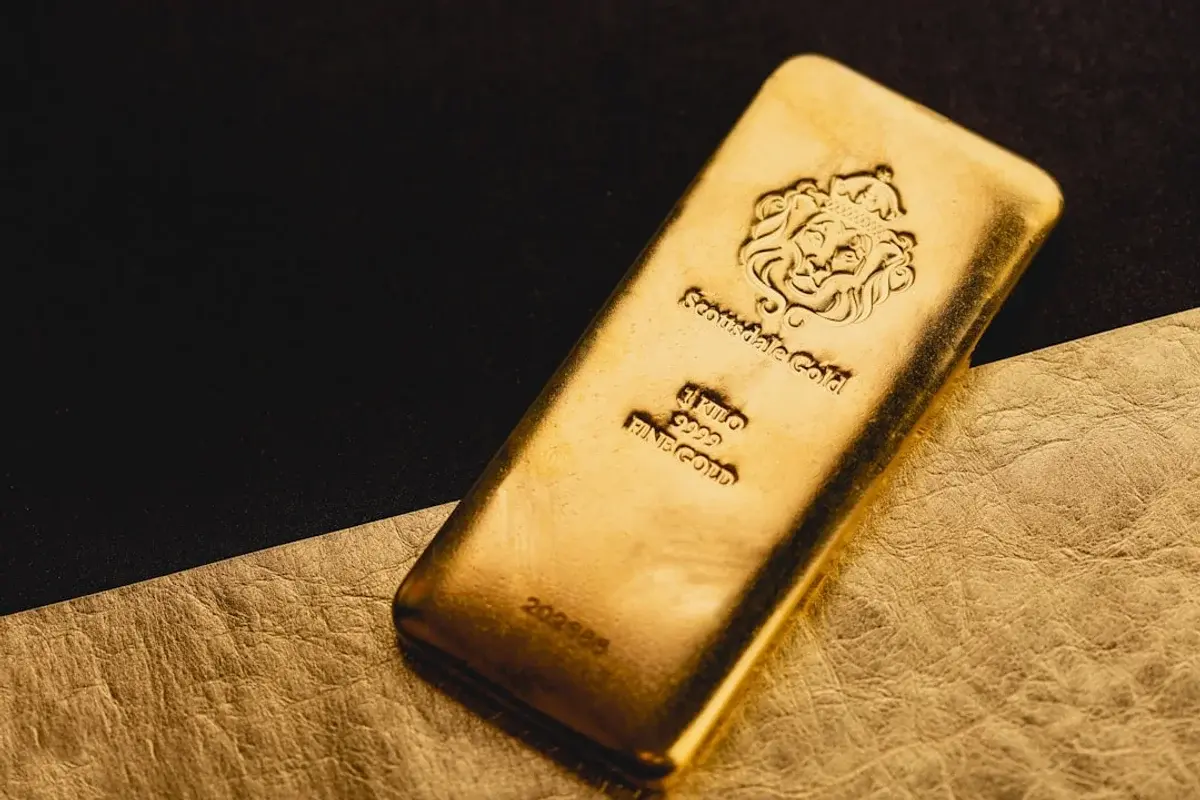
Gold prices soared in March 2026, with COMEX reaching $5,400/oz and MCX over ₹1,67,900/10g, driven by escalating Iran war tensions.