Loading market data...
SoftBank’s plan to secure a record $40 billion loan highlights the accelerating pace of investment across the artificial intelligence sector. As companies compete to build next-generation AI infrastructure and platforms, massive capital flows are reshaping the technology landscape. The proposed financing underscores how startup funding, market expansion, and evolving business strategy are driving industry growth in the AI economy. For investors tracking financial performance, investment trends, and the broader sector outlook, SoftBank’s expanding commitment to OpenAI illustrates the scale of the global race to dominate artificial intelligence.
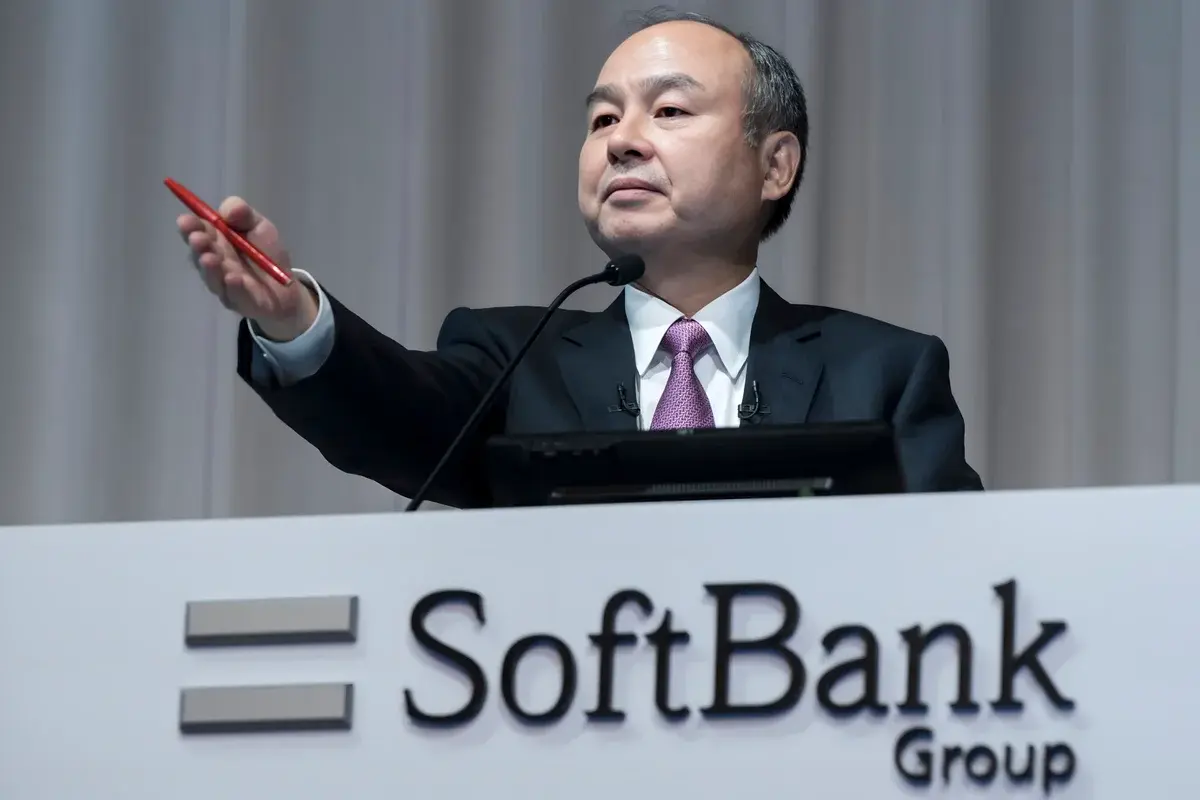
Japanese technology investor SoftBank Group is reportedly preparing one of the largest financing moves in the history of artificial intelligence investment. The company, led by billionaire founder and CEO Masayoshi Son, is seeking a record $40 billion loan to significantly expand its stake in AI powerhouse OpenAI.
The proposed financing structure is expected to take the form of a 12-month bridge loan, underwritten by a consortium of global banks including JPMorgan Chase & Co.. If finalized, the transaction would represent SoftBank’s largest dollar-denominated borrowing ever, underscoring the company’s aggressive push to position itself at the center of the rapidly evolving artificial intelligence ecosystem.
The move reflects SoftBank’s long-standing strategy of making high-conviction bets on transformative technologies. With AI emerging as one of the most critical technological shifts since the internet, the company is now doubling down on its exposure to OpenAI one of the world’s most influential AI developers.
SoftBank’s proposed financing is designed to support a massive expansion of its investment in OpenAI, reinforcing the Japanese conglomerate’s commitment to artificial intelligence as a central pillar of its future strategy.
According to reports, the company plans to invest an additional $30 billion into OpenAI, on top of the $30 billion it has already committed. The loan would act as a short-term bridge financing instrument, allowing SoftBank to deploy capital quickly while potentially arranging longer-term financing later.
The strategy reflects CEO Masayoshi Son’s belief that AI will redefine industries ranging from finance and healthcare to manufacturing and digital services.
| Metric | Details |
|---|---|
| Company | SoftBank Group |
| Proposed Loan | $40 Billion |
| Loan Type | 12-month bridge loan |
| Lead Bank | JPMorgan Chase & Co. |
| Planned Additional Investment in OpenAI | $30 Billion |
| Total Committed Investment | ~$60 Billion |
This financing plan highlights SoftBank’s willingness to take bold financial risks in order to secure strategic influence in the global AI race.
SoftBank’s growing exposure to OpenAI reflects the startup’s transformation into one of the most important players in artificial intelligence.
Founded with the mission of developing safe and beneficial AI technologies, OpenAI has become globally recognized for products such as ChatGPT, enterprise AI tools, and advanced large language models that power a wide range of applications.
By December 2025, SoftBank had accumulated roughly an 11% ownership stake in OpenAI, positioning it among the company’s largest investors.
Within SoftBank’s broader portfolio, OpenAI now ranks alongside Arm Holdings the British semiconductor design company in which SoftBank holds approximately 90% ownership as one of its most strategically important technology investments.
| Investment Metric | Data |
|---|---|
| SoftBank Stake in OpenAI | ~11% |
| Existing OpenAI Commitment | ~$30 Billion |
| Additional Planned Investment | $30 Billion |
| Major Portfolio Asset | Arm Holdings |
| Core Sector | Artificial Intelligence |
The surge in global demand for AI solutions has significantly boosted OpenAI’s valuation and strategic importance in the global technology ecosystem.
To finance its expanding AI ambitions, SoftBank has also been actively restructuring its investment portfolio.
Reports indicate the company has sold part of its holdings in NVIDIA, one of the world’s leading chip manufacturers and a critical supplier of hardware used for AI computing infrastructure.
Nvidia’s graphics processing units (GPUs) power many of the world’s most advanced AI models, including those used in generative AI platforms and large-scale machine learning systems.
SoftBank’s decision to partially exit its Nvidia position reflects a broader strategy of rotating capital across the technology sector, reallocating funds from mature investments toward emerging high-growth opportunities such as artificial intelligence platforms.
| Portfolio Strategy | Details |
|---|---|
| Nvidia Stake | Partially sold |
| Reason | Capital reallocation |
| Strategic Focus | Artificial Intelligence |
| Investment Model | High-conviction technology bets |
| Key Objective | Long-term AI leadership |
The move illustrates how major technology investors are repositioning their portfolios to capitalize on the explosive growth of AI.
SoftBank’s massive financing plan comes amid an unprecedented wave of investment in artificial intelligence worldwide.
Technology giants and venture capital firms are racing to fund AI infrastructure, advanced computing platforms, and next-generation software models capable of transforming business operations.
Major players in the AI ecosystem now include OpenAI, Microsoft, Google, and Anthropic, each investing billions to accelerate development of advanced AI systems.
The global AI market is projected to grow rapidly as businesses adopt AI to automate workflows, analyze massive datasets, and build intelligent digital products.
| Market Indicator | Data |
|---|---|
| AI Market Growth | Rapid global expansion |
| Key Technology Segments | Generative AI, cloud AI, automation |
| Major Competitors | Microsoft, Google, Anthropic |
| Investment Trend | Multi-billion dollar funding rounds |
| Strategic Importance | Core digital infrastructure |
This surge in investment signals that AI is becoming a foundational technology shaping the next phase of global economic growth.
SoftBank’s potential $40 billion loan highlights the company’s renewed confidence in large-scale technology investments after several volatile years for its Vision Fund portfolio.
Masayoshi Son has historically been known for making bold bets on emerging technologies most notably his early investment in Alibaba Group, which generated massive returns and helped establish SoftBank as one of the world’s most influential technology investors.
However, the scale of the proposed borrowing also introduces new financial risks. Large loans can increase leverage, making SoftBank more sensitive to fluctuations in technology valuations and global capital markets.
Still, many analysts believe that if AI continues its rapid growth trajectory, SoftBank’s early and aggressive positioning could deliver substantial long-term returns.

Financial journalist specializing in market analysis, stock research, and investment trends. Dedicated to providing accurate, timely insights for informed decision-making.
Credentials: Experienced financial journalist with expertise in equity markets and economic analysis
The information provided in this article is for educational and informational purposes only and should not be construed as financial, investment, or legal advice. Finscann does not provide personalized investment recommendations.
For detailed terms and conditions, please read our Disclaimer and Terms of Service.

Amid escalating US-Iran conflict and a full closure of the Strait of Hormuz, crude oil prices surge.

Explore the breaking financial impact of escalating US-Iran tensions on India's economy, crude oil, gold prices, and global markets in March 2026.

China suspends new fuel export contracts as global oil markets tighten due to Middle East tensions and shipping disruptions in the Strait of Hormuz.

Anthropic CEO Dario Amodei critiques OpenAI's Pentagon deal, labeling it deceptive. FinScann analyzes the implications for AI ethics, defense tech,...
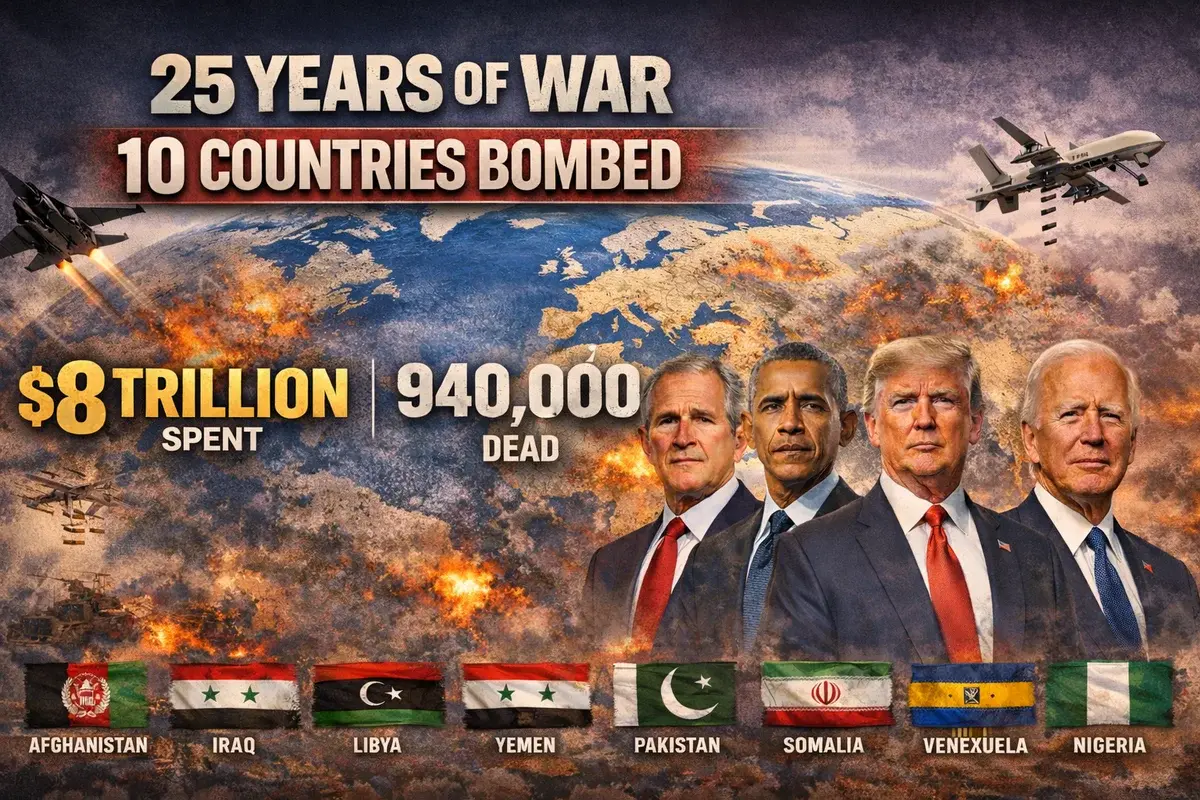
US's post-9/11 military engagements across 10+ countries, detailing the $8 trillion financial cost, human toll, and market impact.