Loading market data...
The recent volatility in gold and silver prices highlights how evolving global market conditions are reshaping traditional safe haven assets. Geopolitical tensions, interest rate policies, and shifting investment trends are influencing the performance of precious metals in ways that challenge historical patterns. As investors navigate changing financial landscapes, precious metals remain a key component of global commodity markets, but their role within modern investment strategies continues to evolve amid broader industry growth and shifting sector outlook.
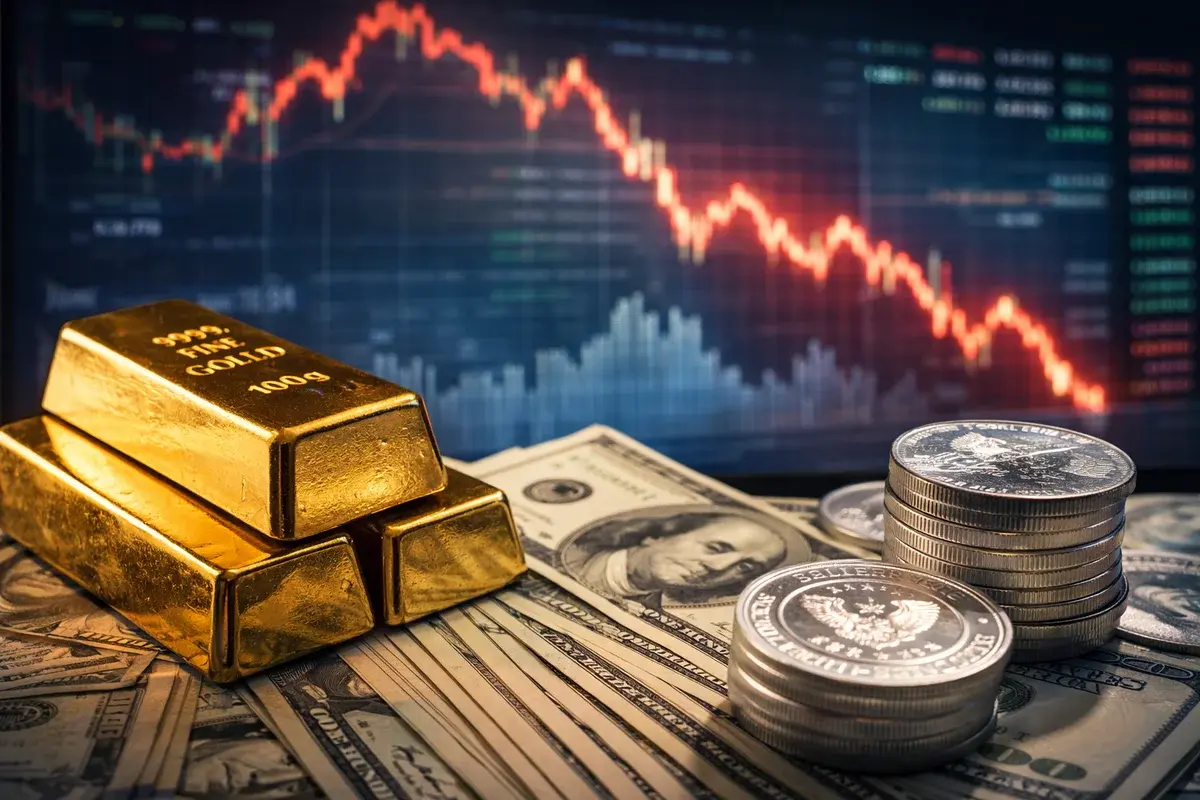
Gold and silver have long been regarded as the ultimate safe haven assets during times of geopolitical and financial uncertainty. Historically, investors rush to precious metals when global markets face turmoil, wars, or economic crises. However, recent market movements suggest that this traditional pattern may be shifting.
Amid escalating geopolitical tensions in West Asia and broader market volatility, gold and silver have shown unexpected price behavior, leaving investors puzzled. Instead of providing consistent stability, silver prices have displayed sharp swings, challenging the long held assumption that precious metals always perform reliably during crises.
The unusual trend has sparked debate across financial markets, with analysts questioning whether evolving macroeconomic conditions including high interest rates, strong US dollar performance, and shifting investor sentiment are redefining the role of precious metals in modern portfolios.
Silver’s recent price action illustrates how volatile the metal has become in the current market environment. On March 2, silver prices surged nearly 9 percent, fueled by investor reaction to geopolitical tensions in West Asia. The rally initially appeared to reinforce silver’s reputation as a crisis hedge.
However, the momentum quickly reversed. Within days, silver prices dropped by around 10 percent, erasing earlier gains and highlighting the metal’s instability during the crisis.
Such sharp movements are unusual for assets traditionally viewed as defensive investments. The volatility suggests that broader market forces including speculative trading and macroeconomic uncertainty are playing a larger role in determining price movements.
| Metric | Details |
|---|---|
| Silver Price Surge | ~9% (March 2) |
| Subsequent Decline | ~10% |
| Key Driver | Geopolitical tensions |
| Market Reaction | High volatility |
| Investor Sentiment | Uncertain |
The rapid reversal underscores the growing unpredictability in precious metals markets.
The recent volatility in silver is not entirely unprecedented. During the Russia Ukraine conflict in 2022, silver initially rallied by approximately 6 percent as geopolitical tensions intensified.
However, that rally was short lived. Prices later fell by around 4 percent, demonstrating that even during major geopolitical crises, silver can fail to sustain its safe haven appeal.
These historical patterns suggest that silver behaves differently from gold during times of uncertainty. While gold tends to maintain more stable upward momentum during crises, silver often experiences sharper fluctuations due to its dual role as both a precious metal and an industrial commodity.
| Historical Event | Silver Price Reaction |
|---|---|
| Russia Ukraine War (2022) | +6% initial rise |
| Subsequent Movement | -4% decline |
| Key Characteristic | High volatility |
| Market Classification | Precious and industrial metal |
Because silver is widely used in industries such as electronics, solar panels, and manufacturing, its price often reflects both economic activity and investor sentiment, making it more volatile than gold.
While silver has experienced pronounced volatility, gold has been relatively more stable. However, even gold has not delivered the dramatic safe haven rally that many investors expected during recent geopolitical tensions.
Several macroeconomic factors are influencing precious metal prices, including strong US dollar performance, elevated global interest rates, and shifting investor preferences toward other safe assets such as government bonds.
Higher interest rates, in particular, tend to reduce demand for gold because the metal does not generate interest income.
| Market Indicator | Impact on Gold |
|---|---|
| High Interest Rates | Negative |
| Strong US Dollar | Downward pressure |
| Geopolitical Tension | Positive demand |
| Investor Diversification | Mixed impact |
As a result, gold’s performance has remained relatively moderate despite geopolitical instability.
The changing behavior of gold and silver reflects broader shifts in global financial markets. Investors now have access to a wider range of alternative assets including commodities, cryptocurrencies, and inflation linked securities.
These options are increasingly competing with precious metals for safe haven demand.
Additionally, algorithmic trading and large institutional investment flows can amplify price swings, especially in smaller markets like silver.
Analysts say the combination of macroeconomic uncertainty, technological trading strategies, and diversified investment options has fundamentally changed how investors respond to geopolitical events.
The evolving behavior of precious metals is also influencing strategies within the broader mining and commodities industry.
Major mining companies such as Newmont Corporation and Barrick Gold continue to monitor shifts in investor demand as market conditions change.
Demand for silver remains strong in industrial sectors particularly renewable energy technologies such as solar panels but its financial market role may be evolving.
| Industry Metric | Details |
|---|---|
| Key Gold Producers | Newmont, Barrick |
| Major Silver Demand | Electronics, solar |
| Investor Demand | Fluctuating |
| Market Trend | Higher volatility |
This dual demand profile means silver prices will likely continue reacting to both economic growth expectations and geopolitical developments.
The recent volatility in silver and muted performance in gold is prompting investors to reassess the role of precious metals within diversified portfolios.
While gold still retains its reputation as a long term store of value, silver’s behavior suggests that it may function more like a hybrid asset influenced by both industrial demand and financial speculation.
As geopolitical tensions evolve and macroeconomic conditions shift, investors will continue watching precious metal markets closely for signs of stabilization or renewed safe haven demand.

Financial journalist specializing in market analysis, stock research, and investment trends. Dedicated to providing accurate, timely insights for informed decision-making.
Credentials: Experienced financial journalist with expertise in equity markets and economic analysis
The information provided in this article is for educational and informational purposes only and should not be construed as financial, investment, or legal advice. Finscann does not provide personalized investment recommendations.
For detailed terms and conditions, please read our Disclaimer and Terms of Service.
Gold and silver rates jump on MCX today amid dollar weakness and escalating US-Iran conflict.

Global crude oil prices have soared by 18% this week, with Brent nearing $85/barrel. FinScann analyzes the Middle East crisis, Strait of Hormuz...
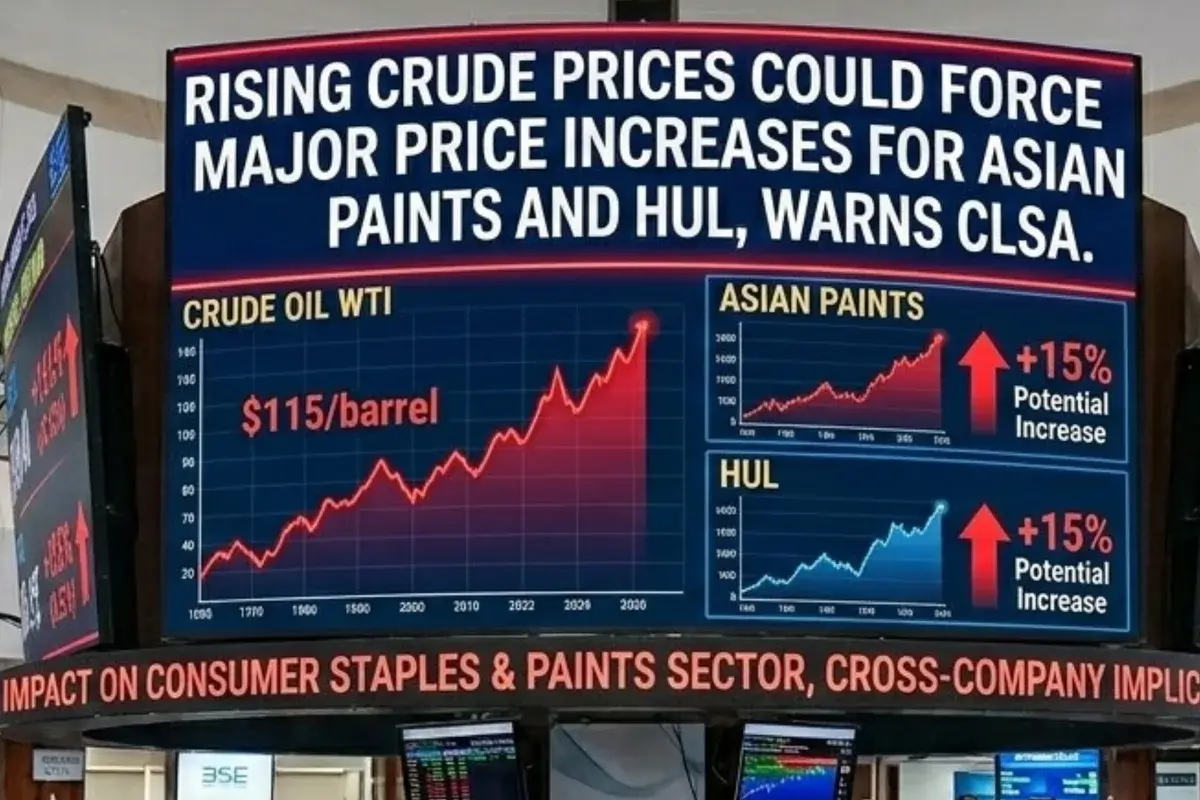
Surging crude oil prices could force major price increases for Indian giants Asian Paints and HUL, warns CLSA.
Gold prices on MCX soar to ₹1.64 lakh in March 2026, driven by intense US-Iran tensions. FinScann analyzes safe-haven demand and future outlook for...
Silver prices soar over 3% in March 2026 as Middle East tensions escalate and a weaker US dollar fuels safe-haven demand.