Loading market data...
India’s wholesale inflation rose sharply to 1.81% in January from 0.83% in December, driven mainly by higher food prices and rising manufacturing costs. Vegetable inflation surged, along with prices of eggs, meat, and fish, while potatoes and onions remained cheaper. The mixed inflation signals could influence RBI policy decisions, corporate margins, and market sentiment as investors track future price trends.
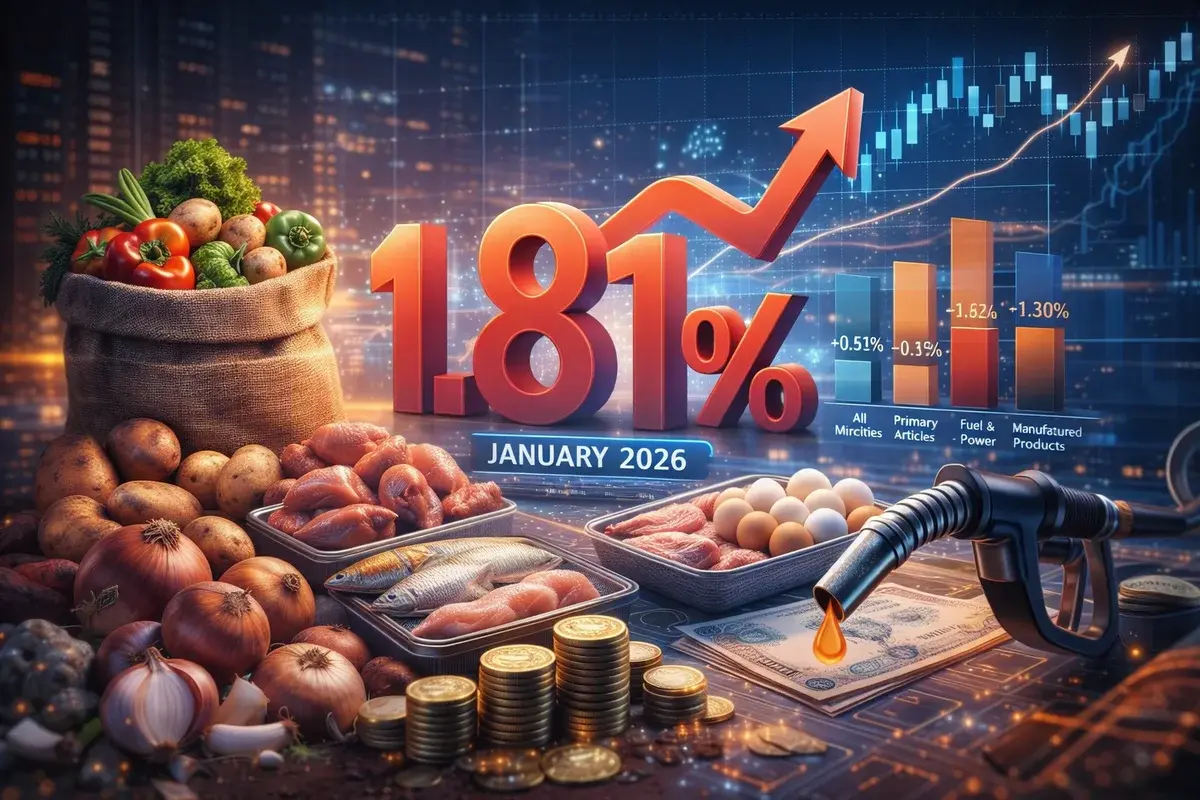
India’s wholesale inflation rose to 1.81% in January from 0.83% in December, driven mainly by higher food prices and manufacturing costs. Vegetable inflation jumped sharply, while prices of eggs, meat, and fish also surged. Despite the rise, potato and onion prices remained deeply negative. The mixed inflation signals could influence RBI policy decisions and shape market sentiment in the coming months.
India’s wholesale inflation has shown a notable uptick at the start of 2026, reflecting rising input costs and food price pressures. The latest data indicates that the Wholesale Price Index (WPI) climbed to 1.81% in January, more than doubling from the previous month.
The rise comes amid volatile food prices and higher manufacturing costs, creating a complex macroeconomic backdrop for policymakers, businesses, and investors.
WPI Snapshot: January Inflation at a Glance
| Indicator | December 2025 | January 2026 | Change |
|---|---|---|---|
| WPI inflation | 0.83% | 1.81% | +0.98% |
| Food inflation | 0% | 1.41% | Sharp rise |
| Vegetable inflation | Moderate | 6.78% | Strong spike |
| Eggs, meat & fish | 1.14% | 3.66% | Nearly tripled |
Key takeaway:
Expert Insight: “The jump in food inflation indicates supply-side pressures, while rising manufacturing prices suggest cost-push inflation in the economy,” said a macroeconomic analyst.
Food Basket: Mixed Signals Across Commodities
While overall food inflation increased, the underlying data revealed sharp divergences.
| Food Category | Inflation Trend |
|---|---|
| Vegetables | +6.78% (sharp rise) |
| Eggs, meat & fish | +3.66% |
| Potatoes | -38.84% |
| Onions | -33.42% |
What this means:
Sector-Wise WPI Breakdown
| Index Category | January Trend |
|---|---|
| All Commodities Index | +0.51% |
| Primary Articles | -0.15% |
| Fuel & Power | -1.62% |
| Manufactured Products | +1.30% |
Interpretation:
Manufacturing Inflation: A Key Watchpoint
The rise in the Manufactured Products Index indicates growing cost pressures across industries.
| Factor | Impact on Manufacturing Inflation |
|---|---|
| Higher raw material costs | Increased production expenses |
| Supply chain disruptions | Cost escalation |
| Wage and logistics costs | Margin pressure |
| Global commodity trends | Input price volatility |
This could lead to:
Macro Implications: What Rising WPI Means for Markets
| Economic Area | Potential Impact |
|---|---|
| Consumer spending | Pressure if retail inflation follows |
| RBI policy outlook | Reduced room for aggressive rate cuts |
| Corporate margins | Higher input costs |
| Equity markets | Sector-specific reactions |
Expert Insight: “If wholesale inflation continues to rise, it may limit the RBI’s ability to cut rates quickly. Markets will closely track core inflation and food price trends,” noted a fixed-income strategist.
Sectoral Winners and Losers
| Sector | Likely Impact |
|---|---|
| FMCG | Margin pressure from higher input costs |
| Agriculture | Mixed impact due to price volatility |
| Manufacturing | Cost-push inflation risks |
| Banking | Sensitive to rate outlook changes |
Key Triggers to Watch Ahead
Positive triggers:
Risk factors:
Popular Trading Platforms for Tracking Macro and Stock Market Trends
Investors monitoring inflation-driven market movements can use:
These platforms offer:
⚠️ DISCLAIMER: We Are Not Financial Advisors This article is for informational and educational purposes only and should not be considered investment advice. Stock market investments are subject to market risks. Please consult a certified financial advisor before making any investment decisions.

Financial journalist specializing in market analysis, stock research, and investment trends. Dedicated to providing accurate, timely insights for informed decision-making.
Credentials: Experienced financial journalist with expertise in equity markets and economic analysis
The information provided in this article is for educational and informational purposes only and should not be construed as financial, investment, or legal advice. Finscann does not provide personalized investment recommendations.
For detailed terms and conditions, please read our Disclaimer and Terms of Service.
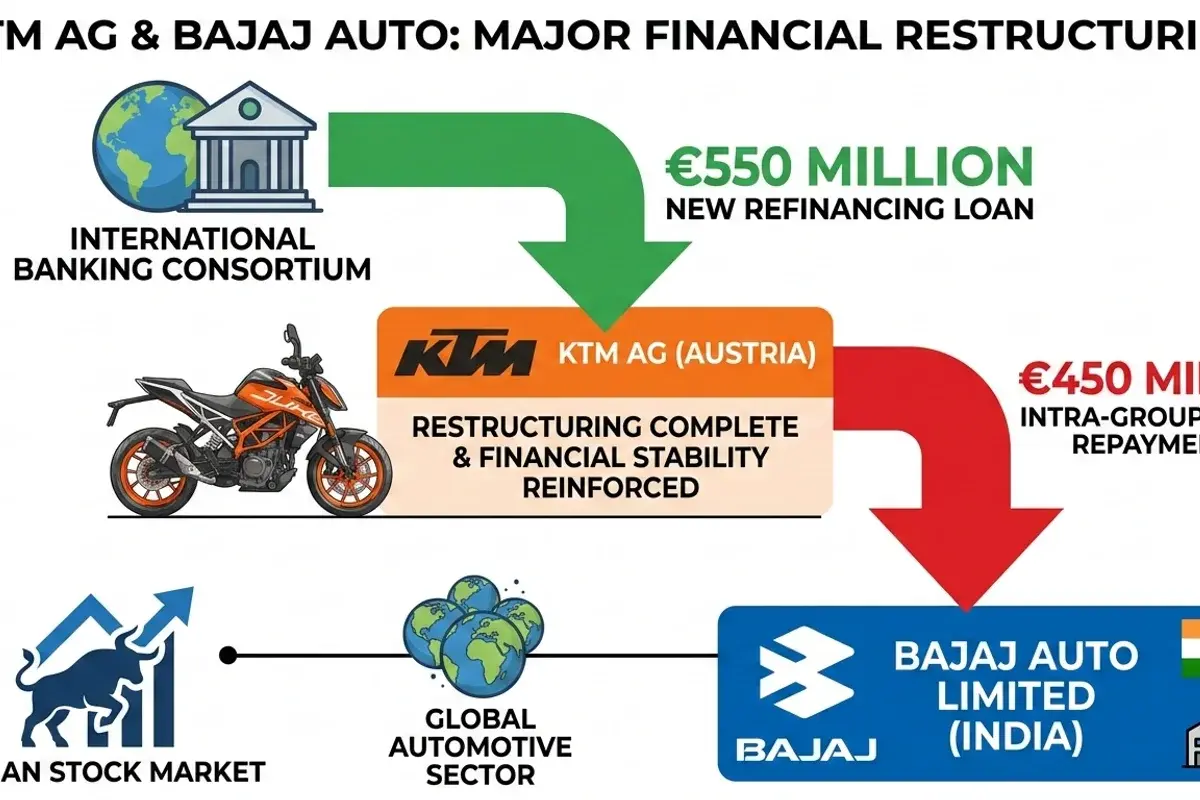
KTM AG repays €450M loan to Bajaj Auto's unit, completing restructuring. FinScann analyzes the financial impact on Bajaj Auto, Pierer Mobility, and...

Tata Elxsi launches DevStudio.ai, an ASPICE-aligned GenAI platform, poised to accelerate automotive software engineering and enhance productivity for...

Waaree Energies bags a significant 300 MW wind power project in Gujarat, marking a strategic expansion and contributing to India's ambitious...

“ABCL is entering a structurally stronger earnings phase, supported by synchronized momentum across lending, AMC, and insurance.
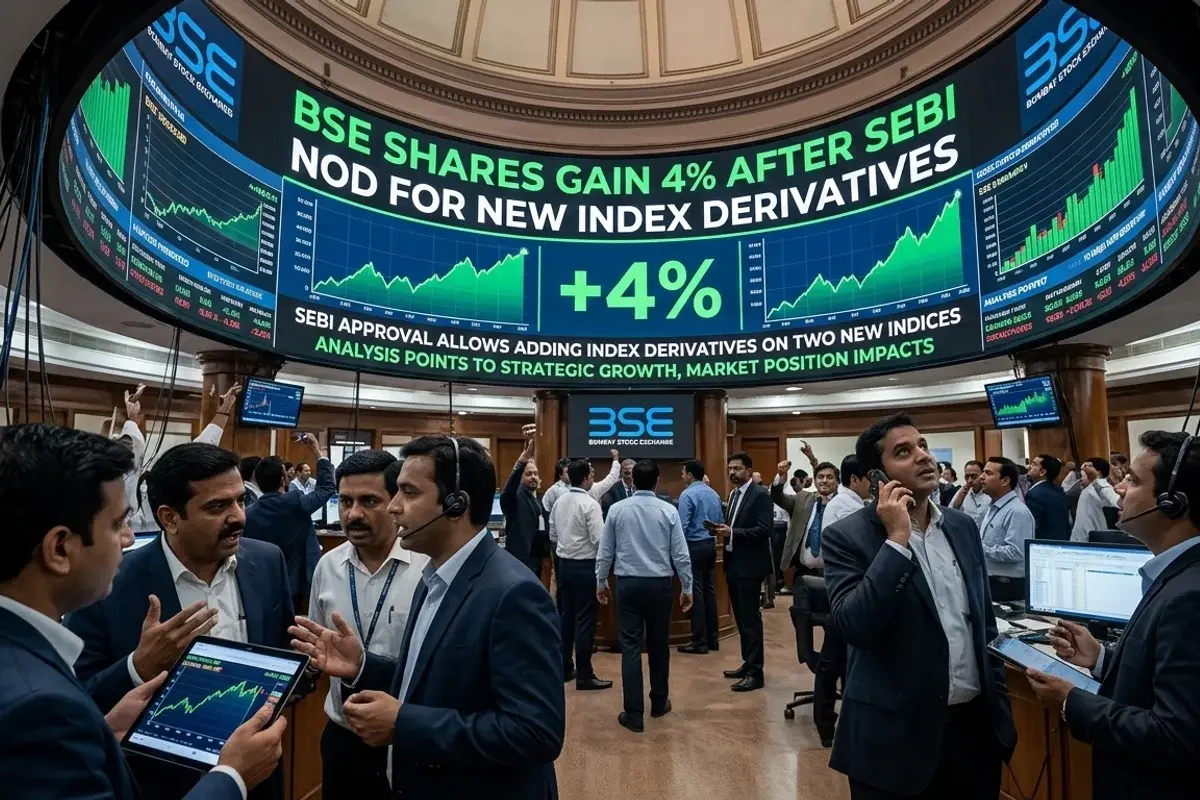
BSE shares surge over 4% after SEBI's critical nod for Sensex Next 30 index derivatives, bolstering its market position and revenue potential.