Loading market data...
IndiGo reports 11% growth in cargo volumes in 2025, driven by expanded belly capacity and three new freighters. Explore deep analysis of domestic freight dominance, international expansion, partnerships, and aviation sector impact.
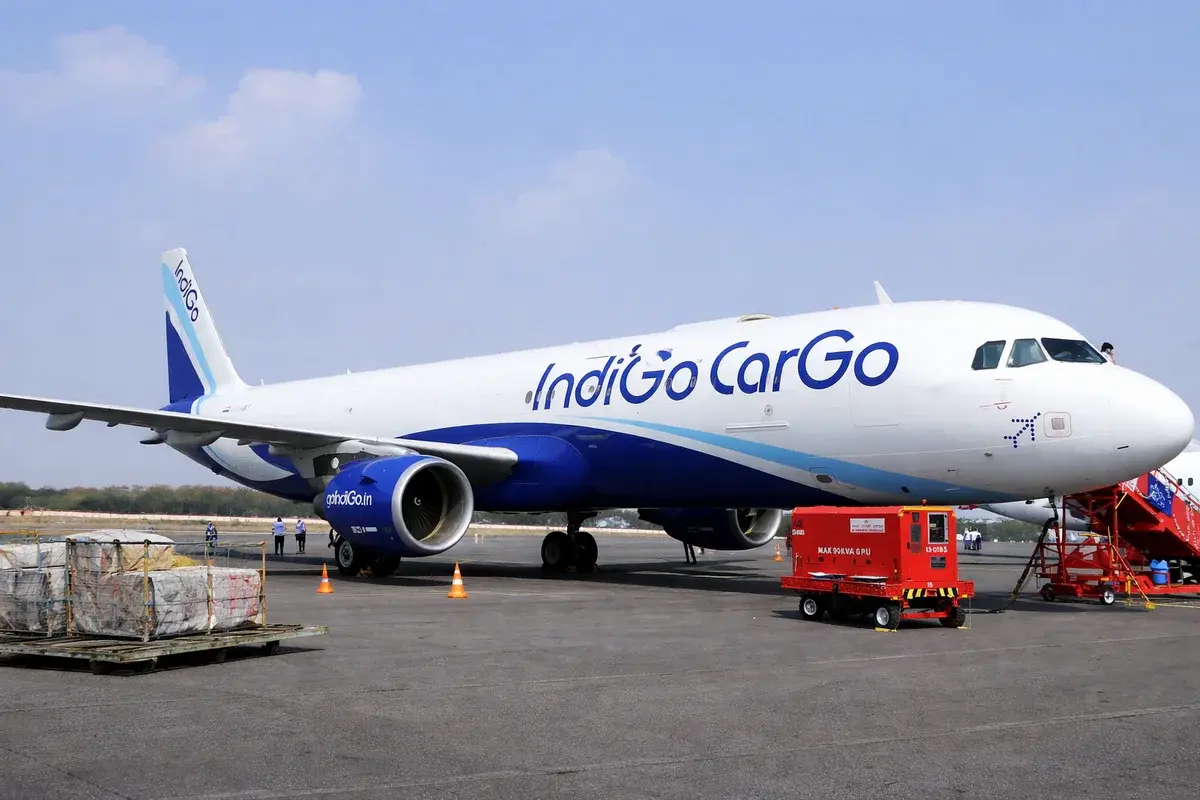
IndiGo reported an 11% year-on-year increase in cargo volumes in calendar year 2025, transporting 438,147 tonnes as expanded belly cargo capacity and the deployment of three dedicated freighters strengthened its logistics network. With domestic freight forming 80% of business and international routes gaining traction, the airline’s cargo arm is emerging as a strategic growth engine within India’s aviation ecosystem. The momentum reflects rising demand for perishables, electronics, and cross-border e-commerce, positioning IndiGo to deepen margin diversification beyond passenger revenues.
Cargo Emerges as a Structural Growth Lever for IndiGo
India’s aviation sector has traditionally been passenger-centric, with cargo operations playing a secondary role. However, 2025 marks a visible inflection point for IndiGo, whose cargo division recorded 438,147 tonnes transported during the calendar year, reflecting an 11% growth trajectory.
The performance was driven by a dual expansion strategy: enhanced belly cargo capacity on passenger aircraft and the deployment of three dedicated freighters. This operational diversification underscores a structural recalibration within the airline’s revenue mix.
In a capital-intensive industry marked by cyclical passenger yields and fuel volatility, cargo provides a stabilising revenue stream with differentiated margin dynamics.
Cargo Performance Snapshot
| Metric | CY2024 | CY2025 | Growth |
|---|---|---|---|
| Total Cargo Volume | ~394,000 tonnes | 438,147 tonnes | 11% |
| International Freight Growth | - | 5.3% (9M FY25) | Moderate |
| Domestic Freight Growth | - | 7.1% | Strong |
| Business Mix | Domestic ~80% | Freighters & Intl ~10% each | Diversified |
While domestic routes continue to anchor volume contribution, international freight momentum signals gradual network maturation.
Belly Capacity and Freighters: Operational Leverage at Work
IndiGo’s scale advantage stems from its expansive passenger network across India. Belly cargo capacity on passenger flights allows incremental freight revenue without proportionate aircraft cost increases.
The introduction of three dedicated freighters represents a shift toward dedicated logistics capability. Freighters enhance schedule flexibility, support charter demand, and improve capacity planning for high-yield segments such as perishables and electronics.
This combination allows IndiGo to leverage fixed-cost aircraft utilisation while capturing diversified cargo revenue streams.
International Expansion and Route Strategy
The airline has expanded cargo operations into Europe, beginning with Manchester, and strengthened Southeast Asia connectivity including Vietnam and China.
Strategic partnerships with carriers such as Air France-KLM and logistics majors like FedEx provide incremental lift capacity where IndiGo’s wide-body footprint remains limited.
Such alliances mitigate fleet constraints and enhance network reach without immediate capital expenditure on long-haul aircraft.
Transshipment Strategy and Network Optimisation
IndiGo is exploring transshipment hubs to improve network efficiency. For example, cargo routed through the Maldives can be redirected onto wide-body aircraft heading to Europe or the Middle East.
This hub-based optimisation mirrors global cargo best practices and allows the airline to capture international flows despite fleet configuration constraints.
Network flexibility becomes critical in an environment where supply chains are being restructured post-pandemic and e-commerce logistics demand remains elevated.
Sector Context: India’s Air Cargo Industry
India’s air cargo industry is experiencing structural tailwinds driven by manufacturing exports, pharmaceuticals, perishables, and cross-border digital commerce.
| Segment | Momentum | Structural Outlook | Margin Profile |
|---|---|---|---|
| Domestic Air Freight | Strong | Stable Growth | Moderate |
| International Cargo | Expanding | High Potential | Higher Yield |
| E-Commerce Logistics | Rapid | Structural Growth | Volume Driven |
| Perishables & Pharma | Increasing | Stable | Premium Pricing |
India’s ambition to become a global manufacturing hub under supply chain diversification strategies further reinforces air freight demand.
Financial and Strategic Implications for IndiGo
Cargo diversification contributes to revenue resilience in an airline business heavily influenced by passenger load factors and fuel prices.
For InterGlobe Aviation Ltd., the listed parent of IndiGo, strengthening cargo operations could:
Enhance ancillary revenue contribution Improve aircraft utilisation efficiency Reduce earnings volatility Expand international revenue share
While cargo revenue margins are generally thinner than premium passenger segments, scale and network density can improve operating leverage over time.
Increased utilisation across metro-to-metro routes further enhances yield predictability.
Operational Metrics and Network Scale
IndiGo’s cargo network now covers 69 international destinations capable of cargo carriage and 96 domestic passenger destinations. This breadth provides structural scale advantage relative to competitors in India’s narrow-body dominated aviation market.
The majority of cargo volumes remain domestic, but incremental international growth presents margin enhancement opportunities, particularly in high-value goods transport.
Competitive Landscape
Indian aviation cargo competition includes full-service carriers and integrated logistics operators.
| Operator | Model | Cargo Strength |
|---|---|---|
| IndiGo | Low-cost carrier + belly + freighters | Expanding |
| Air India Group | Full-service + wide-body | International Heavy |
| Blue Dart Aviation | Dedicated cargo | Domestic Strong |
| Global Integrators | FedEx, DHL | Cross-border Network |
IndiGo’s differentiator lies in leveraging its domestic route dominance and operational efficiency to capture cargo synergies.
Expert Insight on Aviation Diversification
“Institutional investors are increasingly prioritizing EBITDA visibility and sustainable cash flow generation over top-line growth. Airlines that build diversified revenue streams such as cargo are better positioned to manage cyclical passenger demand,” says a Mumbai-based aviation sector analyst.
The commentary highlights how cargo diversification can moderate earnings volatility in an industry known for sharp cycles.
Investor Takeaway
For long-term investors in aviation equities, cargo expansion enhances structural stability within revenue composition. Monitoring cargo yield per tonne, freighter fleet expansion, and international route growth will be key indicators.
Short-term traders should observe seasonal freight demand cycles, fuel cost movements, and export trends that influence cargo volumes.
Valuation comfort depends on overall EBITDA margin trajectory, fleet utilisation, and capital allocation discipline. Cargo’s incremental contribution can support margin stability but will not fully offset passenger cycle risks.
Retail investors tracking aviation stocks through platforms such as Zerodha, Groww, Upstox, and Angel One may factor cargo growth into forward earnings projections.
Frequently Asked Questions
Q: What drove IndiGo’s 11% cargo growth in 2025?
Expanded belly capacity on passenger flights and deployment of three dedicated freighters significantly boosted volume.
Q: How important is cargo to IndiGo’s overall business?
Cargo remains a supplementary revenue stream but is becoming strategically important for diversification and margin stability.
Q: Is international cargo growing faster than domestic?
International freight has shown moderate growth, while domestic continues to dominate volume contribution.
Q: Does cargo improve airline profitability?
Cargo enhances aircraft utilisation and provides incremental revenue, improving operating leverage over time.
Q: What risks remain in the cargo segment?
Fuel volatility, global trade slowdowns, and capacity constraints remain structural risks.
IndiGo’s 11% cargo expansion in 2025 signals more than operational efficiency it reflects a strategic evolution toward revenue diversification and network optimisation. As India’s manufacturing and export ecosystem expands, cargo may increasingly serve as a stabilising pillar within the airline’s broader financial architecture.
⚠️ DISCLAIMER: We Are Not Financial Advisors

Financial journalist specializing in market analysis, stock research, and investment trends. Dedicated to providing accurate, timely insights for informed decision-making.
Credentials: Experienced financial journalist with expertise in equity markets and economic analysis
The information provided in this article is for educational and informational purposes only and should not be construed as financial, investment, or legal advice. Finscann does not provide personalized investment recommendations.
For detailed terms and conditions, please read our Disclaimer and Terms of Service.
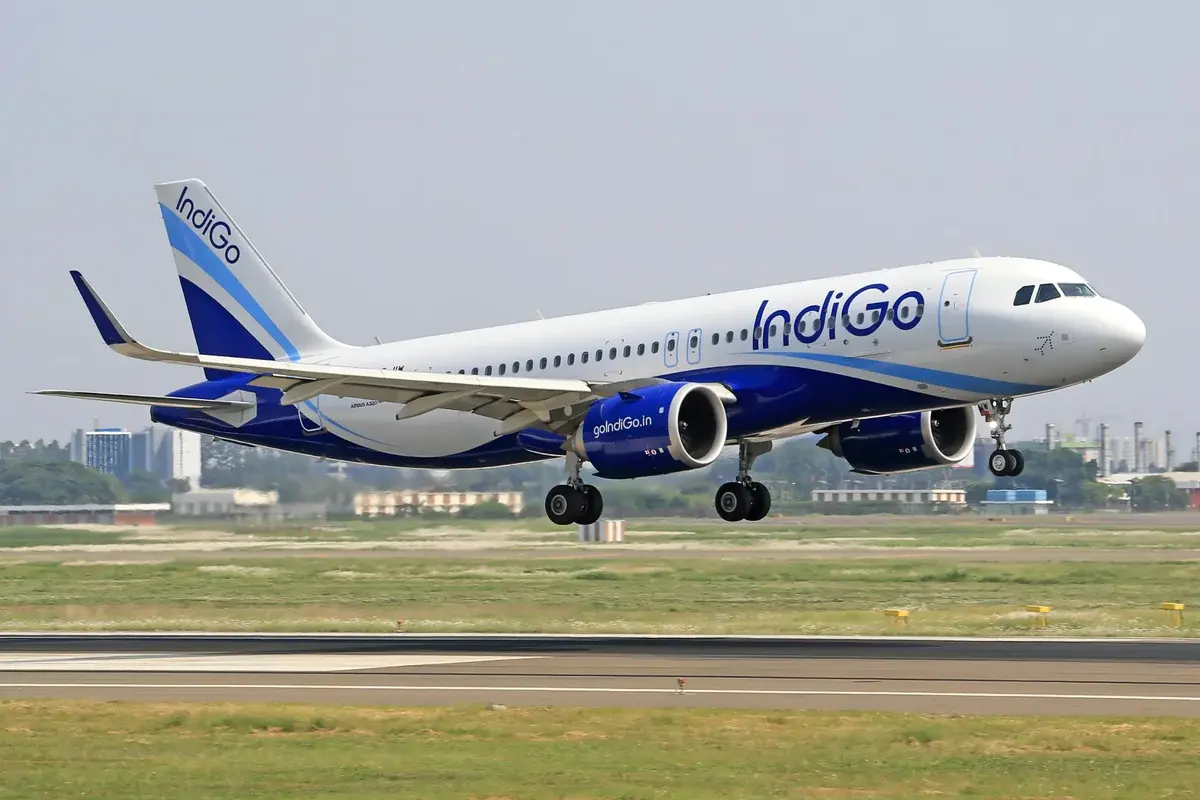
IndiGo announces six new direct routes from Navi Mumbai International Airport effective March 29, 2026, while recalibrating select long haul...

Leading brokerages issue Buy and Outperform ratings on Vedanta, UltraTech Cement, MTAR Technologies, Waaree Energies, Adani Enterprises, Polycab...
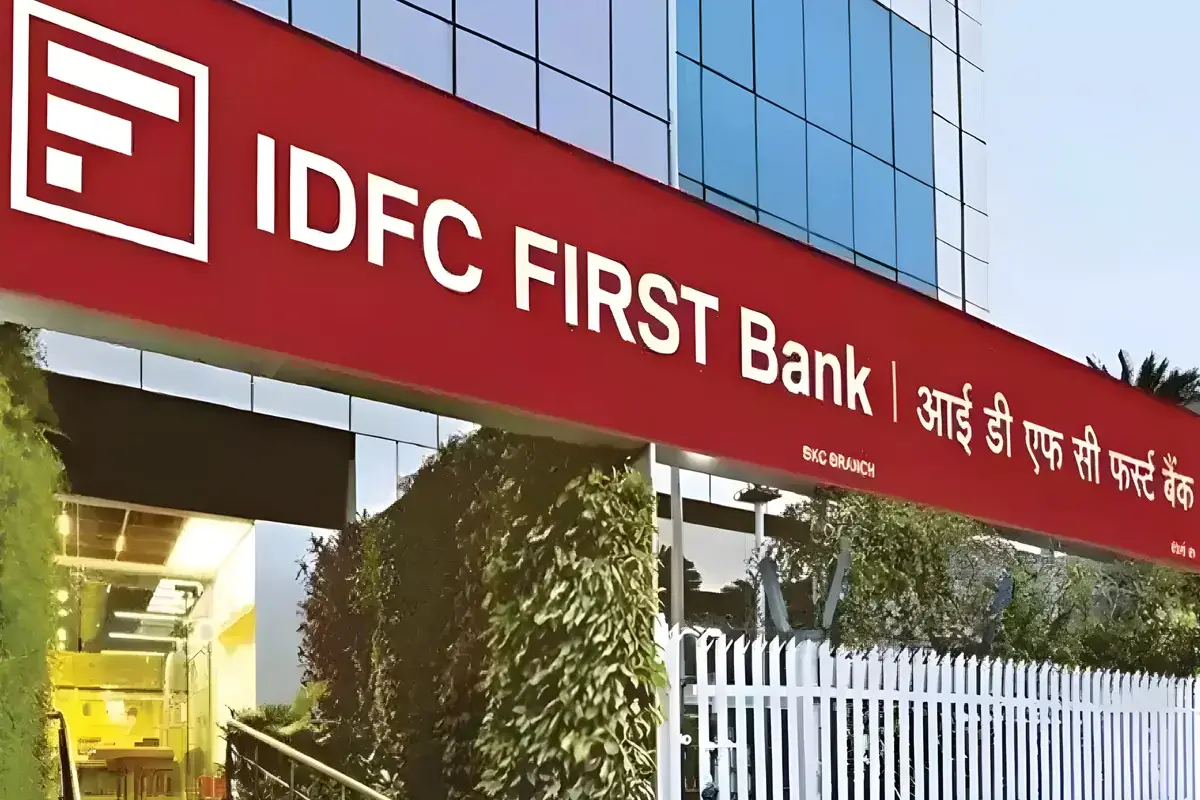
A ₹590 crore fraud at IDFC FIRST Bank’s Chandigarh branch has triggered arrests, a 20% stock crash, and Haryana government de-empanelment.
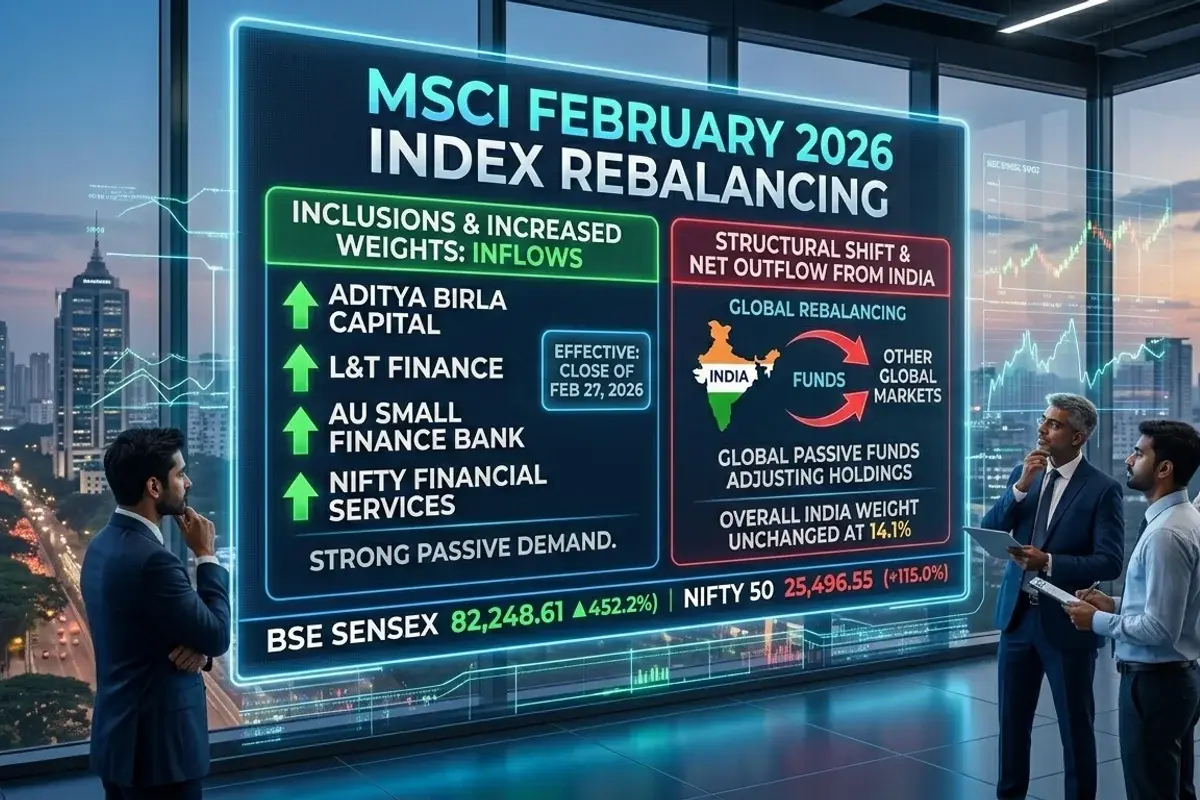
FinScann's latest analysis on the February 2026 MSCI rebalancing reveals potential inflows for Aditya Birla Capital, L&T Finance, and AU Small...

Hyundai Motor Co. invests $6.3 billion (₹52,500 Cr) in AI data centers, robot factories, and hydrogen plants in South Korea.