Loading market data...
Indian AI startups unveil real-world deployment solutions at the India AI Impact Summit, spanning voice AI for BFSI, radiology tools, industrial IoT, wearable neuroscience devices, and medical automation platforms. Deep analysis of emerging AI themes and sector outlook.

At the India AI Impact Summit, a new generation of AI startups demonstrated solutions spanning BFSI voicebots, AI toys, industrial IoT helmets, radiology tools, medical transcription, and wearable neuroscience devices. The shift is clear: India’s AI ecosystem is moving beyond demos to real-world deployment. With sector-specific applications and enterprise monetization models taking center stage, investors are beginning to evaluate scalability, margins, and defensibility rather than hype.
For years, India’s AI story was largely centered around services exports and enterprise integration. At the India AI Impact Summit, however, startups showcased domain-specific, deployable AI systems targeting healthcare, manufacturing, education, BFSI, and consumer engagement.
Unlike previous AI cycles driven by experimentation, this wave reflects operational readiness. Investors and technology leaders are increasingly positioning India as a use-case capital of AI, where real-world applications across regulated and industrial sectors are being tested at scale.
The summit highlighted a key transition: AI is no longer about building models, but about embedding them into workflows that drive measurable outcomes.
Mumbai-based Navana.ai operates in the voice AI infrastructure layer, focusing on BFSI deployment. The startup has built a full-stack platform enabling voicebots, transcription systems, and real-time analytics engines.
Voice AI is becoming mission-critical in financial services where multilingual customer interaction and compliance monitoring are essential.
Navana.ai’s enterprise focus positions it within India’s growing digital banking and fintech automation market. In a sector where net interest margin and customer acquisition cost optimization matter deeply, AI-powered voice systems can reduce operational expenditure significantly.
Potential financial profile (sector-based benchmarking):
| Metric | Industry Benchmark | Commentary |
|---|---|---|
| Revenue Model | SaaS + Enterprise Contracts | Recurring |
| EBITDA Margin | 15–25% (mature stage) | High operating leverage |
| Customer Stickiness | High | Integration-heavy |
| Scaling Risk | Moderate | BFSI compliance |
Growth Drivers:
Aalgorix has developed an AI-driven interactive toy targeting children under 15. While consumer AI hardware remains a challenging category globally, India’s rising edtech penetration and premium consumer segment provide potential scale.
Consumer-facing AI products face high customer acquisition costs but offer margin leverage once brand recall is established.
Financial Considerations:
| Metric | Early-Stage Expectation | Risk |
|---|---|---|
| Revenue Model | Hardware + Software | High competition |
| Gross Margin | 30–40% potential | Manufacturing cost |
| Scalability | Moderate | Supply chain |
Strategic Challenge:
JANUS operates in AI model validation and testing. As enterprises rush to deploy AI agents, governance and reliability frameworks are becoming critical.
AI testing platforms represent an emerging compliance sub-sector.
Key Strategic Strengths:
Potential financial upside is tied to subscription enterprise contracts, similar to cybersecurity SaaS plays.
Proxgy develops IoT-based products, including smart helmets equipped with cameras, sensors, GPS, and real-time analytics.
India’s manufacturing and blue-collar digitization drive could make industrial IoT one of the fastest-growing AI deployment sectors.
| Metric | Sector Outlook | Commentary |
|---|---|---|
| Revenue Model | Hardware + SaaS monitoring | Recurring potential |
| EBITDA Margin | 18–25% (scaled) | Industrial contracts |
| Market Size | Expanding | Manufacturing growth |
Strategic Tailwinds:
Neurema’s wearable device tracks focus levels using neuroscience-based feedback systems. AI-powered biometric analytics sits at the intersection of healthcare and productivity.
While wearable AI is competitive globally, localized healthcare adoption can create niche defensibility.
Risks:
Radai builds AI-powered radiology assistance tools. India’s diagnostic imaging market is expanding rapidly due to increased healthcare penetration.
Radiology AI is one of the highest-potential verticals because:
Financial Model Characteristics:
| Metric | Industry Norm | Commentary |
|---|---|---|
| Revenue | B2B SaaS | Recurring |
| EBITDA | 20–30% (scaled) | High-margin software |
| Adoption Cycle | Medium | Regulatory oversight |
Eka Care is building an end-to-end medical scribe platform designed to operate across Indian languages. Healthcare documentation automation can reduce physician workload significantly.
India’s healthcare digitalization push and telemedicine adoption create structural opportunity.
Revenue Model Potential:
The summit reveals five dominant AI themes in India:
India’s AI ecosystem is entering a deployment phase. Investors are increasingly focused on:
• Recurring revenue models • EBITDA margins visibility • Enterprise contract depth • Data defensibility • Capital efficiency
“Markets are shifting from generative AI hype to verticalized AI infrastructure with measurable ROI,” says a Bengaluru-based venture investor.
Unlike startup funding India cycles of the past, capital is now flowing selectively into startups with clear profitability roadmaps.
The India AI Impact Summit signals that the country is evolving into a use-case capital for applied AI rather than foundational model building.
For Venture Investors:
For Enterprise Buyers:
India’s AI ecosystem is transitioning from experimental pilots to revenue generating deployments. The startups showcased reflect a maturing landscape, where AI is embedded in factories, hospitals, classrooms, and financial institutions.
The next 24 months will determine which of these ventures scale into category leaders and which remain niche innovators. But one message is clear: India’s AI momentum is no longer theoretical, it is operational.
⚠️ DISCLAIMER: We Are Not Financial Advisors

Financial journalist specializing in market analysis, stock research, and investment trends. Dedicated to providing accurate, timely insights for informed decision-making.
Credentials: Experienced financial journalist with expertise in equity markets and economic analysis
The information provided in this article is for educational and informational purposes only and should not be construed as financial, investment, or legal advice. Finscann does not provide personalized investment recommendations.
For detailed terms and conditions, please read our Disclaimer and Terms of Service.
Proptech startup Spintly secures $8 million in Series A funding led by Accel to expand its wireless BLE mesh access control system and AI-powered...

Info Edge, parent of Naukri.com, sets up ₹250 crore B8 Fund-I to invest in growth-stage tech companies.
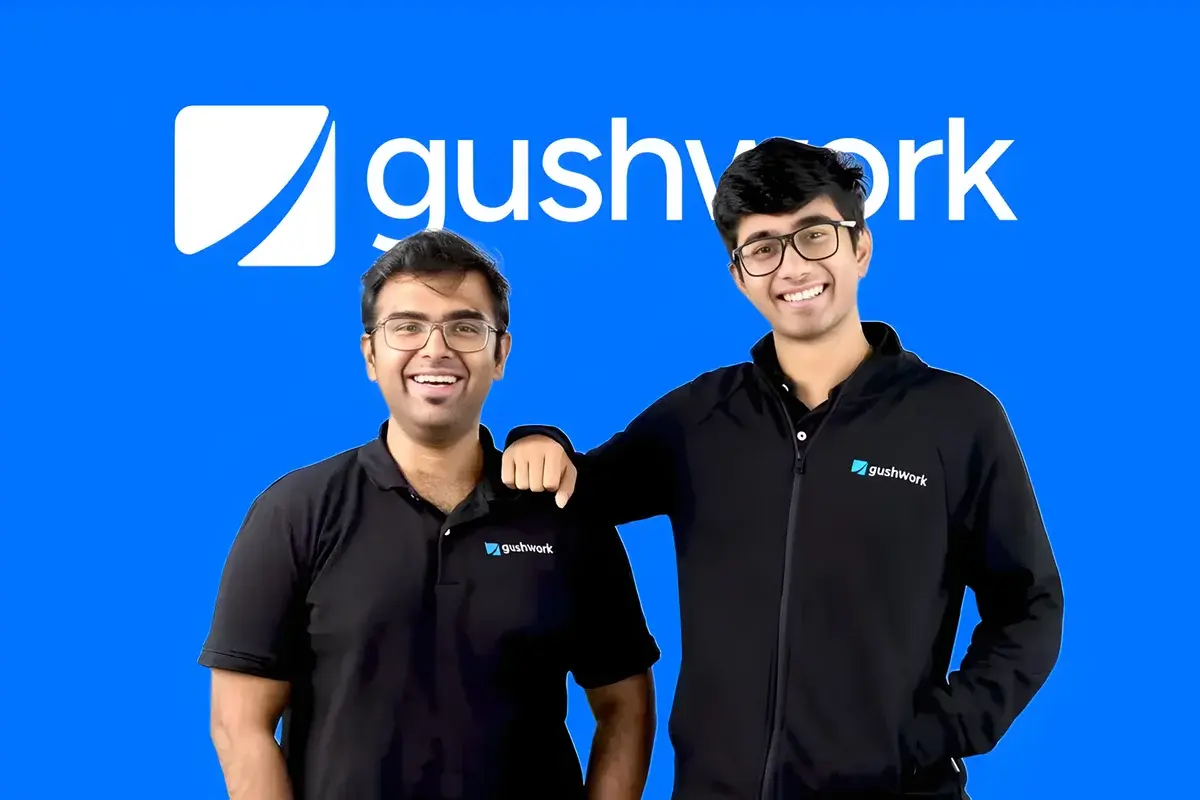
Indian agentic AI startup Gushwork secures $9 million in seed funding to expand engineering and scale AI-driven citation optimization for platforms...
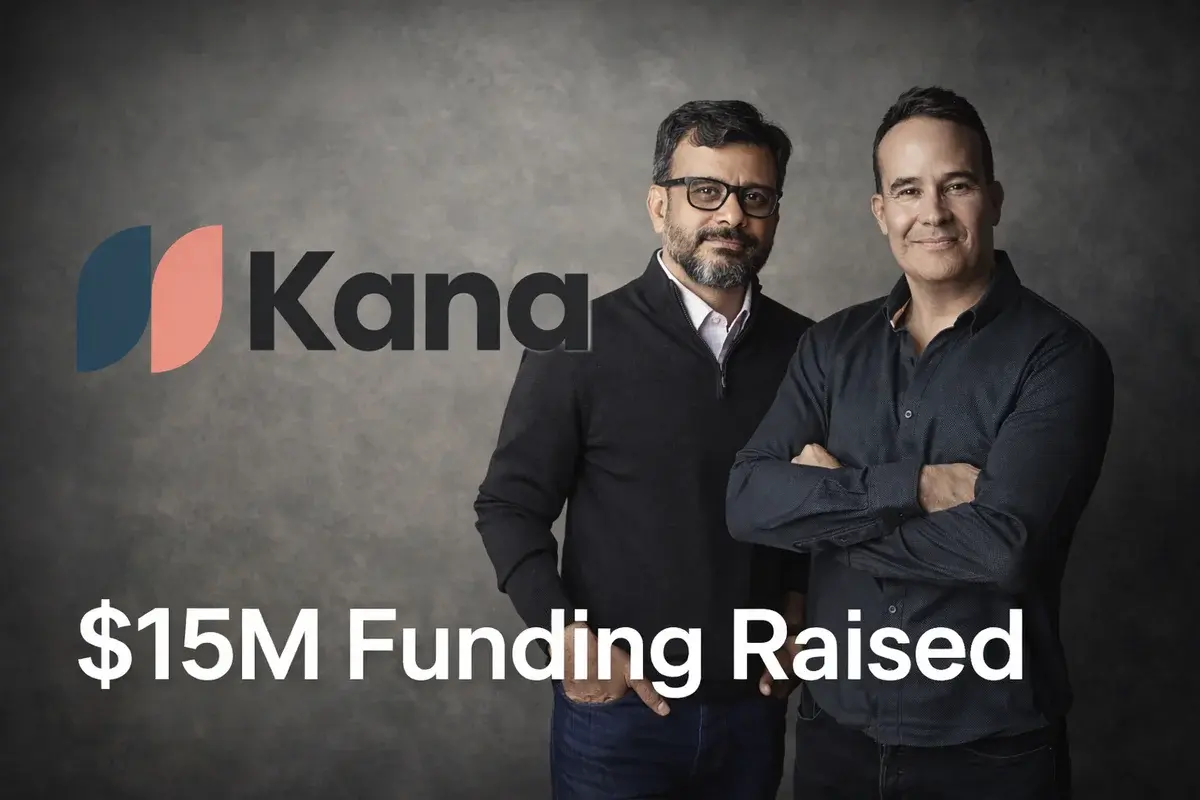
San Francisco-based Kana secures $15 million in seed funding led by Mayfield to launch configurable AI agents for end-to-end marketing workflows.
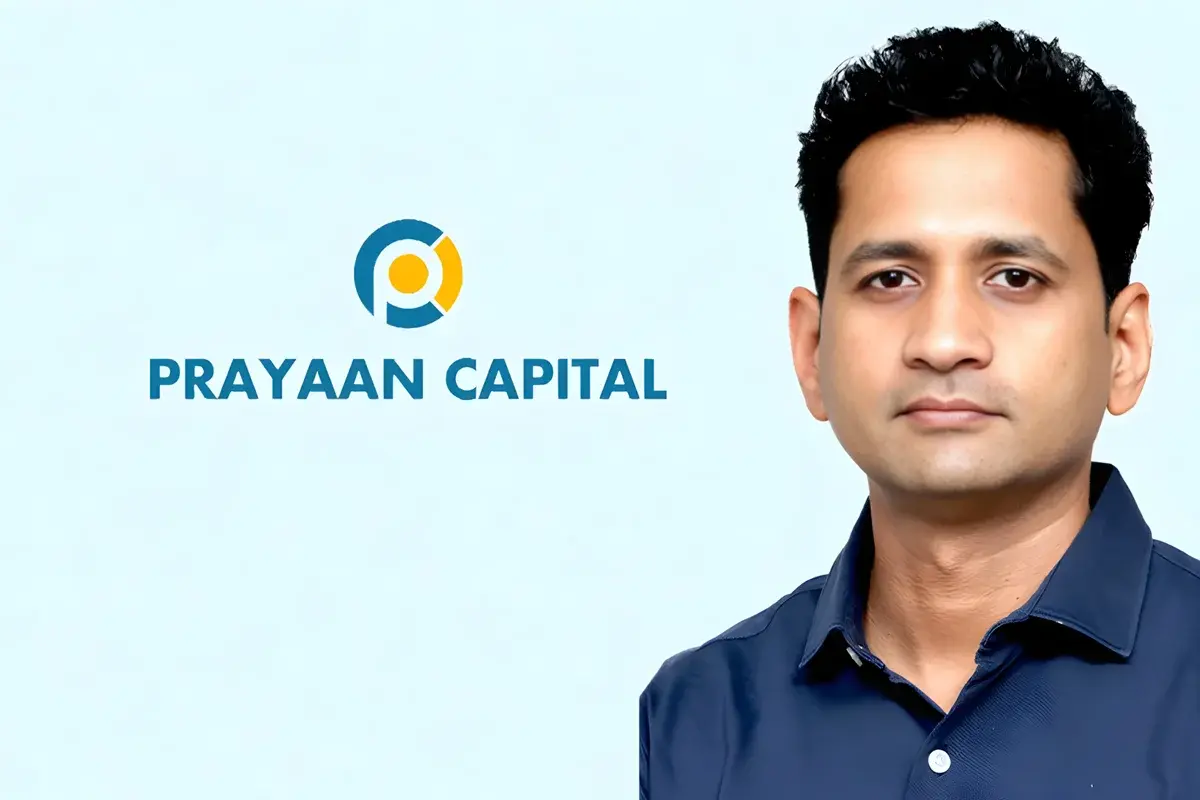
Prayaan Capital secures ₹110 crore in Series A funding led by Peak XV Partners to build a technology-enabled MSME lending platform.