Loading market data...
Indian stock markets ended 16 February 2026 in a range-bound consolidation, with the Nifty hovering near 25,500 after last week’s selloff. Defensive sectors like pharma, FMCG, and select banks supported the indices, while IT, metals, and midcaps faced selling pressure. Market breadth stayed weak despite easing volatility, indicating cautious sentiment. Domestic institutional buying provided stability as investors shifted from panic selling to selective stock-specific accumulation.

Indian equities closed largely flat on 16 February 2026, with the Nifty 50 hovering near 25,500 amid range-bound consolidation after last week’s selloff. Defensive sectors like pharma and FMCG supported the indices, while IT, metals, and midcaps faced profit booking. Market breadth remained negative, but easing volatility and steady domestic inflows helped stabilize sentiment.
Indian stock markets entered a consolidation phase on Monday, 16 February 2026, as investors balanced recent risk-off sentiment with selective buying in defensive sectors. While benchmark indices held steady, the broader market showed signs of fatigue after recent outperformance.
Market Snapshot: Indices Hold Ground After Recent Selloff
| Index | Closing Trend | Key Driver |
|---|---|---|
| Nifty 50 | Near 25,500 | Range-bound consolidation |
| BSE Sensex | Marginally higher | Defensive stocks & banks |
| Mid & Small Caps | Slight decline | Profit booking |
| India VIX | Eased slightly | Cooling volatility |
The market’s performance reflected a pause in selling pressure, rather than a decisive bullish reversal.
FAQs
Q1. Why did the Nifty remain range-bound on 16 February 2026? Because investors balanced last week’s selling with selective buying in defensives, leading to consolidation rather than a strong directional move.
Q2. What does a range-bound market indicate? It signals indecision, where markets are stabilizing but awaiting fresh triggers for a clear uptrend or downtrend.
Session Summary: Volatile but Sideways Trading
Indian equities traded in a narrow range as weakness in IT and metals was offset by strength in pharma and financial stocks.
Key session highlights:
FAQs
Q1. Why did mid and small caps fall while large caps held steady? Investors booked profits in high-beta stocks and rotated into defensive large-cap names.
Q2. What is sector rotation in the stock market? It is the movement of investor capital from one sector to another based on changing economic or market conditions.
Overall Market Mood: Cautious Stabilization
| Market Sentiment Indicator | Trend |
|---|---|
| Risk appetite | Improving slightly |
| Sector rotation | Visible |
| Defensive positioning | Dominant |
| Trader behavior | Selective accumulation |
The market mood shifted from panic selling to cautious stabilization, with traders focusing on relative strength sectors.
FAQs
Q1. What does cautious stabilization mean in markets? It indicates that selling pressure is easing, but investors are still cautious and not fully bullish.
Q2. Why are defensive stocks preferred in uncertain markets? Because they offer stable earnings and lower volatility compared to cyclical sectors.
Key Drivers: What Moved the Market
What Dragged Markets
| Sector/Factor | Impact |
|---|---|
| IT stocks | Weak global tech sentiment |
| Metals | Global demand concerns |
| Brokerage & exchange stocks | Tighter lending norms |
| Midcaps | Profit booking |
What Offered Support
| Sector | Impact |
|---|---|
| Pharma & healthcare | Strong buying interest |
| PSU & private banks | Stability to indices |
| FMCG & defensives | Safe-haven flows |
FAQs
Q1. Why did IT stocks remain under pressure? Global tech concerns and cautious outlook from international markets weighed on the sector.
Q2. Why did pharma stocks outperform? Investors rotated into defensive sectors with stable earnings during uncertain market phases.
Technical Setup: Consolidation Within a Corrective Phase
| Level Type | Key Levels |
|---|---|
| Immediate support | 25,300 |
| Critical support | 25,100 |
| Downside risk zone | 24,700 – 24,500 |
| Near-term resistance | 25,700 – 25,900 |
| Major supply zone | 26,000+ |
Indicator Insights
Technical inference:
FAQs
Q1. What happens if Nifty breaks below 25,300? It could trigger further downside toward the 24,700–24,500 zone.
Q2. Why is 26,000 considered a major resistance? Because it is a key supply zone where selling pressure is likely to emerge.
Sector Performance: Defensive Rotation Continues
Relative Strength
| Sector | Trend |
|---|---|
| Pharma & healthcare | Strong outperformance |
| FMCG | Steady demand |
| PSU banks | Resilient |
Under Pressure
| Sector | Trend |
|---|---|
| IT | Weak sentiment |
| Metals | Cyclical pressure |
| Mid & small caps | Profit booking |
FAQs
Q1. What is defensive sector rotation? It is when investors shift money into stable sectors like pharma and FMCG during uncertain markets.
Q2. Which sectors are considered cyclical? Sectors like metals, IT, and infrastructure that depend heavily on economic growth cycles.
Institutional Flows: Domestic Liquidity Holds the Market
| Investor Type | Activity |
|---|---|
| FII | Selective selling |
| DII | Steady buying |
Flow insight: Domestic institutional investors remained the key stabilizing force, absorbing selling pressure from foreign investors.
FAQs
Q1. Why are DII flows important for the Indian market? They provide stability and counterbalance foreign investor outflows.
Q2. What happens when FIIs sell heavily? Markets usually face pressure unless domestic investors step in to absorb the selling.
Currency and Commodity Trends
| Asset | Trend | Market Impact |
|---|---|---|
| INR | Slightly weak | Pressure from strong dollar |
| Crude oil | Elevated | Positive for upstream, negative for OMCs |
| Gold | Firm | Safe-haven demand |
FAQs
Q1. How does crude oil impact Indian markets? Higher crude raises import costs and inflation, affecting corporate margins.
Q2. Why does gold rise during uncertainty? Investors move to gold as a safe-haven asset during volatile periods.
Daily Trend Assessment
| Indicator | Status |
|---|---|
| Trend | Range-bound consolidation |
| Market breadth | Weak |
| Leadership | Pharma & defensives |
| Strategy bias | Buy near support, sell near resistance |
Market state: Consolidation after distribution, with sector rotation driving short-term moves.
FAQs
Q1. What is a distribution phase in markets? It is when institutional investors gradually sell positions after a rally.
Q2. Why is breadth important? Weak breadth indicates fewer stocks participating in the rally, signaling fragility.
Red Flags to Monitor
FAQs
Q1. What does a rise in India VIX indicate? It signals increasing market volatility and uncertainty.
Q2. Why is IT sector weakness a concern? Because IT stocks have a high weight in the indices and can drag overall market performance.
Outlook and Strategy
| Timeframe | Market View |
|---|---|
| 1–5 sessions | Range-bound with sector rotation |
| 2–3 weeks | Base formation likely |
Strategy suggestions:
FAQs
Q1. What is base formation in markets? It is a period where prices consolidate before starting a new uptrend.
Q2. Why avoid chasing rebounds in volatile markets? Because short-term rallies can reverse quickly without strong momentum.
Popular Trading Platforms for Indian Stock Market Investors
These platforms offer:
⚠️ DISCLAIMER: We Are Not Financial Advisors This article is for informational and educational purposes only and should not be considered investment advice. Stock market investments are subject to market risks. Please consult a certified financial advisor before making any investment decisions.

Financial journalist specializing in market analysis, stock research, and investment trends. Dedicated to providing accurate, timely insights for informed decision-making.
Credentials: Experienced financial journalist with expertise in equity markets and economic analysis
The information provided in this article is for educational and informational purposes only and should not be construed as financial, investment, or legal advice. Finscann does not provide personalized investment recommendations.
For detailed terms and conditions, please read our Disclaimer and Terms of Service.
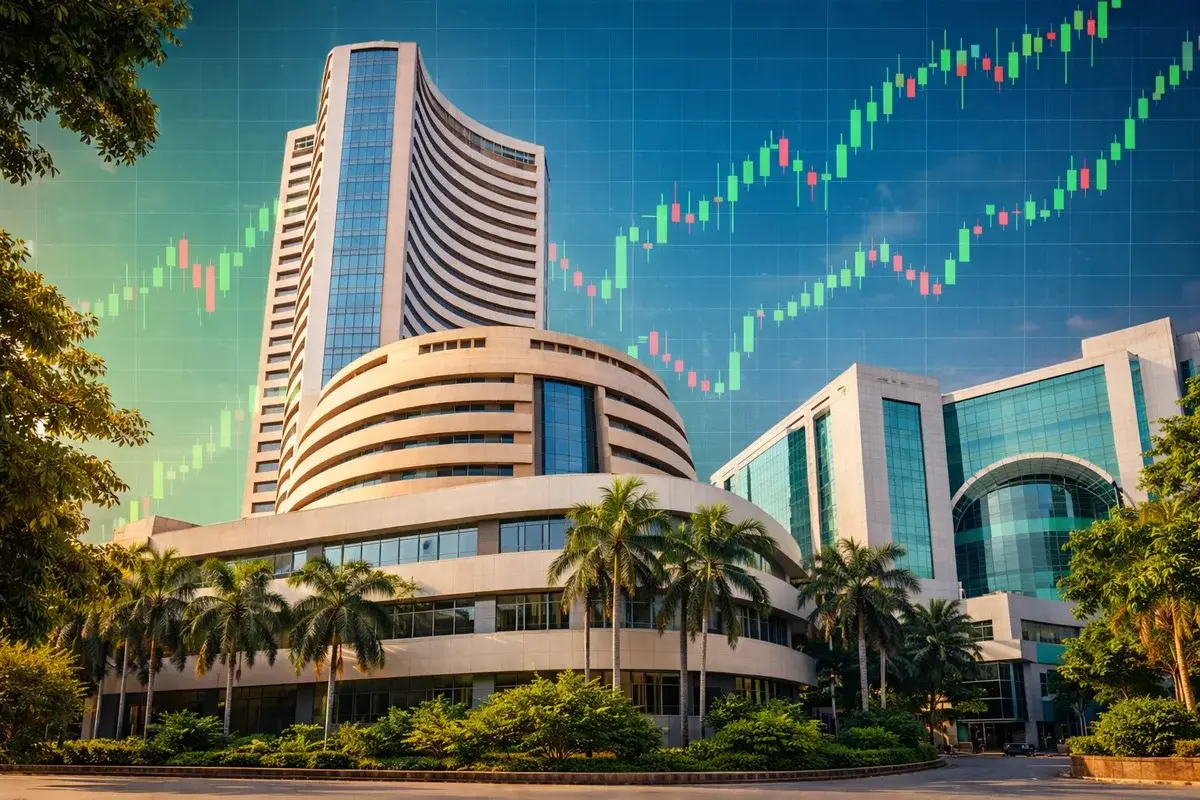
India's benchmark indices Sensex and Nifty staged a robust recovery in March 2026, gaining significantly despite ongoing geopolitical tensions.

Geopolitical tensions surrounding the US-Iran conflict led FIIs to dump ₹12,000 crore from Indian shares.

Indian refinery stocks, including Reliance, MRPL, and CPCL, surge up to 5% after China reportedly suspends diesel and gasoline exports amidst...
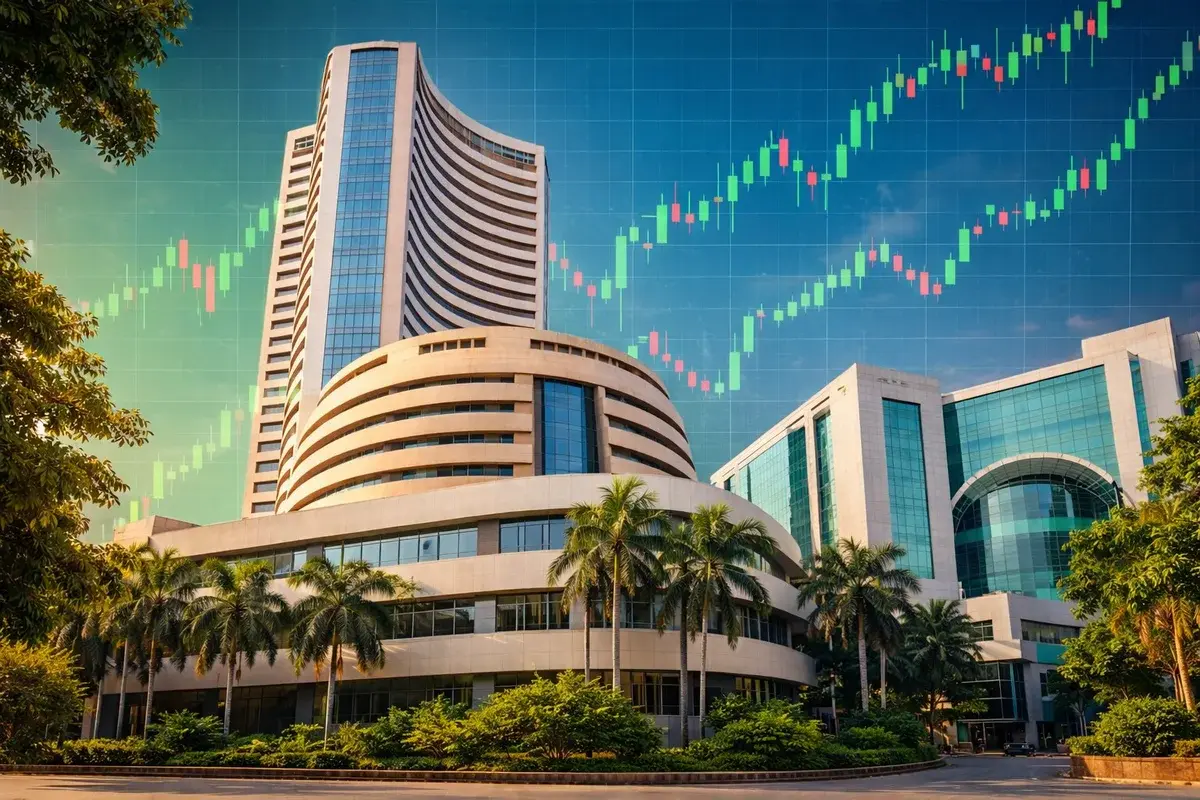
Indian markets surged in March 2026, with Sensex and Nifty rebounding on de-escalation hopes in the Middle East.
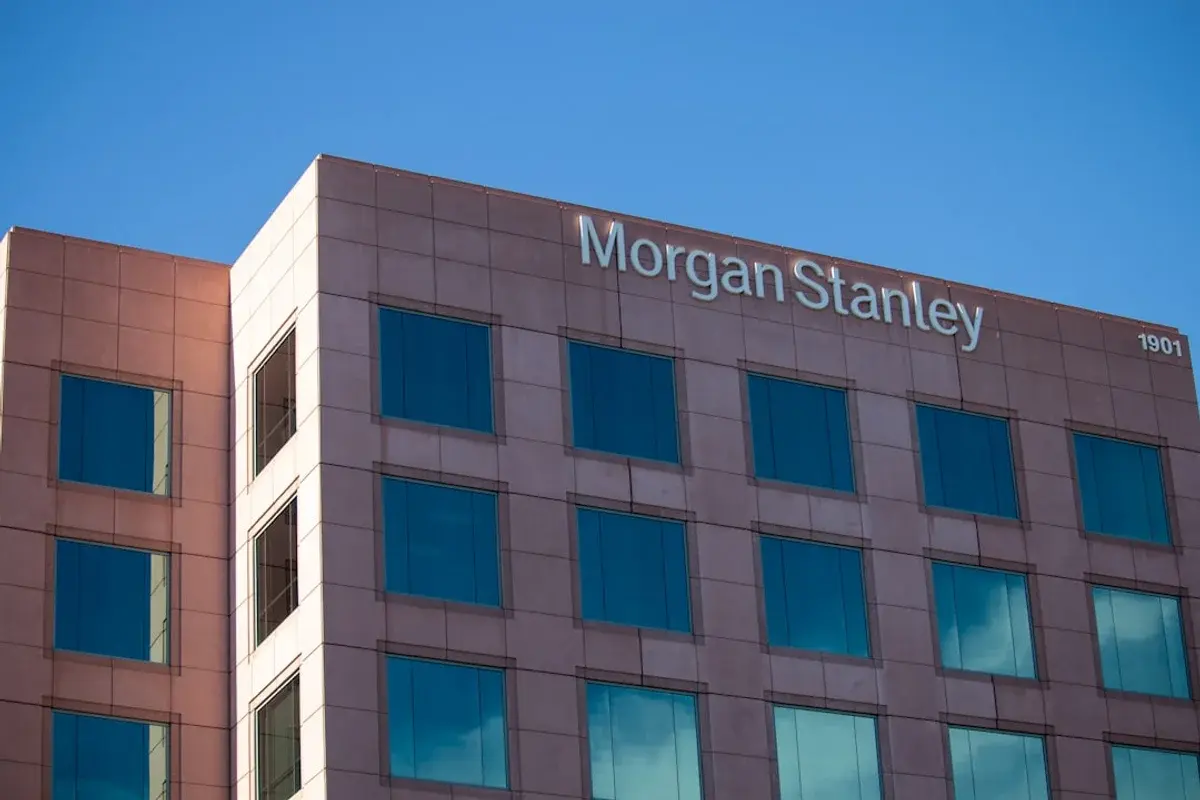
Morgan Stanley cuts 2,500 jobs across investment banking, wealth management, and trading. Despite strong financials, this strategic move signals a...