Loading market data...
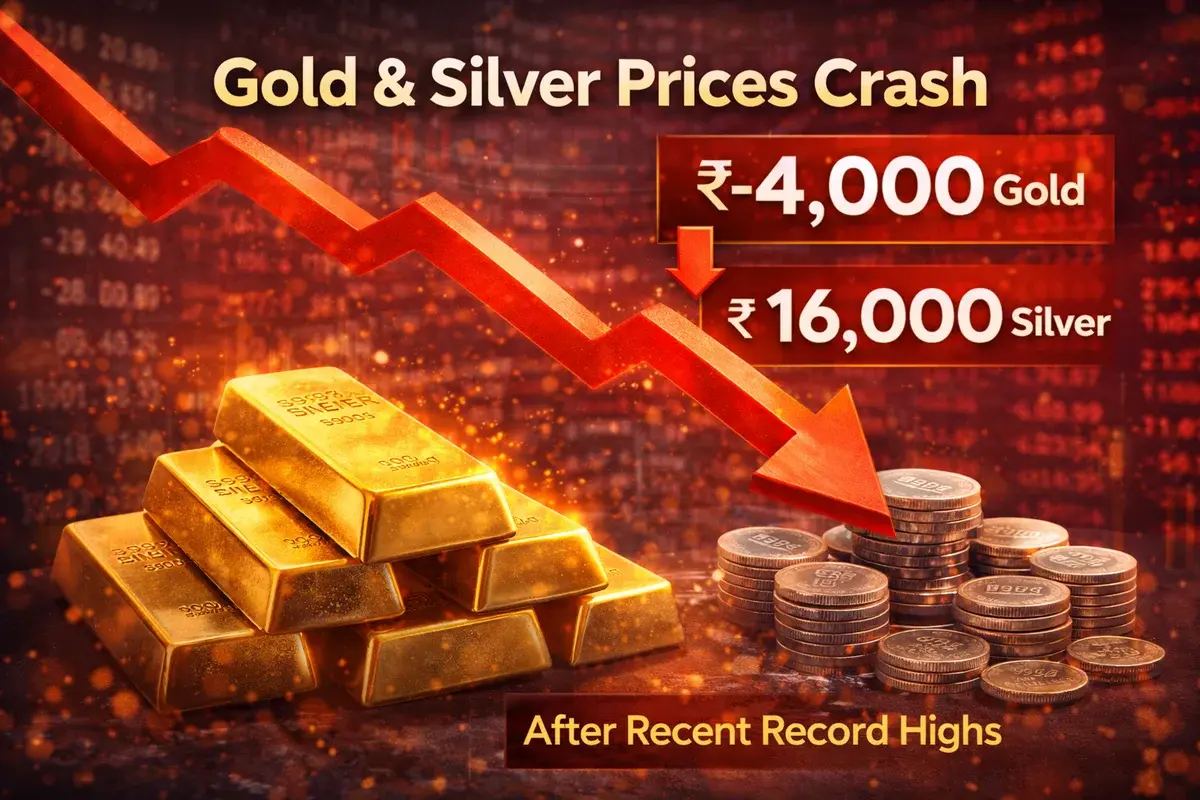
After days of relentless rally and record-breaking highs, gold and silver prices witnessed a sharp reversal, sending shockwaves across commodity markets on January 22, 2026. The steep correction, led by silver, marks one of the biggest single-day declines in recent months, prompting investors to reassess their short-term strategy.
On the Multi Commodity Exchange (MCX), silver recorded a dramatic fall of more than ₹16,000 per kilogram, while gold prices also corrected sharply, falling by over ₹4,000 per 10 grams by market close.
Latest Gold and Silver Prices in India
At Wednesday’s close on MCX:
| Commodity | Price | Change |
|---|---|---|
| Gold (10 grams) | ₹1,53,116 | ▼ ₹4,000+ |
| Silver (1 kg) | ₹3,16,501 | ▼ ₹16,000+ |
In global markets:
| Commodity | COMEX Price |
|---|---|
| Gold | $4,789 per ounce |
| Silver | $90.91 per ounce |
Earlier in the session, both metals had surged strongly—highlighting the extreme intraday volatility gripping precious metals.
How the Day Unfolded: From Euphoria to Sharp Sell-Off
During early trade on Wednesday:
However, as the session progressed, heavy profit-booking emerged, wiping out gains and pushing prices sharply lower before the closing bell.
Why Did Gold and Silver Prices Fall So Sharply?
Several key factors triggered the sudden reversal:
1. Profit Booking After Parabolic Rally
Gold and silver had rallied aggressively over the past few weeks, driven by geopolitical risk and global uncertainty. With key psychological targets achieved, traders rushed to lock in profits.
Once these levels were reached, selling pressure intensified.
2. Cooling of Geopolitical Tensions
Precious metals had surged following strong geopolitical headlines, particularly related to US President Donald Trump’s Greenland remarks and tariff threats. However, Trump’s announcement of halting tariff escalation eased immediate fears, reducing safe-haven demand.
3. Market Fatigue and Overbought Conditions
Technical indicators showed gold and silver were deeply overbought, making them vulnerable to a sharp pullback once momentum slowed.
4. Short-Term Traders Exiting Positions
Many speculative positions built during the rally were unwound aggressively, adding to the speed and magnitude of the fall.
Is This the End of the Gold and Silver Rally?
Despite the sharp correction, analysts largely agree that the broader bullish structure remains intact.
Key reasons:
Most experts view the current fall as a healthy correction, not a trend reversal.
What Should Investors Do Now?
For Short-Term Traders
For Long-Term Investors
Outlook: What Lies Ahead for Gold and Silver?
While near-term consolidation is likely, the medium-to-long-term outlook remains positive, provided geopolitical risks and global economic uncertainty persist.
Key levels to watch:
A sustained move below these levels could invite deeper correction, while stability may set the stage for another upward leg later in 2026.
Frequently Asked Questions
Why did silver fall more than gold? Silver is more volatile due to its dual role as an industrial and precious metal. Heavy speculative positioning amplified the fall.
Is it safe to buy gold and silver now? Long-term investors can consider staggered buying, while short-term traders should remain cautious due to volatility.
Are gold and silver still safe-haven assets? Yes. In periods of uncertainty, precious metals continue to attract capital despite short-term corrections.
Conclusion
The sharp fall in gold and silver prices marks a pause after an extraordinary rally, driven by profit-booking and easing geopolitical fears. While the correction may continue in the short term, the fundamental case for precious metals remains intact, keeping them firmly on investors’ radar for 2026.
Disclaimer This article is for informational purposes only and does not constitute investment advice. Commodity markets are subject to risks and volatility. Readers are advised to consult a certified financial advisor before making investment decisions.

Financial journalist specializing in market analysis, stock research, and investment trends. Dedicated to providing accurate, timely insights for informed decision-making.
Credentials: Experienced financial journalist with expertise in equity markets and economic analysis
The information provided in this article is for educational and informational purposes only and should not be construed as financial, investment, or legal advice. Finscann does not provide personalized investment recommendations.
For detailed terms and conditions, please read our Disclaimer and Terms of Service.
India's benchmark indices Sensex and Nifty staged a robust recovery in March 2026, gaining significantly despite ongoing geopolitical tensions.

Geopolitical tensions surrounding the US-Iran conflict led FIIs to dump ₹12,000 crore from Indian shares.

Indian refinery stocks, including Reliance, MRPL, and CPCL, surge up to 5% after China reportedly suspends diesel and gasoline exports amidst...
Indian markets surged in March 2026, with Sensex and Nifty rebounding on de-escalation hopes in the Middle East.
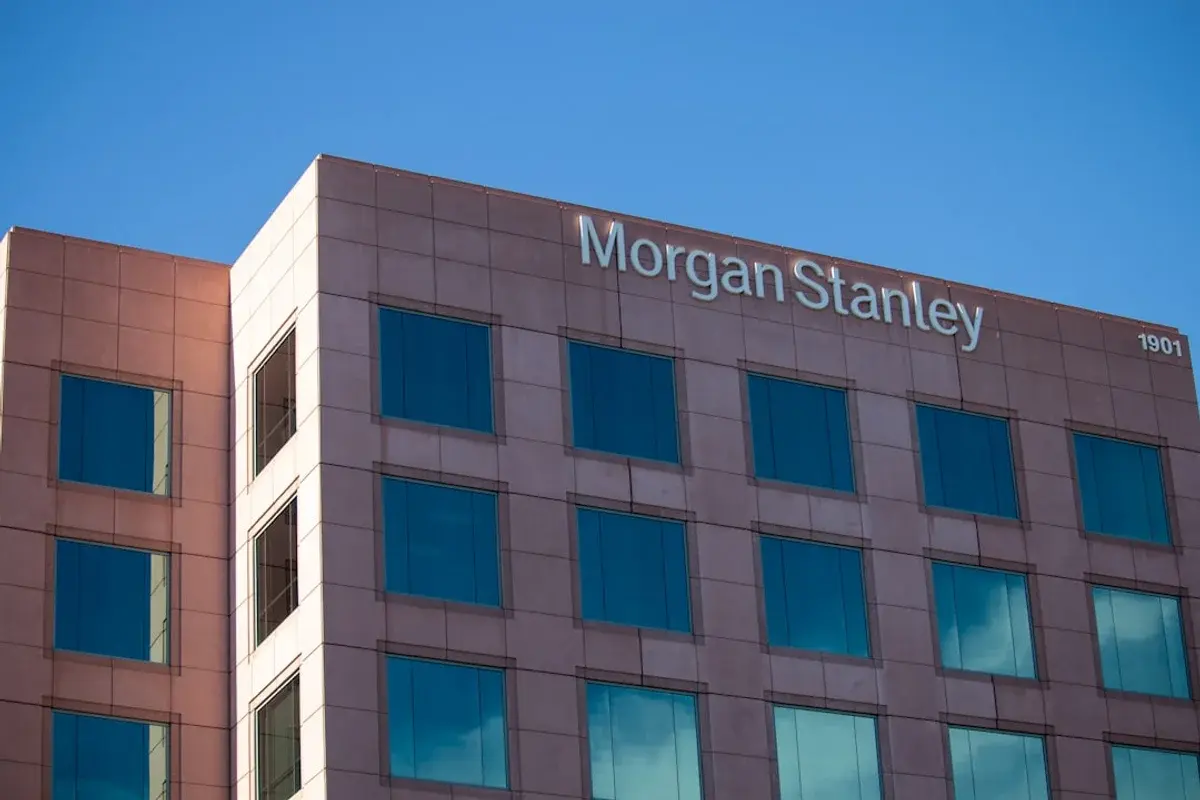
Morgan Stanley cuts 2,500 jobs across investment banking, wealth management, and trading. Despite strong financials, this strategic move signals a...