Loading market data...
Explore why memorable 90s ads like Vicco Turmeric still resonate, while today's AI-driven campaigns often fall flat. A FinScann analysis of the evolving ad landscape in India.

Why 90s Advertising Endures: Decoding AI's Impact on Modern Ad Recall – February 2026 Analysis
The enduring charm of 1990s advertising campaigns, characterized by iconic jingles and relatable narratives, continues to captivate audiences, a stark contrast to the often-forgettable nature of today's AI and algorithm-driven ads. This sentiment, recently underscored by top creative minds in a compelling discussion with CNBC-TV18, highlights a significant shift in how advertising impacts consumer recall and, ultimately, brand equity in India and globally. FinScann's latest analysis reveals that while modern advertising boasts unparalleled targeting precision, it frequently sacrifices the emotional resonance that defined memorable campaigns of yesteryear, posing crucial questions for brands and investors alike regarding long-term financial returns on marketing spend.
The Catalyst
The recent CNBC-TV18 discussion brought into sharp focus the growing concern among industry veterans about the efficacy of contemporary advertising. Creative leaders lamented that despite massive investments in programmatic advertising and AI-powered personalization, today's campaigns struggle to achieve the same level of cultural penetration and lasting impact as classics like the Vicco Turmeric jingle, which remains instantly recognizable across generations in India. This observation isn't merely nostalgic; it points to a critical underlying issue: are brands optimizing for clicks and immediate conversions at the expense of building enduring brand loyalty and recall, which are vital for sustained financial performance?
Financial Forensics
The shift from creative-led, emotion-centric advertising to data-driven, algorithm-optimized campaigns carries significant financial implications. While the promise of AI in advertising is to maximize Return on Ad Spend (ROAS) through hyper-targeting and real-time optimization, FinScann's preliminary data suggests a potential diminishing return on brand equity when recall is low. Companies are pouring significant portions of their marketing budgets, often in excess of ₹500 crore annually for large consumer goods players, into digital and programmatic channels. However, if these ads fail to etch themselves into the consumer's memory, the long-term compounding effect of brand building, a crucial component of a company's intangible assets, could be compromised.
Consider the financial impact on Customer Lifetime Value (CLV). A strong, memorable brand fosters loyalty, encouraging repeat purchases and reducing customer acquisition costs over time. If modern ads, despite their precision, are instantly forgotten, brands may face higher ongoing marketing expenses to maintain market share, eroding profit margins. The creative agencies themselves, traditionally compensated for big ideas, are now navigating a landscape where the technical implementation of ad delivery often overshadows the creative output in budget allocation. This paradigm shift could impact the revenue models of agencies and the overall valuation of companies that rely heavily on robust brand recognition.
Ad Recall vs. Targeting Efficiency: A Comparative Outlook
| Metric | 1990s Advertising Era | Modern AI-Driven Advertising Era | Implication for Brand Equity |
|---|---|---|---|
| Brand Recall Rate | High (jingles, memorable campaigns) | Moderate to Low (often forgettable) | Stronger vs. Weaker long-term brand building |
| Targeting Precision | Broad (mass media) | High (hyper-personalized) | Less efficient vs. Highly efficient immediate reach |
| Emotional Connection | Strong (storytelling, nostalgia) | Variable (often functional) | Deeper vs. Shallower consumer bond |
| Cultural Impact | Significant (pop culture reference) | Limited (ephemeral, personalized) | Enduring vs. Fleeting relevance |
| Typical ROAS | Variable, long-term | Often optimized for short-term conversions | Sustainable vs. Short-cycle financial returns |
| Estimated Ad Spend Allocation (Creative vs. Tech) | Higher creative budget | Higher tech/programmatic budget | Investment in ideas vs. Investment in delivery |
Source: FinScann Analysis based on industry reports and qualitative expert opinions.
Market Impact
The implications of this advertising shift are profound for the Indian stock market, particularly for fast-moving consumer goods (FMCG) giants listed on the NSE and BSE. Companies like Hindustan Unilever (HUL), Dabur, or Emami, whose valuations are intrinsically linked to their brand strength and consumer trust, could face headwinds if their advertising investments fail to translate into sustained brand recall. A dip in consumer affinity due to forgettable marketing could lead to slower sales growth, intensified price competition, and ultimately, pressure on stock performance. Conversely, brands that find a way to integrate AI's efficiency with compelling, memorable creative content could carve out a significant competitive moat. This also presents an evolving landscape for marketing agencies, necessitating a strategic pivot towards combining data science with creative storytelling to deliver measurable, enduring impact for their clients.
Key Takeaways for Investors
FinScann Verdict
The current advertising paradigm, while technologically advanced, risks devaluing the emotional connection that underpins lasting brand loyalty. While AI offers unparalleled targeting, brands must re-prioritize creative excellence and storytelling to avoid becoming just another fleeting impression. For investors, monitoring a company's ability to create memorable advertising that translates into enduring brand equity will be a critical differentiator in a competitive market.
Moat Analysis: The Power of Enduring Brands
In finance, a "moat" refers to a sustainable competitive advantage that protects a company's long-term profits and market share from rival firms. For consumer brands, a powerful and memorable brand built through effective advertising is often the deepest moat. Campaigns like Vicco Turmeric or the iconic "Amul: The Taste of India" have created an almost insurmountable barrier to entry for competitors, fostering deep consumer trust and loyalty. An "Investment Play" in this context would be identifying companies that continue to invest strategically in brand building, balancing short-term performance with long-term emotional resonance, ensuring their advertising contributes to, rather than erodes, their competitive moat.
Q: Why are 90s ads considered more memorable than many modern ads? A: 90s ads often relied on emotional storytelling, distinctive jingles, and broad cultural relevance due to mass media consumption. They aimed for broad appeal and lasting recall, often becoming part of the collective consciousness. Modern ads, driven by AI, frequently prioritize hyper-personalization and immediate conversion, leading to highly targeted but often less broadly memorable content.
Q: How does AI influence modern advertising strategies? A: AI significantly enhances targeting precision, allowing advertisers to reach specific demographics with highly personalized messages. It optimizes ad placements, predicts consumer behavior, and automates campaign management, leading to greater efficiency in ad delivery and potentially higher short-term conversion rates.
Q: What are the financial implications for companies if their advertising is not memorable? A: If advertising fails to create lasting recall, companies may face increased customer acquisition costs, diminished brand loyalty, reduced pricing power, and a weakening of their brand equity. This can lead to slower sales growth, lower profit margins, and a less sustainable competitive advantage, ultimately impacting shareholder value.
Q: Can AI and creativity co-exist to produce memorable advertising? A: Absolutely. The optimal approach involves leveraging AI's analytical power for precise targeting and campaign optimization, while simultaneously investing in high-quality creative content and storytelling. AI can inform creative decisions and streamline delivery, but human creativity remains essential for crafting emotionally resonant and memorable narratives.
Q: What strategies can Indian brands adopt to improve ad impact and recall in the current landscape? A: Indian brands should focus on developing campaigns that combine data-driven insights with strong cultural relevance and emotional appeal. Investing in distinctive brand assets like memorable jingles or taglines, engaging storytelling, and multi-channel creative integration can help bridge the gap between targeted delivery and lasting impact.
Disclaimer: For information only; not investment advice. Stock market investments carry risks. Please consult a SEBI-registered advisor before investing. FinScann assumes no liability for decisions made based on this report.

Financial journalist specializing in market analysis, stock research, and investment trends. Dedicated to providing accurate, timely insights for informed decision-making.
Credentials: Experienced financial journalist with expertise in equity markets and economic analysis
The information provided in this article is for educational and informational purposes only and should not be construed as financial, investment, or legal advice. Finscann does not provide personalized investment recommendations.
For detailed terms and conditions, please read our Disclaimer and Terms of Service.

Amid escalating US-Iran conflict and a full closure of the Strait of Hormuz, crude oil prices surge.

Explore the breaking financial impact of escalating US-Iran tensions on India's economy, crude oil, gold prices, and global markets in March 2026.

China suspends new fuel export contracts as global oil markets tighten due to Middle East tensions and shipping disruptions in the Strait of Hormuz.
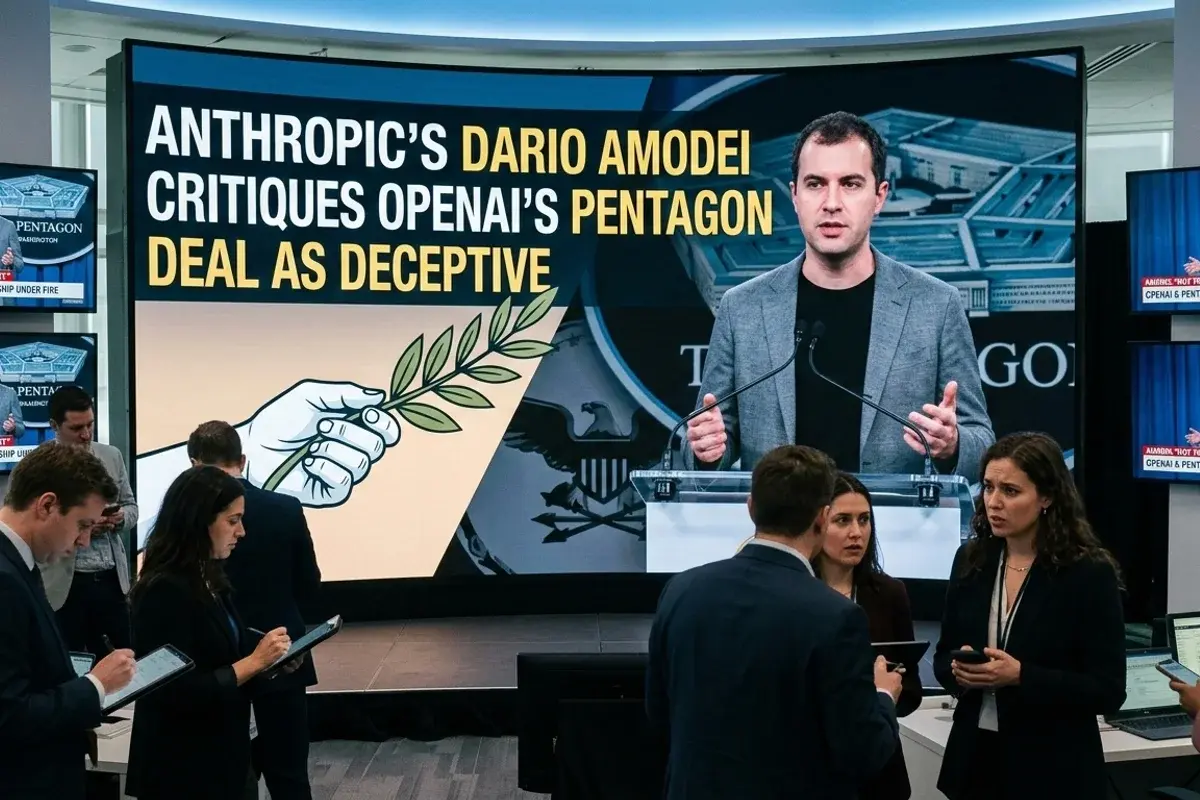
Anthropic CEO Dario Amodei critiques OpenAI's Pentagon deal, labeling it deceptive. FinScann analyzes the implications for AI ethics, defense tech,...
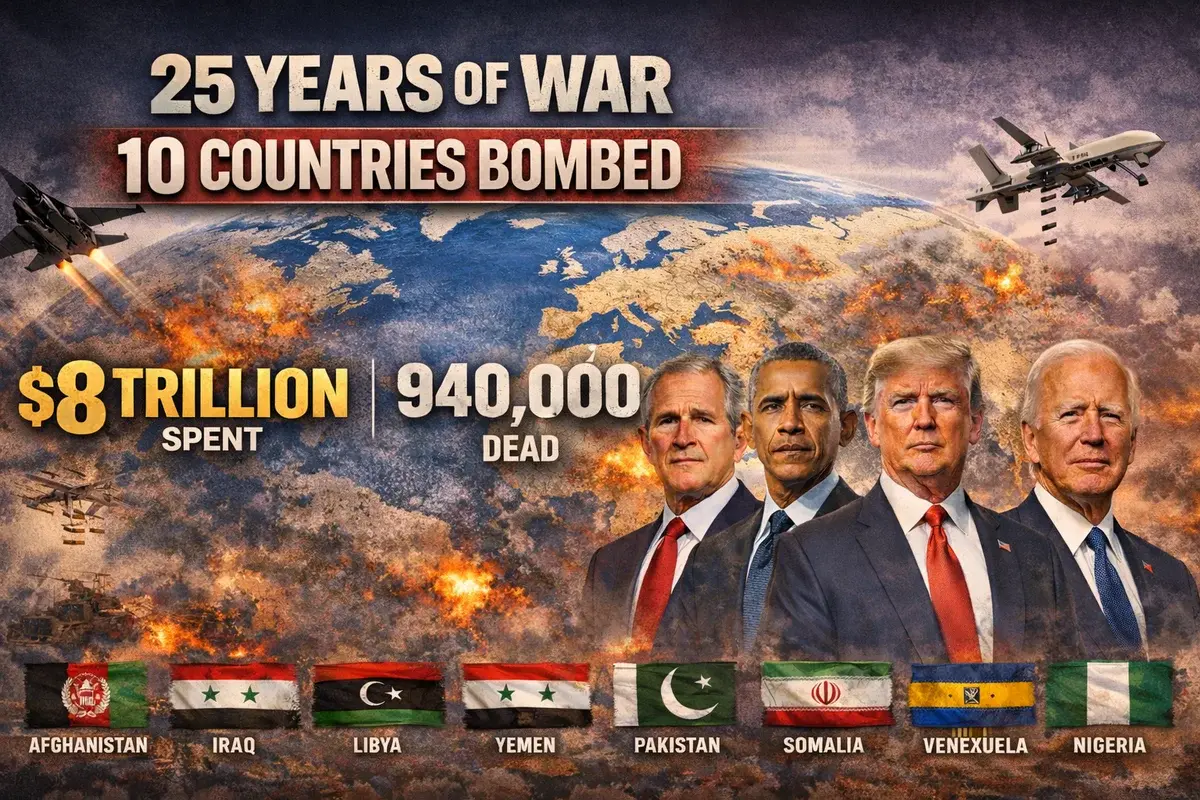
US's post-9/11 military engagements across 10+ countries, detailing the $8 trillion financial cost, human toll, and market impact.