Loading market data...
Synopsis
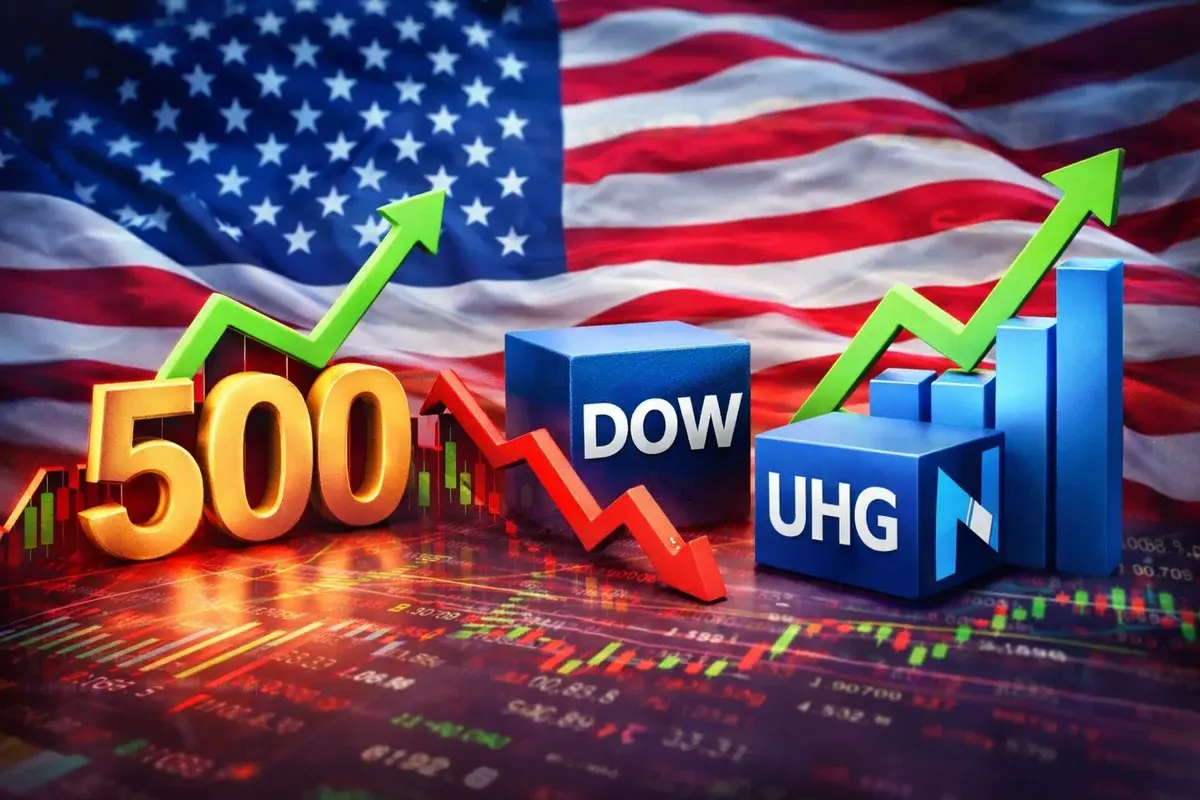
US equity markets closed mixed on Tuesday, with the S&P 500 and Nasdaq Composite ending higher as technology stocks led gains, while the Dow Jones Industrial Average fell sharply after a historic plunge in UnitedHealth Group. Investors balanced strong AI and semiconductor optimism, a flood of megacap earnings, rising geopolitical and trade uncertainty, and growing concerns around US consumer confidence and healthcare policy.
Wall Street at a Glance: How the Major Indexes Performed
| Index | Level | Change | Market Driver |
|---|---|---|---|
| S&P 500 | 6,973.93 | +0.34% | Tech strength, AI optimism |
| Nasdaq Composite | 23,803.57 | +0.86% | Semiconductors, megacap earnings |
| Dow Jones Industrial Avg | 48,863.60 | -1.11% | UnitedHealth collapse |
| Russell 2000 | 2,655.42 | -0.16% | Risk-off in small caps |
| VIX | 16.15 | Flat | Controlled volatility |
The S&P 500 hovered near record territory, supported by optimism around AI demand, chipmakers, and big tech earnings, while the Dow faced intense pressure from the healthcare sector.
Tech Stocks Lead the Charge as AI Optimism Builds
The Nasdaq outperformed as investors rotated back into technology and AI-linked names ahead of earnings from the so-called Magnificent Seven.
Key drivers behind tech strength:
Shares of Microsoft gained momentum, while broader enthusiasm around NVIDIA-linked ecosystems kept tech sentiment constructive despite macro noise.
UnitedHealth Collapse Sends Shockwaves Through the Dow
The biggest drag on US markets came from UnitedHealth Group, whose shares plunged more than 20 percent, marking one of the worst single-day performances in the stock’s history.
Why UnitedHealth Stock Crashed
The sharp fall in UnitedHealth single-handedly pulled the Dow lower, highlighting the index’s sensitivity to heavyweight components.
Healthcare Sector Under Pressure
The UnitedHealth rout spilled over into the broader healthcare space.
This marked a clear divergence between defensive healthcare stocks and growth-oriented technology names.
Consumer Confidence Plunges to Lowest Level Since 2014
Adding to caution, fresh data showed US consumer confidence fell sharply, hitting its lowest reading since 2014.
Key Takeaways from Consumer Confidence Data
This data reinforced fears that higher prices, tariff uncertainty, and political instability may begin to slow consumption.
Federal Reserve in Focus as Policy Decision Looms
Markets are closely watching the Federal Reserve’s two-day policy meeting, which began Tuesday.
Expectations include:
Fed messaging is expected to be a key catalyst for global markets in the coming sessions.
Geopolitics and Trade Add to Market Complexity
Global markets also reacted to major geopolitical developments:
The EU–India deal was seen as strategically significant, reinforcing a global shift toward supply chain diversification and new trade alliances.
Commodities: Gold Holds Firm Above Key Levels
Gold prices remained elevated, trading above the $5,000 level, supported by:
Some strategists now see further upside potential if macro instability persists.
Market Mood: Risk Appetite High, But Cracks Emerging
Despite headline risks, investor risk appetite remains elevated, according to major investment banks.
Market Sentiment Snapshot
| Indicator | Status | Interpretation |
|---|---|---|
| Risk appetite | High | Equity support continues |
| Volatility | Contained | No panic yet |
| Tech leadership | Strong | Growth still favoured |
| Defensive sectors | Weak | Policy risk rising |
| Macro uncertainty | Elevated | Short-term caution |
This suggests markets are still willing to take risk, but increasingly selective.
What Investors Are Watching Next
Key triggers ahead include:
Final Take
US markets ended the session split between optimism and anxiety.
Technology and AI enthusiasm pushed the S&P 500 and Nasdaq higher, while policy shocks and healthcare turmoil dragged the Dow sharply lower. With earnings season in full swing, a Fed decision imminent, and geopolitical realignment accelerating, markets are entering a phase where stock selection and sector rotation matter more than broad index direction.
The balance between AI-driven growth and macro-policy risk will define market direction in the days ahead.
Disclaimer
This article is for informational and educational purposes only. It does not constitute investment advice, financial recommendations, or a solicitation to buy or sell securities. Market movements are subject to risk and volatility. Readers should conduct independent research or consult qualified financial professionals before making investment decisions.

Financial journalist specializing in market analysis, stock research, and investment trends. Dedicated to providing accurate, timely insights for informed decision-making.
Credentials: Experienced financial journalist with expertise in equity markets and economic analysis
The information provided in this article is for educational and informational purposes only and should not be construed as financial, investment, or legal advice. Finscann does not provide personalized investment recommendations.
For detailed terms and conditions, please read our Disclaimer and Terms of Service.

Amid escalating US-Iran conflict and a full closure of the Strait of Hormuz, crude oil prices surge.

Explore the breaking financial impact of escalating US-Iran tensions on India's economy, crude oil, gold prices, and global markets in March 2026.

China suspends new fuel export contracts as global oil markets tighten due to Middle East tensions and shipping disruptions in the Strait of Hormuz.

Anthropic CEO Dario Amodei critiques OpenAI's Pentagon deal, labeling it deceptive. FinScann analyzes the implications for AI ethics, defense tech,...
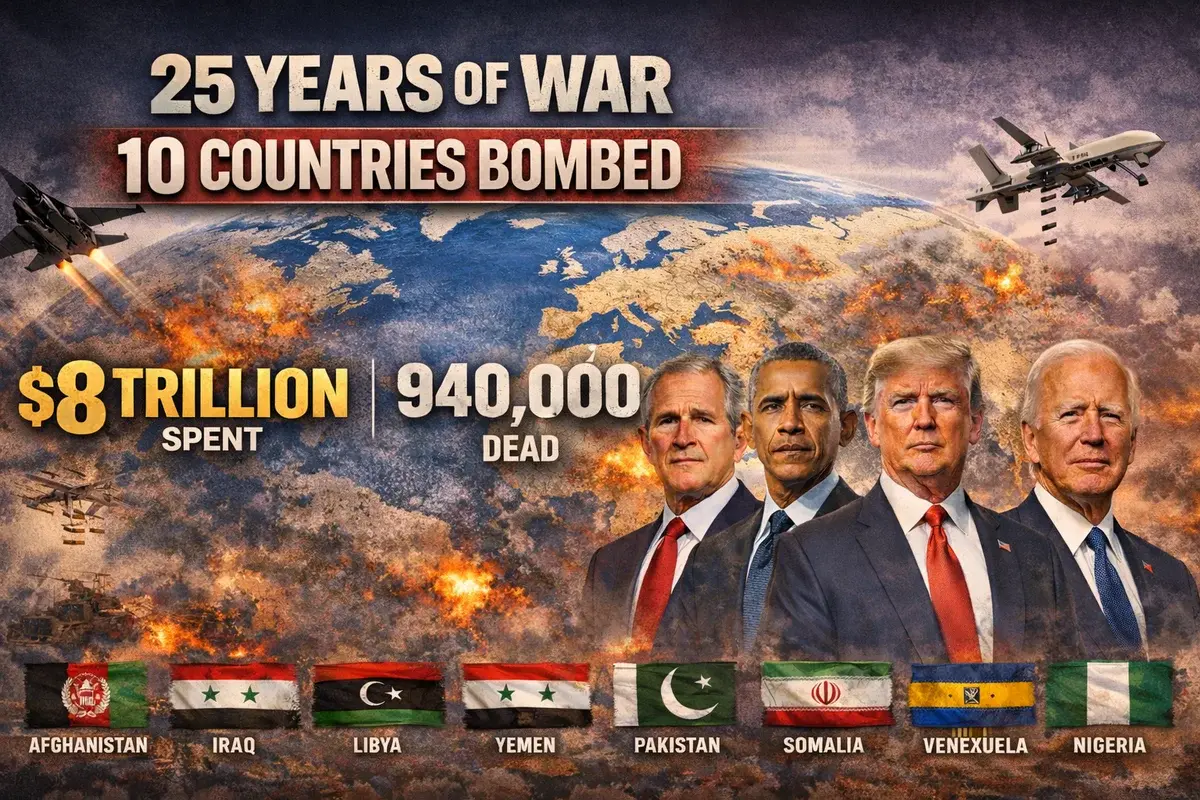
US's post-9/11 military engagements across 10+ countries, detailing the $8 trillion financial cost, human toll, and market impact.