Loading market data...
Synopsis
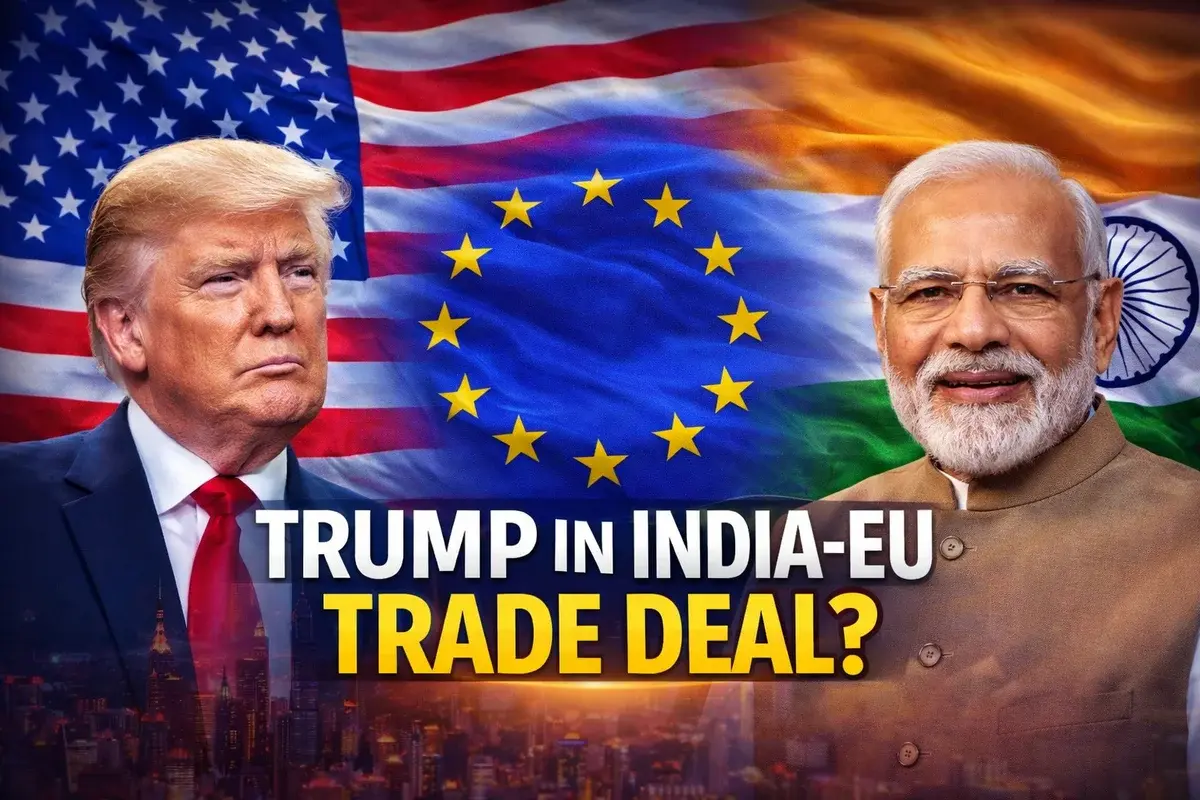
The recently concluded India EU free trade agreement, widely described as the “mother of all deals”, is rapidly reshaping global trade conversations. As India and the European Union celebrate a landmark pact aimed at slashing tariffs and boosting bilateral commerce, attention has shifted sharply to Donald Trump’s reaction to the India EU deal, with Washington viewing the agreement as a direct challenge to US tariff policy and trade leverage. The deal underscores a broader global trade realignment, as major economies hedge against volatile US trade actions and escalating tariff uncertainty.
Why the India–EU Trade Deal Is a Global Inflection Point
The India EU trade deal is not just another bilateral agreement — it represents a structural shift in the global trading system.
After nearly two decades of negotiations, the agreement commits both sides to eliminate or sharply reduce tariffs on the majority of goods traded, covering sectors ranging from automobiles and industrial goods to agriculture, services, and manufacturing exports.
In an era defined by trade wars, tariff shocks, and geopolitical fragmentation, the pact positions India and the EU as anchors of multilateral trade stability.
Key drivers behind the agreement include:
Table 1: India–EU Trade Deal at a Glance
| Metric | Details |
|---|---|
| Negotiation timeline | Nearly 20 years |
| Market size covered | ~2 billion people |
| Tariff impact | Cuts to near zero on most goods |
| Strategic purpose | Hedge against US tariff volatility |
| Key beneficiaries | Manufacturing, services, exports |
Why Trump’s Reaction Matters So Much
The US reaction to the EU India FTA is being closely watched because the deal directly intersects with Trump trade policy, which has relied heavily on tariffs as a geopolitical and economic weapon.
The White House has already imposed:
From Washington’s perspective, the India EU trade pact undermines US leverage, especially as it opens European markets to India while American exporters face barriers.
US Treasury officials have publicly criticized Europe for moving forward, highlighting growing US EU India trade tensions.
Strategic Hedge Against US Tariffs
Analysts widely see the agreement as a strategic hedge against volatile US trade policy.
Rather than waiting for clarity from Washington, India and the EU have opted for:
This approach reflects a broader global trade fragmentation trend, where countries increasingly diversify economic partnerships to reduce exposure to unilateral tariff shocks.
India’s Position: Multilateralism Over Bilateral Pressure
India has framed the deal as evidence of its commitment to the multilateral trading system, even as global trade norms face pressure.
For India, the agreement:
Indian officials have downplayed concerns about US retaliation, emphasizing the strength of US-India relations despite trade disagreements.
Table 2: India’s Strategic Trade Balancing Act
| Partner | Strategy |
|---|---|
| European Union | Deep integration via FTA |
| United States | Managed engagement amid tariffs |
| China | Selective decoupling |
| Global South | Export expansion |
Europe’s Calculated Risk With Washington
Europe faces a delicate balancing act.
While the EU values its transatlantic relationship, officials increasingly acknowledge the need for greater economic sovereignty.
Key European motivations include:
European leaders have been candid that economic resilience now requires diversification, even if it risks friction with Washington.
Geopolitical Implications Beyond Trade
The India EU trade pact impact extends well beyond commerce.
It signals:
At a time when global trade war fears remain elevated, the deal reinforces the idea that large economies can still cooperate without US mediation.
What Markets Are Watching Next
Investors and policymakers are now focused on:
Any aggressive US response could trigger market volatility, particularly in sectors tied to autos, manufacturing, and exports.
Table 3: Market Sensitivity Areas
| Sector | Risk Level |
|---|---|
| Automobiles | High |
| Industrial exports | Medium-High |
| Energy and oil trade | Medium |
| Financial markets | Event-driven |
Final Take
The India EU free trade agreement, branded the “mother of all deals”, marks a decisive moment in global trade realignment.
While India and Europe celebrate a historic pact designed to boost growth and stability, the spotlight remains firmly on Donald Trump’s reaction, as Washington weighs how to respond to a deal that challenges its tariff-centric trade strategy.
Whether the US chooses confrontation or recalibration, one message is already clear: The global trade order is evolving — and countries are no longer willing to wait for US approval to move forward.
Disclaimer
This article is for informational and educational purposes only. It does not constitute investment advice, policy guidance, or a recommendation. Readers should rely on official government statements and professional analysis before making economic or financial decisions.

Financial journalist specializing in market analysis, stock research, and investment trends. Dedicated to providing accurate, timely insights for informed decision-making.
Credentials: Experienced financial journalist with expertise in equity markets and economic analysis
The information provided in this article is for educational and informational purposes only and should not be construed as financial, investment, or legal advice. Finscann does not provide personalized investment recommendations.
For detailed terms and conditions, please read our Disclaimer and Terms of Service.

Amid escalating US-Iran conflict and a full closure of the Strait of Hormuz, crude oil prices surge.

Explore the breaking financial impact of escalating US-Iran tensions on India's economy, crude oil, gold prices, and global markets in March 2026.
China suspends new fuel export contracts as global oil markets tighten due to Middle East tensions and shipping disruptions in the Strait of Hormuz.
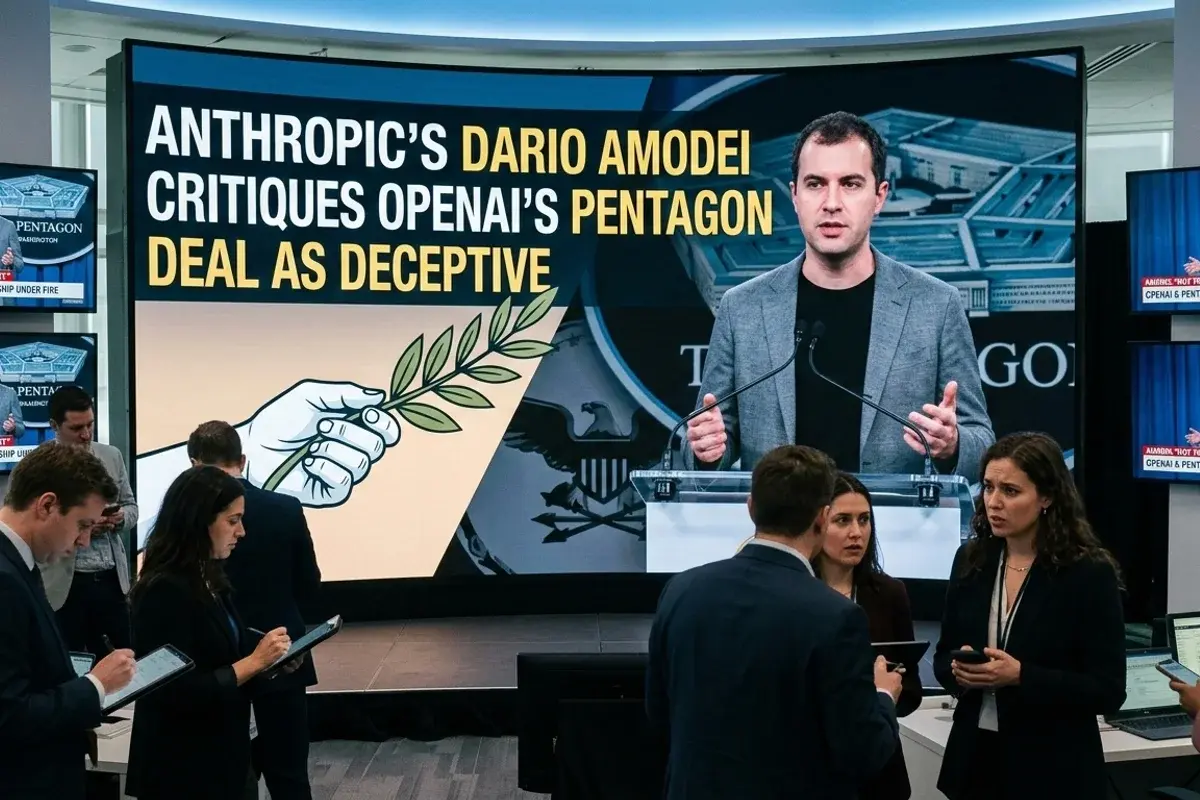
Anthropic CEO Dario Amodei critiques OpenAI's Pentagon deal, labeling it deceptive. FinScann analyzes the implications for AI ethics, defense tech,...
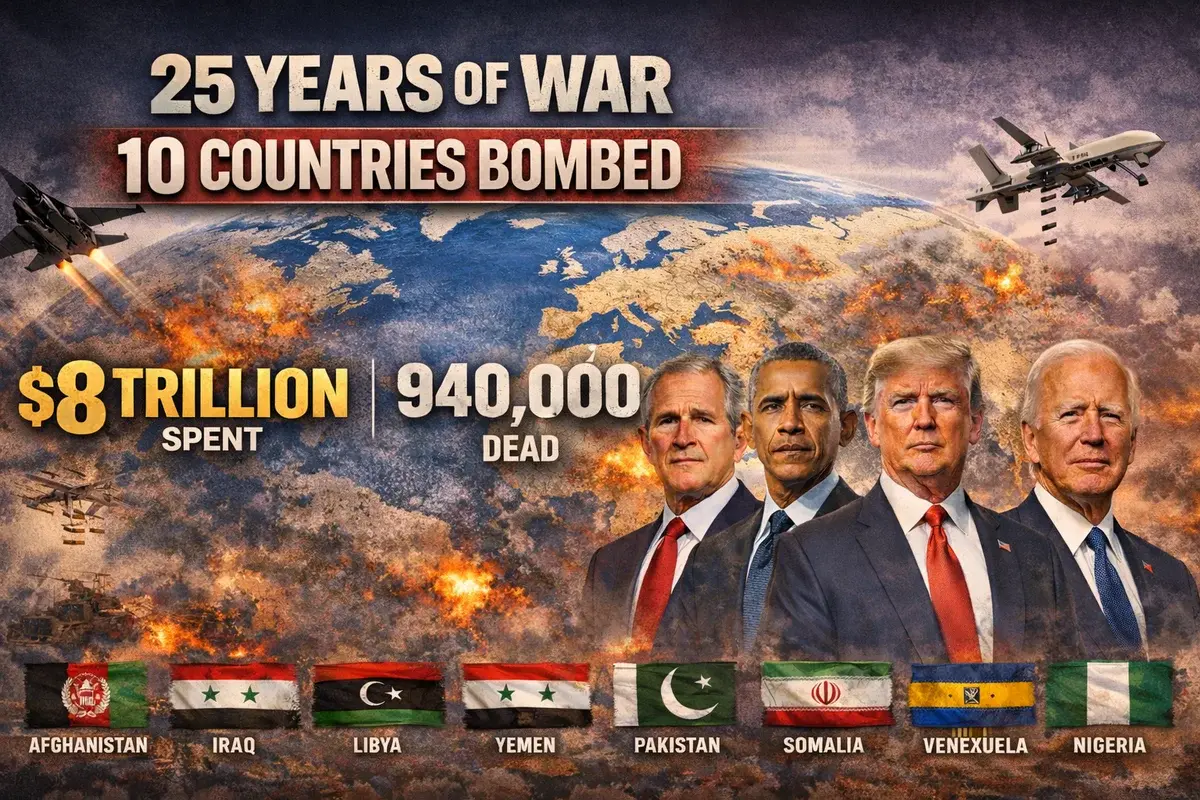
US's post-9/11 military engagements across 10+ countries, detailing the $8 trillion financial cost, human toll, and market impact.