Loading market data...
The ongoing West Asia conflict is causing unprecedented oil disruption, warning Daniel Yergin. FinScann analyzes the Strait of Hormuz crisis, crude price surges, and India's energy security in March 2026.

The escalating West Asia conflict has triggered what Daniel Yergin, Vice Chairman of S&P Global, warns could be the "greatest oil supply disruption in history," fundamentally reshaping global energy markets in March 2026. This alarming development, fueled by drone attacks and heightened geopolitical tensions, has brought critical shipping lanes like the Strait of Hormuz to a near standstill, sending Brent crude prices soaring and posing significant risks to energy-dependent economies, particularly in Asia, including India.
The Catalyst
The core of this unprecedented energy crisis lies in the ongoing West Asia war, which has directly impacted the unimpeded flow of oil and liquefied natural gas (LNG) through the Strait of Hormuz. This vital maritime chokepoint, crucial for approximately 20% of global oil supplies and nearly one-fifth of global LNG, primarily sourced from Qatar, is facing an effective closure. Typically, around 90 tankers would navigate the Strait daily, but current figures indicate a drastic plummet to "virtually none" or a reduction of up to 94% due to the conflict and soaring war-risk insurance premiums. Insurance costs for supertankers have surged by 60% since hostilities began, exacerbating transit challenges.
Financial Forensics
The repercussions are severe and immediate. Global oil prices have experienced unprecedented volatility. Brent crude, the international benchmark, surged to $92.69 per barrel by March 6, 2026, marking an 8.5% daily increase and a nearly 30% rise for the week. West Texas Intermediate (WTI) crude futures also rallied significantly, contributing to oil's biggest weekly gain since 1983, with a 35-36% surge. Analysts, including those from Infomerics Ratings and JPMorgan Chase, are now forecasting that crude prices could climb to $100 or even $120-$150 per barrel if the conflict persists.
This is not merely a pricing issue; it’s translating into physical supply disruptions. Kuwait's state-owned oil firm KPC has begun cutting crude output and refinery runs as oil exports are effectively halted due to storage limitations. Iraq has also initiated production shutdowns at major oilfields, losing over 2 million barrels per day. Furthermore, QatarEnergy has suspended LNG production after its facilities were targeted, adding natural gas to the list of affected commodities. While Saudi Arabia and the UAE possess bypass pipelines, these cannot fully compensate for a prolonged closure of the Strait.
For India, a nation heavily reliant on imported crude, the implications are particularly acute. India imports approximately 88.6% of its crude oil requirements, with nearly 46.9% sourced from West Asia during April-January of the current financial year. This dependency is projected to increase to 92% by 2035. The surge in crude prices directly fuels inflationary pressures; a $10 increase in crude oil prices can add roughly 0.2 to 0.4 percentage points to India's CPI inflation. The Sensex and Nifty benchmarks have already experienced pressure, with Indian equities reeling under the impact of rising energy prices.
Comparison of Key Energy Market Indicators (Pre-Conflict vs. March 2026)
| Indicator | Pre-Conflict (approx. Jan 2026) | March 2026 (Current) | Source |
|---|---|---|---|
| Brent Crude Price (USD/bbl) | Below $70 | Over $92 (up to $94) | |
| Weekly Oil Price Change | Stable | +35.6% (largest weekly gain since 1983) | |
| Strait of Hormuz Tanker Traffic | ~90 tankers/day | "Virtually none" or down 70-94% | |
| War-Risk Insurance Premiums | Normal | Up 60% for supertankers |
Market Impact
The sustained disruption is shaking investor sentiment globally, with equity markets, particularly in energy-importing nations like India, facing considerable pressure. While India has made strides in diversifying its crude oil sources, including increasing imports from Russia, nearly 50% of its LNG and over 85% of LPG imports still transit the Strait of Hormuz, creating distinct vulnerabilities for these essential fuels. A temporary 30-day waiver from the U.S. allowing Indian refiners to purchase Russian crude offers some near-term relief but highlights the ongoing geopolitical complexities. The International Energy Agency (IEA) acknowledges "logistical disruption" creating challenges but indicates "plenty of oil in the market" globally, yet no immediate release of emergency stocks is planned.
Key Takeaways
FinScann Verdict
FinScann analysis indicates that the current West Asia crisis presents a grave challenge to global energy security, with India at a critical juncture. The duration of this conflict will be paramount in determining the extent of economic shock. Investors should brace for sustained energy price volatility and its cascading effects on inflation and corporate earnings, particularly in energy-intensive sectors. Diversification and strategic reserves are crucial, but immediate market dynamics demand vigilance.
Q: What is the Strait of Hormuz and why is it important for global energy? A: The Strait of Hormuz is a narrow waterway between the Persian Gulf and the Gulf of Oman, acting as a critical chokepoint for global oil and gas trade. Approximately 20% of the world's crude oil supplies and nearly one-fifth of global LNG shipments transit this Strait daily, making it strategically vital for energy markets worldwide.
Q: How does the West Asia conflict specifically affect global oil prices? A: The conflict affects global oil prices by directly disrupting supply routes, primarily the Strait of Hormuz, and leading to physical production shutdowns in the region. Increased war-risk insurance premiums for tankers further raise transportation costs, which are passed on to consumers. This creates a significant "geopolitical risk premium" in crude prices, pushing benchmarks like Brent crude significantly higher.
Q: What is the primary impact of this energy crisis on India's economy? A: The primary impact on India's economy is multi-faceted: higher crude import bills, increased inflationary pressures (particularly on CPI), potential pressure on the Indian Rupee, and a widening of the trade, current account, and fiscal deficits. India's equity markets (Sensex, Nifty) also experience downward pressure due to investor uncertainty and rising input costs for businesses.
Q: Will oil prices reach $100 or higher in the near term? A: Yes, several market analysts and economists, including Infomerics Ratings and JPMorgan Chase, predict that crude oil prices could reach or exceed $100 per barrel, potentially even hitting $120-$150 per barrel, if the West Asia conflict prolongs and disruptions to the Strait of Hormuz continue. The current trajectory of Brent crude, which surged past $92 per barrel in early March 2026, supports this outlook.
Q: How is India mitigating its energy security risks amidst the ongoing crisis? A: India is actively diversifying its crude oil import sources, including a notable increase in imports from Russia, and is expanding its strategic petroleum reserves to cushion against supply shocks. Diplomatic efforts, such as the temporary U.S. waiver for Russian crude, also play a role in managing immediate supply pressures. However, vulnerabilities remain, especially concerning LNG and LPG imports through the Strait of Hormuz.
Disclaimer: For information only; not investment advice. Stock market investments carry risks. Please consult a SEBI-registered advisor before investing. FinScann assumes no liability for decisions made based on this report.

Financial journalist specializing in market analysis, stock research, and investment trends. Dedicated to providing accurate, timely insights for informed decision-making.
Credentials: Experienced financial journalist with expertise in equity markets and economic analysis
The information provided in this article is for educational and informational purposes only and should not be construed as financial, investment, or legal advice. Finscann does not provide personalized investment recommendations.
For detailed terms and conditions, please read our Disclaimer and Terms of Service.
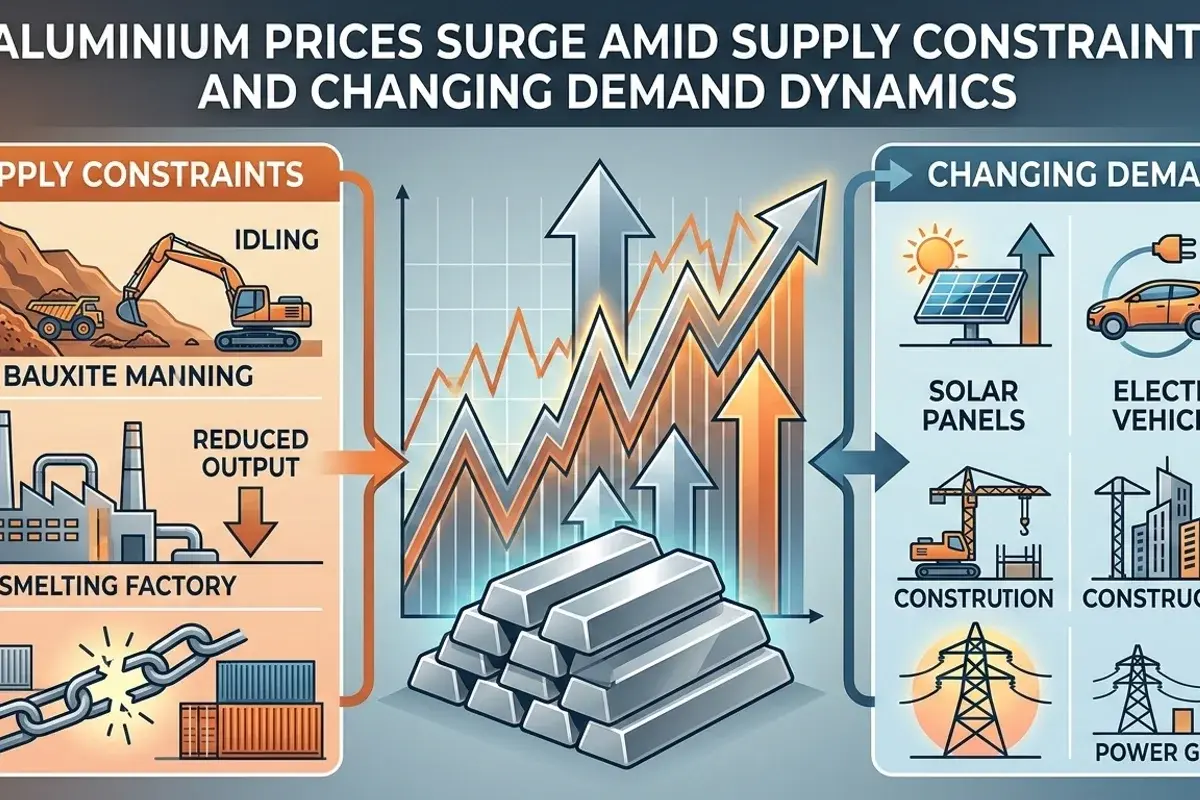
Aluminium prices have seen a significant rise of over 30% in the past two years, driven by increasing demand from clean energy initiatives and...

The recent volatility in gold and silver prices highlights how evolving global market conditions are reshaping traditional safe haven assets.

Gold and silver rates jump on MCX today amid dollar weakness and escalating US-Iran conflict.

Global crude oil prices have soared by 18% this week, with Brent nearing $85/barrel. FinScann analyzes the Middle East crisis, Strait of Hormuz...
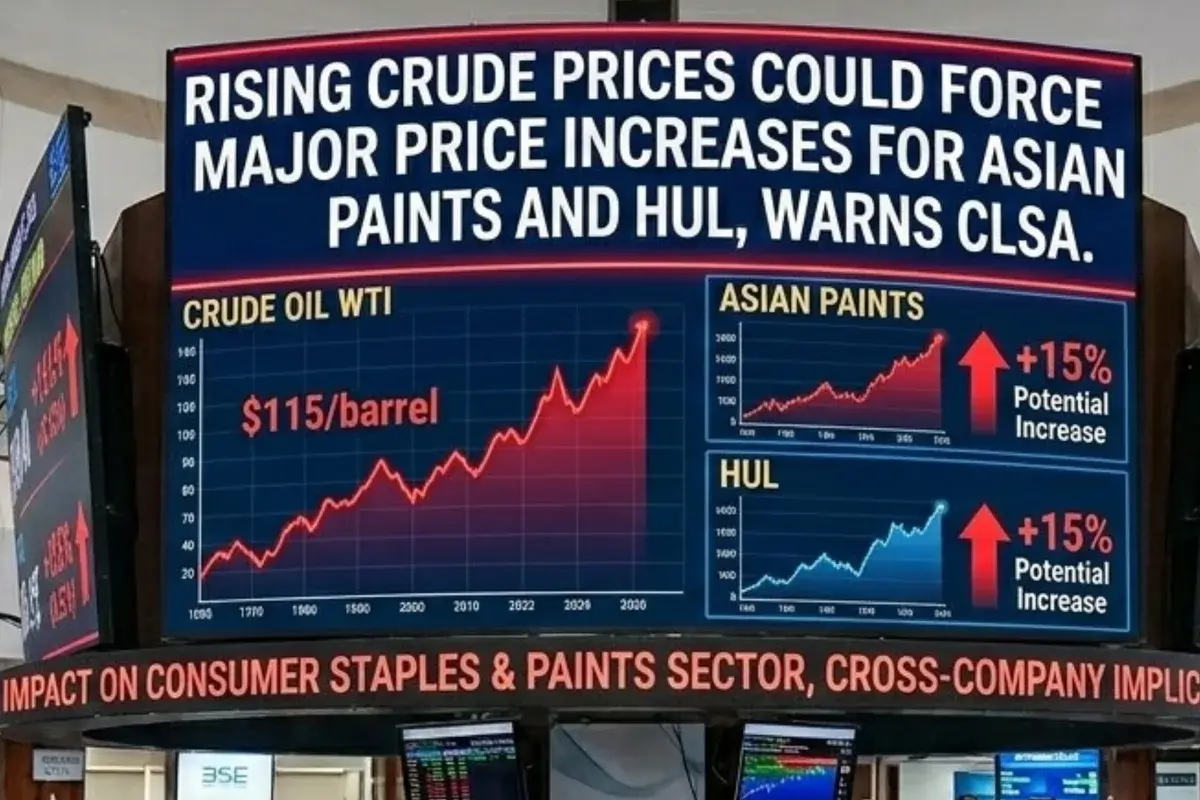
Surging crude oil prices could force major price increases for Indian giants Asian Paints and HUL, warns CLSA.