Loading market data...
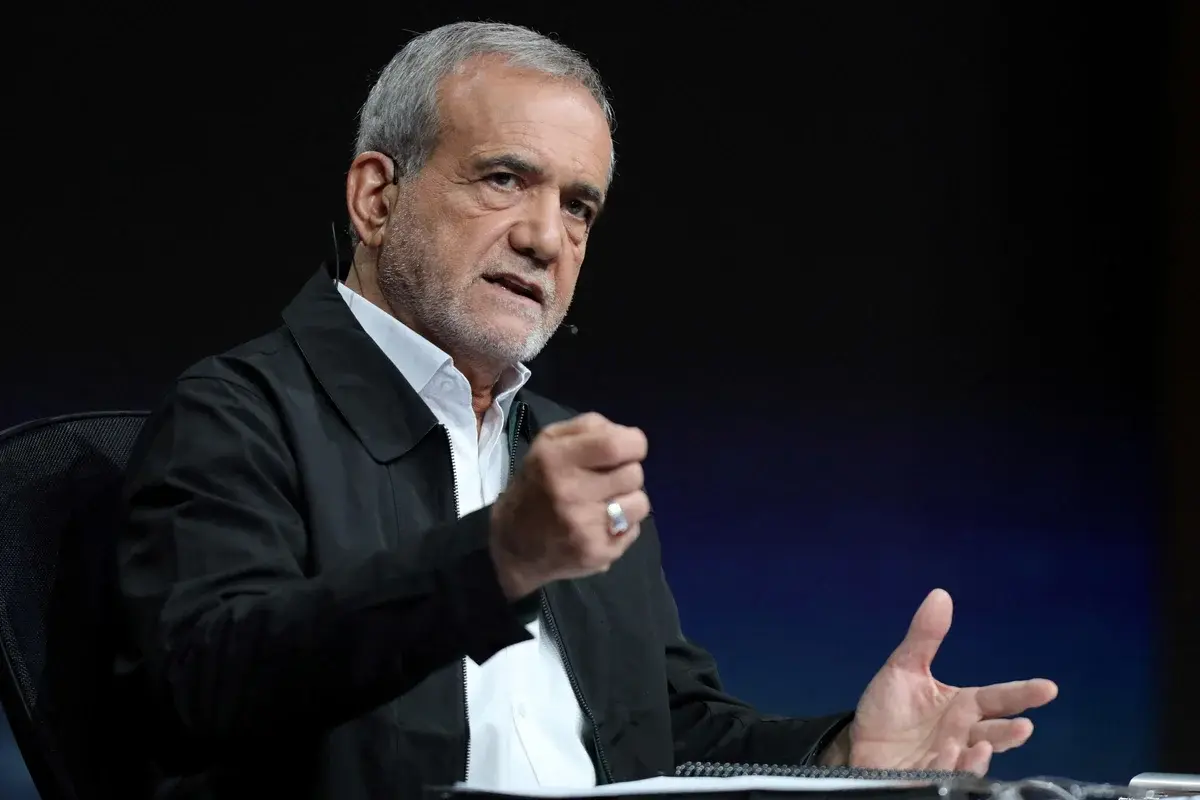
Iran’s President Masoud Pezeshkian issued a rare public apology on March 7, 2026, for missile and drone strikes targeting neighbouring countries, stating that the attacks were the result of “miscommunication” within Iran’s military command structure. The announcement came amid escalating hostilities in the Middle East following a week of intense military exchanges between Iran, Israel, and the United States.
In a prerecorded televised address, Pezeshkian said Iran’s temporary leadership council had approved a suspension of attacks against regional states unless those countries were directly used as launch points for attacks against Iran. The statement appeared aimed at calming tensions across the Gulf region after Iranian strikes reportedly targeted or threatened locations in Bahrain, Saudi Arabia, and the United Arab Emirates.
Despite the conciliatory tone toward regional neighbours, Tehran remained defiant toward Washington, with Pezeshkian dismissing calls from the United States Government for an unconditional surrender as unrealistic.
| Key Developments | Details |
|---|---|
| Iranian Announcement | Suspension of attacks on neighbouring states |
| Stated Reason for Earlier Strikes | Miscommunication within military ranks |
| Ongoing Conflict | Iran responding to U.S.–Israel strikes |
| U.S. Demand | Unconditional surrender |
| Iranian Response | Rejected demand |
The remarks signal a potential diplomatic opening toward regional governments even as the broader conflict with Israel and the United States continues to intensify.
Pezeshkian’s statement marked one of the first attempts by Iran’s leadership to publicly ease tensions with Gulf countries since the conflict escalated earlier in the week. By acknowledging miscommunication as the cause of recent attacks, Tehran appeared to be sending a message that it does not seek a broader war with neighbouring states.
Iranian officials emphasized that future military actions would only target countries that actively facilitate attacks against Iranian territory.
| Regional Context | Situation |
|---|---|
| Bahrain | Reported missile threats |
| Saudi Arabia | Targeted during regional strikes |
| United Arab Emirates | Security alerts after missile interceptions |
| Iran’s Position | Defensive retaliation |
The clarification comes after several Gulf states raised security alerts following reports of Iranian projectiles or drones entering their airspace during the ongoing hostilities.
Regional governments have been closely monitoring the situation as fears grow that the Iran-Israel confrontation could spill over into a broader Middle East conflict involving multiple countries.
While Iran signaled a pause toward neighbouring countries, the broader military confrontation involving Israel and the United States remains active.
Iran has continued launching missiles and drones across the region in response to airstrikes carried out by Israeli and U.S. forces targeting Iranian military infrastructure.
According to regional defense officials, multiple Iranian attacks were reported early Saturday across parts of the Gulf region.
| Military Activity | Status |
|---|---|
| Iranian Missile Launches | Ongoing |
| Israeli Airstrikes | Continuing |
| U.S. Military Support | Active |
| Regional Security Alerts | High |
The strikes are part of what analysts describe as the most serious escalation between Iran and Israel in recent years, raising concerns about the possibility of a prolonged regional conflict.
Amid the rising tensions, the administration of Donald Trump approved a new $151 million arms sale to Israel, reinforcing U.S. military support for its key Middle Eastern ally.
U.S. officials warned that a new phase of military operations targeting Iran could be imminent, describing the planned campaign as potentially the most intense stage of the conflict so far.
| U.S. Support Measures | Details |
|---|---|
| Arms Sale to Israel | $151 Million |
| U.S. Position | No negotiations without surrender |
| Military Strategy | Potential escalation |
| Diplomatic Status | No active talks |
Washington has maintained that it will not engage in negotiations with Tehran unless Iran agrees to unconditional surrender terms, a demand that Iranian leaders have strongly rejected.
In his address, Pezeshkian dismissed the U.S. demand outright, describing it as unrealistic and politically motivated.
The Iranian president said the idea of surrender was a “dream that they should take to their grave,” reflecting Tehran’s determination to continue resisting foreign pressure.
Iran’s ambassador to the United Nations also reiterated the country’s stance, stating that Iran would take “all necessary measures” to defend its sovereignty and territorial integrity.
| Iranian Position | Statement |
|---|---|
| Response to U.S. Demand | Rejected |
| Iran’s Strategy | Defensive retaliation |
| UN Statement | Prepared to defend sovereignty |
| Diplomatic Outlook | Uncertain |
The remarks underscore the widening diplomatic gap between Tehran and Washington, making a negotiated resolution to the conflict increasingly difficult in the near term.
The escalating conflict has triggered heightened security concerns across the Gulf region, where several countries host major energy infrastructure and strategic shipping routes.
Air defense systems across multiple states have reportedly been activated as authorities remain on alert for potential missile or drone activity.
| Regional Impact | Risk Level |
|---|---|
| Energy Infrastructure | High concern |
| Airspace Security | Elevated alerts |
| Commercial Aviation | Disruptions reported |
| Regional Diplomacy | Increasing pressure |
Air travel disruptions have already been reported in parts of the region as authorities temporarily restricted airspace following missile interceptions and security alerts.
Global markets are also closely monitoring the situation, as any prolonged conflict in the Gulf region could disrupt oil supply routes and increase volatility in energy markets.
Despite Iran’s announcement of a temporary halt to attacks on neighbouring countries, the broader confrontation involving Iran, Israel, and the United States shows little sign of ending in the near future.
Military analysts warn that continued airstrikes and retaliatory attacks could escalate the conflict further, potentially drawing additional countries into the crisis.
For now, Tehran’s attempt to reassure regional neighbours may help prevent immediate escalation beyond the existing conflict zones, but diplomatic tensions remain extremely high.
As military operations continue and diplomatic channels remain largely inactive, the coming days are likely to determine whether the conflict stabilizes or expands into a wider regional crisis.
Disclaimer: This article is for informational purposes only and reflects publicly reported developments at the time of writing.

Financial journalist specializing in market analysis, stock research, and investment trends. Dedicated to providing accurate, timely insights for informed decision-making.
Credentials: Experienced financial journalist with expertise in equity markets and economic analysis
The information provided in this article is for educational and informational purposes only and should not be construed as financial, investment, or legal advice. Finscann does not provide personalized investment recommendations.
For detailed terms and conditions, please read our Disclaimer and Terms of Service.
No related topics available

The US-Iran conflict has escalated significantly in March 2026, driving oil prices toward $100, surging gold to multi-year highs, and impacting...
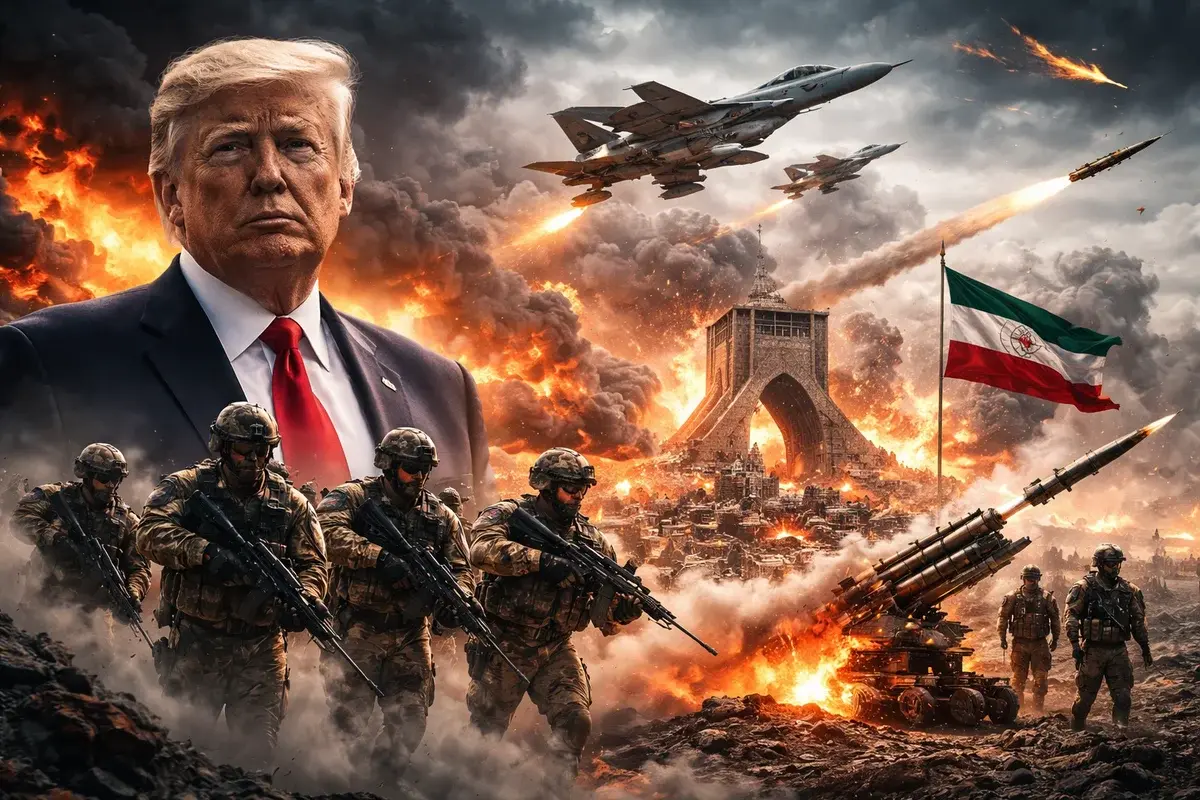
Global markets face sharp declines in March 2026 as escalating US-Israel-Iran tensions fuel oil price surges, weak US jobs data raises stagflation...

Boeing is on the cusp of a landmark 500-jet 737 Max deal with China, expected during President Trump's March 2026 visit, signaling a major boost for...
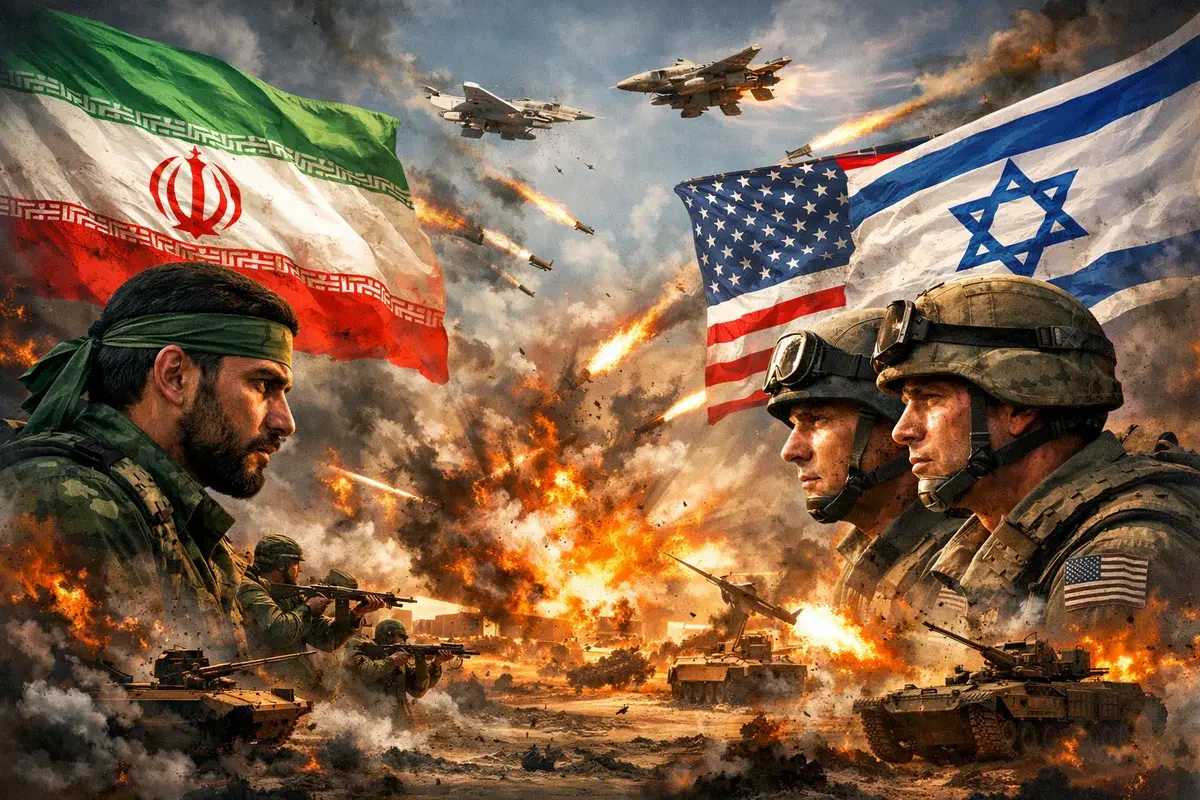
Amid escalating Iran-USA tensions in March 2026, global crude oil prices are surging past $85, with the Strait of Hormuz blockade impacting global...
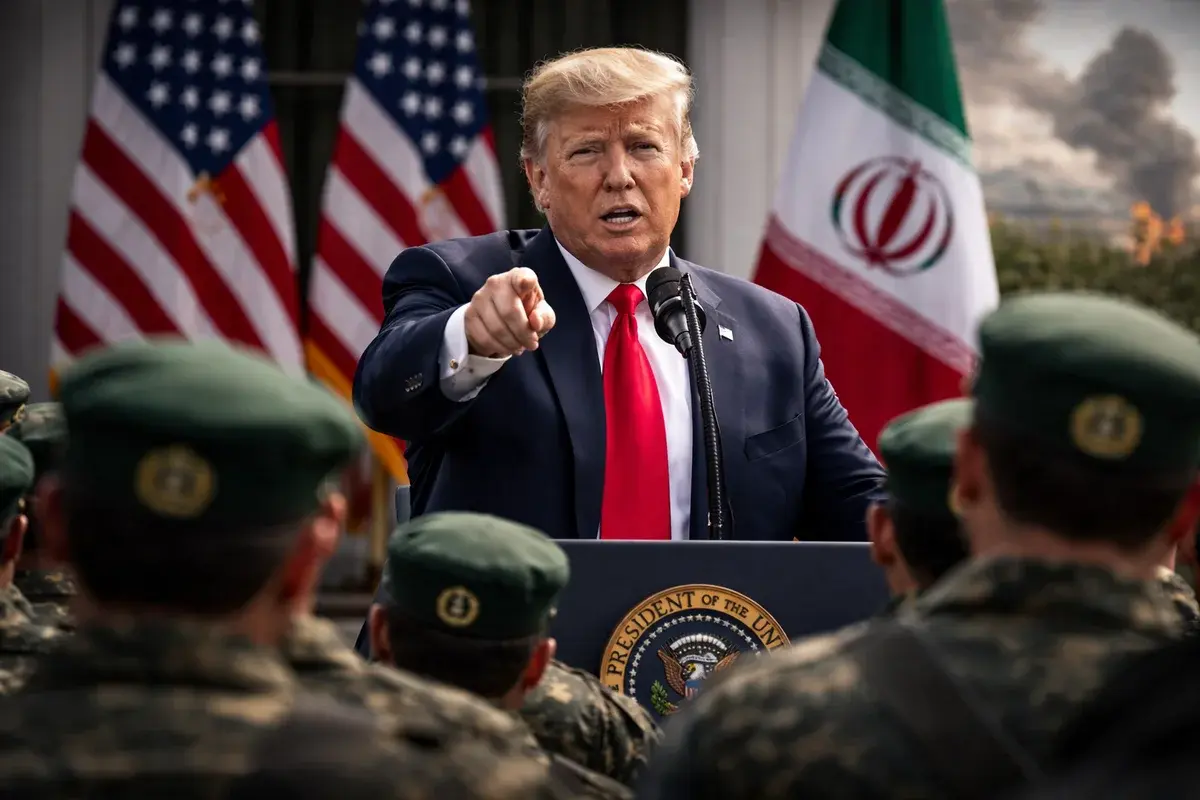
Trump’s call for Iran’s Revolutionary Guard to surrender has added a new layer of geopolitical tension to an already volatile Middle East landscape.