Loading market data...
Gold prices soared in March 2026, with COMEX reaching $5,400/oz and MCX over ₹1,67,900/10g, driven by escalating Iran war tensions. FinScann analyzes the safe-haven rush.
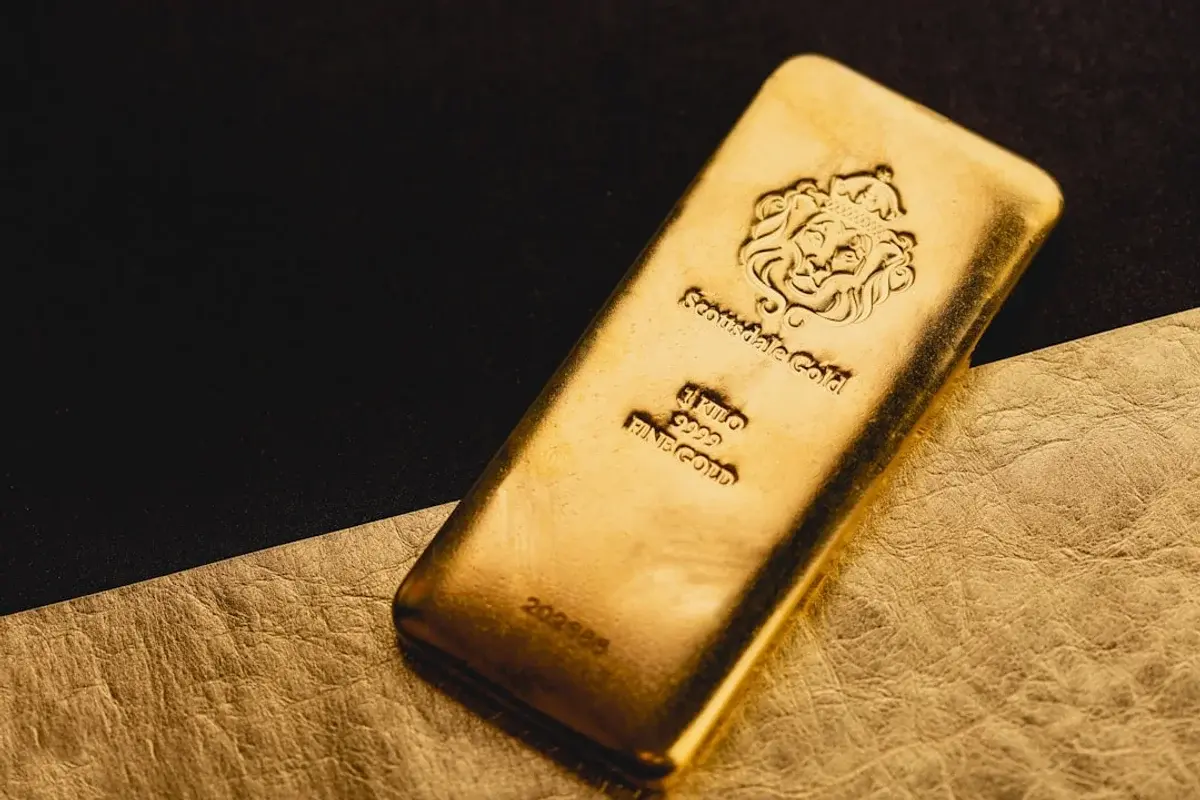
The global financial landscape witnessed a seismic shift on March 2, 2026, as escalating geopolitical tensions, particularly the ongoing conflict involving Iran, triggered an unprecedented flight to gold. Spot gold prices on COMEX surged past the psychological barrier of $5,400 per ounce, marking an intraday increase of over 2.50%. Domestically, the MCX gold rate mirrored this parabolic ascent, opening at ₹1,65,501 per 10 grams and quickly spiking to an intraday high of ₹1,67,915, a gain exceeding ₹5,500 within minutes of market open. This dramatic rally underscores gold's timeless role as the ultimate safe-haven asset, compelling investors to de-risk portfolios and re-evaluate asset allocation strategies amidst profound global uncertainty.
The first week of March 2026 has unfurled with a stark reminder of gold's enduring appeal in times of crisis, as geopolitical tremors emanating from the Middle East sent shockwaves across global commodity markets. Investors, grappling with heightened volatility in equity markets and a looming sense of risk, unequivocally flocked to the yellow metal, seeking its inherent stability and store of value. This latest surge reaffirms gold's position not merely as a hedge against inflation but as a critical bulwark against systemic geopolitical risks, dictating a fundamental shift in investor sentiment and capital flows.
The Catalyst: Middle East Unrest Fuels Panic Buying
The immediate catalyst for this historic gold breakout was the escalation of the conflict involving Iran. Coordinated military strikes by the United States and Israel against Iranian targets on February 28, 2026, unleashed a torrent of panic buying across precious metals markets. Gold futures surged over 2% in a single session, pushing prices from approximately $5,100 to over $5,300 per ounce, setting the stage for the further rally witnessed on March 2nd. This was not merely a technical breakout but a systematic rebalancing driven by risk-off sentiment as investors confronted the grim reality of direct military conflict involving a major oil-producing nation. Such geopolitical events consistently show precious metals exhibiting a negative correlation with equity markets, prompting institutional money managers to increase defensive positioning through quantitative risk metrics.
Financial Forensics: A Deep Dive into Gold's Meteoric Rise
The raw data from March 2, 2026, paints a vivid picture of gold's robust performance. On the COMEX, the price of gold futures for April 2026 surged by 2.34%, reaching $5,370.65 per troy ounce, while the prompt's context highlights it touching $5,400 per ounce. The MCX gold rate, which had already seen significant upward momentum, reflected a rapid escalation.
Indian Gold Market Performance (March 2, 2026, Intraday)
| Metric | Details |
|---|---|
| MCX Gold Opening Rate (10g) | ₹1,65,501 |
| MCX Gold Intraday High (10g) | ₹1,67,915 (gain of >₹5,500 from open) |
| Mumbai 24 Karat (10g) | ₹1,67,070 (up by ₹4,880 from previous day) |
| Mumbai 22 Karat (10g) | ₹1,53,148 |
| Mumbai 18 Karat (10g) | ₹1,25,303 |
| Delhi 24 Karat (10g) | ₹1,66,740 (up by ₹4,830 from previous day) |
Source: FinScann Analysis of Market Data
Prior to this latest escalation, gold's 2026 performance had already been extraordinary, gaining approximately 22% year-to-date, outperforming most traditional assets. Analysts are now forecasting potential targets of $5,500-$6,000 per ounce if hostilities intensify further. This surge is also influenced by broader economic conditions, including inflation rates and a trend of de-dollarization among central banks, which have been increasing their gold reserves. Gold's historical performance consistently shows it thrives during times of war, averaging 0.30% gains in the first week of conflicts and 8.98% over 12 months. This resilience positions gold as a powerful hedge, often showing a negative correlation with equities, especially when EBITDA margins and traditional valuation reset models for growth stocks face pressure in an uncertain environment.
Strategic Analysis: Gold's Enduring Moat as a Safe Haven
Gold's "moat" as an asset stems from its unique characteristics: it is a physical, universally accepted store of value that cannot be created at will by central banks, unlike fiat currencies. Its lack of counterparty risk and intrinsic value make it a robust investment play during systemic crises. The durability of gold as a safe haven is evident in its historical performance across various global upheavals, from the 1970s oil crises to the 2022 Russia-Ukraine conflict. Its competitive positioning against other safe havens like the US Dollar and Treasury bonds is enhanced when confidence in policy and supply chains is rattled. While other assets might offer high dividend yield or strong cash runway, gold provides unparalleled capital preservation. The regulatory landscape, particularly with bodies like SEBI and RBI overseeing Indian financial markets, ensures a structured environment for gold trading, further cementing its reliability.
Growth Drivers for Gold
Risk Factors for Gold
Industry/Sector Heatmap: Safe-Haven Assets in March 2026
| Segment | Current Momentum | Outlook | Capital Flow Sentiment |
|---|---|---|---|
| Gold | Strong Bullish | Very Positive | High Inflows |
| Silver | Strong Bullish | Positive | High Inflows |
| US Treasury Bonds | Moderate Bullish | Mixed | Steady, but contested |
| US Dollar | Mixed to Strong | Mixed | Inflows (competes with gold) |
| Swiss Franc (CHF) | Moderate Bullish | Stable | Steady Inflows |
| Japanese Yen (JPY) | Moderate Bullish | Stable | Steady Inflows |
Source: FinScann Analysis
Comparative Table: Gold's Crisis Performance vs. Other Assets
| Asset Class | Crisis Performance (Typical) | Revenue Scale (N/A for Gold) | EBITDA (N/A for Gold) | Valuation (Relative to other assets) | Strategic Position (in crisis) |
|---|---|---|---|---|---|
| Gold | Strong appreciation | N/A | N/A | Premium for safety | Ultimate Safe Haven |
| Equities (Broad Index) | Significant declines | High | Variable | Discounted | High Risk |
| Bonds (High-Grade) | Moderate appreciation | N/A | N/A | Premium for stability | Moderate Safe Haven |
| Commodities (Ex-Gold) | Mixed (supply disruptions) | Variable | Variable | Highly volatile | Inflation Hedge, Supply Risk |
Source: FinScann Analysis
“Institutional investors are increasingly prioritizing cash flow strength and capital discipline over sheer top-line growth, especially in a macro environment where yield compression and valuation reset risks are pronounced across various equity segments. This flight to quality inherently benefits gold, a proven hedge against market dislocation and currency debasement,” says a Mumbai-based fund manager tracking the commodities and passive income stocks sector.
Investor Takeaway: Navigating the Golden Wave
The current geopolitical climate has undeniably reinforced gold's status as a critical component of a diversified portfolio. For long-term investors, gold continues to serve as an invaluable hedge against unforeseen global events and inflationary pressures. The structural demand drivers, including sustained central bank buying and de-dollarization trends, suggest that gold's upward trajectory has strong underlying support. Investors should consider strategic allocations to gold, perhaps through physically backed Gold ETFs, to preserve wealth and mitigate systemic risks.
Short-term traders, on the other hand, should remain vigilant to the inherent volatility driven by geopolitical headlines. While the momentum is clearly bullish, any indications of de-escalation could trigger temporary profit-taking. Monitoring key technical levels, currency movements (especially the USD-INR pair), and developments in the Strait of Hormuz will be crucial. Valuation comfort in this environment shifts from traditional P/E ratio analysis to a premium placed on safety and liquidity. Capital allocation discipline dictates that investors should ensure their gold exposure aligns with their overall risk tolerance and investment objectives, balancing growth assets with safe-haven plays.
FinScann Verdict
Gold's recent surge is a clear signal of profound market anxiety, positioning it as a standout performer in the volatile landscape of March 2026. FinScann analysis indicates that while short-term corrections are possible, the fundamental drivers of geopolitical instability, inflationary concerns, and sustained institutional demand are likely to keep gold prices elevated for the foreseeable future, solidifying its role as a premier safe-haven investment.
Trading Platforms for Indian Investors
For those looking to participate in the Indian gold market, several reputable trading platforms facilitate investments in various gold instruments, including gold ETFs and MCX gold futures. Popular options include Zerodha, Groww, Upstox, and Angel One, offering user-friendly interfaces and competitive brokerage charges. Investors can utilize these platforms to access both physical gold-backed digital gold products and derivatives to manage their exposure.
Q: What is driving the unprecedented surge in gold prices? A: The primary driver is escalating geopolitical tensions, specifically the ongoing conflict involving Iran, which has triggered a massive flight to safe-haven assets. This is compounded by persistent global inflation concerns and robust central bank gold purchases, all contributing to gold's appeal as a store of value.
Q: How does geopolitical risk influence gold's value? A: Geopolitical risks increase market uncertainty and volatility, causing investors to seek assets that traditionally preserve value. Gold, with its lack of counterparty risk and historical performance as a safe haven, becomes highly attractive during such periods, often moving inversely to riskier assets like equities.
Q: Are there risks associated with investing in gold during a price surge? A: Yes, while gold offers safety, rapid price surges can lead to speculative bubbles, increasing the risk of a sharp correction if tensions ease. Additionally, a strong US dollar or rising interest rates could temper gold's appeal. It's crucial for investors to diversify and avoid overexposure.
Q: What are the target price forecasts for gold in the near term? A: Analysts are projecting potential targets for COMEX gold between $5,500 and $6,000 per ounce if geopolitical hostilities intensify. Domestically, MCX gold rates are expected to remain elevated, with structural support limiting significant downside.
Q: How does gold compare to other safe-haven assets like the US Dollar or Treasury bonds? A: Gold, the US Dollar, and Treasury bonds are all considered safe havens, but they react differently. Gold offers a hedge against inflation and currency debasement, while the US Dollar provides liquidity, and Treasuries offer yield with sovereign backing. In the current environment, gold's lack of counterparty risk makes it particularly appealing when confidence in broader financial systems is shaken.
Disclaimer: For information only; not investment advice. Stock market investments carry risks. Please consult a SEBI-registered advisor before investing. FinScann assumes no liability for decisions made based on this report.

Financial journalist specializing in market analysis, stock research, and investment trends. Dedicated to providing accurate, timely insights for informed decision-making.
Credentials: Experienced financial journalist with expertise in equity markets and economic analysis
The information provided in this article is for educational and informational purposes only and should not be construed as financial, investment, or legal advice. Finscann does not provide personalized investment recommendations.
For detailed terms and conditions, please read our Disclaimer and Terms of Service.

Crude oil prices skyrocket amidst escalating Middle East conflict and Red Sea shipping disruptions.

Deep analysis of how an Iran–US–Israel escalation could impact crude oil prices. Explore Strait of Hormuz risks, supply disruption scenarios, OPEC...
Silver jumps ₹8,300 per kg on MCX nearing ₹2.7 lakh, while gold trades steady as investors assess US–Iran talks and tariff uncertainty.

Gold vs Silver in India: Compare latest prices, state-wise and city-wise rates, market trends, volatility, and investment outlook for both precious...
Silver prices in India trade near the upper range amid strong industrial demand and global bullion momentum.