Loading market data...
Union Budget 2026 is expected to strengthen India’s economic resilience as the country enters a “Goldilocks” phase of high growth and controlled inflation. With a focus on structural reforms, infrastructure spending, and ease of doing business, the government aims to boost investment, improve productivity, and support the long-term Viksit Bharat growth roadmap amid global uncertainties.
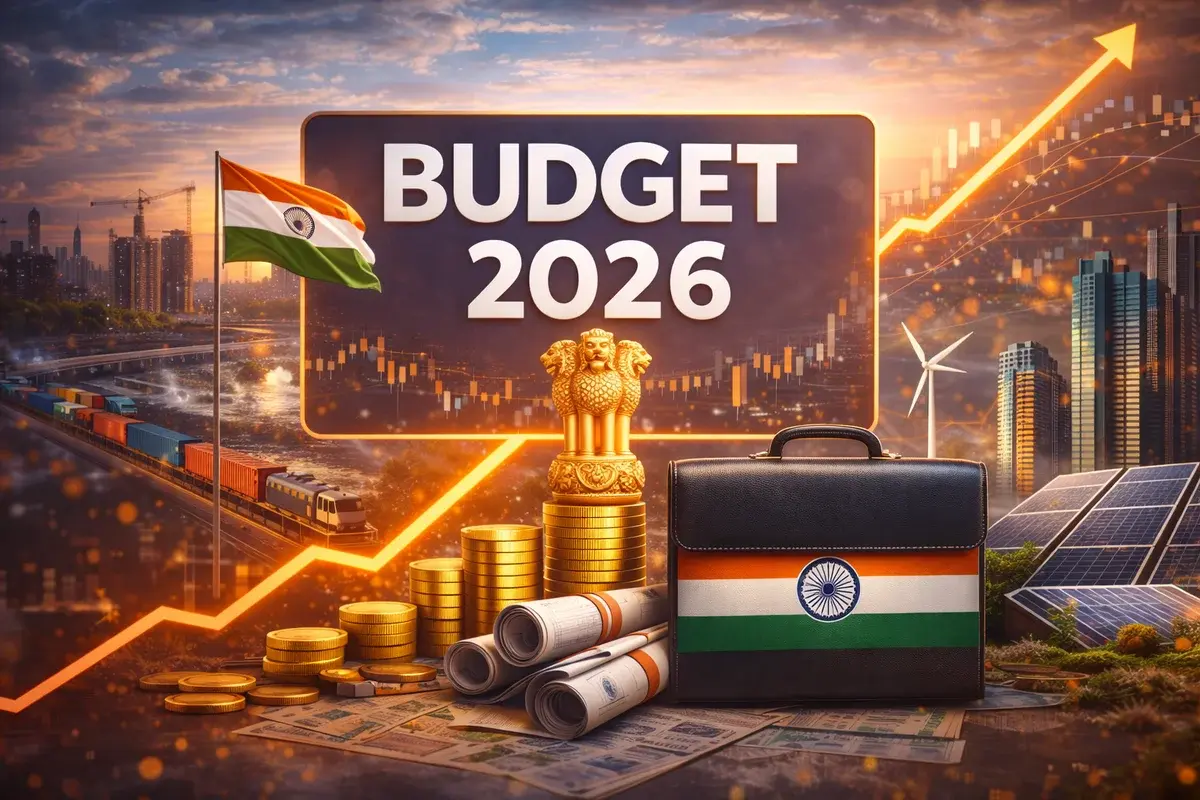
Budget 2026: India’s ‘Goldilocks Economy’ Sets the Stage for Structural Reforms and Market Re-Rating
The Union Budget 2026 arrives at a time when India’s economy is experiencing a rare “Goldilocks” phase—strong growth with relatively contained inflation. With global uncertainties rising, the government is expected to focus on structural reforms, infrastructure expansion, and ease of doing business. These policy moves could strengthen economic resilience, attract investments, and set the foundation for the next leg of the Viksit Bharat growth story.
India stands at a pivotal economic juncture. While global markets grapple with inflation shocks, geopolitical tensions, and slowing trade, the domestic economy has managed to maintain robust GDP growth, controlled inflation, and strong fiscal momentum. This rare macroeconomic balance provides the government with a strategic window to push long-pending structural reforms through the Union Budget 2026.
India’s Goldilocks Phase: High Growth, Stable Inflation
India’s current macro environment is often described as a “Goldilocks economy”—not too hot to trigger runaway inflation, and not too cold to stall growth.
Key macro indicators supporting the narrative:
| Indicator | FY25–FY26 Trend | Economic Impact |
|---|---|---|
| GDP Growth | 6.5–7.5% range | Strong domestic demand |
| Inflation | Moderating near RBI target band | Stable consumption outlook |
| Fiscal Deficit | Gradual consolidation | Improved sovereign credibility |
| Capex Spending | Rising public investment | Infrastructure-led growth |
This combination creates the ideal backdrop for long-term policy reforms rather than short-term stimulus.
Expert Insight: “When growth is strong and inflation is contained, governments get the political and fiscal space to implement structural reforms that drive productivity and long-term competitiveness.”
Q: Why is the current phase called a Goldilocks economy? A: Because India is experiencing high growth without excessive inflation, creating a balanced and stable macro environment.
Q: How does this benefit investors? A: Stable macro conditions typically support corporate earnings growth and reduce market volatility.
Structural Reforms: The Core Theme of Budget 2026
The government is expected to prioritize reforms that improve productivity, investment climate, and ease of doing business.
Likely reform areas:
Potential economic impact:
| Reform Area | Expected Outcome |
|---|---|
| Tax reforms | Higher compliance, broader tax base |
| Infrastructure push | Job creation and industrial growth |
| Manufacturing incentives | Reduced import dependence |
| Ease of doing business | Increased FDI inflows |
Q: Why are structural reforms important for economic growth? A: They improve productivity, reduce inefficiencies, and attract long-term investments.
Q: Which sectors benefit the most from structural reforms? A: Infrastructure, manufacturing, logistics, banking, and export-oriented sectors.
Infrastructure and Capex: The Growth Multiplier
Public capital expenditure is expected to remain a cornerstone of the Budget 2026 strategy.
High-impact sectors likely to see allocations:
Infrastructure Capex Impact
| Sector | Growth Trigger | Market Impact |
|---|---|---|
| Railways | Freight corridors | Logistics efficiency |
| Roads | Highway expansion | Construction sector boost |
| Renewable energy | Solar and green hydrogen | Energy transition stocks |
| Defence | Indigenous manufacturing | Defence PSU re-rating |
Expert Insight: “Sustained capex cycles historically drive multi-year earnings growth across infrastructure, capital goods, and banking sectors.”
Q: Why is government capex important for markets? A: It creates demand across multiple sectors, boosting corporate revenues and employment.
Q: Which stocks typically benefit from capex-led budgets? A: Capital goods, infrastructure, cement, steel, and PSU banks.
Market Sentiment: Cautious Optimism Ahead of the Budget
Indian equity markets are currently reacting to:
However, a reform-oriented budget could trigger:
Market Reaction Scenarios
| Budget Outcome | Market Impact |
|---|---|
| Reform-heavy, pro-growth | Bullish re-rating |
| Neutral budget | Range-bound markets |
| Populist spending focus | Short-term rally, long-term concerns |
Q: How do markets typically react to Union Budgets? A: Markets react positively to pro-growth, reform-oriented budgets and negatively to fiscally irresponsible ones.
Q: Will Budget 2026 trigger a market rally? A: A strong focus on reforms and capex could support a bullish sentiment.
Sectoral Heatmap: Likely Budget Winners
Budget 2026 Sector Outlook
The Viksit Bharat Roadmap: Long-Term Economic Vision
Budget 2026 is expected to align closely with the government’s Viksit Bharat 2047 vision.
Core pillars:
If executed effectively, these measures could:
Q: What is the Viksit Bharat vision? A: A long-term strategy to transform India into a developed economy by 2047.
Q: How does the Union Budget support this vision? A: Through reforms, infrastructure spending, and policies that boost productivity and investment.
Trading Platforms for Indian Investors
For investors looking to position portfolios around budget-driven opportunities:
⚠️ DISCLAIMER: We Are Not Financial Advisors This article is for informational and educational purposes only and should not be construed as investment advice. Stock markets involve risk, and readers should conduct their own research or consult a certified financial advisor before making any investment decisions.

Financial journalist specializing in market analysis, stock research, and investment trends. Dedicated to providing accurate, timely insights for informed decision-making.
Credentials: Experienced financial journalist with expertise in equity markets and economic analysis
The information provided in this article is for educational and informational purposes only and should not be construed as financial, investment, or legal advice. Finscann does not provide personalized investment recommendations.
For detailed terms and conditions, please read our Disclaimer and Terms of Service.
India's benchmark indices Sensex and Nifty staged a robust recovery in March 2026, gaining significantly despite ongoing geopolitical tensions.

Geopolitical tensions surrounding the US-Iran conflict led FIIs to dump ₹12,000 crore from Indian shares.

Indian refinery stocks, including Reliance, MRPL, and CPCL, surge up to 5% after China reportedly suspends diesel and gasoline exports amidst...
Indian markets surged in March 2026, with Sensex and Nifty rebounding on de-escalation hopes in the Middle East.
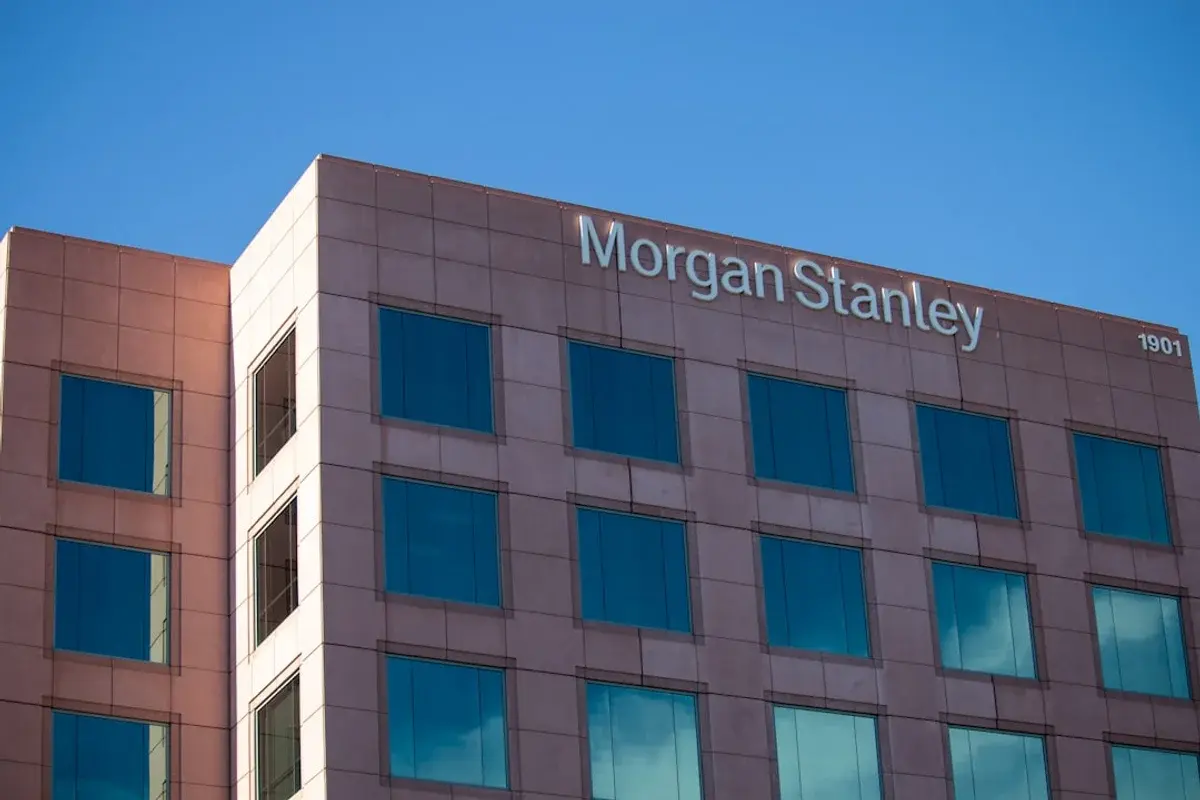
Morgan Stanley cuts 2,500 jobs across investment banking, wealth management, and trading. Despite strong financials, this strategic move signals a...