Loading market data...
Sensex and Nifty open higher today as global markets rebound and crude oil prices decline, boosting investor sentiment in Indian equities.
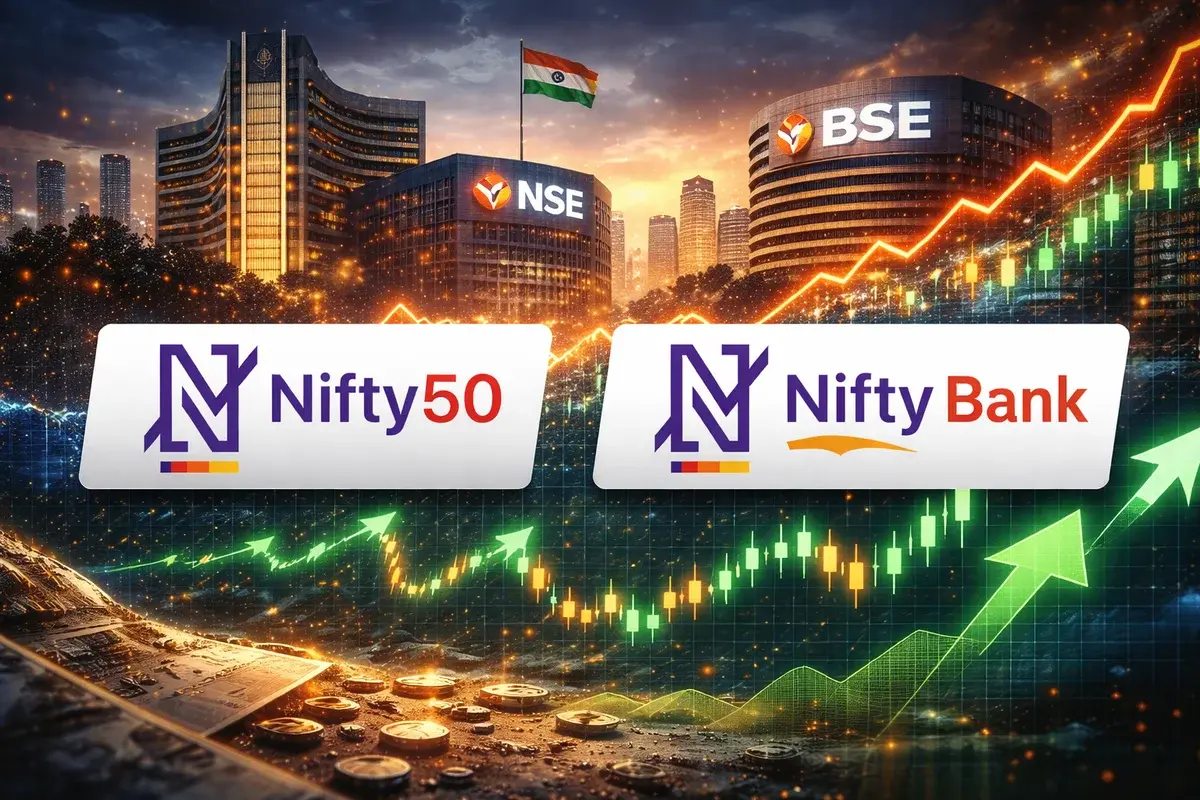
The Indian stock market opened higher today, with benchmark indices showing early signs of strength after recent market weakness. The BSE Sensex and NSE Nifty 50 started the trading session in the green, reflecting improved investor confidence.
Market participants were encouraged by supportive global signals and stabilizing commodity prices. A strong indication from offshore derivatives trading also pointed toward a positive opening for Indian equities.
The positive start comes after a period of volatility in domestic markets, where investors remained cautious due to geopolitical developments and fluctuations in global commodity prices.
Indian equity markets had experienced notable pressure in recent trading sessions due to global uncertainty and rising crude oil prices. These factors created concerns about inflation, global supply chains, and economic growth prospects.
During the previous trading sessions, benchmark indices witnessed a decline as investors reacted to geopolitical tensions and global risk aversion. Increased volatility also reflected cautious trading behavior among market participants.
However, markets often rebound after sharp corrections as investors look for buying opportunities in fundamentally strong sectors. Today’s positive opening suggests that investors are cautiously returning to equities as global conditions show signs of improvement.
Several factors contributed to the stronger opening of the Indian stock market today.
Global markets performed positively overnight, with major international indices posting gains. The recovery in global equities helped improve sentiment across Asian markets, including India.
Positive global cues often influence the opening direction of the Indian stock market, particularly when international investors show renewed confidence in equities.
A key factor supporting the market was the decline in global crude oil prices. Lower oil prices are beneficial for India as the country relies heavily on crude imports.
A decline in oil prices can reduce inflation pressures, improve trade balances, and support corporate earnings across sectors such as aviation, manufacturing, and logistics.
Pre-market indicators suggested a gap-up opening for Indian equities. These signals typically reflect expectations from global investors and institutional traders about the direction of the domestic market.
Such indicators often play an important role in shaping early trading momentum and investor sentiment.
At the opening bell, benchmark indices moved higher with gains seen across multiple sectors.
Key sectors showing strength included:
Banking stocks contributed significantly to the positive momentum as investors showed renewed interest in financial sector companies. Infrastructure-related stocks also attracted attention as government spending on large development projects continues to support growth in the sector.
Despite the positive start, traders remain cautious and expect intraday volatility as markets react to global developments and institutional trading activity.
| Indicator | Value |
|---|---|
| Market Opening | Positive / Gap-Up |
| Key Indices | Sensex, Nifty 50 |
| Sentiment | Positive but cautious |
| Major Support Factors | Global cues, oil price decline |
| Key Sectors in Focus | Banking, Infrastructure, Energy |
These indicators suggest that the market is attempting a short-term recovery following recent selling pressure.
Institutional investor activity continues to play a major role in shaping market direction. Foreign institutional investors have been cautious in recent sessions, while domestic institutional investors have provided support through steady buying.
Domestic investors, including mutual funds and insurance companies, have become an increasingly strong stabilizing force in the Indian equity market. Their participation often helps offset volatility caused by global investment flows.
The balance between foreign and domestic institutional flows will continue to influence short-term market movements.
Market analysts believe that today’s positive opening reflects a combination of technical recovery and improved global sentiment.
After a sharp correction, markets often experience short-term rebounds as traders cover short positions and investors take advantage of lower valuations.
However, analysts also emphasize that global uncertainties remain a key factor. Investors are closely monitoring geopolitical developments, commodity prices, and global monetary policy signals.
While the underlying fundamentals of the Indian economy remain relatively strong, external factors may continue to influence short-term market trends.
Looking ahead, the direction of the Indian stock market will largely depend on global macroeconomic developments and investor sentiment.
If crude oil prices continue to ease and global markets remain stable, the Indian market could see further recovery in the coming sessions. Strong domestic economic indicators and infrastructure investment may also support long-term growth in equities.
However, geopolitical risks and fluctuations in global financial markets could keep volatility elevated in the near term. Investors are likely to remain cautious while monitoring these developments.
The Indian stock market opened higher today, supported by positive global cues and declining crude oil prices. The recovery reflects renewed investor optimism following recent volatility in equity markets.
While the positive start signals improving sentiment, analysts expect markets to remain sensitive to global developments. As investors navigate changing economic conditions, the coming sessions will provide clearer indications about the market’s short-term direction.

Financial journalist specializing in market analysis, stock research, and investment trends. Dedicated to providing accurate, timely insights for informed decision-making.
Credentials: Experienced financial journalist with expertise in equity markets and economic analysis
The information provided in this article is for educational and informational purposes only and should not be construed as financial, investment, or legal advice. Finscann does not provide personalized investment recommendations.
For detailed terms and conditions, please read our Disclaimer and Terms of Service.
Bombay Stock Exchange will conduct a market-wide mock trading session on March 14 to test trading systems across equity, derivatives, currency, and...

Akasa Air partners with Noida International Airport to establish its first MRO facility in India, strengthening aviation infrastructure and...
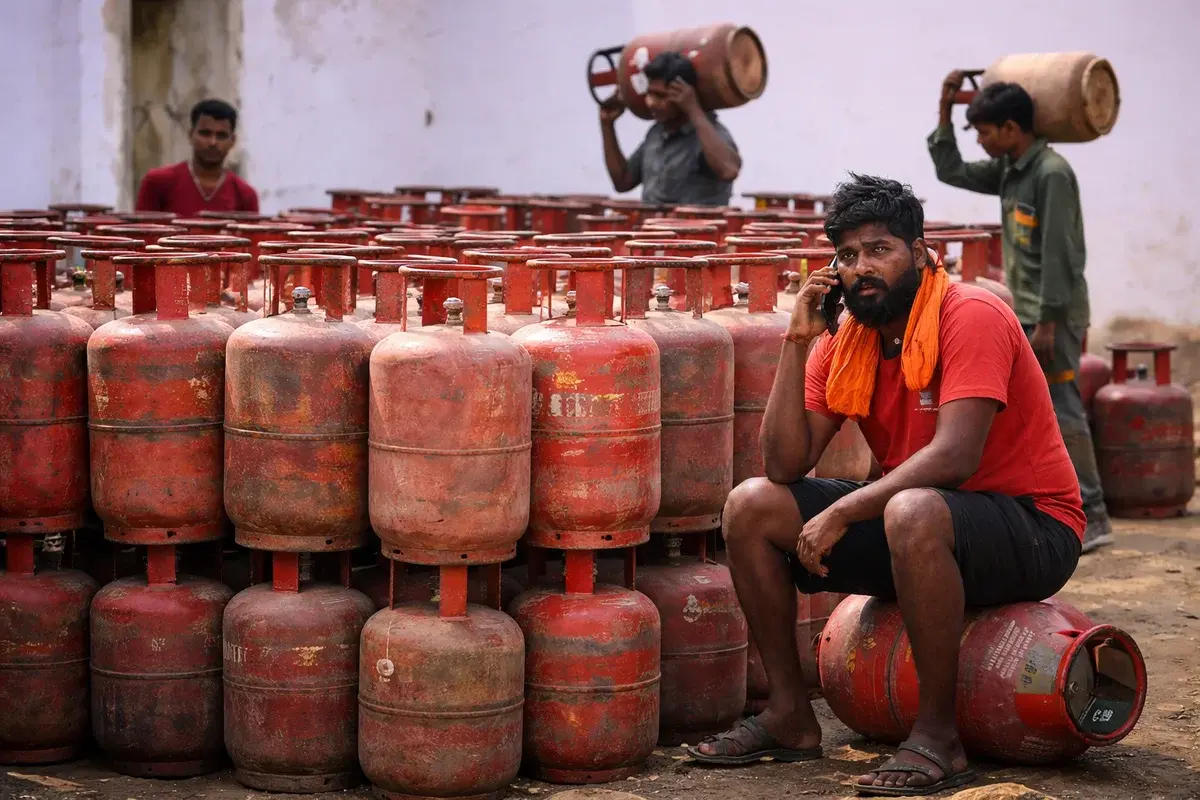
India faces a major LPG shortage as global supply disruptions push prices higher. Restaurants shut, businesses struggle, and households feel the...

Indian markets fall sharply as Nifty drops 300 points and Sensex declines 900 amid rising oil prices, LPG shortages, and sector-wide selling pressure.

Petrol prices in India remain a key economic driver in March 2026, influenced by crude oil, rupee-dollar exchange rates, and taxes affecting...