Loading market data...
India’s Union Budget 2026 unveils an ambitious plan to build seven high-speed rail “Growth Connector” corridors, aimed at accelerating regional development, boosting logistics efficiency, and transforming business travel. With trains expected to run above 250 km/h, the initiative aligns with India’s long-term infrastructure, manufacturing, and economic growth vision, strengthening connectivity between major cities, industrial hubs, and emerging regions while supporting sustainable, capex-led growth.
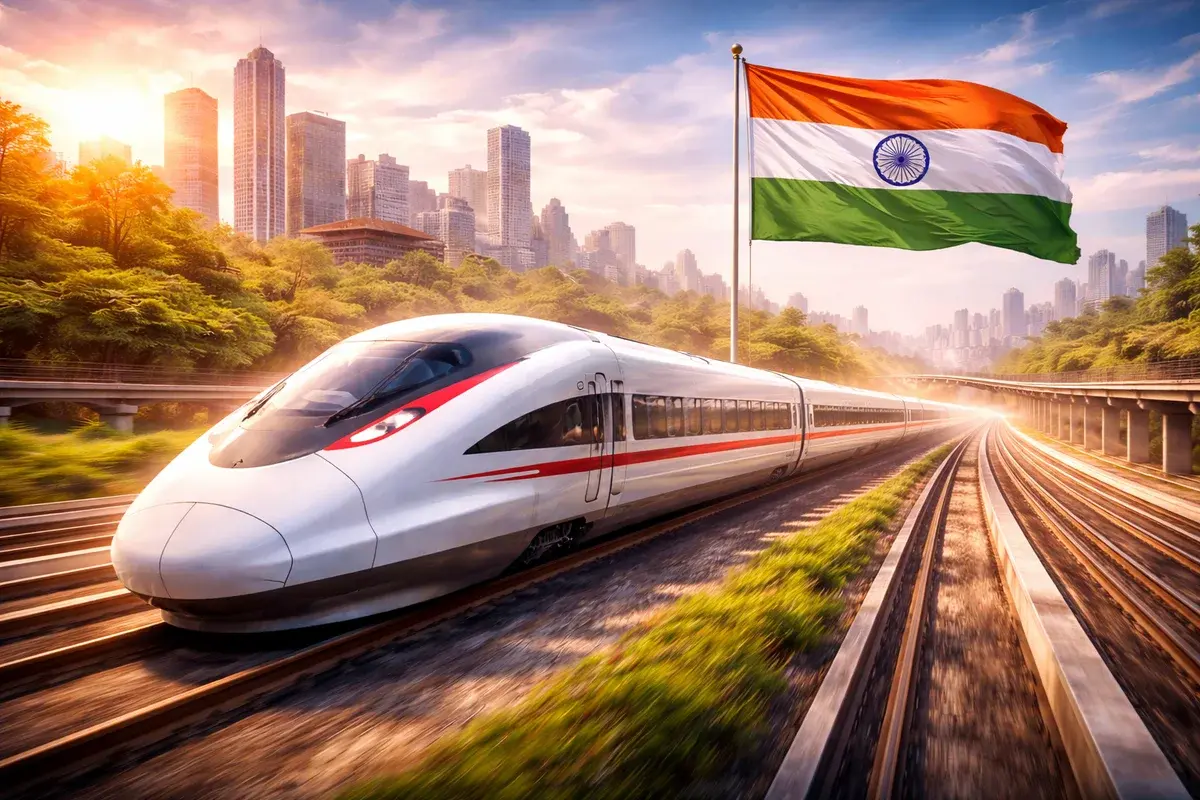
India is preparing for a major leap in transport and economic infrastructure. In the Union Budget 2026, the government announced plans to develop seven new high-speed rail corridors, positioning them as “Growth Connectors” aimed at accelerating regional development, logistics efficiency, and business mobility.
With proposed operational speeds exceeding 250 km/h, these corridors are expected to redefine intercity travel, freight efficiency, and economic integration across India.
This is not merely a railway expansion — it is a strategic economic growth initiative.
What Are the High-Speed Growth Connectors?
The proposed high-speed rail corridors are designed to connect:
Major metropolitan cities
Industrial and manufacturing hubs
Ports, logistics zones, and export clusters
High-growth Tier-2 and Tier-3 cities
The objective is to enable faster movement of people, capital, and high-value goods, while reducing travel time, congestion, and carbon footprint.
Unlike conventional rail upgrades, these corridors prioritize speed, reliability, and productivity-led growth.
Why the Government Is Betting Big on High-Speed Rail
1. Accelerating Regional Economic Growth
High-speed rail reduces effective distance between cities, enabling:
This directly supports balanced regional development, a long-standing policy objective.
2. Transforming Logistics and Supply Chains
India’s logistics costs remain higher than global peers. High-speed corridors can:
Efficient logistics are critical for India’s manufacturing and global trade ambitions.
3. Boosting Business Travel and Productivity
High-speed rail enables same-day intercity business travel, reducing reliance on short-haul flights and cutting productivity losses.
This is especially beneficial for:
Corridor-Wise Expected High-Speed Rail Routes (Probable)
While official alignments are awaited, based on economic density, traffic demand, and feasibility trends, the seven proposed high-speed corridors are expected to include:
| Corridor | Probable Route | Strategic Importance |
|---|---|---|
| 1 | Delhi – Varanasi – Patna | North India economic spine |
| 2 | Mumbai – Pune – Nagpur | Financial to industrial corridor |
| 3 | Chennai – Bengaluru – Coimbatore | Southern manufacturing hub |
| 4 | Hyderabad – Bengaluru | Technology and services corridor |
| 5 | Ahmedabad – Jaipur – Delhi | Trade, tourism, industrial belt |
| 6 | Mumbai – Ahmedabad | Western high-speed network expansion |
| 7 | Kolkata – Bhubaneswar – Visakhapatnam | Eastern coastal growth corridor |
These routes are expected to integrate production zones, consumption centres, ports, and airports, maximising economic spillover effects.
Expected Speed, Technology and Design Standards
| Feature | Expected Specification |
|---|---|
| Operating Speed | 250–320 km/h |
| Power | Fully electric, low-carbon |
| Technology | Advanced signaling and safety systems |
| Design | International high-speed rail standards |
| Focus | Passenger + strategic logistics |
The corridors will adopt global best practices, with emphasis on safety, scalability, and energy efficiency.
Impact on Key Sectors
Infrastructure and Construction
Railway and Engineering
Real Estate and Urban Development
Tourism and Services
Funding and Execution: What Matters Most
Execution will be critical. Key factors to monitor include:
Global experience shows high-speed rail succeeds when execution discipline matches ambition.
Market and Investor Perspective
Infrastructure-led visibility typically supports long-term market sentiment. Over time, this announcement could:
Short-term market response will depend on clarity around timelines, funding, and corridor prioritisation.
Frequently Asked Questions (FAQs)
How fast will these trains run?
The corridors are expected to operate at over 250 km/h, with select stretches reaching higher speeds.
How many high-speed corridors are planned?
The government has proposed seven new high-speed rail corridors.
Are these similar to bullet trains?
Yes. These are bullet-train-class high-speed rail systems, adapted for Indian conditions.
Will these corridors carry freight?
Primarily passenger-focused, but designed to support strategic, high-value logistics.
When will construction begin?
Timelines will be announced after detailed feasibility studies and approvals.
Bottom Line
The proposal for seven high-speed Growth Connector rail corridors marks a decisive shift from capacity expansion to speed-driven economic integration.
If executed effectively, these corridors can redefine business travel, logistics efficiency, and regional growth, placing India among global leaders leveraging high-speed rail as an economic catalyst.
This is not just about faster trains — it is about faster economic momentum.
Disclaimer: This article is for informational purposes only. The routes and projections mentioned are based on industry expectations and publicly discussed feasibility patterns. Final alignments, funding structures, and timelines are subject to official government announcements. This content does not constitute investment advice.

Financial journalist specializing in market analysis, stock research, and investment trends. Dedicated to providing accurate, timely insights for informed decision-making.
Credentials: Experienced financial journalist with expertise in equity markets and economic analysis
The information provided in this article is for educational and informational purposes only and should not be construed as financial, investment, or legal advice. Finscann does not provide personalized investment recommendations.
For detailed terms and conditions, please read our Disclaimer and Terms of Service.
India's benchmark indices Sensex and Nifty staged a robust recovery in March 2026, gaining significantly despite ongoing geopolitical tensions.

Geopolitical tensions surrounding the US-Iran conflict led FIIs to dump ₹12,000 crore from Indian shares.

Indian refinery stocks, including Reliance, MRPL, and CPCL, surge up to 5% after China reportedly suspends diesel and gasoline exports amidst...
Indian markets surged in March 2026, with Sensex and Nifty rebounding on de-escalation hopes in the Middle East.
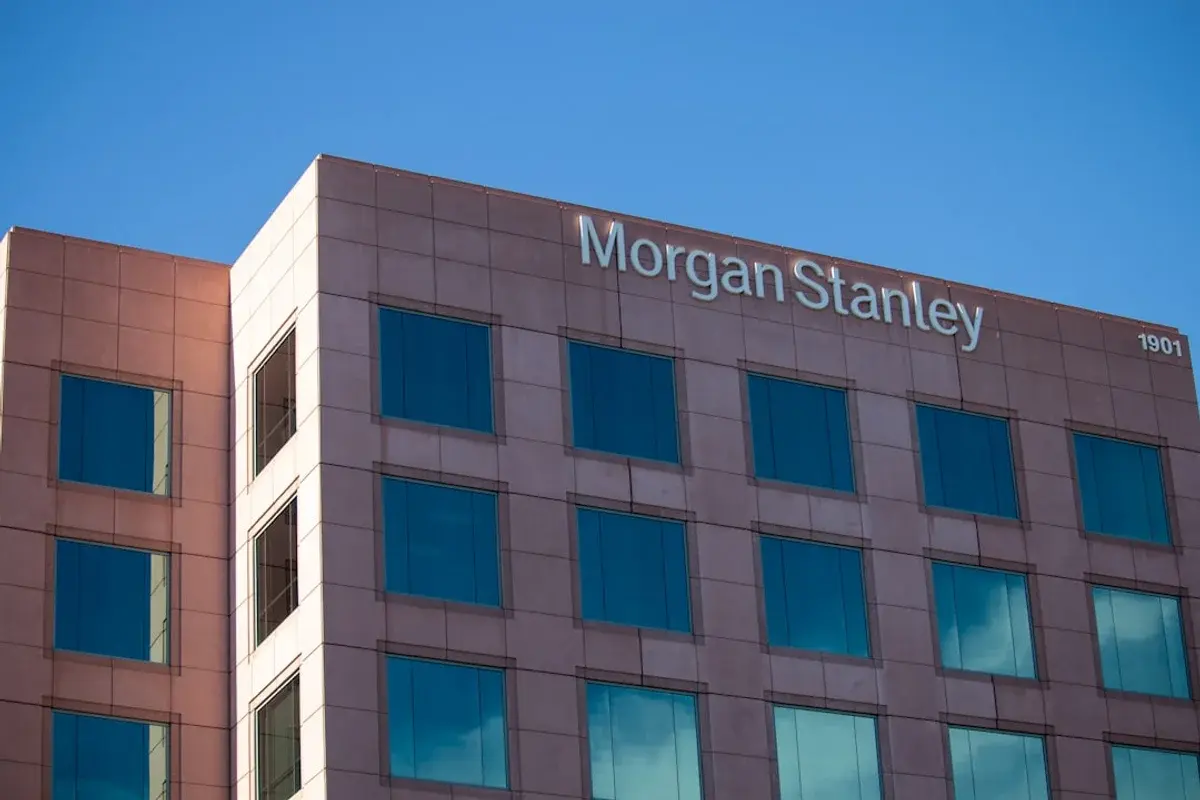
Morgan Stanley cuts 2,500 jobs across investment banking, wealth management, and trading. Despite strong financials, this strategic move signals a...