Loading market data...
The landmark India–US trade deal announced by Prime Minister Narendra Modi and US President Donald Trump has triggered a historic rally in Indian equities, forcing short-covering by foreign investors and reviving confidence in export-led sectors. With US tariffs slashed from 50% to 18%, the agreement improves earnings visibility, reduces geopolitical risk, and strengthens India’s position as a preferred emerging-market destination. Analysts believe the deal could reverse massive FII outflows, boost the rupee, and drive medium-term sectoral re-rating across autos, chemicals, textiles, IT services, capital goods, and infrastructure.
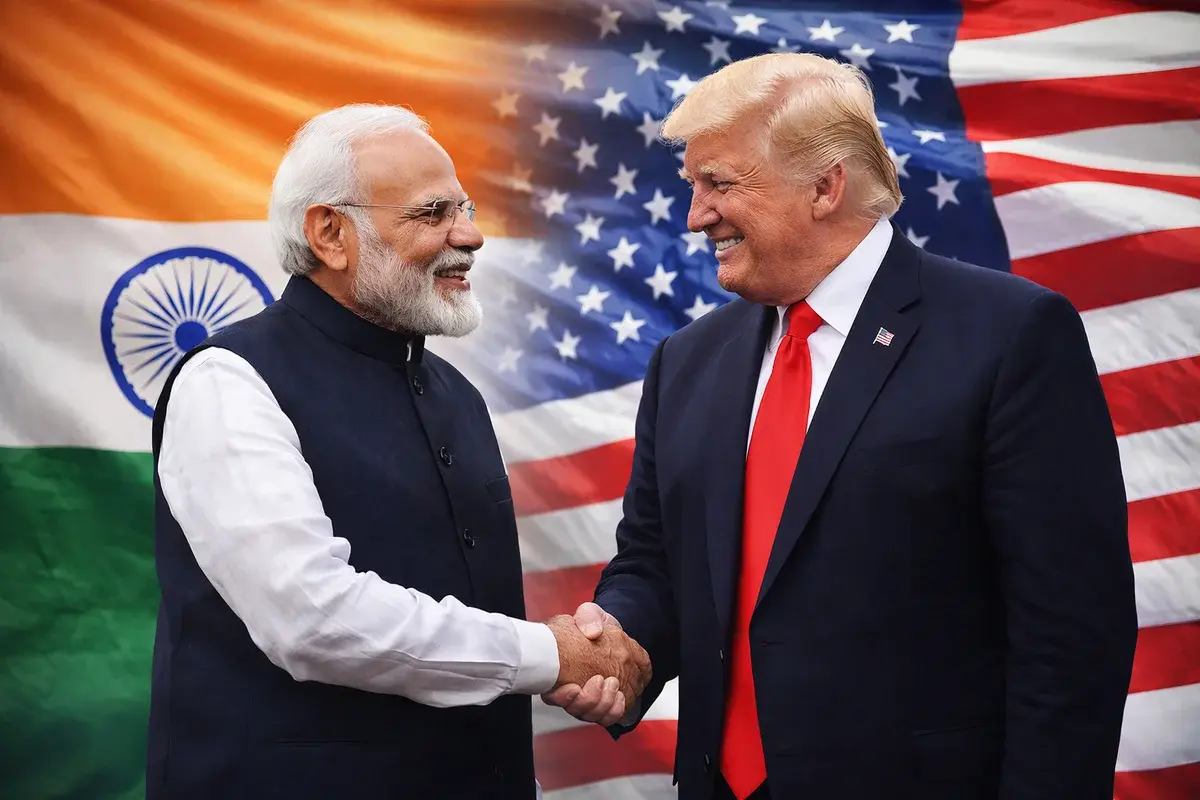
Indian equity markets witnessed a once-in-a-cycle reaction after the landmark India–US trade deal announced by Prime Minister Narendra Modi and US President Donald Trump, triggering a historic short-covering rally and forcing global investors to reassess India’s position in the emerging-market universe.
The Sensex surged over 4,000 points, while the Nifty climbed nearly 5%, coming within striking distance of its all-time high. But beyond the headline rally, the deal may have far-reaching implications for FII flows, sector leadership, earnings visibility, and India’s macro standing.
This is why many market veterans are calling it the “Baap of all trade deals.”
Why Markets Exploded: The FII Short-Covering Shock
One of the biggest undercurrents behind the rally was positioning.
Foreign Institutional Investors had: • Sold nearly $34 billion worth of Indian equities since October 2024
• Built heavy short positions in index derivatives on the NSE derivatives segment
• Remained underweight India despite strong domestic growth
The India–US trade agreement suddenly removed the biggest geopolitical and trade overhang, forcing FIIs to rush for cover.
With the US accounting for nearly 41% of global FII assets under custody, even a partial re-allocation back to Indian equity markets can have an outsized impact on indices.
This explains the violent upside move, not just optimism.
What the India–US Trade Deal Changes at a Structural Level
The agreement does three powerful things simultaneously:
• Slashes US tariffs on Indian goods from 50% to 18%
• Restores earnings visibility for export-heavy sectors
• Reduces India’s geopolitical risk premium among emerging markets
According to global brokerages, this re-anchors India as a preferred manufacturing and export hub, especially when combined with recent India–EU and India–UK trade agreements.
For equity markets, this means valuation re-rating is back on the table.
Why FIIs Could Return to Dalal Street
Multiple factors now align in India’s favour:
• Lower tariff uncertainty
• Improved balance of payments outlook
• Stronger rupee expectations
• Narrowed valuation premium versus peers
• Stable interest-rate trajectory
Brokerages note that India is now being viewed as a relative safe haven within emerging markets, particularly as global investors rebalance away from geopolitical risk zones.
This sets the stage for gradual but sustained FII inflows, rather than one-day spikes.
Sector Winners: Who Benefits the Most From the Trade Deal
Export-Oriented Sectors Take the Lead
Sectors with high US revenue exposure stand to benefit immediately:
• Specialty and agro chemicals
Lower tariffs improve price competitiveness, boost order inflows, and stabilise operating margins.
Labour-Intensive Industries Get a Double Boost
According to analysts, sectors such as textiles, garments, gems, and jewellery stand out because:
• They bore the brunt of earlier US tariffs
• They drive large-scale employment
• They benefit directly from tariff cuts
This is not just an export story — it is also a domestic employment and consumption multiplier.
Capital Goods, Power, and Infrastructure: The Indirect Winners
Beyond exports, the deal has second-order effects:
• Power transmission and distribution equipment
As export visibility improves, capex confidence rises, feeding into domestic manufacturing and infrastructure demand.
Stocks on the Radar After the Trade Deal
Brokerages have highlighted several companies with meaningful US exposure or structural advantages:
Auto and engineering: Sona BLW, Bharat Forge, Samvardhana Motherson
Chemicals: Navin Fluorine, PI Industries, SRF, Aarti Industries
Textiles: Welspun Living, KPR Mill, Gokaldas Export, Indo Count
IT services: Infosys, HCL Tech, LTI Mindtree
Pharma: Dr Reddy’s, Lupin, Aurobindo Pharma, Divi’s Labs
New energy and manufacturing: Dixon Technologies, Waaree, Premier Energies
These names are seen as earnings visibility beneficiaries, not just momentum plays.
Currency, Liquidity, and Interest Rates: The Macro Domino Effect
Analysts expect the deal to:
• Support INR appreciation after prolonged underperformance
• Improve foreign exchange reserves
• Ease domestic liquidity conditions
• Reinforce expectations of stable interest rates
A stronger macro backdrop typically supports higher equity multiples, especially for quality large-caps and export leaders.
Is This a One-Day Wonder or a Medium-Term Trend
Market experts urge balance.
While short-covering amplified the rally, the trade deal should be viewed as a medium-term structural positive, not a miracle cure.
Exports to the US remain a small share of India’s $4-trillion economy, but the psychological impact on investors, capital flows, and earnings confidence is significant.
Sustainable upside will depend on:
• Actual order inflows
• Corporate execution
• Global demand conditions
• Follow-through in FII positioning
What Should Investors Do Now
Market strategists recommend:
• Focus on companies with real US exposure, not just headlines
• Prefer firms with scalable manufacturing and balance-sheet strength
• Avoid chasing extended stocks purely on trade-deal news
• Treat the rally as a re-rating phase, not a speculative burst
Stock selection matters more than index chasing at this stage.
Bottom Line
The Modi–Trump trade agreement is being called the “Baap of all trade deals” for a reason.
It:
• Reverses a major FII narrative
• Improves earnings visibility
• Lowers India’s geopolitical risk premium
• Reinforces India’s manufacturing and export ambitions
While short-term volatility is inevitable after such a sharp move, the broader message from the market is unmistakable:
India is back on the global investor radar — and this time, with stronger fundamentals backing the optimism.
Disclaimer
This article is for informational purposes only and does not constitute investment advice. Market views, sector outlooks, and stock references are based on publicly available information and analyst commentary. Investors should conduct independent research or consult certified financial advisors before making investment decisions.

Financial journalist specializing in market analysis, stock research, and investment trends. Dedicated to providing accurate, timely insights for informed decision-making.
Credentials: Experienced financial journalist with expertise in equity markets and economic analysis
The information provided in this article is for educational and informational purposes only and should not be construed as financial, investment, or legal advice. Finscann does not provide personalized investment recommendations.
For detailed terms and conditions, please read our Disclaimer and Terms of Service.
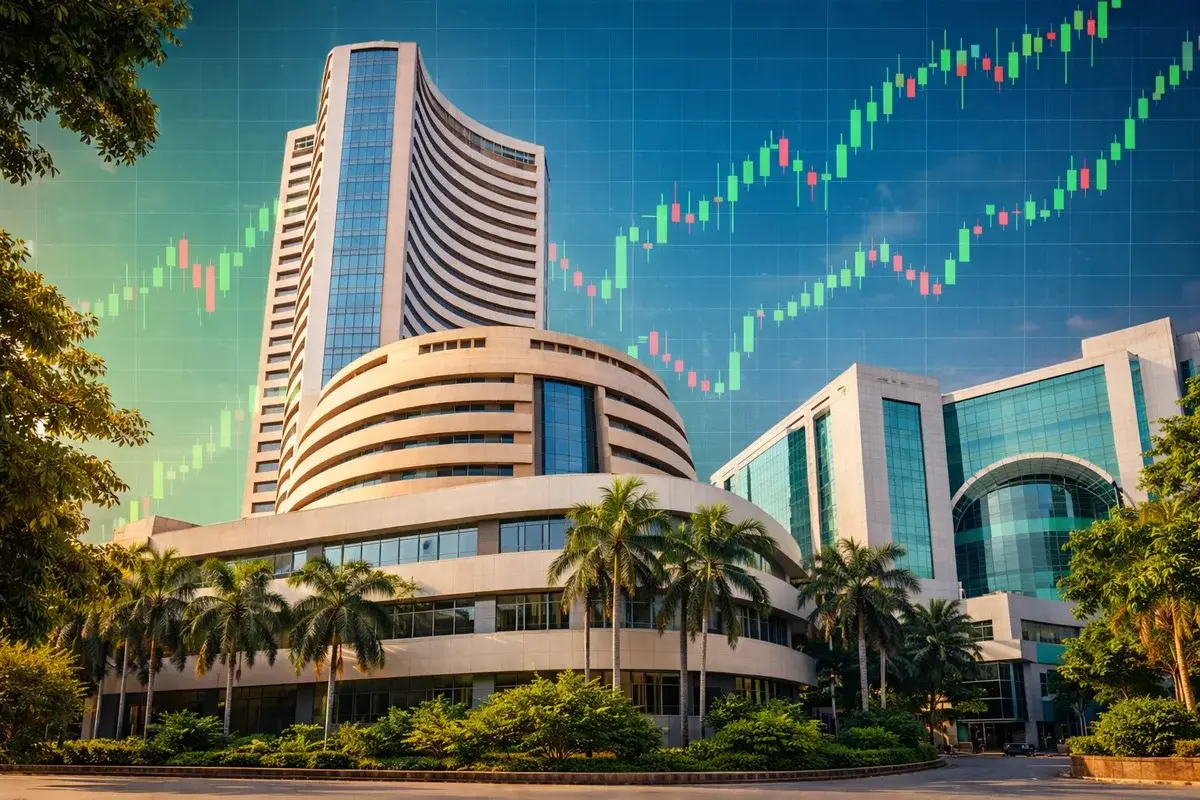
India's benchmark indices Sensex and Nifty staged a robust recovery in March 2026, gaining significantly despite ongoing geopolitical tensions.

Geopolitical tensions surrounding the US-Iran conflict led FIIs to dump ₹12,000 crore from Indian shares.

Indian refinery stocks, including Reliance, MRPL, and CPCL, surge up to 5% after China reportedly suspends diesel and gasoline exports amidst...
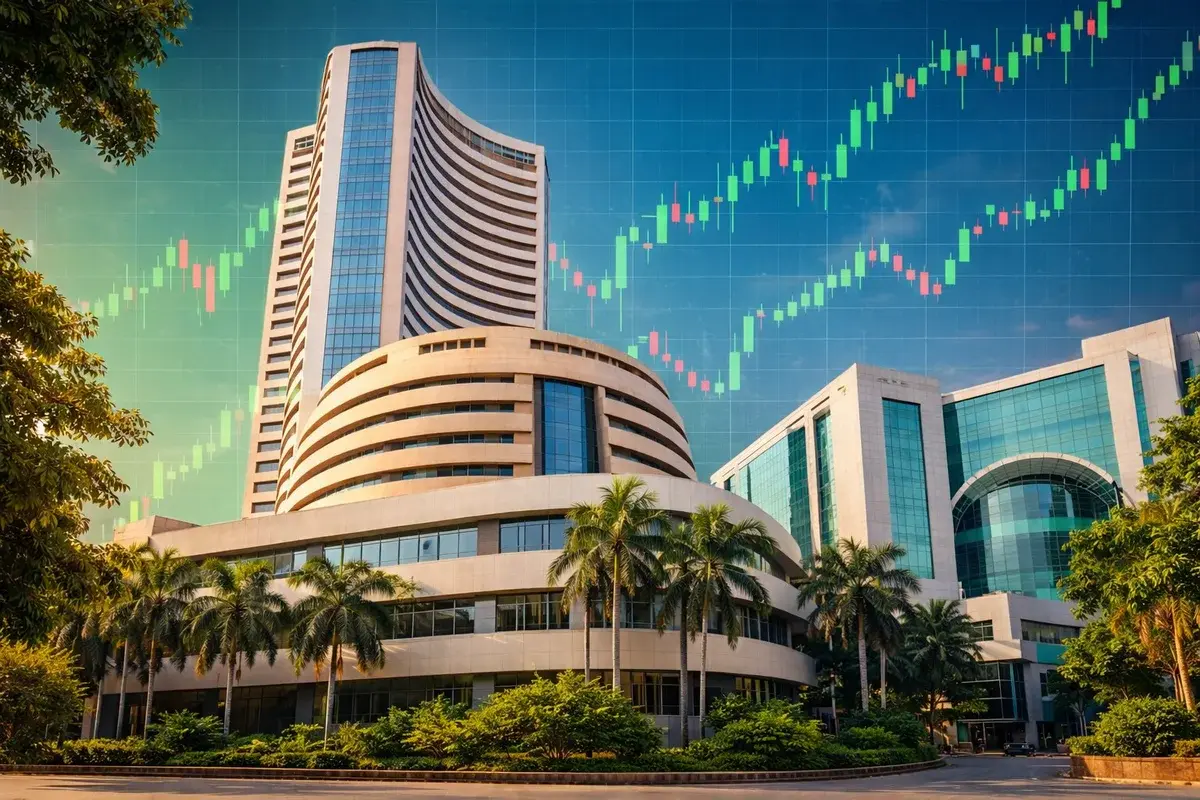
Indian markets surged in March 2026, with Sensex and Nifty rebounding on de-escalation hopes in the Middle East.
Morgan Stanley cuts 2,500 jobs across investment banking, wealth management, and trading. Despite strong financials, this strategic move signals a...