Loading market data...
The Indian rupee strengthens to 90.85 against the US dollar amid a weaker dollar index and sustained FII inflows, though rising crude oil prices and geopolitical tensions limit further gains.
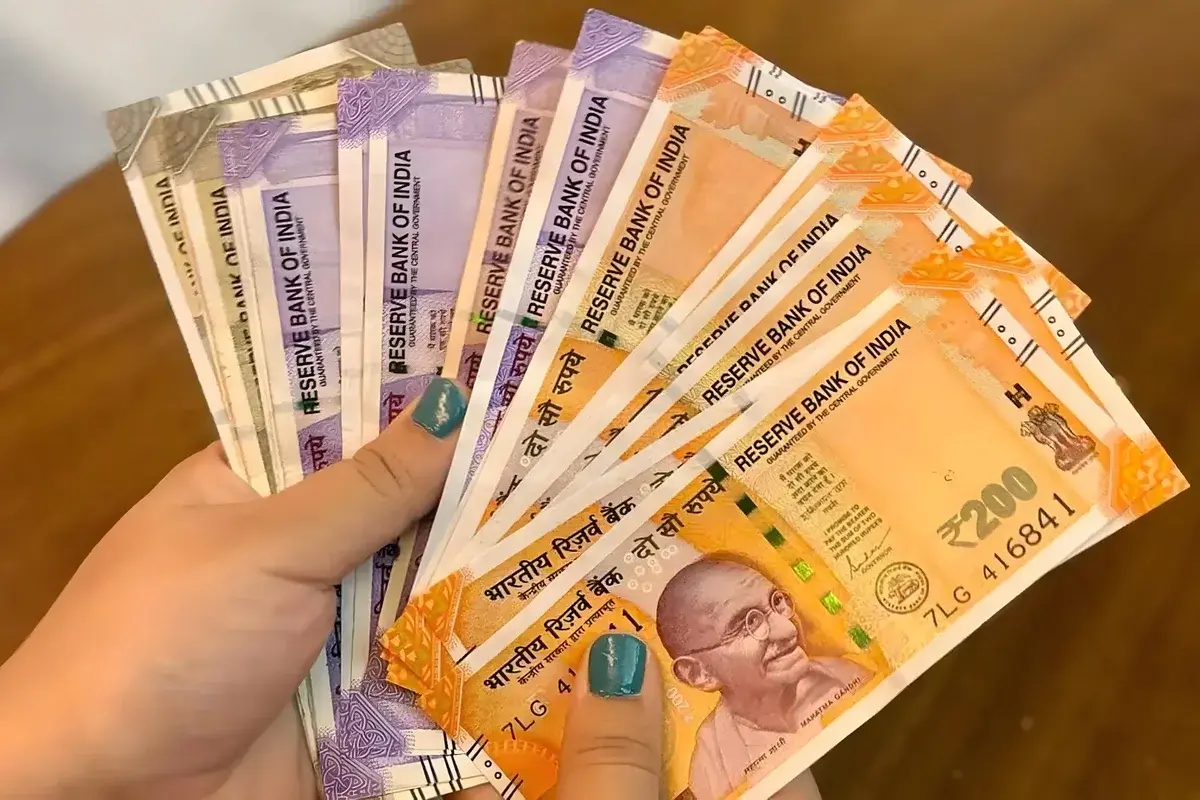
The Indian rupee strengthened marginally in early Thursday trade, appreciating 6 paise to 90.85 against the US dollar. The modest uptick was largely driven by a softer dollar index and sustained foreign institutional investor inflows, which offered near-term support to the domestic currency.
While the move reflects improving sentiment, underlying pressures such as geopolitical uncertainty and elevated crude oil prices continue to cap significant upside.
The rupee opened at 90.86 against the dollar and strengthened slightly to 90.85 in early trade. This follows Wednesday’s close at 90.91, where the currency had gained 4 paise.
| Date | Opening Level | Closing Level | Change |
|---|---|---|---|
| Wednesday | — | 90.91 | +4 paise |
| Thursday (Early Trade) | 90.86 | 90.85 | +6 paise |
The price action suggests a range-bound pattern with gradual recovery attempts.
Several macro and market factors contributed to the rupee’s early gains.
| Factor | Impact on Rupee |
|---|---|
| Decline in Dollar Index | Supports emerging market currencies |
| FII Inflows | Strengthens domestic liquidity |
| Gains in Asian Currencies | Improves regional sentiment |
| Positive Indian Equities | Encourages capital inflows |
The dollar index declined 0.13 percent to 97.57, indicating broader softness in the greenback. A weaker dollar typically provides breathing room for emerging market currencies like the rupee.
Despite supportive factors, the rupee’s gains remain capped.
| Risk Element | Currency Impact |
|---|---|
| Rising Global Crude Oil Prices | Widen trade deficit risk |
| Geopolitical Tensions | Safe-haven dollar demand |
| Importer Dollar Buying | Near-term resistance near 91.00 |
| Global Bond Yield Movement | Affects capital flows |
India, being a major oil importer, remains sensitive to crude price fluctuations. Any sustained rise in oil prices increases dollar demand for imports, exerting downward pressure on the rupee.
The broader currency environment remains influenced by global macro dynamics.
| Metric | Value |
|---|---|
| Dollar Index | 97.57 |
| Daily Movement | -0.13% |
A softer dollar index supports emerging market currencies; however, geopolitical uncertainties and global macroeconomic shifts can quickly reverse this trend.
Indian equity markets opened on a positive note, which generally supports the rupee by attracting foreign portfolio investments.
The rupee has struggled to decisively breach the 91.00 level on the upside. The recent recovery suggests temporary stability rather than a structural shift.
| Level | Significance |
|---|---|
| 91.00 | Psychological resistance |
| 90.70 | Immediate support |
| 90.50 | Stronger support zone |
| 91.20 | Risk level if weakness returns |
Unless supported by sustained capital inflows and softer oil prices, the rupee may continue to trade within a narrow band.
The rupee’s slight appreciation offers mild relief to importers and companies with foreign currency liabilities. However, exporters may find limited benefit if gains remain contained.
| Segment | Likely Effect |
|---|---|
| Import-Heavy Industries | Slight cost relief |
| Oil Marketing Companies | Sensitive to crude trends |
| Exporters | Mild margin pressure |
| IT & Services | Currency stability favorable |
Stable currency movement reduces volatility risks in hedging strategies for corporates.
The foreign exchange market remains highly sensitive to:
The rupee’s trajectory underscores how closely domestic currency dynamics are linked to global macro indicators.
In the coming sessions, market participants will monitor:
• Movement in the dollar index • Foreign institutional investment flows • Crude oil price trajectory • US economic data releases • Domestic equity performance
If the dollar remains soft and FIIs sustain inflows, the rupee may attempt to test stronger support levels. However, any spike in oil prices or geopolitical escalation could quickly reverse gains.
The rupee’s rise to 90.85 reflects cautious optimism supported by a weaker dollar and capital inflows. However, structural challenges persist, particularly from external vulnerabilities like oil prices and geopolitical tensions.
For now, the currency appears poised to trade in a controlled range, with global macro cues determining its next decisive move.

Financial journalist specializing in market analysis, stock research, and investment trends. Dedicated to providing accurate, timely insights for informed decision-making.
Credentials: Experienced financial journalist with expertise in equity markets and economic analysis
The information provided in this article is for educational and informational purposes only and should not be construed as financial, investment, or legal advice. Finscann does not provide personalized investment recommendations.
For detailed terms and conditions, please read our Disclaimer and Terms of Service.

H-1B visa approvals fall to a five-year low in FY25 despite a surge in petitions, raising concerns for US employers relying on skilled foreign talent...

Indian solar stocks face sharp decline after new US import duties of 126%, impacting major players like Waaree Energies and Adani Green.

Potpie AI secures $2.2 million in pre-seed funding led by Emergent Ventures with backing from All In Capital, DeVC, and PointOne Capital.

The US officially implements a 10% tariff following a Supreme Court ruling, reshaping trade policy expectations.

China’s export controls targeting major Japanese industrial companies escalate geopolitical tensions, raising supply chain risks, margin pressure,...