Loading market data...

The Indian automotive sector, a traditionally "protected" fortress for domestic giants, is facing a significant sentiment shock. On Tuesday, January 27, 2026, shares of Mahindra & Mahindra (M&M), Tata Motors, and Maruti Suzuki are trading in the red, with M&M leading the decline with a sharp 5% drop.
The catalyst for this sell-off is the looming India-EU Free Trade Agreement (FTA), a historic trade deal that threatens to dismantle the high tariff barriers that have long insulated Indian carmakers from European competition.
1. The Threat of "Cheaper" Luxury: Mahindra & Tata Motors in the Crosshairs
The primary reason for the weakness in M&M and Tata Motors is their increasing reliance on the "premium" SUV segment.
Loading chart...
2. Maruti Suzuki: The Mass-Market Insulation
While Maruti Suzuki shares have also dipped (down ~1.5%), the "pressure" here is largely sentimental rather than structural.
3. The "Quota" and "EV" Protection: The Silver Lining
Investors are also weighing the protections built into the deal, which are preventing a total sector collapse:
4. Brokerage View: A "Sentiment" Negative, "Fundamental" Mixed
| Stock | Impact Rating | Analyst View |
|---|---|---|
| M&M | High | Goldman Sachs projects a 1.9% hit to profitability due to premium segment competition. |
| Tata Motors | Medium | Near-term pressure on JLR-related sentiment; domestic mass-market remains stable. |
| Maruti Suzuki | Low | Largely insulated; focus remains on domestic rural demand and upcoming EV launches. |
| Auto Ancillaries | Positive | Firms like Bharat Forge may see higher orders as European firms expand India operations. |
The FinScann Take: A Time for Quality Picking
The "India-EU deal" marks the end of an era where Indian carmakers could rely solely on protectionism. While the stock prices are under pressure today, this deal forces domestic players to innovate and compete on global standards.
For investors, the current sell-off in M&M and Tata Motors might be an overreaction given the 5-year EV protection and the limited import quotas. The real test will be how these companies utilize this 5-year window to solidify their premium brand equity before the tariffs eventually drop to 10% by 2031.
Disclaimer
This article is for informational purposes only and does not constitute financial advice. Trading in equities involves high risk. Please consult a SEBI-registered advisor before making investment decisions. FinScann and its authors are not responsible for any financial losses.

Financial journalist specializing in market analysis, stock research, and investment trends. Dedicated to providing accurate, timely insights for informed decision-making.
Credentials: Experienced financial journalist with expertise in equity markets and economic analysis
The information provided in this article is for educational and informational purposes only and should not be construed as financial, investment, or legal advice. Finscann does not provide personalized investment recommendations.
For detailed terms and conditions, please read our Disclaimer and Terms of Service.
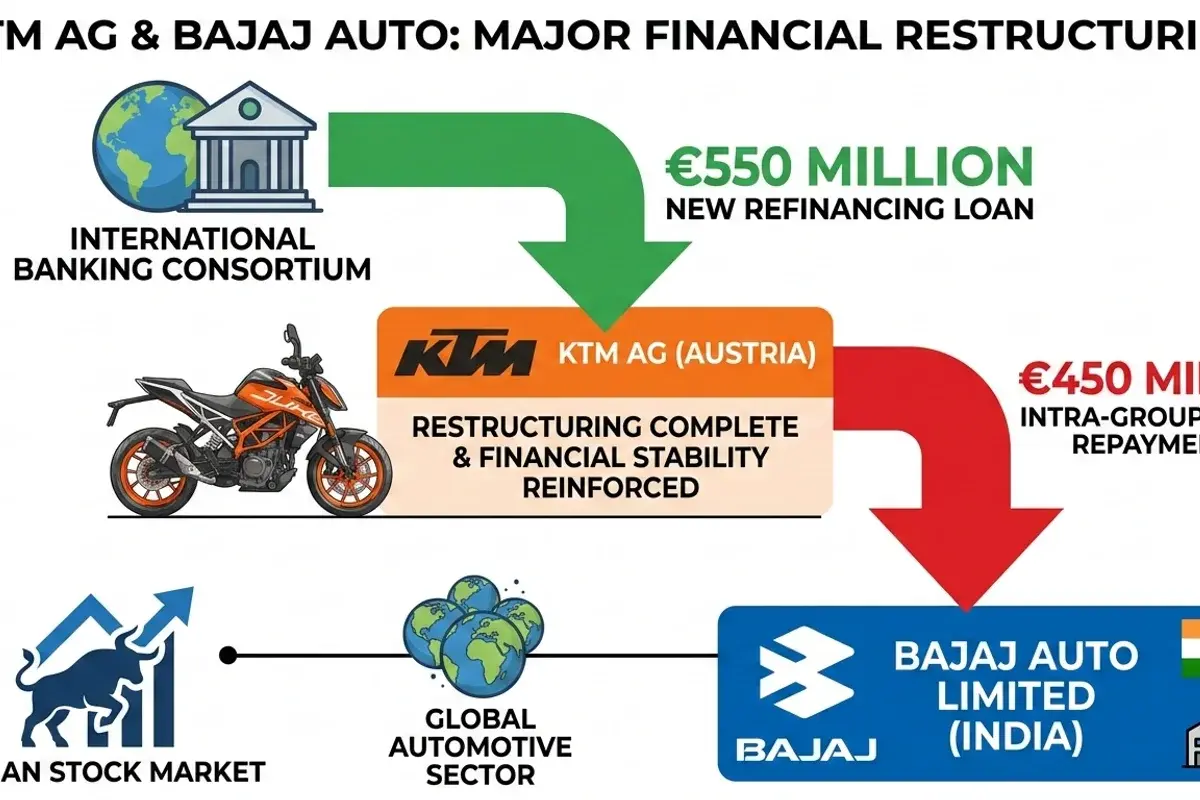
KTM AG repays €450M loan to Bajaj Auto's unit, completing restructuring. FinScann analyzes the financial impact on Bajaj Auto, Pierer Mobility, and...

Tata Elxsi launches DevStudio.ai, an ASPICE-aligned GenAI platform, poised to accelerate automotive software engineering and enhance productivity for...

Waaree Energies bags a significant 300 MW wind power project in Gujarat, marking a strategic expansion and contributing to India's ambitious...
“ABCL is entering a structurally stronger earnings phase, supported by synchronized momentum across lending, AMC, and insurance.
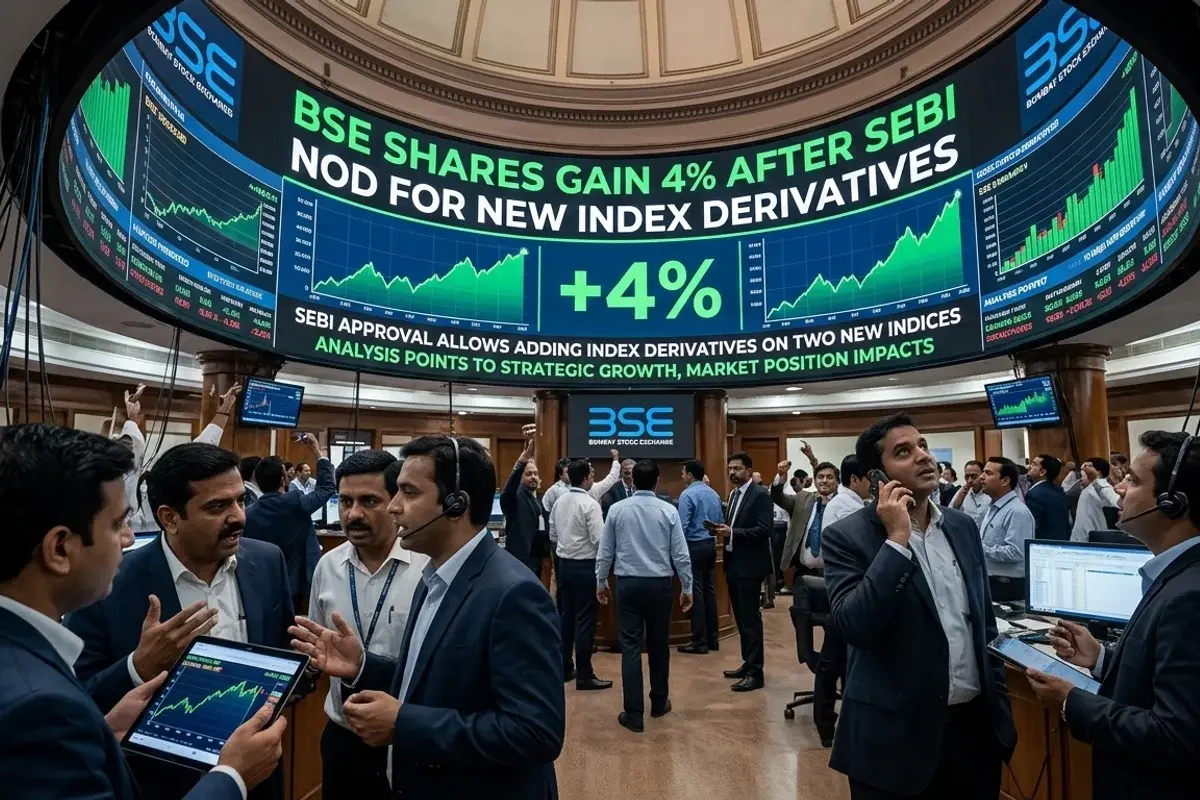
BSE shares surge over 4% after SEBI's critical nod for Sensex Next 30 index derivatives, bolstering its market position and revenue potential.