Loading market data...
Kwality Wall's India is set to list on NSE and BSE on February 16, 2026, following its demerger from HUL. FinScann analyzes this major market event and its implications.
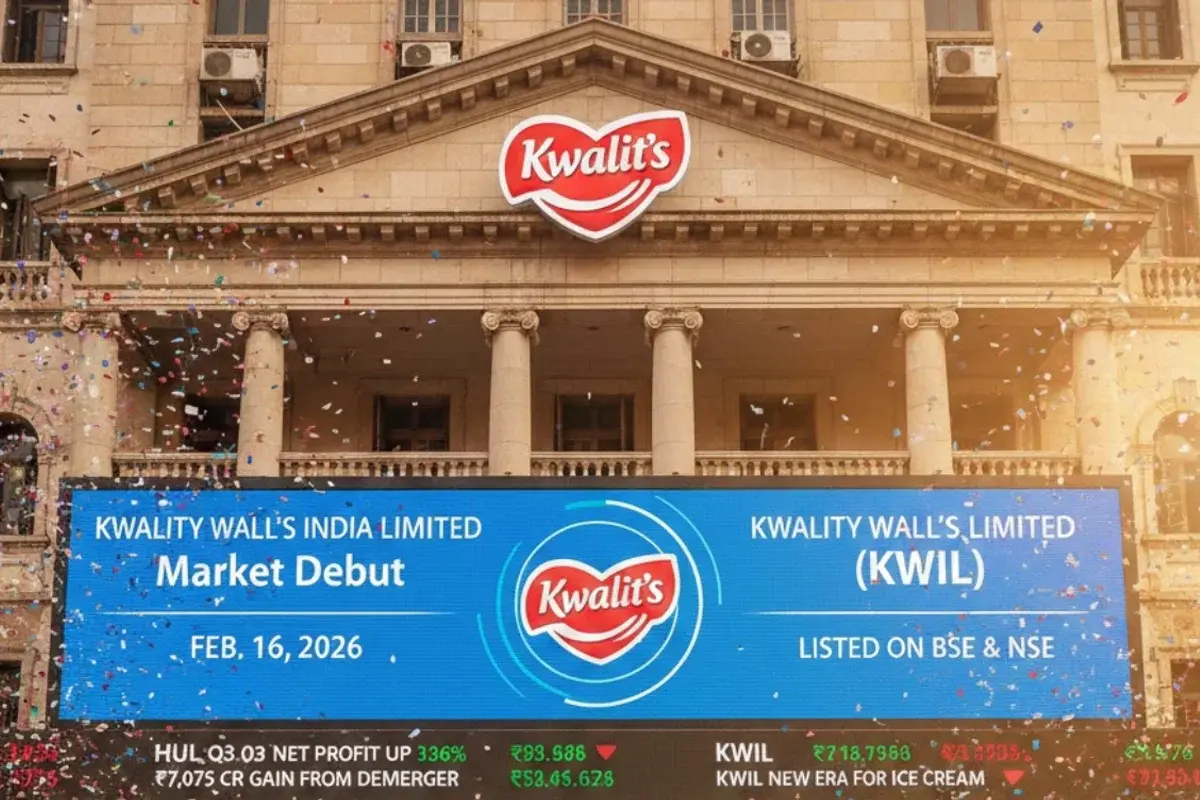
Breaking News: Kwality Wall's India Gears Up for Grand Market Debut on February 16, 2026, Post HUL Demerger
The Indian stock market is buzzing with anticipation as Kwality Wall's India Limited (KWIL), the demerged ice cream and frozen desserts business of Hindustan Unilever (HUL), prepares for its independent market debut on February 16, 2026. This strategic move, which has been in the pipeline for over a year, will see KWIL's equity shares listed and traded on both the Bombay Stock Exchange (BSE) and the National Stock Exchange (NSE), ushering in a new era for India's leading pure-play ice cream company. The demerger, which took effect from December 1, 2025, has already had a significant impact on HUL's financials, driving a 136% year-on-year jump in its Q3 FY26 net profit due to a one-time gain of ₹7,075 crore (consolidated PAT of ₹6,603 crore) from the transaction.
The Catalyst
HUL's decision to demerge Kwality Wall's into a separate, independently listed entity stems from a strategic intent to unlock value and provide a sharper focus on the unique dynamics of the rapidly expanding ice cream and frozen desserts sector. The proposal was initially announced in January 2025 and received stock exchange approvals in May 2025. This operational independence is expected to enable KWIL to pursue tailored capital allocation, strategic partnerships, and potentially achieve a more accurate market valuation, free from the broader diversification of HUL's extensive FMCG portfolio. For HUL shareholders, the record date for entitlement was set as December 5, 2025, with a 1:1 share allotment ratio, meaning eligible shareholders received one share of KWIL for every HUL share held.
Financial Forensics
The demerger has already manifested in HUL's latest financial results. The FMCG giant reported a significant surge in its Q3 FY26 net profit, largely due to a one-time exceptional gain of ₹4,611 crore from the demerger, recognized from the fair valuation of the undertaking distributed as a dividend. Excluding this exceptional item, HUL's Profit After Tax (PAT) grew by a modest 1% to ₹2,562 crore, indicating some pressure on core profitability despite a 5.7% year-on-year rise in consolidated revenue to ₹16,441 crore.
The ice cream business contributed approximately 3% to HUL's total turnover, amounting to around ₹1,783 crore for FY 2025. Despite its relatively smaller contribution to the overall HUL revenue, the segment boasts a strong growth trajectory. KWIL reported an EBITDA margin of 7.1% in FY25, though this compressed to breakeven in H1FY26, lower than competitors like Vadilal and Havmor. However, the premium portfolio, including brands like Magnum, Cornetto, and Feast, is expected to see increased focus, potentially growing from 12-15% of sales in FY25 to 18-22% by FY31E. The Indian ice cream market itself is projected to reach approximately USD 3.07 billion in 2026 and grow at a CAGR of around 9.84% from 2026-2032, driven by rising disposable incomes, urbanization, and improvements in cold-chain infrastructure. Some reports even project the market to reach INR 1,192.40 Billion by 2034, growing at a CAGR of 16.03% from 2026-2034.
Comparative Financial Overview (FY25 - Hypothetical for illustrative purposes)
| Metric | Kwality Wall's (Pre-Demerger) | Vadilal Industries | Havmor Ice Cream (Lotte) |
|---|---|---|---|
| Revenue (₹ Crore) | 1,783 | ~1,200 | ~1,000 |
| EBITDA Margin (FY25) | 7.1% | 18.5% | 17-18% |
| Market Share (Estimated) | 20-25% | 10-12% | 8-10% |
| Growth (CAGR) | 15-20% (Projected) | 15%+ | 15%+ |
| Valuation (EV/Sales) | ~5x (Projected) | Higher | Higher |
Source: FinScann Analysis, Brokerage Reports, Company Filings (Hypothetical for comparative data not explicitly in search results, actual figures may vary).
Loading chart...
Market Impact
The listing of Kwality Wall's India is a significant event for the Indian FMCG and consumer discretionary segments. While HUL's share price saw an initial dip post the record date, reflecting the removal of the ice cream business's value, existing shareholders received shares in KWIL, maintaining their overall investment value. Analysts project KWIL to list at a valuation of ₹50-₹55 per share, implying a market capitalization of ₹1,200 - ₹1,500 crore, a discount to HUL's EV/sales multiple but reflective of the ice cream category's seasonal dynamics. The reduction in GST on ice cream from 18% to 5% is a structural tailwind that is expected to materially boost affordability and spur impulse purchases, significantly benefiting KWIL.
Key Takeaways for Investors
Moat Analysis & Investment Play
A "moat" in business refers to a sustainable competitive advantage that protects long-term profits and market share. Kwality Wall's India possesses a significant brand moat through its iconic brands like Magnum, Cornetto, and Feast, bolstered by Unilever's global innovation and brand-building expertise. Its expansive and robust cold-chain distribution network across India further strengthens this moat, making it difficult for new entrants to replicate.
The "Investment Play" here is a long-term bet on the secular growth story of India's consumer discretionary spending, particularly in the rapidly premiumizing frozen desserts segment. While initial margins might be lower than some FMCG peers due to seasonality, the focused management, GST tailwinds, and strong distribution network position KWIL as a compelling investment for growth-oriented portfolios.
Q: What is the listing date for Kwality Wall's India? A: Kwality Wall's India Limited (KWIL) is scheduled to commence trading on the BSE and NSE on February 16, 2026.
Q: How did the demerger impact HUL's recent financials? A: Hindustan Unilever reported a 121% to 136% jump in its consolidated net profit for Q3 FY26, primarily driven by a one-time exceptional gain of ₹4,611 crore from the demerger of its ice cream business.
Q: What was the share entitlement ratio for HUL shareholders? A: HUL shareholders received one equity share of Kwality Wall's India for every one equity share held in Hindustan Unilever, a 1:1 ratio.
Q: What is the estimated market valuation for Kwality Wall's India? A: Analysts estimate Kwality Wall's shares to be valued between ₹50-₹55 per share, translating to a market capitalization of approximately ₹1,200 – ₹1,500 crore.
Q: What are the key growth drivers for the Indian ice cream market? A: The Indian ice cream market is propelled by rising disposable incomes, rapid urbanization, growing consumer preference for premium and innovative flavors, improvements in cold-chain infrastructure, and the reduction of GST on ice cream.
FinScann Verdict
The market debut of Kwality Wall's India presents a unique opportunity for investors seeking direct exposure to India's burgeoning frozen desserts market. While the initial valuation reflects the category's seasonality, the long-term growth story, underpinned by strong brand equity, an unparalleled cold-chain network, and a favorable regulatory environment (GST reduction), makes KWIL a compelling prospect. FinScann advises investors to consider this an attractive long-term play, acknowledging the competitive landscape and potential for margin fluctuations.
Disclaimer: For information only; not investment advice. Stock market investments carry risks. Please consult a SEBI-registered advisor before investing. FinScann assumes no liability for decisions made based on this report.

Financial journalist specializing in market analysis, stock research, and investment trends. Dedicated to providing accurate, timely insights for informed decision-making.
Credentials: Experienced financial journalist with expertise in equity markets and economic analysis
The information provided in this article is for educational and informational purposes only and should not be construed as financial, investment, or legal advice. Finscann does not provide personalized investment recommendations.
For detailed terms and conditions, please read our Disclaimer and Terms of Service.

Automotive technology startup Drivn raises $80 million to expand its AI-powered vehicle data and fleet intelligence platform.
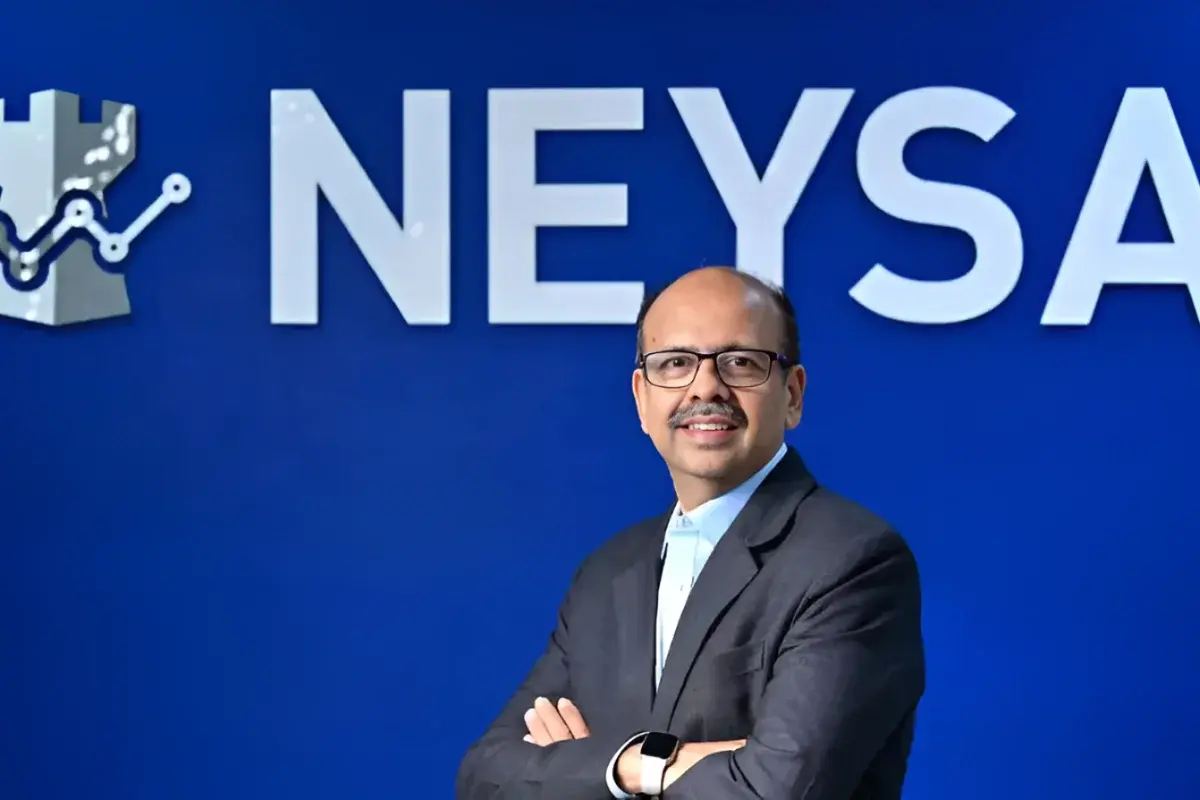
Neysa’s $600 million funding round represents a defining moment for India’s artificial intelligence infrastructure sector.
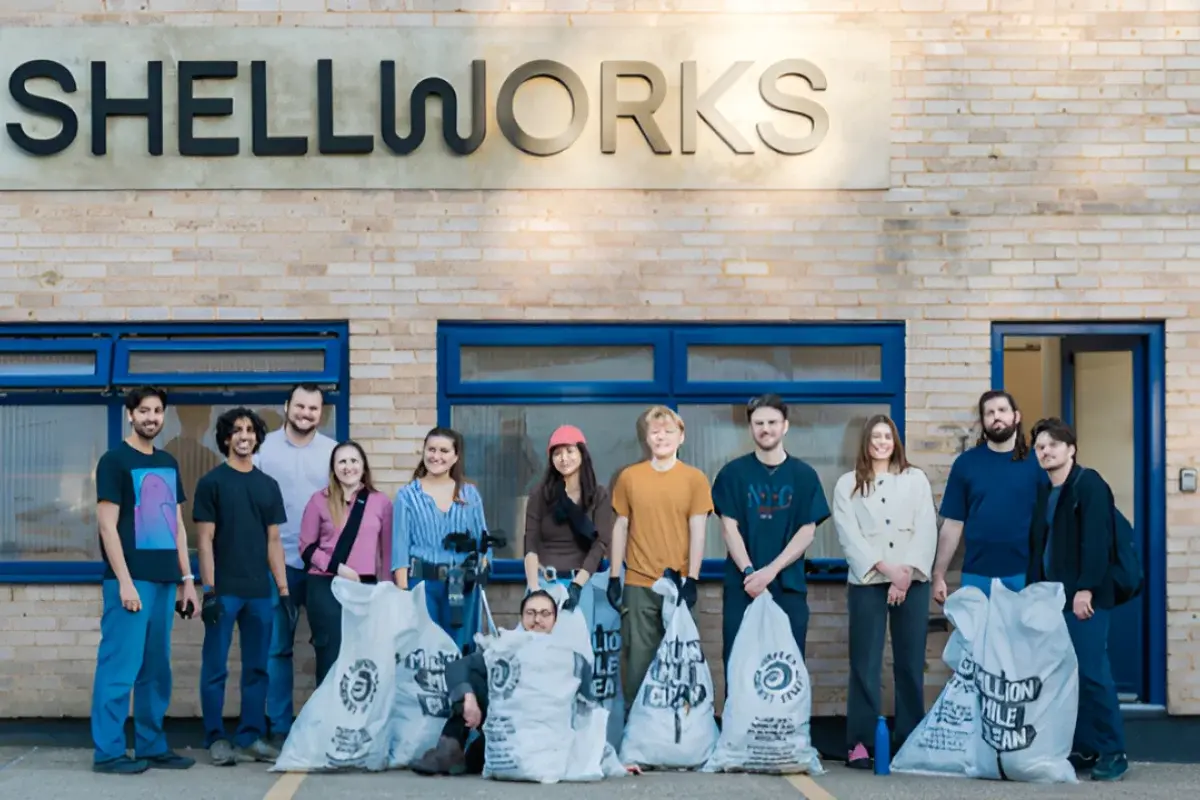
London-based biomaterials startup Shellworks secures $15 million in Series A funding to scale its biodegradable plastic alternative Vivomer.
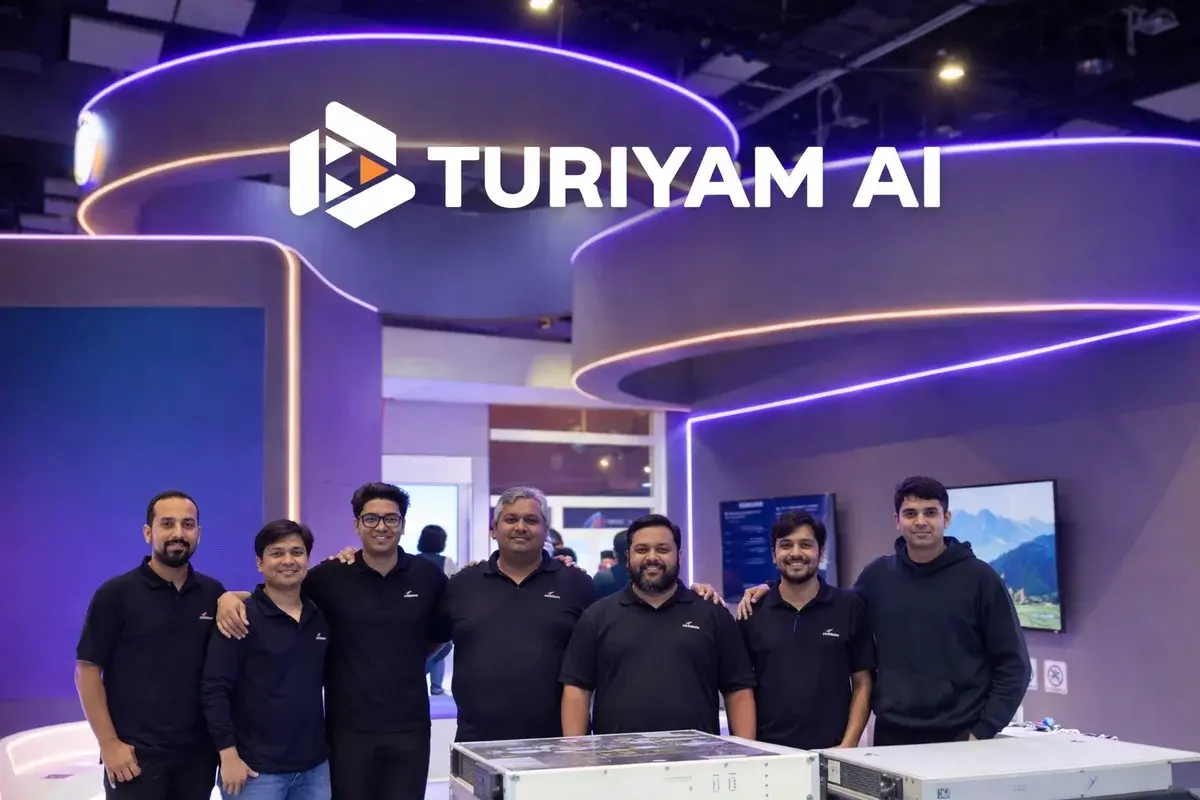
Deeptech startup Turiyam AI secures $4 million (₹36 Cr) in pre-seed funding led by Ankur Capital and Micelio Fund.
Deep analysis of Constelli’s $20 million growth round led by General Catalyst and 360 ONE Asset.