Loading market data...
FinScann's expert analysis of India's market outlook for Feb 9, 2026. Navigate key triggers: Indo-US Trade Deal, RBI Policy, and Union Budget 2026 impact.

Breaking: India's Market Outlook for February 9, 2026 – Navigating "Big Three" Triggers
Indian equity markets are poised for a dynamic opening on Monday, February 9, 2026, as investors keenly assess the converging impacts of three monumental catalysts: the Union Budget 2026, the Reserve Bank of India’s (RBI) Monetary Policy, and a landmark Indo-US Trade Deal. This week ushers in a new phase where broad speculation gives way to targeted, sector-specific strategies, demanding a refined approach to portfolio management. The Nifty 50 closed last week near 25,694, hinting at underlying strength despite recent volatility, with technical support identified around 25,550.
The Catalyst
The past week has witnessed a cascade of policy announcements and diplomatic breakthroughs that are set to redefine India's economic trajectory. The Indo-US Trade Deal, announced as an initial agreement, represents a significant de-escalation of trade tensions. The United States has notably reduced tariffs on various Indian goods from 50% to 18%, a move anticipated to rejuvenate export-oriented sectors. This pivotal development promises to restore a crucial competitive edge for Indian manufacturers in the expansive US market. Simultaneously, the RBI’s Monetary Policy Committee (MPC), concluding its meeting on Friday, February 6, 2026, opted to maintain the repo rate at 5.25% with a "neutral" stance. This decision, widely anticipated, signals a period of interest rate stability, providing a clear horizon for financial planning and investment decisions across the nation.
Financial Forensics
Delving deeper into the numbers reveals the potent implications of these "Big Three" triggers for the Indian economy and financial markets.
Indo-US Trade Deal: A Boost for Exports and Strategic Alignment The agreement sees US tariffs on Indian exports, including textiles, apparel, leather, footwear, plastic, rubber, organic chemicals, home décor, and certain machinery, slashed from 50% to 18%. This substantial reduction is expected to trigger a multi-layered recovery in India's export-oriented industries. In return, India has expressed its intention to procure $500 billion worth of US goods and services over the next five years, encompassing critical areas like energy products, aircraft, and aircraft parts. While this deal is a framework agreement, with further details to be negotiated, Commerce Minister Piyush Goyal has stated India will have no difficulty meeting the purchase target, deeming it a conservative number for an aspiring $30 trillion economy. However, some analysts and political figures have raised concerns regarding the asymmetry of the deal and the potential for US monitoring of India's oil imports.
RBI’s Steady Hand: Stability for Banking and NBFCs The RBI's decision to hold the repo rate steady at 5.25% and maintain a neutral stance after its MPC meeting from February 4-6, 2026, aims to foster a stable interest-rate environment. This stability is crucial for both borrowers and lenders. The central bank has simultaneously upgraded its FY26 GDP growth forecast to 7.4% (from 7.3%) and adjusted the inflation estimate marginally upwards to 2.1% for the same fiscal year, primarily due to rising gold and silver prices. Liquidity support is expected to continue, underpinning financial system stability.
Union Budget 2026: Fuelling India's Growth Engine Presented on February 1, 2026, the Union Budget 2026 reinforces the government's commitment to infrastructure-led growth and domestic manufacturing. A substantial ₹12.2 lakh crore capex push has been allocated for FY27, representing an 11.5% growth over the FY26 Revised Estimate of ₹11.2 lakh crore. This massive public investment is central to the "Manufacturing India" narrative and aims to create employment and boost productivity. Key sectors like biopharma, semiconductors, electronics, capital goods, textiles, and rare-earth based products are set to receive significant support. Furthermore, the budget introduced changes in Securities Transaction Tax (STT), increasing it on Futures from 0.02% to 0.05% and on Options premium and exercise from 0.1%/0.125% to 0.15%, which could impact F&O trading volumes.
Market Impact
The confluence of these "Big Three" events is expected to generate significant sector-specific movements as the market opens.
Key Takeaways
Investors navigating the current market landscape should consider these crucial points:
Monday Watchlist: Stocks in Focus
| Stock | Trigger | Sentiment | Key Details |
|---|---|---|---|
| Fractal Analytics | IPO opens Monday (₹2,834 Cr issue size) | High Interest | A significant AI service provider, its IPO could garner strong investor attention given the burgeoning interest in technology and data analytics. |
| Hitachi Energy | 90% Profit Jump; Record Orders | Bullish | Q3 FY26 net profit surged to ₹261 crore, with a record order backlog of ₹29,872.2 crore. Strong prospects in renewables, power grid expansion, and AI-ready data centers. |
| SBI | Strong Q3 Earnings; Stable Asset Quality | Positive | Reported highest-ever standalone net profit of ₹21,028 crore (up 24.5% YoY) with healthy loan growth and improved asset quality (GNPA at 1.57%, NNPA at 0.39%). |
| Grasim Industries | Quarterly Earnings Result Today | Volatile | As a diversified player with exposure to infrastructure and manufacturing, its Q3 results could provide further insights into the impact of the Budget's capex push. |
| BSE Ltd | STT hike impact on F&O volumes | Watchful | The increase in Securities Transaction Tax (STT) on Futures and Options could potentially influence trading volumes on exchanges, making BSE Ltd a stock to monitor for direct impact. |
| Gokaldas Exports | Indo-US Trade Deal (Tariff Reduction) | Bullish | As a major textile and apparel exporter, the significant reduction in US tariffs from 50% to 18% directly enhances its competitive advantage and market access. |
| Muthoot Finance | Surging Gold Prices | Positive | With MCX Gold prices near record levels (around ₹1.56 Lakh per 10g), gold loan NBFCs are expected to see an increase in the value of their collateral, positively impacting their lending operations. |
| TCS / Infosys | Global Tech Sell-off | Watchful | Indian IT majors might face temporary headwinds from the ongoing tech sell-off in US markets, which saw the Nifty IT index decline over the past three sessions. |
FinScann Verdict
The Indian market's resilience is being tested and affirmed by a powerful combination of domestic policy and international trade dynamics. While global tech sector headwinds remain a concern, the strategic clarity emerging from the Union Budget, the RBI's stable monetary policy, and the Indo-US Trade Deal provides a strong underpinning for India's growth narrative. FinScann advises investors to focus on fundamental strength in export-oriented manufacturing, robust banking plays, and companies deeply integrated into the government's infrastructure and green energy initiatives to capitalize on these evolving opportunities.
Q: How will the Indo-US Trade Deal specifically benefit Indian exporters? A: The Indo-US Trade Deal specifically benefits Indian exporters by reducing US tariffs on a wide range of goods, including textiles, apparel, leather, footwear, and certain machinery, from 50% to 18%. This significant tariff reduction makes Indian products more competitive in the large US market, potentially leading to increased order volumes and improved profit margins for affected companies.
Q: What does the RBI's "neutral" stance on interest rates mean for the economy? A: The RBI's "neutral" stance, accompanied by maintaining the repo rate at 5.25%, indicates that the central bank will remain flexible and data-dependent in its future monetary policy decisions, rather than committing to immediate rate cuts or hikes. This approach provides stability to financial markets and predictable borrowing costs, which can support investment decisions and maintain confidence among businesses and consumers.
Q: Which sectors are the primary beneficiaries of the Union Budget 2026's capex push? A: The Union Budget 2026's substantial ₹12.2 lakh crore capex push primarily benefits sectors critical to infrastructure development and domestic manufacturing. Key beneficiaries include infrastructure and construction companies (like L&T), renewable energy and power players (like Hitachi Energy, NTPC, Power Grid), diversified manufacturing (like Grasim Industries), and industries involved in biopharma, semiconductors, and textiles.
Q: Why are Indian IT stocks under pressure despite positive domestic news? A: Indian IT stocks are currently under pressure primarily due to the global tech sell-off observed in US markets, particularly among major technology giants. This broader negative sentiment towards the tech sector internationally often spills over into Indian IT companies, as many derive significant revenue from global clients. The Nifty IT index declined for three consecutive trading sessions last week, reflecting this trend.
Q: What are the key support and resistance levels for Nifty 50 to watch on Monday? A: For Nifty 50 on Monday, key technical levels to monitor include immediate support at 25,550 and a stronger support zone around 25,344. On the upside, immediate resistance is expected between 25,800-25,850, with a decisive break above these levels potentially signaling further bullish momentum towards the 26,000 mark.
Disclaimer: For information only; not investment advice. Stock market investments carry risks. Please consult a SEBI-registered advisor before investing. FinScann assumes no liability for decisions made based on this report.

Financial journalist specializing in market analysis, stock research, and investment trends. Dedicated to providing accurate, timely insights for informed decision-making.
Credentials: Experienced financial journalist with expertise in equity markets and economic analysis
The information provided in this article is for educational and informational purposes only and should not be construed as financial, investment, or legal advice. Finscann does not provide personalized investment recommendations.
For detailed terms and conditions, please read our Disclaimer and Terms of Service.
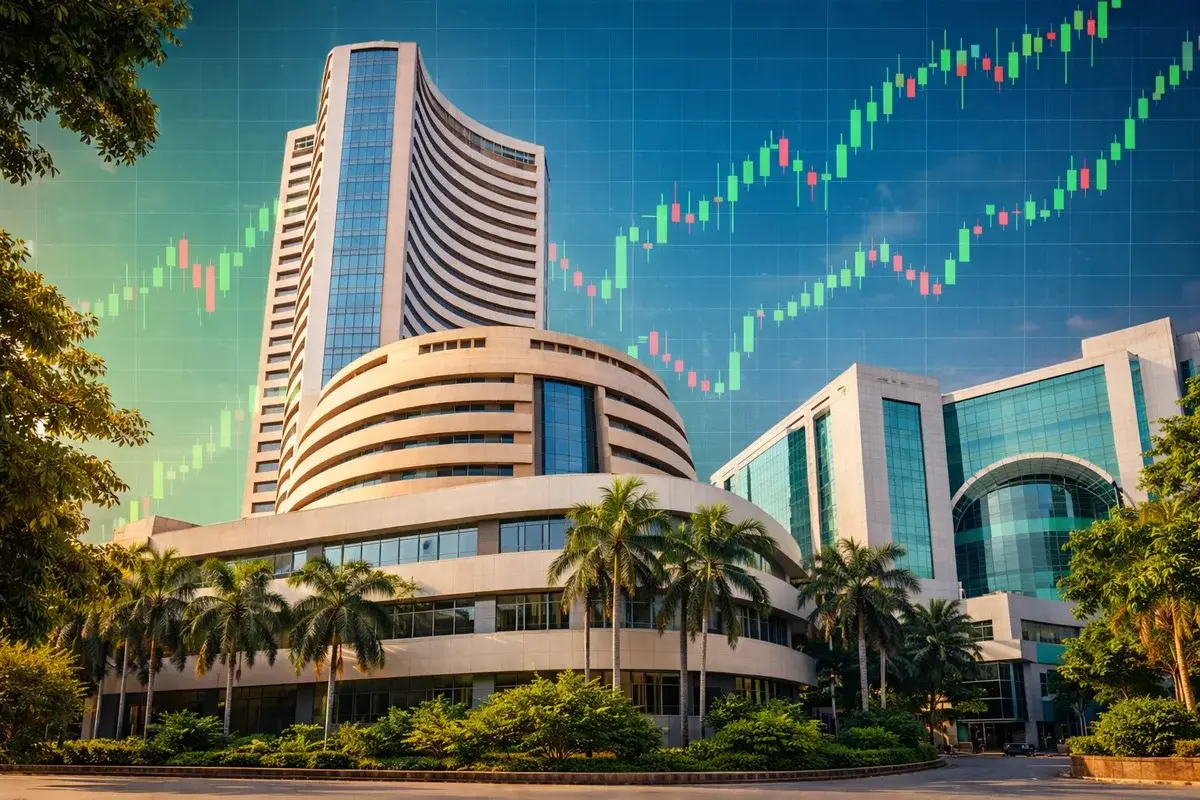
India's benchmark indices Sensex and Nifty staged a robust recovery in March 2026, gaining significantly despite ongoing geopolitical tensions.

Geopolitical tensions surrounding the US-Iran conflict led FIIs to dump ₹12,000 crore from Indian shares.

Indian refinery stocks, including Reliance, MRPL, and CPCL, surge up to 5% after China reportedly suspends diesel and gasoline exports amidst...
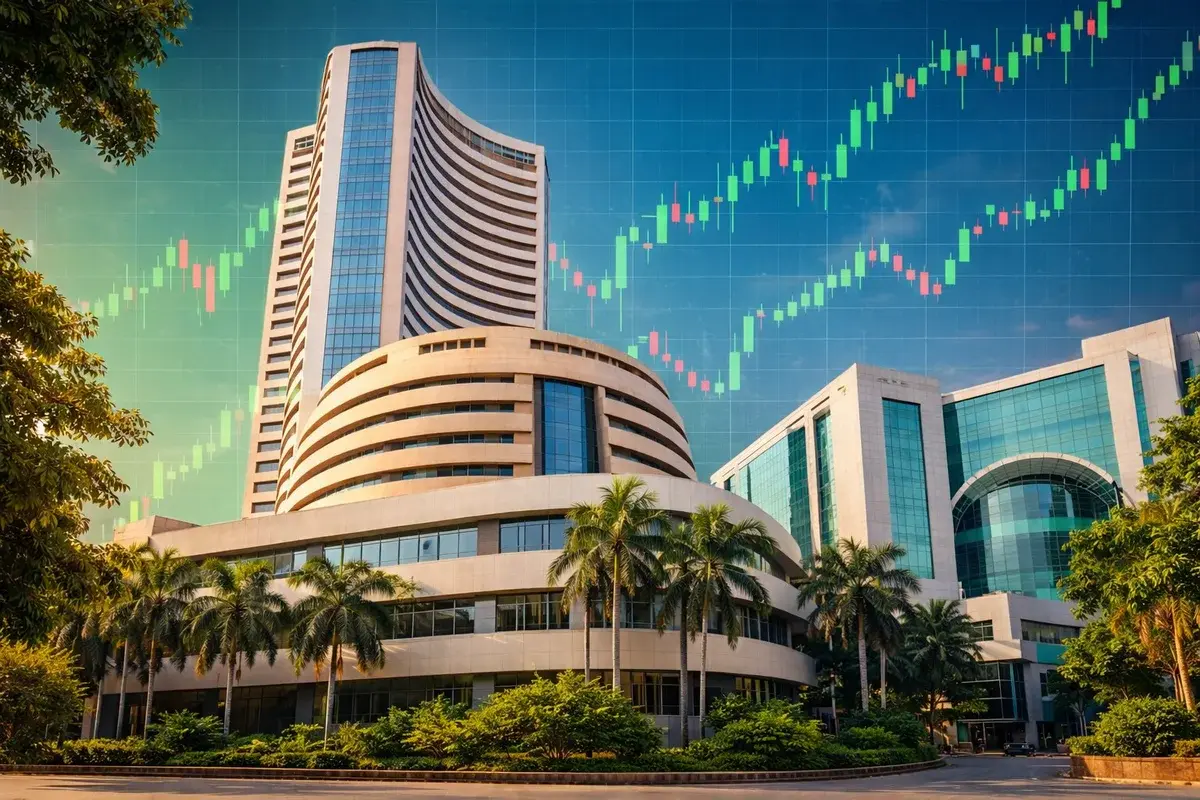
Indian markets surged in March 2026, with Sensex and Nifty rebounding on de-escalation hopes in the Middle East.
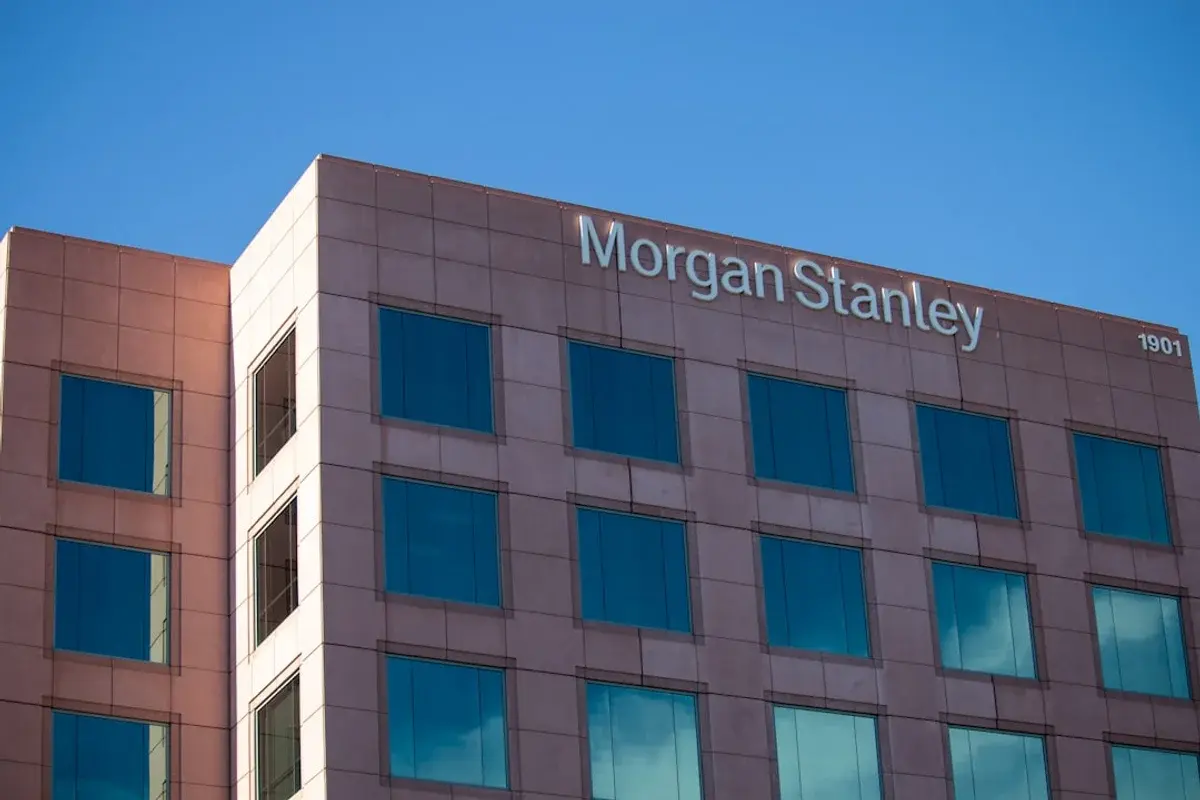
Morgan Stanley cuts 2,500 jobs across investment banking, wealth management, and trading. Despite strong financials, this strategic move signals a...