Loading market data...
Indian markets surged in March 2026, with Sensex and Nifty rebounding on de-escalation hopes in the Middle East. FinScann analyzes key factors: FII flows, crude oil, and India VIX.
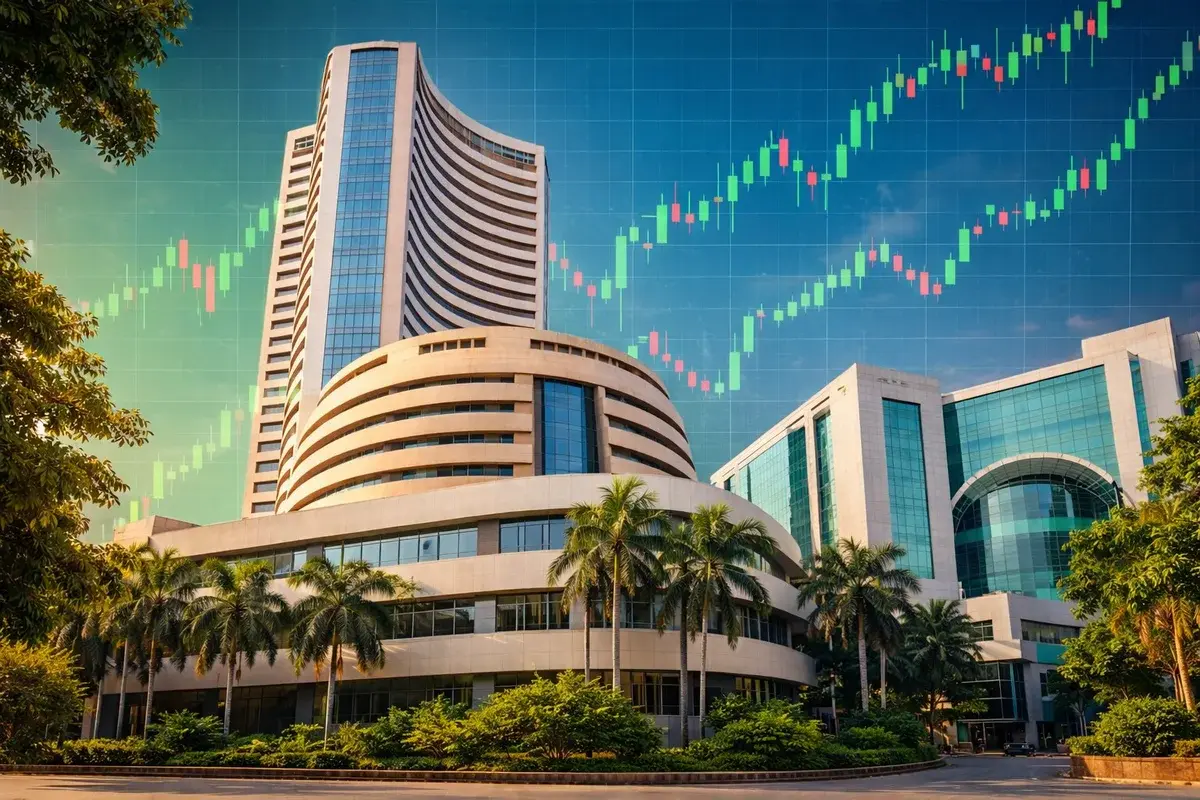
The Indian equities market staged a remarkable recovery on Thursday, March 5, 2026, with both the Sensex and Nifty 50 registering significant gains. This strong rebound, following a tumultuous period of sell-offs fueled by escalating geopolitical tensions in the Middle East, signals a cautious return of investor confidence. While underlying global risks persist, the immediate catalyst appears to be nascent hopes of de-escalation. FinScann’s in-depth analysis delves into the critical factors driving this recovery and offers strategic insights for astute investors navigating these volatile times.
The broader market witnessed a sharp uptick as the Sensex opened over 400 points higher at 79,530, and the Nifty 50 climbed past the 24,600-mark, settling around 24,615.95 in early trade. This single day's performance added a substantial ₹3.9 lakh crore to the total market capitalization of all companies listed on the BSE. This surge follows a period where Indian markets, alongside global peers, experienced significant pressure, with the Nifty 50 having snapped a three-day losing streak and the Sensex a four-session decline. The resilience demonstrated underscores the underlying structural strengths of the Indian economy, even as external headwinds continue to challenge global financial stability.
The Catalyst: A Glimmer of Hope Amidst Geopolitical Jitters
The primary driver behind the market's recent recovery is the emergent speculation surrounding a potential de-escalation of the geopolitical conflict involving Iran, the United States, and Israel. The past week saw an alarming intensification of hostilities, commencing with coordinated military strikes by the US and Israel targeting Iranian military and nuclear infrastructure. This was met with retaliatory actions from Iran across the oil-rich Middle Eastern region, further exacerbating investor fears and triggering a significant global risk-off sentiment.
However, reports hinting at indirect talks between Iranian intelligence operatives and the CIA have injected a crucial element of hope into the narrative. While unconfirmed by officials, this possibility of diplomatic engagement has provided a much-needed respite, leading to a swift, sentiment-driven rebound in global equities. The initial market reaction to the conflict was a typical flight to safety, pushing global equities down, strengthening the US dollar, and benefiting precious metals. The current rebound, therefore, largely reflects a recalibration of this risk premium as the immediate threat of widespread, prolonged conflict appears to have receded, for now.
Financial Forensics: Decoding Market Movements and Valuations
The recent market dynamics offer a compelling case study in how global events are transmitted through various financial metrics, subsequently influencing investor behavior on Dalal Street.
Market Movement & Valuation Reset The sharp recovery on March 5, 2026, saw the Sensex and Nifty erase a significant portion of their previous losses, indicating that the initial sell-off was heavily sentiment-driven. This rebound was accompanied by a notable cooling in the India VIX, often termed the "fear gauge." After surging dramatically by over 20-25% in the preceding days and marking a year-to-date increase of 121% by March 4, the India VIX dropped nearly 10% to 19.04 on March 5, signifying a decrease in market volatility expectations and investor anxiety.
From a valuation perspective, as of March 4, 2026, the Nifty 50 PE ratio stood at 21.42 on a consolidated trailing twelve months (TTM) basis. While this places the market in the "fairly valued to slightly overvalued" zone compared to its historical average of 20-21, it is crucial to note that Indian equities have historically commanded a premium given the country's robust long-term growth prospects. A Nifty PB ratio of 3.33 also suggests moderate caution, but not alarm.
Institutional Flows: DIIs as the Domestic Anchor A critical underlying trend bolstering the Indian market's resilience has been the consistent buying by Domestic Institutional Investors (DIIs) in the face of significant Foreign Institutional Investor (FII) outflows. On March 4, 2026, FIIs were net sellers of ₹8,752.65 crore in Indian equities. This outflow, part of a broader trend of FII selling observed since July 2025 (totaling over ₹2.2 lakh crore by January 2026), would typically exert substantial downward pressure.
However, DIIs stepped in with robust buying, purchasing Indian equities worth ₹12,068.17 crore on the same day. This strong domestic participation has been instrumental in absorbing foreign selling pressure and preventing deeper market corrections. Domestic institutions, driven by steady SIP inflows and long-term conviction in India's growth story, are increasingly acting as a powerful counter-balance to global capital movements.
Currency & Crude Dynamics: The Twin Vulnerabilities India, being a major net importer of crude oil (over 85-88% of its needs), remains highly sensitive to global oil price fluctuations. The initial surge in Brent crude prices to over $80-$82 per barrel following the geopolitical escalation had raised significant concerns. Analysts warned that prolonged disruption, especially through the critical Strait of Hormuz (through which 20% of global oil shipments transit), could push prices above $100 per barrel.
Such elevated crude prices pose a multi-pronged threat to the Indian economy:
The Indian Rupee, which had earlier crashed past ₹92 per dollar, showed a resilient recovery on March 5, rising 0.63% to ₹91.57 per dollar. This recovery is directly linked to the easing crude oil concerns, highlighting the intertwined nature of energy prices and currency stability for India.
Market Impact: Sectoral Shifts and Strategic Positioning
The immediate market recovery showcased distinct sectoral performances, underlining how different industries react to such complex geopolitical and economic shifts.
Top Gainers on the Recovery Day On March 5, 2026, leading the charge among Sensex constituents were heavyweights like Adani Ports and Special Economic Zone, Reliance Industries (RIL), Bajaj Finance, and Larsen & Toubro (L&T), each rising by around 1-2%. This indicates a broad-based, risk-on appetite returning to blue-chip stocks.
Reliance Industries: A Case of Counter-Intuitive Benefit Significantly, Reliance Industries (RIL) shares jumped more than 3%, playing a pivotal role in pulling benchmark indices higher. While rising crude oil prices typically hurt net oil-importing economies, certain integrated players like RIL, with substantial refining operations, can paradoxically benefit. Brokerages like Jefferies and JM Financial highlighted that supply disruptions in the Middle East could lead to higher refining margins (GRMs), especially for diesel. Jefferies noted that every US$1/barrel increase in refinery margin benefits RIL's EBITDA by US$500 million annually, assuming no re-imposition of windfall taxes by the government. This potential for enhanced profitability in its oil-to-chemicals (O2C) segment offers a unique insulation against, and even a benefit from, the very tensions that weigh on the broader economy.
Key Market Indicators: Pre-Tension vs. Recovery Snapshot (March 2026)
| Metric | Pre-Tension Peak (Early March) | Intra-Tension Low (March 2-4) | Recovery (March 5) | Outlook |
|---|---|---|---|---|
| Sensex | ~80,141 | ~78,571 | ~79,530 | Cautious optimism, volatility expected |
| Nifty 50 | ~24,948 | ~24,388 | ~24,615 | Rebound contingent on de-escalation |
| India VIX | ~16-17 | ~20.98-21.75 (Surge of 20-26%) | ~19.04 (Drop of 10%) | Easing but still elevated, implies uncertainty |
| Brent Crude Oil (USD/bbl) | ~$70-72 | ~$80-82 (Spike) | ~$71.07 (Moderate) | Vulnerable to escalation, Strait of Hormuz |
| Indian Rupee (INR/USD) | < ₹92 | > ₹92 (Weakening) | ~₹91.57 (Strengthening) | Highly sensitive to CAD and crude prices |
| FII Net Flow (March 4) | N/A | Net Selling: ₹8,752.65 Cr | N/A | Continued outflows absorbed by DIIs |
| DII Net Flow (March 4) | N/A | Net Buying: ₹12,068.17 Cr | N/A | Strong domestic support |
Key Takeaways for Investors
FinScann Verdict
The recent rebound in Indian equities is a testament to the market's underlying strength and the growing influence of domestic capital. While the immediate geopolitical horizon appears to be clearing slightly, investors must remain vigilant. The interplay of global crude oil prices, the Indian Rupee’s stability, and sustained FII flows will dictate the market's trajectory in the coming weeks. FinScann advises a balanced approach, focusing on fundamentally strong companies and maintaining diversification, utilizing market dips as potential accumulation opportunities rather than succumbing to panic.
Expert Insight Block
“Institutional investors are increasingly prioritizing EBITDA visibility and sustainable cash flow generation over top-line growth, especially in an environment where geopolitical risks can quickly impact supply chains and commodity prices,” says a Mumbai-based fund manager tracking the sector. “The resilience of domestic flows in India also underscores a maturing market, providing a crucial buffer against global shocks.”
Growth Drivers
Risk Factors
Investor Takeaway
Long-term investors should utilize market corrections driven by external, transient factors as opportunities to accumulate high-quality blue-chip stocks with strong fundamentals and sustainable EBITDA margins. Focus on sectors that benefit from India's domestic growth story (e.g., infrastructure, financial services, consumption) and those with strong pricing power to navigate inflationary pressures. Consider strategies that incorporate dividend stocks for passive income and to cushion volatility.
Short-term traders should exercise extreme caution, given the elevated India VIX and unpredictable geopolitical headlines. Implement strict risk management, use stop-losses, and avoid over-leveraging. Look for momentum plays following clear signals of de-escalation or escalation, but be prepared for swift reversals.
Valuation comfort zone for the Nifty 50 typically hovers around a P/E of 20-21. While the current 21.42 suggests fair to slightly overvalued territory, sustained earnings growth can quickly rationalize these multiples. Capital allocation discipline remains paramount. Gradually stagger investments rather than deploying large lump sums, especially during periods of uncertainty.
Trading Platforms for Indian Markets
For investors and traders looking to participate in the Indian equity markets, several robust platforms offer comprehensive services:
Q: What caused the recent market sell-off before the recovery? A: The primary cause was the sudden escalation of geopolitical tensions in the Middle East, specifically military strikes involving the US, Israel, and Iran, leading to fears of a wider conflict and disruption of global crude oil supplies. This triggered a global risk-off sentiment.
Q: How does rising crude oil price specifically impact India's economy? A: As India imports over 85% of its crude oil, higher prices directly impact its Current Account Deficit, fuel inflation by increasing transportation and input costs, and lead to a depreciation of the Indian Rupee as more dollars are needed for imports.
Q: Why are Foreign Institutional Investors (FIIs) selling Indian equities? A: FII selling is influenced by global factors such as expectations around US interest rates, strengthening US dollar, global risk sentiment, and portfolio rebalancing towards developed markets. They have been net sellers since July 2025 due to a mix of global uncertainty and some valuation concerns.
Q: What role do Domestic Institutional Investors (DIIs) play during FII outflows? A: DIIs, including mutual funds and insurance companies, act as a crucial stabilizing force by absorbing FII selling. Their consistent buying, often driven by steady SIP inflows and long-term confidence in India's growth story, helps prevent sharper market declines and reduces volatility.
Q: Is the Indian market overvalued after this recovery? A: As of early March 2026, the Nifty 50 P/E ratio of 21.42 is considered "fairly valued to slightly overvalued" compared to its historical average. While not in a 'screaming buy' zone, continued strong corporate earnings growth could rationalize these valuations.
Disclaimer: For information only; not investment advice. Stock market investments carry risks. Please consult a SEBI-registered advisor before investing. FinScann assumes no liability for decisions made based on this report.

Financial journalist specializing in market analysis, stock research, and investment trends. Dedicated to providing accurate, timely insights for informed decision-making.
Credentials: Experienced financial journalist with expertise in equity markets and economic analysis
The information provided in this article is for educational and informational purposes only and should not be construed as financial, investment, or legal advice. Finscann does not provide personalized investment recommendations.
For detailed terms and conditions, please read our Disclaimer and Terms of Service.

Indian refinery stocks, including Reliance, MRPL, and CPCL, surge up to 5% after China reportedly suspends diesel and gasoline exports amidst...
Morgan Stanley cuts 2,500 jobs across investment banking, wealth management, and trading. Despite strong financials, this strategic move signals a...
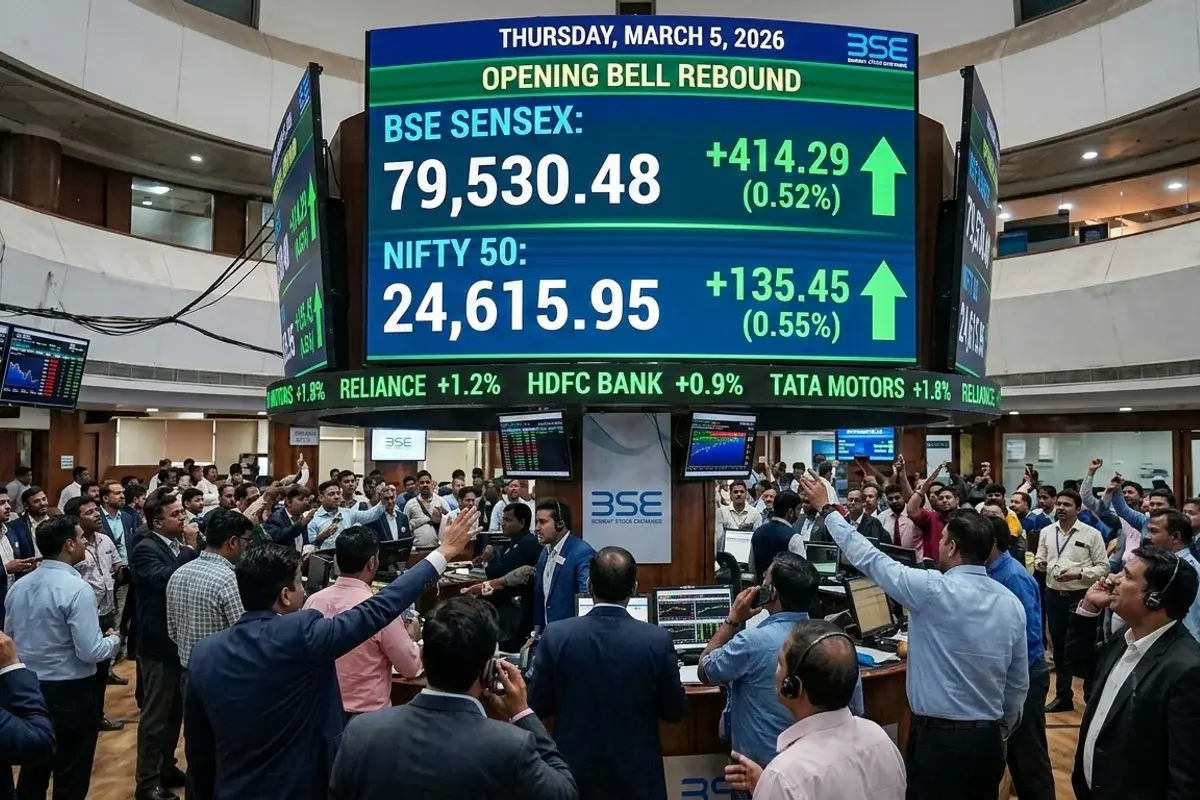
Indian stock markets witnessed a strong rebound on March 5, 2026, with Nifty 50 and Sensex surging.
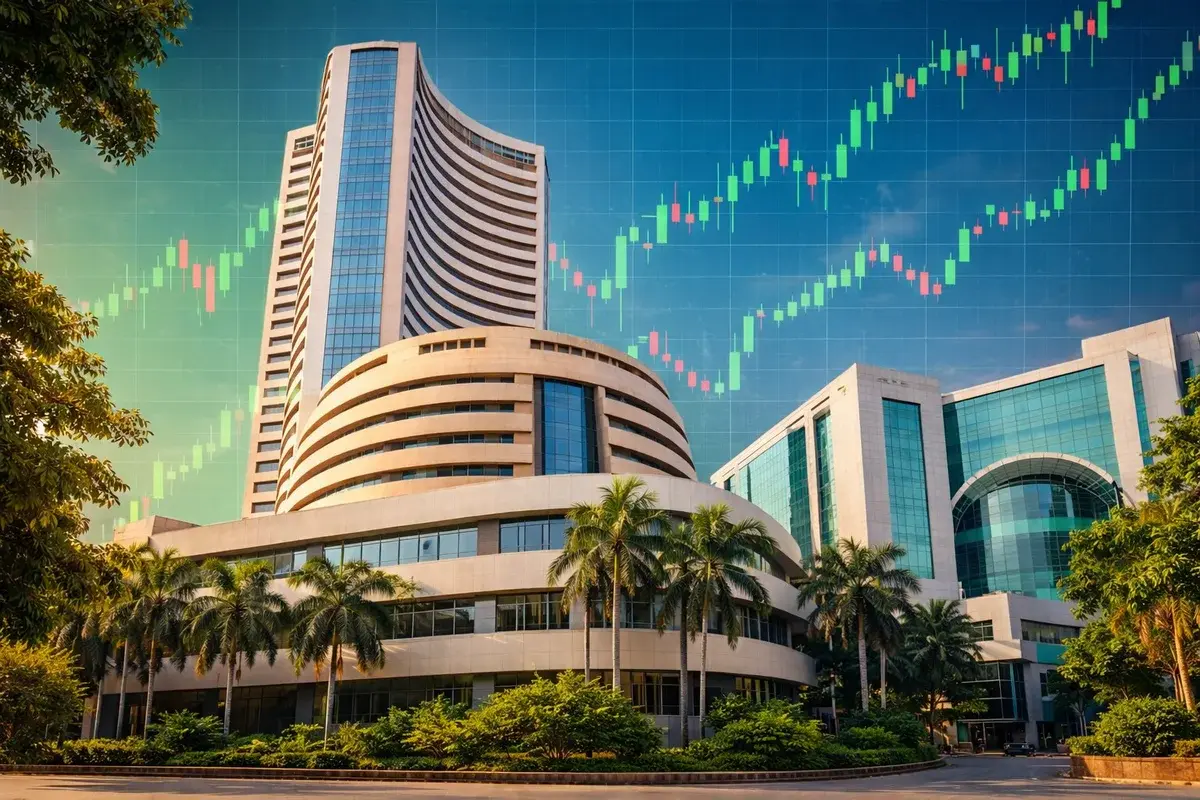
Indian investors are closely monitoring a diverse set of companies as the market opens on Thursday, March 5, 2026, with key developments poised to...

Escalating West Asia tensions send Indian crude-linked sectors plummeting. FinScann analyzes the severe impact on refiners, paint, and rubber stocks.