Loading market data...
Rising US–Iran tensions push energy prices higher, increasing production costs for ceramic tile manufacturers reliant on natural gas and fuel-intensive kilns.
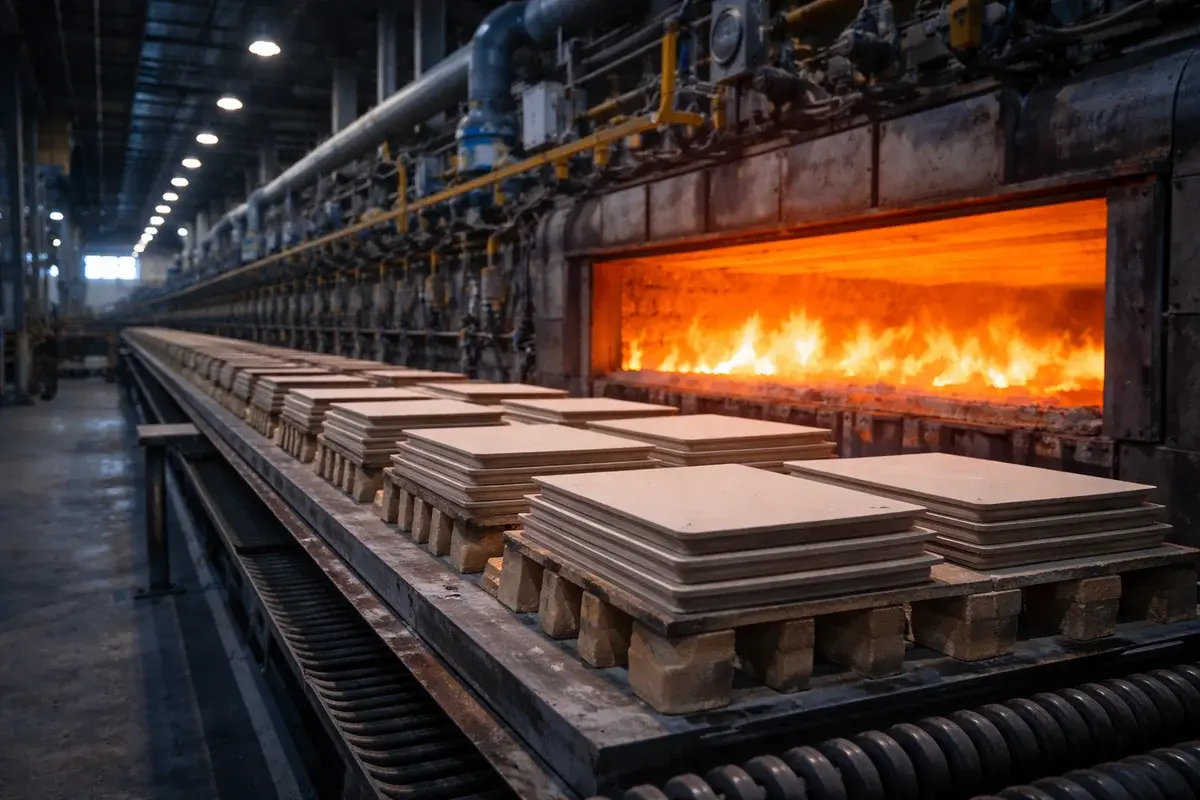
Escalating geopolitical tensions between the United States and Iran are pushing global energy prices higher, creating cost pressures for energy-intensive industries such as ceramic tile manufacturing. The sector relies heavily on natural gas and other fuels for kiln firing and production processes. Rising energy costs are now tightening margins for manufacturers and raising concerns about pricing, demand, and profitability across the global tile market.
Escalating geopolitical tensions between the United States and Iran are beginning to ripple through global commodity markets, driving up energy prices and placing renewed pressure on manufacturing sectors dependent on fuel-intensive processes. Among the industries feeling the impact is the global ceramic tile sector, where production requires large quantities of heat generated from fuels such as natural gas, propane, and electricity.
Ceramic tile manufacturers rely on high-temperature kiln firing—often exceeding 1,000°C—to produce durable tiles used in residential, commercial, and infrastructure construction. As energy prices climb amid geopolitical uncertainty, companies across the sector are facing rising production costs that threaten profit margins and pricing stability.
The situation highlights the interconnected nature of geopolitics, energy markets, and industrial manufacturing, where disruptions in one area can quickly cascade into cost pressures across global supply chains.
The latest spike in energy prices is linked to rising geopolitical tensions in the Middle East, particularly between the United States and Iran—two countries whose actions significantly influence global energy markets.
The Middle East remains a critical hub for global oil and gas production, accounting for a large share of international energy supply. Any military escalation, sanctions, or supply disruptions in the region often lead to immediate volatility in crude oil and natural gas markets.
Natural gas is especially crucial for industrial manufacturing sectors such as ceramics, glass, steel, and cement. In ceramic tile manufacturing, gas-fired kilns are used to heat clay and mineral mixtures to extremely high temperatures, transforming them into durable tiles used in construction.
When fuel prices rise, manufacturers face an immediate increase in operating expenses, as energy often represents one of the largest components of production costs.
The ceramic tile manufacturing process is highly energy intensive. The production cycle typically includes several stages—raw material preparation, pressing, drying, glazing, and kiln firing—each requiring substantial heat and electricity.
The kiln firing stage alone accounts for a large portion of total energy consumption. Kilns must maintain extremely high temperatures for extended periods to ensure tile durability, color consistency, and structural integrity.
As a result, even small increases in natural gas prices can significantly affect production costs.
Countries with large ceramic tile industries—such as India, China, Spain, Italy, and Turkey—have historically relied on stable energy supplies to maintain competitive pricing in global markets.
However, when energy prices surge due to geopolitical tensions or supply disruptions, manufacturers face limited options:
Each of these options carries strategic and financial trade-offs.
The latest geopolitical developments have triggered volatility in global oil and gas markets, pushing energy prices upward and intensifying concerns among manufacturers.
Industries dependent on high-temperature processes—including ceramics, metals, and building materials—are particularly vulnerable to such fluctuations.
For ceramic tile manufacturers, rising energy prices translate directly into higher production costs. Natural gas prices influence kiln operation expenses, while electricity prices affect grinding, pressing, and drying processes.
Manufacturers in major tile-producing regions are closely monitoring energy markets as they assess the impact on production planning, pricing strategies, and export competitiveness.
In India, one of the world’s largest ceramic tile manufacturing hubs is located in Morbi, Gujarat, where hundreds of factories produce tiles for domestic and export markets. Many of these units rely heavily on natural gas pipelines to power their kilns, making them especially sensitive to gas price fluctuations.
Higher energy costs are likely to affect the ceramic tile industry in multiple ways, ranging from reduced margins to changes in global pricing dynamics.
Manufacturers that operate on thin margins may struggle to absorb rising fuel costs without passing them on to customers. If companies raise prices, it could potentially slow demand, particularly in price-sensitive construction markets.
Construction and real estate sectors—major consumers of ceramic tiles—may also feel indirect impacts if building material prices increase due to higher manufacturing costs.
In addition, international competition may intensify. Manufacturers located in regions with lower energy costs or government subsidies may gain a competitive advantage over those operating in higher-cost markets.
Investors and analysts are therefore closely watching energy price movements and geopolitical developments to gauge the broader impact on construction materials companies.
| Metric | Impact |
|---|---|
| Energy share in tile production cost | 25–40% |
| Average kiln firing temperature | 1,000–1,200°C |
| Global ceramic tile market size | $350+ billion |
| Major tile-producing countries | China, India, Spain, Italy, Turkey |
| Key energy source | Natural Gas |
Energy costs can account for a significant portion of production expenses, meaning sustained price increases could materially affect industry profitability.
Industry analysts note that the ceramic tile sector has historically been sensitive to energy price cycles.
When gas prices surge, companies often accelerate investments in energy-efficient kiln technologies, renewable energy integration, or alternative fuels.
Some manufacturers have begun exploring hybrid kiln systems, waste heat recovery, and solar-assisted heating solutions to reduce dependence on volatile fuel markets.
However, these technologies require substantial upfront investment, which may not be feasible for smaller manufacturers.
As a result, larger, well-capitalized companies are often better positioned to weather energy price volatility than smaller producers.
In response to rising energy costs, ceramic tile companies may adopt several strategies:
Operational efficiency improvements Manufacturers may optimize kiln operations, improve insulation, and reduce energy wastage.
Pricing adjustments Some companies may pass a portion of higher costs to customers through gradual price increases.
Supply chain diversification Manufacturers may explore sourcing energy from alternative suppliers or markets.
Technology investments Energy-efficient equipment and automation can reduce long-term energy consumption.
These measures can help mitigate the impact of fuel price volatility, although they often require time and investment to implement.
The outlook for ceramic tile manufacturers will depend largely on how geopolitical tensions evolve and whether energy prices stabilize in the coming months.
If tensions between the United States and Iran escalate further, global oil and gas prices could remain elevated, prolonging cost pressures across energy-intensive industries.
Conversely, diplomatic de-escalation or increased energy supply from other regions could help stabilize prices and ease manufacturing costs.
In the long term, the industry may accelerate its transition toward energy-efficient technologies and diversified energy sources to reduce vulnerability to geopolitical shocks.
Rising energy prices driven by geopolitical tensions between the United States and Iran are creating a challenging environment for ceramic tile manufacturers worldwide. With fuel costs playing a crucial role in kiln operations and overall production expenses, the sector faces increasing pressure on profitability.
Manufacturers must now navigate a complex landscape of volatile energy markets, global competition, and shifting construction demand. Companies that invest in energy efficiency, operational resilience, and supply chain diversification may be better positioned to withstand future energy shocks.
As geopolitical developments continue to influence global commodity markets, the ceramic tile industry—like many energy-intensive sectors—will remain closely tied to the evolving dynamics of the global energy landscape.

Financial journalist specializing in market analysis, stock research, and investment trends. Dedicated to providing accurate, timely insights for informed decision-making.
Credentials: Experienced financial journalist with expertise in equity markets and economic analysis
The information provided in this article is for educational and informational purposes only and should not be construed as financial, investment, or legal advice. Finscann does not provide personalized investment recommendations.
For detailed terms and conditions, please read our Disclaimer and Terms of Service.
Bombay Stock Exchange will conduct a market-wide mock trading session on March 14 to test trading systems across equity, derivatives, currency, and...

Akasa Air partners with Noida International Airport to establish its first MRO facility in India, strengthening aviation infrastructure and...
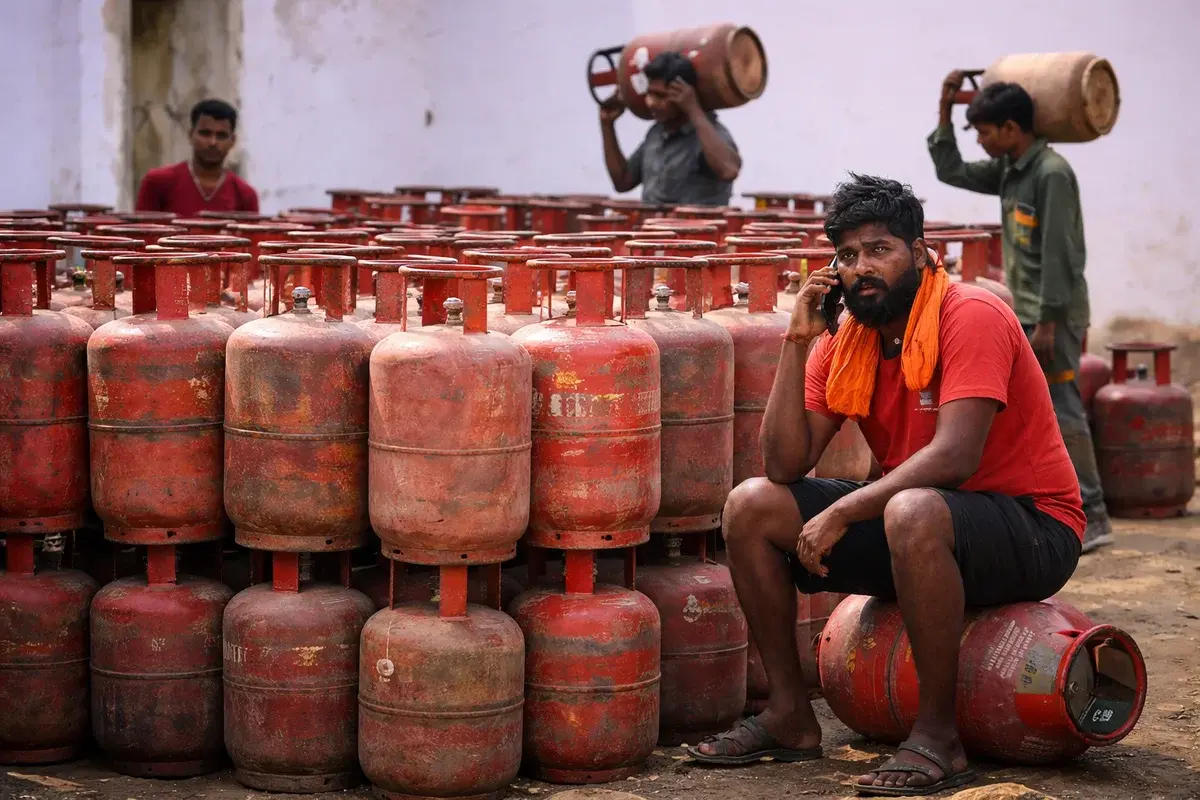
India faces a major LPG shortage as global supply disruptions push prices higher. Restaurants shut, businesses struggle, and households feel the...

Indian markets fall sharply as Nifty drops 300 points and Sensex declines 900 amid rising oil prices, LPG shortages, and sector-wide selling pressure.

Petrol prices in India remain a key economic driver in March 2026, influenced by crude oil, rupee-dollar exchange rates, and taxes affecting...