Loading market data...
Restaurants in Chennai warn of shutdown risks due to a severe shortage of commercial LPG cylinders, urging urgent government intervention to restore supply.
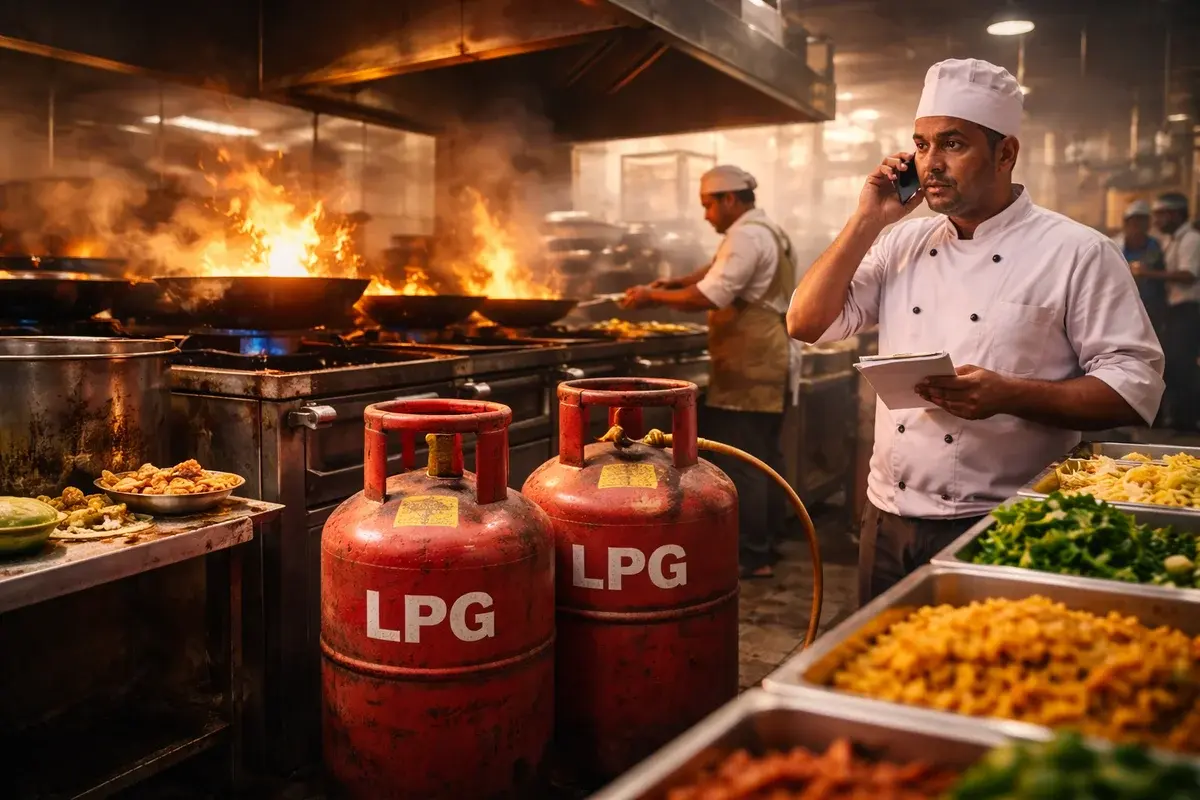
Restaurants and food service businesses in Chennai are facing a serious operational crisis due to an ongoing shortage of commercial LPG cylinders. Industry representatives have warned that if supplies are not restored quickly, several restaurants may be forced to suspend operations. The situation has prompted urgent appeals from the Chennai Hotels Association to the central government, highlighting the potential economic and social impact on the city’s hospitality sector.
The hospitality industry in Chennai is currently grappling with an unexpected disruption in the supply of commercial LPG cylinders, which are essential for daily restaurant operations. Commercial LPG serves as the primary cooking fuel for thousands of restaurants, catering businesses, and institutional kitchens across the city.
The Chennai Hotels Association has warned that the ongoing shortage could lead to temporary closures of restaurants if the supply situation is not resolved soon. Many restaurant owners have already reported difficulties in securing new LPG cylinders, forcing them to reduce operations or explore alternative arrangements.
Industry representatives say the shortage has emerged suddenly and has left many businesses unprepared to handle the disruption.
Concerned about the growing crisis, the Chennai Hotels Association recently sent a formal appeal to Prime Minister Narendra Modi requesting urgent government intervention.
In the letter, the association emphasized the importance of the food service industry, which operates around the clock and supports several critical sectors of the economy. The hospitality industry plays a vital role in supplying meals to hospitals, IT parks, educational institutions, and corporate offices.
Restaurant owners warned that without immediate restoration of LPG supply, the industry could face severe operational disruptions, affecting thousands of employees and customers.
The shortage of commercial LPG cylinders is not only affecting restaurants but also has broader implications for several essential services that rely on the food industry.
Many institutions—including hospitals, college hostels, and corporate cafeterias—depend on large-scale kitchens operated by restaurants and catering services. These establishments prepare thousands of meals daily, ensuring that essential workers and students receive timely food services.
If the LPG shortage continues, these institutions could experience delays or disruptions in food supply, creating additional challenges for essential service providers.
The crisis is also creating uncertainty for the catering and events industry. Weddings, corporate events, and social gatherings often rely on professional catering services that require large quantities of commercial LPG for food preparation.
Event organizers and catering companies have expressed concern that the shortage could disrupt upcoming events, potentially leading to financial losses for both businesses and clients.
The hospitality industry in Chennai is known for hosting large-scale events and celebrations, making LPG availability a critical requirement for smooth operations.
The LPG shortage could have significant economic consequences for Chennai’s hospitality industry, which supports thousands of businesses and employs a large workforce.
Restaurants operate on tight margins and depend heavily on uninterrupted operations to maintain profitability. Any disruption in cooking fuel supply can quickly translate into reduced revenues and operational losses.
If the shortage persists, businesses may be forced to:
Such measures could have cascading effects across the hospitality ecosystem.
Industry observers say the LPG shortage also raises questions about supply chain stability for essential commodities.
Commercial LPG is distributed by major public sector energy companies such as Indian Oil Corporation, Bharat Petroleum Corporation Limited, and Hindustan Petroleum Corporation Limited.
Any disruption in the distribution network or supply logistics can create ripple effects across industries that depend on consistent fuel availability.
Reports suggest that similar supply disruptions have also been observed in other cities, including Bengaluru, raising concerns about a wider regional issue.
The LPG crisis comes at a time when many restaurants are still recovering from earlier economic disruptions, including pandemic-related restrictions and rising input costs.
Restaurant operators have been dealing with increasing expenses related to food ingredients, electricity, labor, and rental costs. The LPG shortage adds another layer of difficulty to an already challenging business environment.
Many business owners fear that prolonged disruptions could slow down the recovery of the hospitality sector.
Industry leaders are urging the government to take swift action to resolve the supply issue. Possible measures could include prioritizing LPG distribution to commercial users or increasing supply allocations to affected regions.
The hospitality sector plays a critical role in urban economies, providing employment opportunities and supporting related industries such as food suppliers, logistics companies, and event management businesses.
Ensuring a stable LPG supply is therefore essential not only for restaurants but also for the broader economic ecosystem.
The coming days will be crucial for Chennai’s restaurant industry as businesses wait for clarity on LPG supply restoration. If the shortage is resolved quickly, restaurants may be able to return to normal operations without significant long-term impact.
However, if disruptions persist, the industry may face deeper operational challenges and financial losses.
Restaurant owners, industry associations, and policymakers will likely continue engaging in discussions to ensure that the supply chain stabilizes and that the food service sector can operate smoothly.
The shortage of commercial LPG cylinders has created a major challenge for restaurants in Chennai, threatening to disrupt operations across the city’s hospitality sector. With the Chennai Hotels Association urging intervention from Prime Minister Narendra Modi, the issue has gained national attention.
Given the hospitality industry’s importance in supporting essential services and employment, resolving the LPG supply crisis quickly will be critical to preventing wider economic disruptions.

Financial journalist specializing in market analysis, stock research, and investment trends. Dedicated to providing accurate, timely insights for informed decision-making.
Credentials: Experienced financial journalist with expertise in equity markets and economic analysis
The information provided in this article is for educational and informational purposes only and should not be construed as financial, investment, or legal advice. Finscann does not provide personalized investment recommendations.
For detailed terms and conditions, please read our Disclaimer and Terms of Service.
No related topics available
Bombay Stock Exchange will conduct a market-wide mock trading session on March 14 to test trading systems across equity, derivatives, currency, and...
Akasa Air partners with Noida International Airport to establish its first MRO facility in India, strengthening aviation infrastructure and...
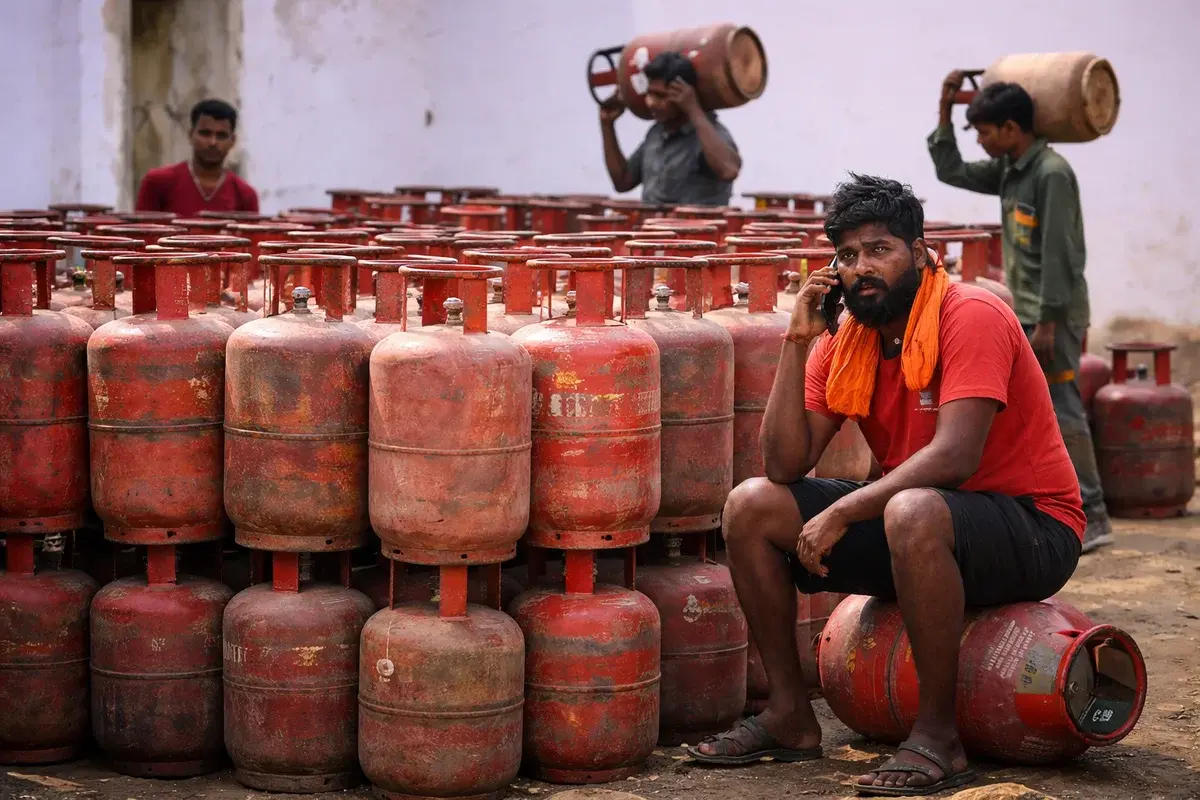
India faces a major LPG shortage as global supply disruptions push prices higher. Restaurants shut, businesses struggle, and households feel the...

Indian markets fall sharply as Nifty drops 300 points and Sensex declines 900 amid rising oil prices, LPG shortages, and sector-wide selling pressure.
Petrol prices in India remain a key economic driver in March 2026, influenced by crude oil, rupee-dollar exchange rates, and taxes affecting...