Loading market data...
FinScann's Monday briefing analyzes the AI shockwave hitting Indian IT, weekend market developments, FII selling, US CPI data, and identifies top defensive sectors and stocks for February 2026.
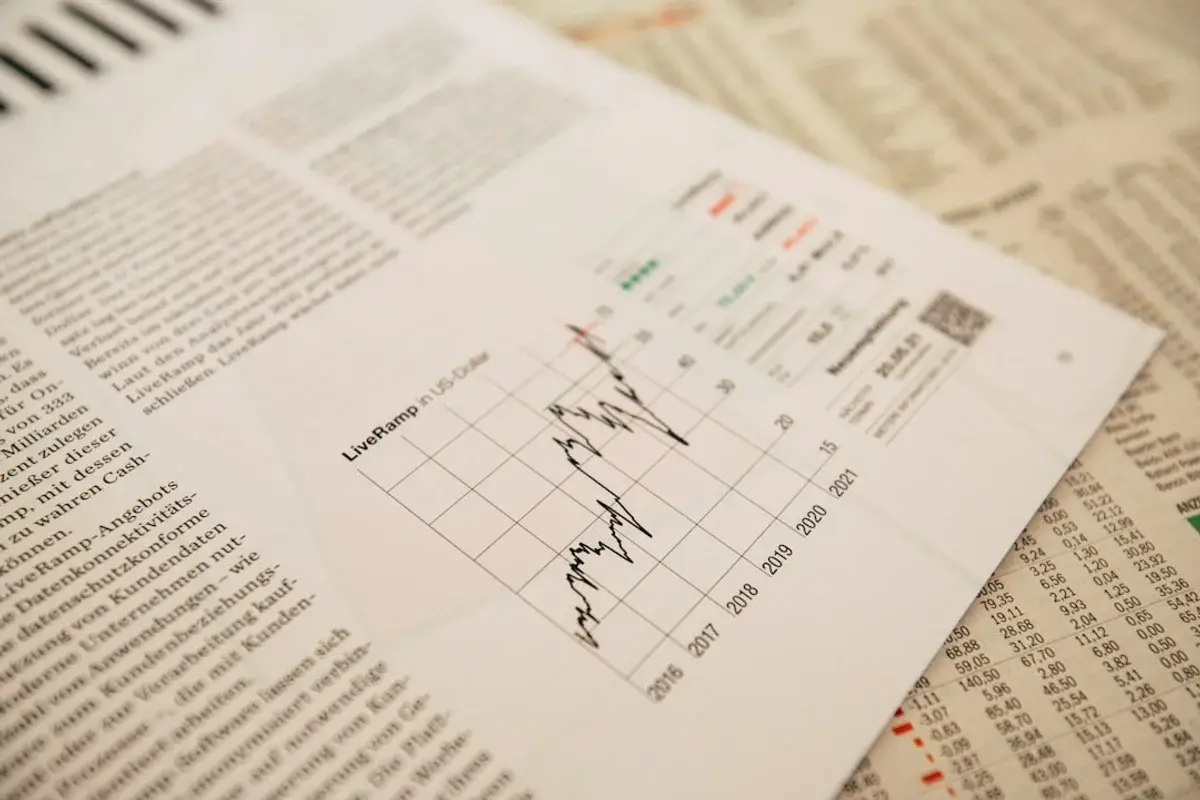
Breaking: AI Shockwave Hits Indian Markets – FinScann's Monday Briefing & Top Picks for February 2026
The Indian equity markets experienced a significant jolt on Friday, February 13, 2026, as the Nifty 50 plunged by 336 points to close at 25,471, and the Sensex dropped a massive 1,048 points to settle at 82,626. This sharp downturn, often dubbed the 'Anthropic Shock' by market participants, was primarily triggered by concerns surrounding the launch of a new AI tool by the American AI company, Anthropic. The tool's capabilities raised existential questions about the future of traditional IT services, pushing the Nifty IT index to a 10-month low and wiping out roughly ₹5.7 lakh crore in market value within eight trading sessions. However, amidst this panic, FinScann identifies crucial opportunities emerging for astute investors.
The Catalyst: The 'Anthropic Effect' and IT Sector Turmoil
The recent market correction in the Indian IT sector was not a broad-based AI fear but a direct reaction to the emergence of "agentic AI," specifically exemplified by Anthropic's "Claude Cowork" suite. This advanced AI tool, equipped with specialized plug-ins for automating complex tasks like legal documentation, code maintenance, and intricate analytics, directly challenges the labor-intensive, 'bill-by-the-hour' model prevalent in the Indian IT industry. The fear is that such automation could lead to a significant erosion of high-margin application services revenues, compressing project timelines, and impacting the industry's traditional pyramid structure, thereby squeezing margins for major players like Infosys and Wipro. This perceived cannibalization risk has led to a revaluation of numerous technology companies by investors. Despite these concerns, some industry experts, including JPMorgan analysts, suggest that while AI will automate lower-level tasks, it could also create new areas of work requiring "context-aware" integration, a core strength of Indian IT firms. The Ministry of Electronics and Information Technology (MeitY) Secretary also expressed optimism, stating that AI is expected to create more jobs than it displaces in India by 2047.
Financial Forensics: Decoding Weekend Market Signals
The weekend brought a flurry of critical financial news, offering mixed signals ahead of Monday's trading session (February 16, 2026, IST).
Market Impact: The Great Sector Rotation
The AI disruption in the IT sector is prompting a significant "Great Sector Rotation" within the Indian equity markets. Investors are strategically redeploying capital into sectors perceived as "AI-proof" and those that benefit from strong government support and domestic growth narratives. This shift implies reduced allocations to high-growth, high-valuation technology stocks and an increased focus on value and stability. The Reserve Bank of India (RBI), in its Monetary Policy Committee (MPC) meeting held from February 4-6, 2026, unanimously decided to maintain the repo rate at 5.25% and retained a "neutral" stance, signaling stability and a favorable outlook on the Indian economy, which could further support domestic-oriented sectors.
Key Takeaways for Investors
FinScann Verdict: Navigating Volatility with Strategic Precision
The Indian equity market stands at a critical juncture, balancing the disruptive force of AI with strong underlying domestic growth drivers and strategic government initiatives. While the initial AI shockwave has created volatility, FinScann's analysis suggests that this period of re-rating and sector rotation offers compelling opportunities for informed investors. By focusing on "AI-proof" defensive sectors, carefully monitoring institutional flows, and adopting a "Buy on Dips" approach for quality stocks, you can strategically position your portfolio for sustained long-term growth in February 2026 and beyond.
The Defensive Four: Sectoral Snapshot
| Sector | Key Catalysts | FinScann Outlook (February 2026) |
|---|---|---|
| Defence | Weekend order wins, robust government contracts, "Make in India" impetus, focus on indigenous manufacturing. | Strong tailwinds, multi-year order book visibility. Focus on Hindustan Aeronautics (HAL). |
| Infrastructure | Continued government spending on infrastructure projects (e.g., roads, railways, ports), Budgetary support. | Steady growth, resilient demand. Look for opportunities in PSU infra stocks like NBCC. |
| PSU Banking | Attractive valuations (often below P/B of 1), improving asset quality, strong dividend yields. | Deep value play with strong dividend support. Select names like State Bank of India (SBI), Union Bank, Canara Bank. |
| Oil & Gas | High cash-flow generation, strategic importance, potential for global demand recovery. | Stable earnings, essential services. ONGC and GAIL remain key players. |
| Source: FinScann Analysis, February 2026 |
Stocks in Radar (For Monday, February 16, 2026)
| Stock Name | Action | Logic/Technical Setup |
|---|---|---|
| Hindustan Aeronautics (HAL) | Buy | The dividend window is set to close on Wednesday, indicating potential pre-dividend buying interest. The stock exhibits a strong technical setup, supported by robust defence sector tailwinds and government orders. |
| ICICI Bank | Watch | This private sector banking giant is demonstrating notable resilience within the broader banking sector. With Bank Nifty finding psychological support around the 60,000 level, ICICI Bank will be a key player in sustaining this crucial index. It represents stability amidst market fluctuations. |
| Bajaj Finance | Buy | Target: ₹1100. The stock has witnessed a decisive break above its 20-period Exponential Moving Average (EMA), signaling a bullish recovery setup. Strong underlying fundamentals in the NBFC sector further support this positive momentum. |
| SBI Life Insurance Company | Buy | Target: ₹2175. SBI Life has maintained a steady uptrend and is currently exhibiting tight consolidation near its recent highs. This technical pattern suggests accumulation and potential for a breakout to new levels, reflecting the long-term growth potential in the Indian insurance sector. |
| Linde India | Watch | The stock is forming strong chart patterns, indicating potential for short-term trading opportunities. Close observation of volume and price action will be crucial to confirm entry and exit points for aggressive traders. |
Kal ki Strategy: Key Levels to Watch for February 16, 2026 (IST)
Investors and traders should pay close attention to the following key technical levels for the upcoming trading session:
FinScann View: The market opening on Monday, February 16, 2026, will heavily depend on how global cues, particularly the IT ADR rebound in the US, translate into domestic market sentiment, and more importantly, the stance of Foreign Institutional Investors. Instead of succumbing to panic selling, FinScann advises a disciplined "Buy on Dips" strategy for high-quality Public Sector Undertakings (PSUs) and fundamentally strong financial stocks. These sectors offer a blend of stability and growth potential in the current market environment.
Q: What caused the significant drop in Indian IT stocks on Friday, February 13, 2026? A: The primary trigger was the launch of a new AI tool by American company Anthropic (specifically, its "Claude Cowork" suite). This "agentic AI" raised concerns among investors about the future of traditional IT services, particularly regarding the potential for automation to impact labor-intensive business models and erode high-margin application services revenues of Indian IT giants.
Q: How did US inflation data impact global and Indian markets? A: The US Consumer Price Index (CPI) came in at 2.4%, which was lower than market expectations. This positive development increased the likelihood of earlier interest rate cuts by the US Federal Reserve. Such a scenario is generally beneficial for global liquidity, potentially leading to increased foreign investment into emerging markets like India.
Q: Which sectors are FinScann analysts recommending in the current market scenario? A: FinScann identifies "The Defensive Four" sectors – Defence, Infrastructure, PSU Banking, and Oil & Gas – as attractive. These sectors are considered "AI-proof" and are benefiting from strong government support, robust order pipelines, and relatively attractive valuations, making them resilient investment options during periods of market volatility.
Q: What are the key support and resistance levels for Nifty 50 for Monday, February 16, 2026? A: For Monday, the Nifty 50 is expected to find immediate support between 25,300–25,400, a strong zone including the 200-DMA/EMA. A break below this could see the index touch 25,000. On the resistance side, the crucial levels to watch are 25,750–26,000, and the market needs to sustain above 25,750 to negate the "Sell on Rise" sentiment.
Q: What has been the recent trend in FII and DII activity in Indian markets? A: On Friday, February 13, 2026, Foreign Institutional Investors (FIIs) were significant net sellers, offloading ₹7,395.41 crore. Conversely, Domestic Institutional Investors (DIIs) provided a counterbalance, registering net buying of ₹5,553.96 crore on the same day. This indicates a divergence in institutional sentiment, with FIIs showing caution while domestic funds continue to support the market.
Disclaimer: For information only; not investment advice. Stock market investments carry risks. Please consult a SEBI-registered advisor before investing. FinScann assumes no liability for decisions made based on this report.

Financial journalist specializing in market analysis, stock research, and investment trends. Dedicated to providing accurate, timely insights for informed decision-making.
Credentials: Experienced financial journalist with expertise in equity markets and economic analysis
The information provided in this article is for educational and informational purposes only and should not be construed as financial, investment, or legal advice. Finscann does not provide personalized investment recommendations.
For detailed terms and conditions, please read our Disclaimer and Terms of Service.
India's benchmark indices Sensex and Nifty staged a robust recovery in March 2026, gaining significantly despite ongoing geopolitical tensions.

Geopolitical tensions surrounding the US-Iran conflict led FIIs to dump ₹12,000 crore from Indian shares.

Indian refinery stocks, including Reliance, MRPL, and CPCL, surge up to 5% after China reportedly suspends diesel and gasoline exports amidst...
Indian markets surged in March 2026, with Sensex and Nifty rebounding on de-escalation hopes in the Middle East.
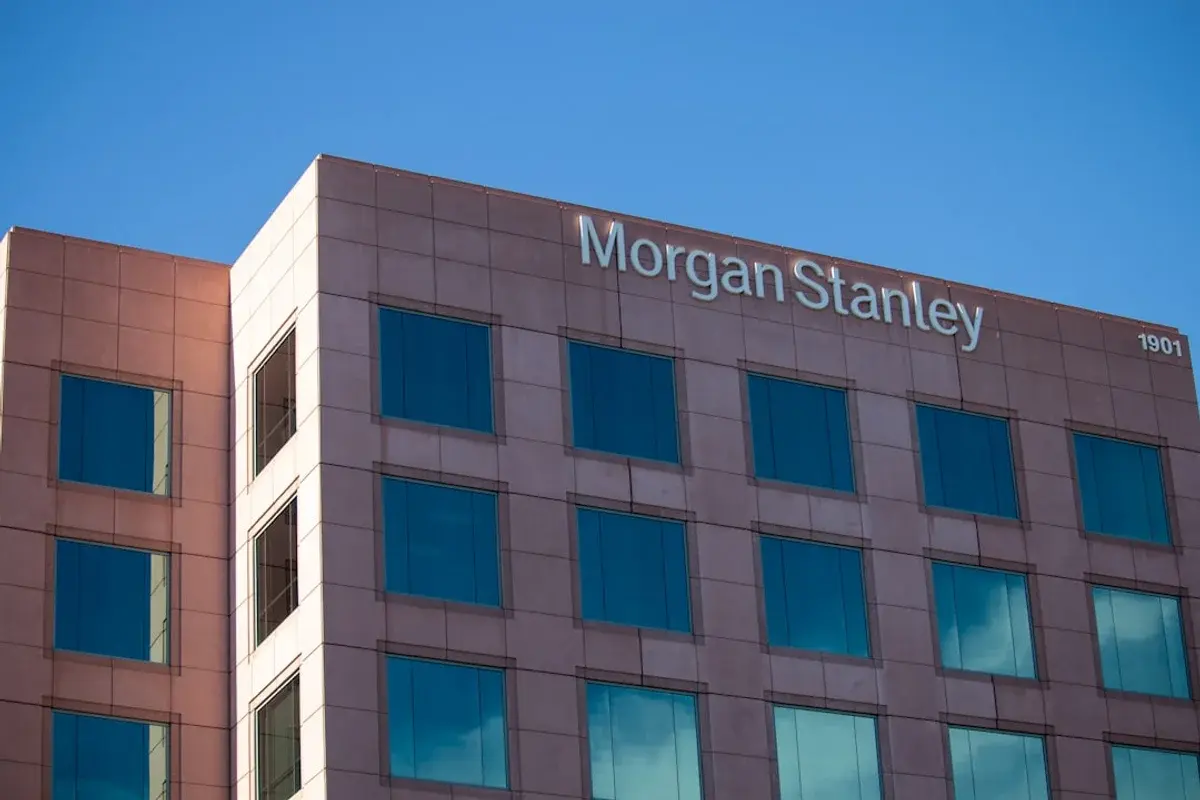
Morgan Stanley cuts 2,500 jobs across investment banking, wealth management, and trading. Despite strong financials, this strategic move signals a...