Loading market data...
NSE IX Global Access enables Indian investors to directly invest in US-listed stocks and ETFs under the LRS framework. Explore fractional investing, dollar-denominated trading, brokerage fees, platform comparisons with Groww and Zerodha, and full cost breakdowns.

The launch of the Global Access platform by NSE International Exchange (NSE IX) allows Indian retail investors to directly invest in US-listed stocks such as Apple and Microsoft under the RBI’s Liberalised Remittance Scheme. With dollar-denominated execution, fractional investing, and digital onboarding through GIFT City infrastructure, the initiative formalises outbound equity participation within India’s regulatory ecosystem. As valuation reset dynamics reshape capital allocation globally, this platform could materially alter how Indian investors diversify internationally.
A Structural Expansion of Retail Access to Global Markets
India’s capital market ecosystem has entered a new phase with the activation of cross-border equity access through NSE International Exchange (NSE IX). The Global Access platform enables resident individuals to invest directly in US-listed equities and exchange-traded funds, with additional international markets expected to be integrated in the coming months.
The initiative operates within the regulatory framework of the Reserve Bank of India’s Liberalised Remittance Scheme, which permits outward remittances of up to $250,000 per financial year per individual. By routing participation through GIFT City’s International Financial Services Centre, India is attempting to internalise outbound capital flows within domestic financial infrastructure.
This is not merely a new trading feature. It represents a structural realignment in how Indian households participate in global high growth stocks, blue-chip stocks, and dividend yield opportunities.
Regulatory and Structural Framework Under LRS
The Liberalised Remittance Scheme forms the backbone of outbound investing.
| Parameter | Details |
|---|---|
| Annual Remittance Limit | $250,000 per individual |
| Eligible Instruments | Equities and ETFs |
| Currency | US Dollar |
| Derivatives Allowed | No |
| Crypto/Digital Assets | Not Permitted |
| Settlement Route | GIFT City Banking Channels |
All transactions are executed in US dollars. Investors remit rupee funds that are converted into foreign currency and credited to their designated international trading account. Currency exposure therefore becomes an intrinsic part of the return profile.
Digital onboarding is enabled via Aadhaar authentication, PAN verification, and DigiLocker integration, aligning with India’s established fintech infrastructure.
Fractional Investing and Retail Accessibility
A defining feature of the Global Access platform is fractional investing. Retail investors can allocate capital based on value rather than full-share ownership.
| Example | Full Share Price (Approx.) | Fractional Investment Possible |
|---|---|---|
| Apple | $270+ | Yes |
| Microsoft | $400+ | Yes |
| US ETFs | Variable | Yes |
Fractional execution lowers capital entry barriers and enables diversified portfolio construction even with modest allocation sizes. This model aligns with global retail participation trends and enhances access to companies with high absolute share prices.
Company Snapshot: NSE International Exchange
| Metric | Details |
|---|---|
| Entity | NSE International Exchange (NSE IX) |
| Location | GIFT City, India |
| Regulatory Authority | IFSC Authority |
| Primary Global Product | US Equities and ETFs |
| Monthly Trading Volume (GIFT Nifty) | $100+ Billion |
| Average Daily Volume | $5+ Billion |
The exchange’s existing derivatives liquidity in GIFT Nifty strengthens operational credibility as it scales global equity participation.
Comparative Landscape: Platforms for Indians Investing in US Markets
Prior to this rollout, Indian investors accessed US markets primarily through fintech brokers and cross-border intermediaries.
| Platform | Structure | Fractional Investing | Brokerage Model | Forex Charges |
|---|---|---|---|---|
| Groww | Partnered US broker model | Yes | Zero or low commission | 0.5%–1% markup |
| Zerodha | Tie-up with foreign broker | Yes | Variable | Forex markup applicable |
| INDmoney | Direct US brokerage integration | Yes | Commission-free (select cases) | Forex spread applies |
| Vested Finance | US brokerage access | Yes | Zero commission model | Currency conversion fee |
| ICICI Direct | Full-service broker route | Limited fractional | Brokerage applicable | Higher forex spread |
| HDFC Securities | Full-service brokerage | Limited fractional | Brokerage + remittance charges | Forex charges applicable |
While several fintech platforms advertise zero brokerage, investors typically incur implicit costs through foreign exchange spreads and regulatory pass-through fees. US securities transactions also attract SEC and FINRA regulatory charges, especially on sell orders.
The exchange-level structure under NSE IX may streamline execution layers, though cost competitiveness will ultimately determine retail adoption.
Cost Structure Overview for US Investing
| Cost Component | Typical Range |
|---|---|
| Currency Conversion Spread | 0.5%–1.5% |
| Brokerage Fee | $0–$5 per trade |
| SEC Fee (On Sales) | ~$22.90 per $1 million traded |
| Remittance Charges | Bank dependent |
| Dividend Withholding Tax (US) | 25% (India treaty adjusted) |
Investors must account for foreign exchange volatility and tax implications while assessing expected returns.
Strategic Implications for Capital Allocation
The structural expansion of outbound investment access comes at a time when Indian markets trade at premium valuations relative to historical averages. International diversification allows investors to mitigate domestic concentration risks and access global sectoral themes including artificial intelligence, cloud computing, semiconductor innovation, and healthcare biotechnology.
Dollar-denominated investing introduces currency-driven alpha potential. A depreciating rupee can amplify overseas returns, while currency appreciation can moderate gains.
The shift also signals regulatory confidence in Indian retail maturity and reflects broader ambitions to position GIFT City as a two-way capital gateway.
Industry Heatmap: Outbound Investment Evolution
| Segment | Current Momentum | Outlook | Capital Sentiment |
|---|---|---|---|
| US Equities Access | Expanding | Structural Growth | Positive |
| Global ETFs | Increasing Adoption | Stable | Constructive |
| Derivatives Access | Restricted | Limited | Neutral |
| Digital Assets | Prohibited under LRS | Not Applicable | Restricted |
The structural pivot aligns with global portfolio diversification norms and deepens integration of Indian capital with international markets.
Investor Perspective and Market Impact
Retail participation in global equities has historically been limited by remittance complexity and operational friction. NSE IX’s integration within domestic regulatory architecture reduces that friction materially.
Institutional investors have long diversified internationally for alpha generation and risk mitigation. Retail access through structured platforms may now accelerate similar allocation strategies among affluent and emerging middle-class investors.
“Institutional investors are increasingly prioritizing EBITDA visibility and sustainable cash flow generation over top-line growth. Broader global access allows retail capital to participate in diversified earnings cycles beyond domestic constraints,” says a Mumbai-based fund manager tracking cross-border flows.
Investor Takeaway
For long-term investors, direct US market access provides an opportunity to diversify geographically, hedge currency risk, and participate in globally dominant technology franchises.
Short-term participants should evaluate volatility dynamics in US markets, Federal Reserve policy signals, and earnings season momentum before deploying capital.
Comparing fee structures across NSE IX and platforms such as Groww, Zerodha, INDmoney, Vested Finance, ICICI Direct, and HDFC Securities will be essential to optimise transaction efficiency.
Valuation comfort should be guided by earnings growth visibility, currency outlook, and portfolio allocation discipline rather than speculative momentum.
Frequently Asked Questions
Q: How much can an Indian investor remit annually under LRS? Resident individuals can remit up to $250,000 per financial year for permissible overseas investments.
Q: Are derivatives and cryptocurrencies allowed? No. The Global Access platform currently permits only equities and ETFs in compliance with LRS regulations.
Q: What is fractional investing? Fractional investing enables purchase of partial shares, allowing exposure to high-priced stocks with smaller capital allocation.
Q: Do investors face currency risk? Yes. Returns are influenced by USD-INR exchange rate movements alongside stock price performance.
Q: How does NSE IX differ from fintech brokers? NSE IX operates within India’s IFSC exchange framework, whereas fintech brokers use cross-border partnerships. Cost efficiency and execution quality will determine comparative advantages.
The activation of direct global equity access through NSE IX marks a structural evolution in India’s financial architecture. As outbound capital channels formalise within regulated domestic infrastructure, Indian investors gain a strategic pathway to participate in global earnings cycles — transforming diversification from aspiration into operational reality.
⚠️ DISCLAIMER: We Are Not Financial Advisors

Financial journalist specializing in market analysis, stock research, and investment trends. Dedicated to providing accurate, timely insights for informed decision-making.
Credentials: Experienced financial journalist with expertise in equity markets and economic analysis
The information provided in this article is for educational and informational purposes only and should not be construed as financial, investment, or legal advice. Finscann does not provide personalized investment recommendations.
For detailed terms and conditions, please read our Disclaimer and Terms of Service.
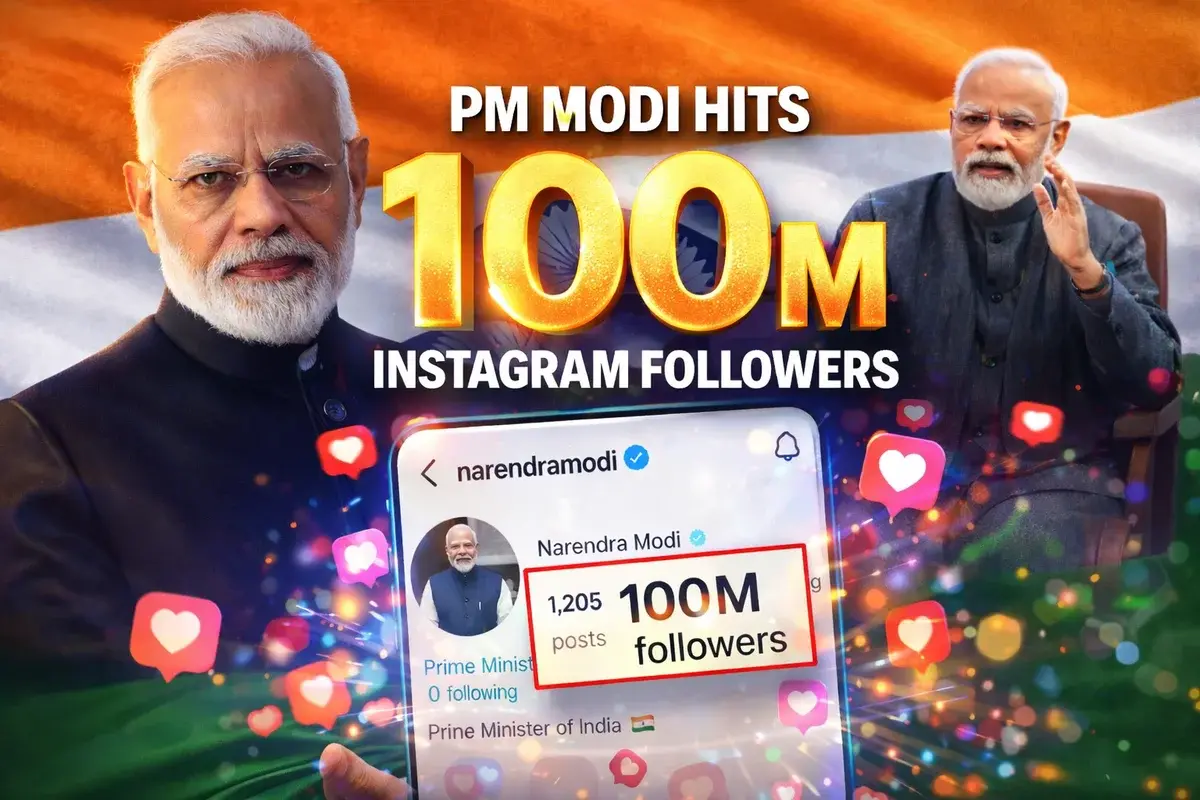
Prime Minister Narendra Modi becomes the first world leader to surpass 100 million followers on Instagram, marking a historic digital milestone and...
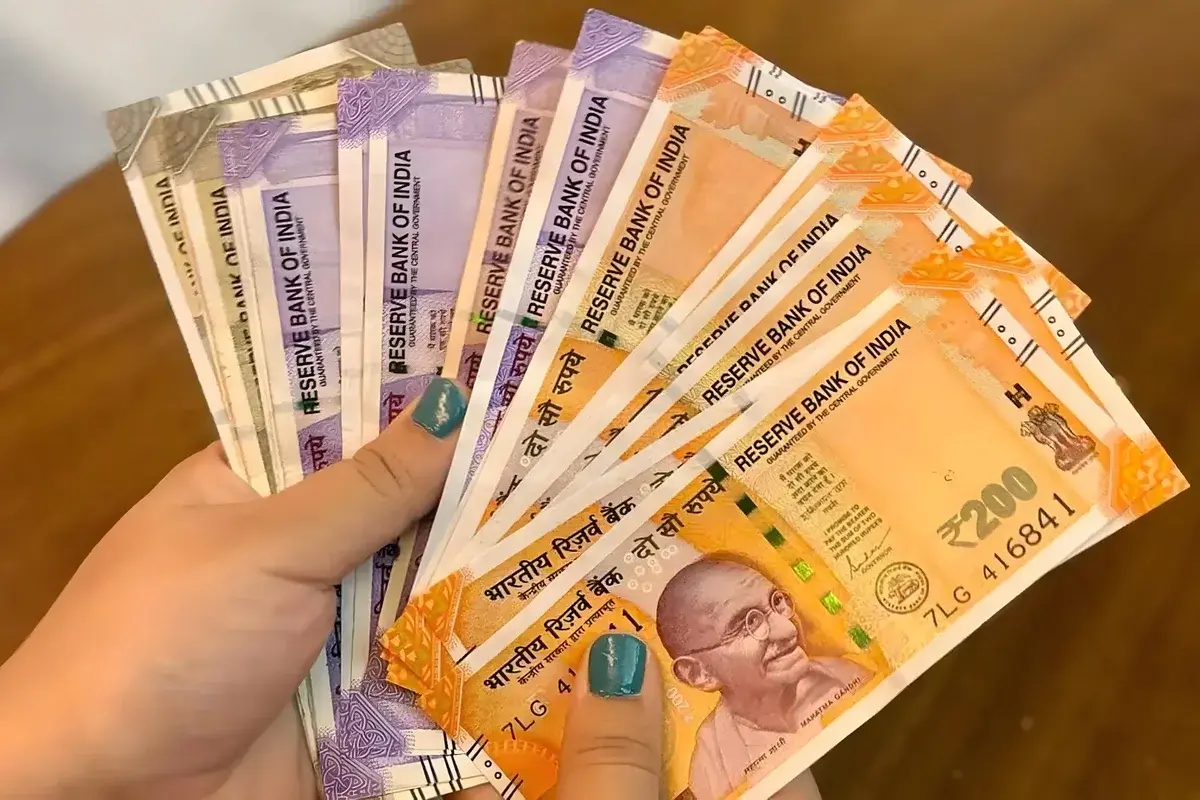
The Indian rupee strengthens to 90.85 against the US dollar amid a weaker dollar index and sustained FII inflows, though rising crude oil prices and...

H-1B visa approvals fall to a five-year low in FY25 despite a surge in petitions, raising concerns for US employers relying on skilled foreign talent...

Indian solar stocks face sharp decline after new US import duties of 126%, impacting major players like Waaree Energies and Adani Green.
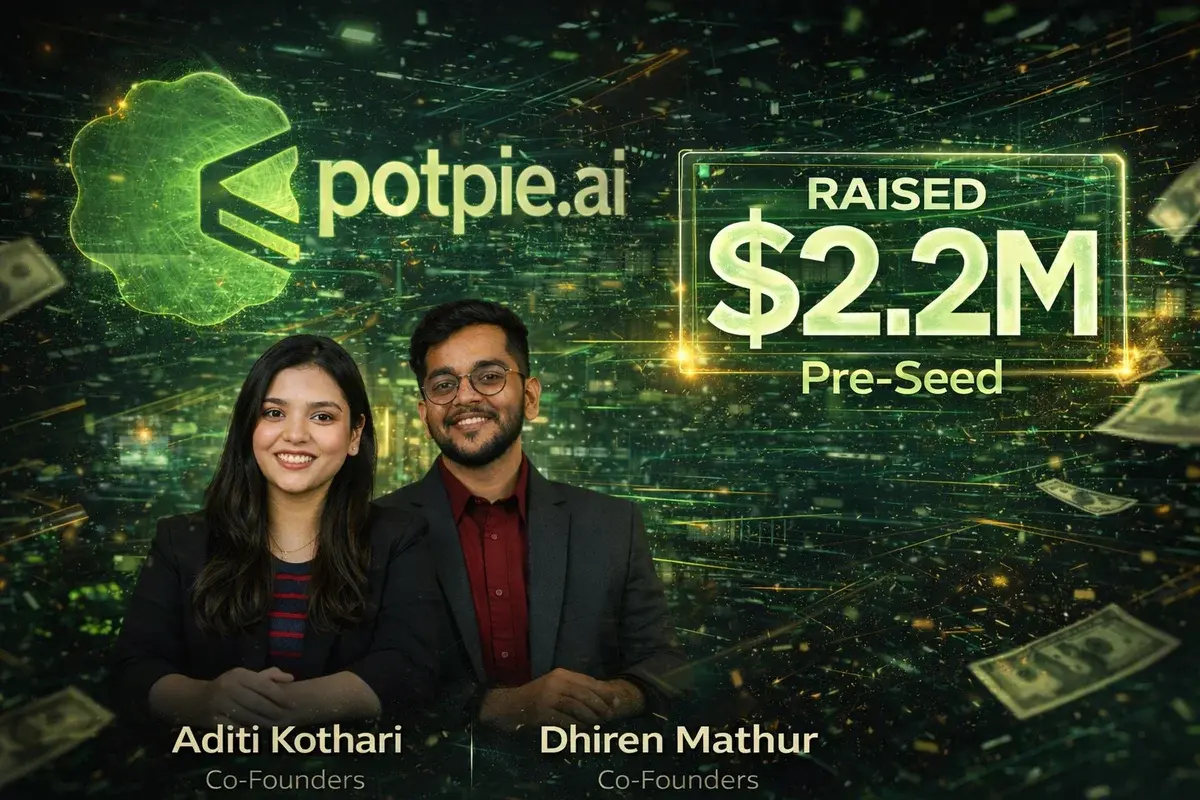
Potpie AI secures $2.2 million in pre-seed funding led by Emergent Ventures with backing from All In Capital, DeVC, and PointOne Capital.