Loading market data...
Healthify explores GLP-1 drug integration to expand in the US, leveraging insurance-backed dietitian reimbursements to boost revenue growth and margins.

Healthify is evaluating GLP-1 drug integration to deepen its US expansion strategy, leveraging insurance-backed dietitian reimbursements to improve revenue visibility and long-term EBITDA margins. The pivot could materially expand its addressable market — but regulatory execution and capital discipline will determine valuation outcomes.
Introduction
Digital health companies are entering a more disciplined capital cycle. The era of aggressive topline expansion without earnings clarity is fading, replaced by investor focus on EBITDA margins, sustainable cash flow, and unit economics.
Within this environment, Healthify is evaluating a strategic integration of GLP-1 therapeutics into its coaching-led digital health model. The timing is notable. The US healthcare ecosystem — unlike most global markets — reimburses dietitian consultations under many insurance plans, effectively converting nutrition guidance into a billable healthcare service.
That structural reimbursement tailwind could materially change Healthify’s revenue mix and profitability roadmap.
Company Snapshot
| Metric | Details |
|---|---|
| Founded | 2012 |
| Headquarters | Bengaluru, India |
| Sector | Digital Health & Preventive Care |
| Core Model | AI-enabled health tracking + human coaching |
| Revenue Model | Subscription-based programs, enterprise wellness |
| Expansion Focus | United States |
| Strategic Pivot | Evaluating GLP-1 therapeutic integration |
Business Model Evolution: From Coaching to Hybrid Therapeutics
Historically, Healthify’s value proposition revolved around digital tracking, personalised nutrition plans, and access to certified coaches. While scalable, pure coaching models often face churn sensitivity, customer acquisition cost pressure, and margin variability.
The integration of GLP-1 therapy changes the economics. Rather than remaining a lifestyle app, Healthify could evolve into a metabolic health management platform.
Revenue Model Comparison
| Parameter | Coaching-Only Model | Coaching + GLP-1 Hybrid Model |
|---|---|---|
| Average Revenue Per User | Moderate | Higher |
| Customer Retention | Variable | Potentially Stronger |
| Margin Profile | Dependent on coach cost | Enhanced through bundled pricing |
| Insurance Reimbursement | Limited | Higher applicability |
| Competitive Differentiation | Moderate | Stronger |
The hybrid approach may improve lifetime value (LTV) while reducing churn — a critical metric for valuation expansion.
US Market Economics: Reimbursement as a Structural Advantage
The US healthcare system provides a distinct monetisation framework unavailable in most emerging markets.
US Reimbursement Dynamics
| Variable | Impact on Healthify |
|---|---|
| Dietitian Insurance Coverage | Enables reimbursable revenue streams |
| Telehealth Acceptance | Expands remote consultation scale |
| Chronic Disease Focus | Expands obesity & metabolic TAM |
| Employer Wellness Adoption | Enterprise cross-selling opportunity |
The pandemic accelerated telehealth acceptance and broadened insurance reimbursement for virtual consultations. In effect, dietitians are no longer discretionary wellness providers — they are reimbursable healthcare professionals.
For Healthify, this improves revenue predictability and reduces pricing friction.
GLP-1 Industry Context
The explosive growth of GLP-1 drugs — led by companies such as Novo Nordisk and Eli Lilly — has reshaped obesity and metabolic treatment economics.
GLP-1 Market Characteristics
| Indicator | Current Trend |
|---|---|
| Demand Momentum | Extremely High |
| Supply Constraints | Intermittent |
| Pricing Power | Strong |
| Regulatory Oversight | Elevated |
| Investor Sentiment | Bullish |
Rather than competing directly with pharmaceutical manufacturers, Healthify’s opportunity lies in building the behavioral and adherence layer around these drugs — an area where digital coaching and metabolic tracking are complementary.
Financial Implications & Profitability Outlook
While Healthify remains privately held, investors evaluating future funding rounds or a potential IPO will focus on margin expansion and cash runway stability.
Financial Leverage Scenarios
| Metric | Coaching-Only Structure | Hybrid GLP-1 Structure |
|---|---|---|
| Revenue CAGR Potential | Moderate | Higher |
| EBITDA Margins | Moderate | Potential Expansion |
| Cash Flow Visibility | Limited | Improved via reimbursement |
| Capital Efficiency | Dependent on CAC | Higher LTV improves efficiency |
| Valuation Multiple Justification | Revenue-driven | Earnings-driven |
In an environment of valuation reset across growth startups, integrating reimbursable healthcare services could strengthen EBITDA visibility — a metric institutional investors increasingly prioritise.
“Markets are transitioning from liquidity-driven rallies to earnings-backed performance. Platforms integrating reimbursable therapeutic layers are likely to command premium valuations,” notes a Mumbai-based portfolio strategist tracking global health-tech.
Industry Heatmap
| Segment | Demand Momentum | Margin Outlook | Capital Flow Sentiment |
|---|---|---|---|
| Digital Health Apps | Stable | Improving | Selective |
| GLP-1 Therapeutics | Surging | Expanding | Strong |
| Telehealth Platforms | Recovering | Stabilizing | Cautiously Positive |
| Preventive Healthcare | Growing | Improving | Positive |
The convergence of preventive healthcare and pharmaceutical intervention is where Healthify’s strategic expansion could find traction.
Risk Assessment
| Risk Factor | Strategic Impact |
|---|---|
| Regulatory Compliance | High sensitivity in prescription-linked services |
| Reimbursement Policy Changes | Revenue volatility risk |
| Drug Supply Constraints | Service disruption potential |
| Competitive Intensity | Pressure from telehealth majors |
| Funding Environment | Venture capital tightening may slow expansion |
Moving into GLP-1-linked services significantly increases regulatory exposure compared to pure coaching. Execution discipline will be critical.
Investor Takeaway
Healthify’s strategic exploration of GLP-1 drugs reflects a broader shift in digital health from engagement metrics toward revenue durability and margin expansion.
If reimbursement-backed services scale effectively, revenue predictability could improve, EBITDA margins may strengthen, and IPO positioning could become more compelling. However, valuation premiums will only be justified if the hybrid model demonstrates measurable capital discipline and sustainable cash flow generation.
For investors tracking comparable US-listed digital health or pharmaceutical players, access is typically through platforms such as Fidelity, Charles Schwab, Robinhood, or Interactive Brokers. Indian investors monitoring global health-tech trends often use Zerodha, Groww, Upstox, or Angel One.
FAQ
Q: Why is the US critical to this strategy? Because insurance reimbursement converts nutrition and metabolic support into billable healthcare services, improving monetisation.
Q: Does GLP-1 integration significantly change the business model? Yes. It transitions Healthify from a lifestyle coaching platform to a hybrid therapeutic ecosystem.
Q: Is this strategy margin-accretive? Potentially, if reimbursement revenue and customer retention outweigh compliance and partnership costs.
Q: Could this strengthen IPO prospects? Improved EBITDA margins and recurring revenue visibility would likely enhance future public market positioning.
Conclusion
Healthify’s evaluation of GLP-1 integration is more than product expansion — it represents a structural shift in revenue architecture. By combining reimbursable dietitian services with therapeutic weight management, the company is positioning itself at the intersection of digital health and pharmaceutical innovation.
In today’s capital markets, that intersection rewards earnings clarity over growth narratives. Whether this pivot translates into sustained alpha generation will depend not on ambition — but on disciplined execution.
⚠️ DISCLAIMER: We Are Not Financial Advisors

Financial journalist specializing in market analysis, stock research, and investment trends. Dedicated to providing accurate, timely insights for informed decision-making.
Credentials: Experienced financial journalist with expertise in equity markets and economic analysis
The information provided in this article is for educational and informational purposes only and should not be construed as financial, investment, or legal advice. Finscann does not provide personalized investment recommendations.
For detailed terms and conditions, please read our Disclaimer and Terms of Service.

Indian solar stocks face sharp decline after new US import duties of 126%, impacting major players like Waaree Energies and Adani Green.
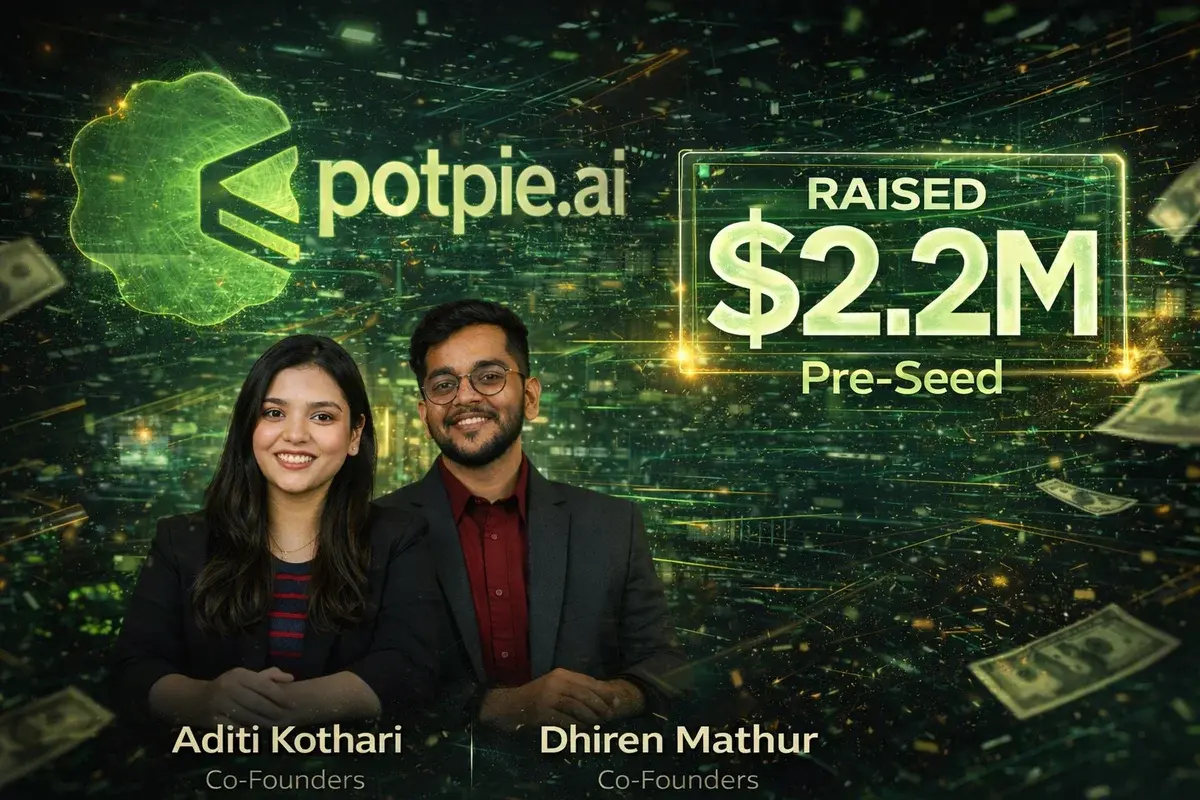
Potpie AI secures $2.2 million in pre-seed funding led by Emergent Ventures with backing from All In Capital, DeVC, and PointOne Capital.

The US officially implements a 10% tariff following a Supreme Court ruling, reshaping trade policy expectations.

China’s export controls targeting major Japanese industrial companies escalate geopolitical tensions, raising supply chain risks, margin pressure,...

Meta AI director faces email crisis as OpenClaw unexpectedly deletes crucial data. FinScann analyzes the financial and ethical implications for Meta...