Loading market data...
Adani Power’s subsidiary Moxie Power wins a 558 MW, 5-year power supply contract from Tamil Nadu at ₹5.910 per unit. With over 95% capacity under long-term PPAs, the deal strengthens revenue stability and boosts investor confidence in India’s largest private power producer.
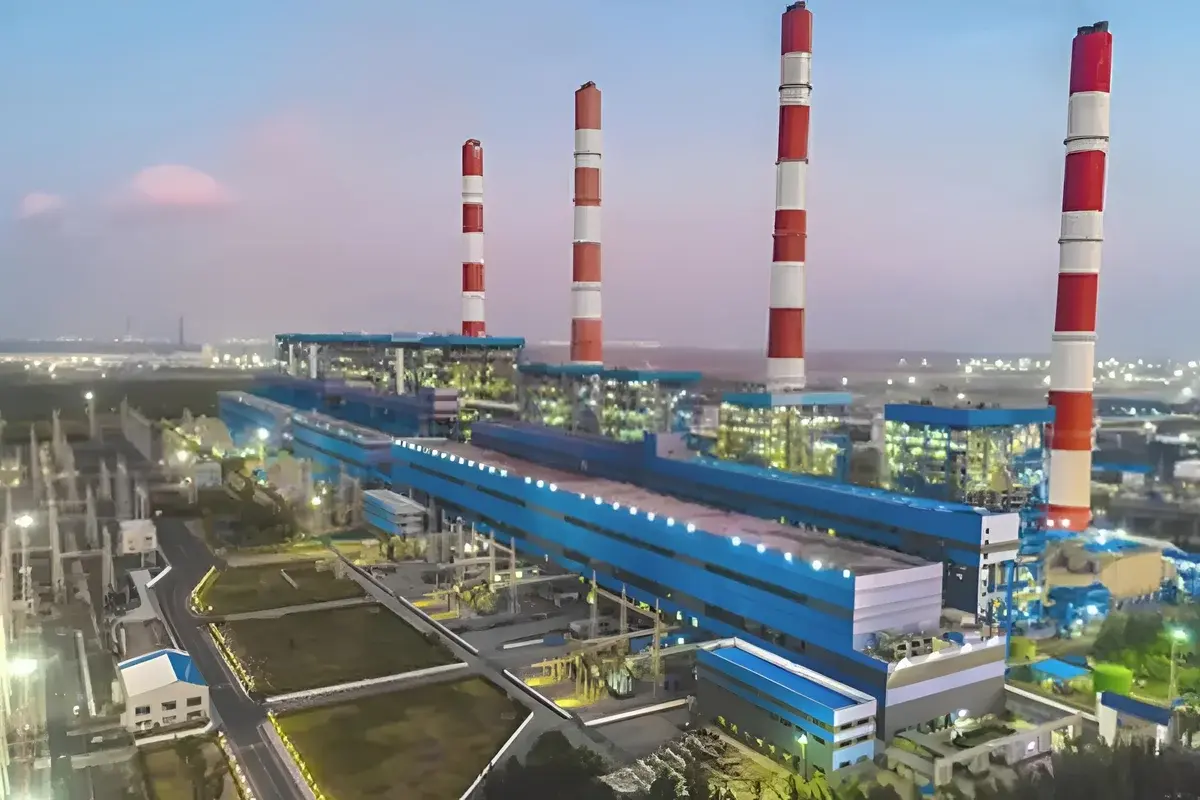
India’s largest private thermal power producer, Adani Power Ltd, has strengthened its market position after its wholly owned subsidiary Moxie Power Generation Ltd secured a major power supply contract from Tamil Nadu Power Distribution Corporation Ltd (TNPDCL). The agreement involves the supply of 558 MW (net) of power for a five-year period starting April 1, 2026, reinforcing Adani Power’s contracted capacity base and long-term revenue visibility.
This development is a significant milestone for the Adani Group’s power vertical, reflecting competitive pricing strength and operational reliability in a rapidly evolving energy landscape.
Moxie Power Generation emerged as the lowest bidder in a competitive tender process conducted by TNPDCL. The company quoted a tariff of ₹5.910 per unit, securing a Letter of Award (LoA) for supplying 558 MW of power over five years.
| Parameter | Details |
|---|---|
| Power Supply | 558 MW (Net) |
| Contract Tenure | 5 Years |
| Tariff | ₹5.910 per unit |
| Supply Start Date | April 1, 2026 |
| Buyer | Tamil Nadu Power Distribution Corp |
The pricing indicates strong cost efficiency and optimized fuel management strategy, enabling Adani Power to remain competitive while ensuring profitability.
Adani Power currently has an installed capacity of 18.15 GW, making it India’s largest private thermal power producer. With this latest agreement, both units of its Tuticorin plant are now backed by long-term or medium-term power purchase agreements (PPAs).
This ensures that over 95% of Adani Power’s operational capacity is tied to structured contracts — a key factor in stabilizing cash flows and reducing merchant market exposure.
Long-term contracts are particularly important in the thermal power sector, where capital expenditure and fuel sourcing commitments are significant.
Securing contracted capacity improves:
A five-year agreement guarantees steady inflow, improving earnings predictability.
Higher contracted load factors improve plant efficiency and margin stability.
Stable PPAs support better credit ratings and refinancing capabilities.
Reduced reliance on short-term merchant power markets lowers earnings volatility.
If we assume average plant load factor stability, this contract alone could contribute meaningfully to incremental annual revenue streams.
Adani Power’s stock performance has remained resilient amid broader market volatility. The company’s strategy of securing long-term agreements aligns with investor preference for predictable cash flow businesses.
Key investor drivers include:
Tamil Nadu remains one of India’s largest power-consuming states, and such contracts strengthen Adani Power’s southern footprint.
India’s power demand continues to grow due to:
While renewable energy capacity is expanding rapidly, thermal power continues to play a crucial role in base-load stability. Contracts like this ensure supply reliability while renewable capacity scales gradually.
The sector is witnessing:
Adani Power’s ability to win competitive tenders demonstrates operational strength in this evolving landscape.
The Tuticorin facility is now largely contracted under medium to long-term agreements. High contracted capacity reduces merchant risk and provides operational stability.
| Plant | Status |
|---|---|
| Tuticorin Unit 1 | Contracted |
| Tuticorin Unit 2 | Contracted |
| Overall Operational Capacity Contracted | 95%+ |
This improves financial modeling clarity for analysts and institutional investors.
Looking ahead, this development positions Adani Power for:
With India’s peak power demand rising year-on-year, companies with secured PPAs are likely to benefit from long-term demand growth.
The 558 MW contract win is more than just a supply agreement — it represents a structural strengthening of Adani Power’s business model. In a capital-intensive industry, long-term contracted revenue is the backbone of financial stability.
As India’s power demand continues to grow and states secure long-term supply agreements, Adani Power’s scale, bidding discipline, and operational capabilities place it in a strong position for sustained growth.

Financial journalist specializing in market analysis, stock research, and investment trends. Dedicated to providing accurate, timely insights for informed decision-making.
Credentials: Experienced financial journalist with expertise in equity markets and economic analysis
The information provided in this article is for educational and informational purposes only and should not be construed as financial, investment, or legal advice. Finscann does not provide personalized investment recommendations.
For detailed terms and conditions, please read our Disclaimer and Terms of Service.

Olectra Greentech shares jump 4% after securing a ₹1,800 crore order for 1,085 electric buses.

Hindustan Aeronautics Ltd. Update Hindustan Aeronautics Ltd. (HAL) shares opened higher, breaking a two-day losing streak, as CLSA maintains an...
A ₹1,000-crore small-cap is transitioning from cables to advanced railway signalling under India’s Kavach rollout.

Metal stocks rally as Nifty Metal jumps 7.6% in February. Tata Steel, Adani Enterprises, Jindal Steel, and Lloyds Metals gain up to 13% amid weak...
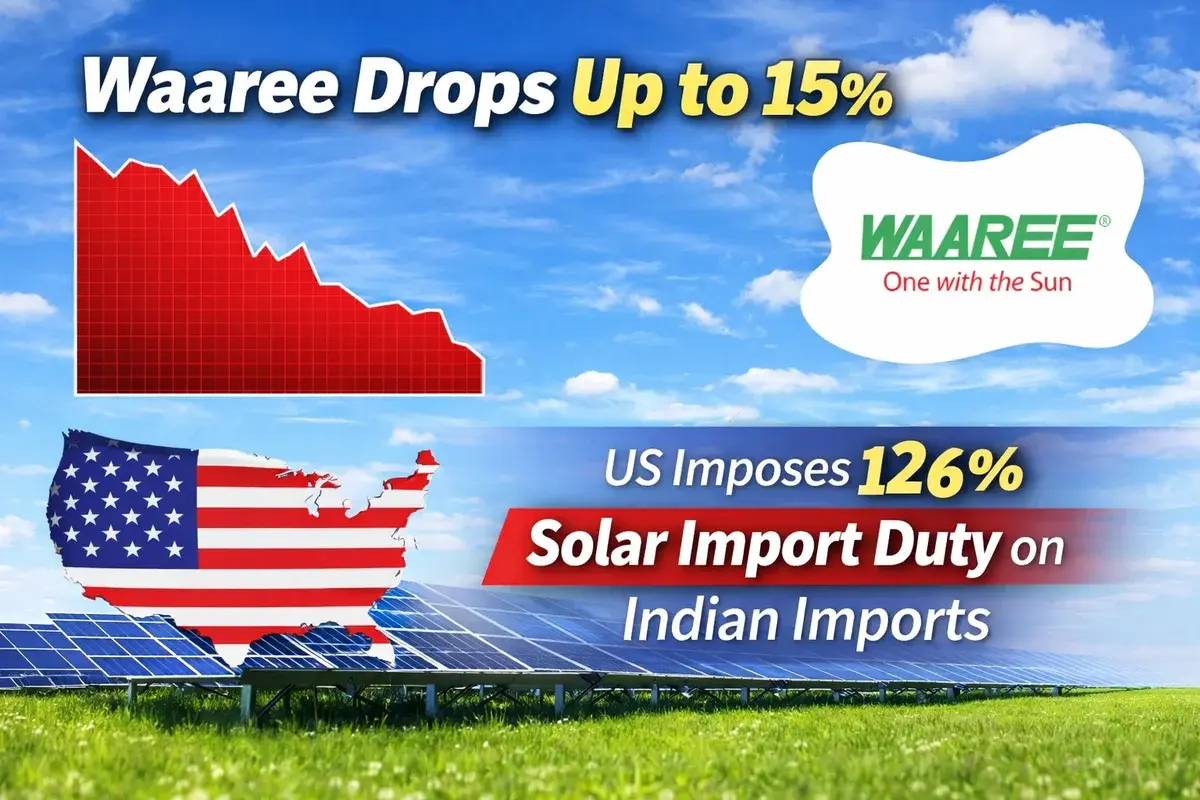
Waaree Energies and Premier Energies shares drop up to 15% after the US sets a 126% duty on Indian solar imports.