Loading market data...
Angel One's 1:10 stock split has adjusted its share price, making it more accessible. FinScann analyzes the impact, financials, and market outlook for investors.
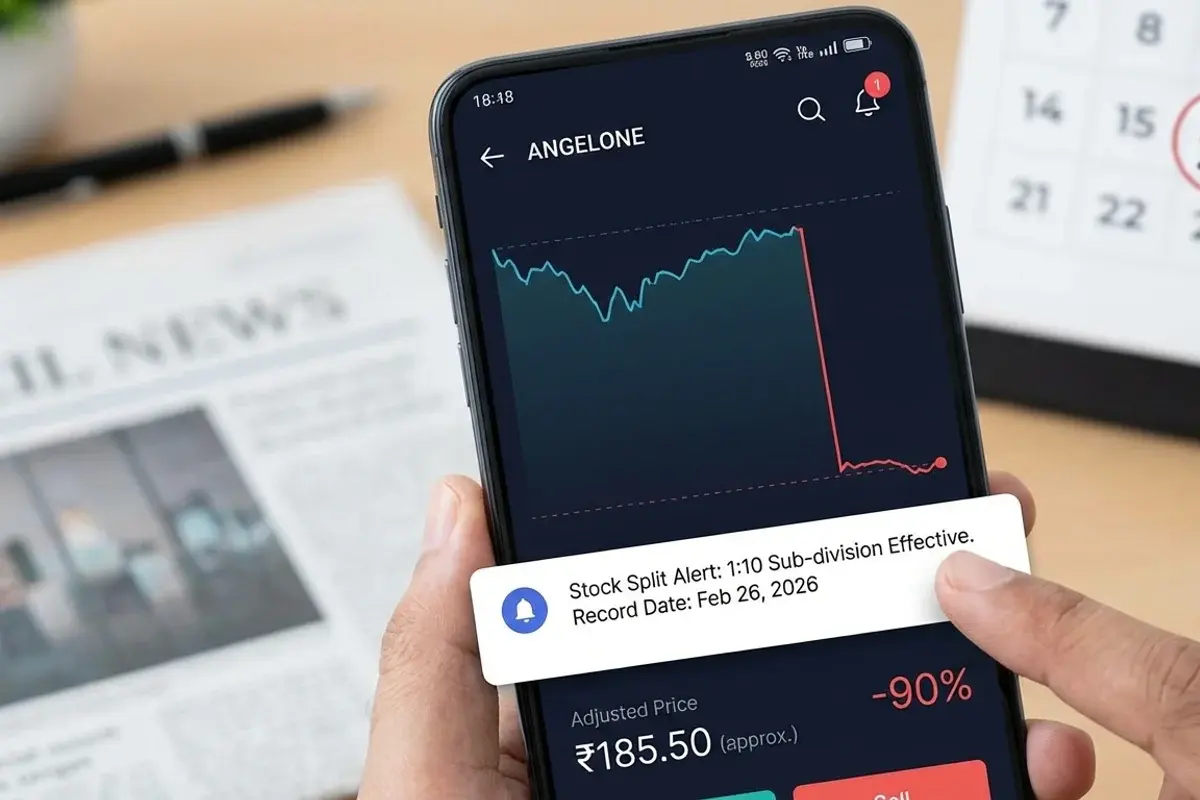
Angel One Ltd. (NSE: ANGELONE, BSE: 543235) has executed a significant 1:10 stock split, with February 26, 2026, designated as the record date. This corporate action, aimed at enhancing liquidity and affordability, immediately adjusted the brokerage firm's share price on the National Stock Exchange (NSE) and Bombay Stock Exchange (BSE), as each existing equity share with a face value of ₹10 was sub-divided into 10 equity shares with a face value of ₹1 each. While the per-share price visibly drops by approximately 90% in trading apps, the total investment value for existing shareholders remains unchanged. This strategic move by one of India's largest listed retail stockbroking houses is poised to attract a wider base of retail investors, a key objective in the burgeoning Indian financial markets.
The Catalyst
Angel One announced the 1:10 stock split during its Q3 FY26 results announcement on January 15, 2026. The primary motivation behind such a subdivision is to make the stock more accessible and affordable for a broader spectrum of retail investors, particularly when the absolute share price has become relatively high. By reducing the per-share price, the company aims to improve the stock's liquidity, potentially increasing trading volumes and market participation. This aligns with the broader trend in India's security brokerage market, which is experiencing rapid growth, propelled by surging retail investor participation and digital platform proliferation. Angel One, with its focus on technology-led financial services and a vast client base, particularly from Tier-2 and Tier-3 cities, stands to benefit from this enhanced accessibility.
Financial Forensics
Angel One reported a mixed financial performance for the third quarter of fiscal year 2026 (Q3 FY26), ending December 31, 2025. The company's consolidated net profit saw a 4.5% year-on-year (YoY) decline to ₹269 crore, compared to ₹281.5 crore in the corresponding quarter last year. However, revenue from operations demonstrated healthy growth, increasing by 5.8% YoY to ₹1,338 crore. Sequentially, the company showed strong momentum, with revenue up 11.1% and profit after tax jumping 26.9% quarter-on-quarter (QoQ). This sequential growth was attributed to improved market participation, higher client activity, and stronger contributions from non-broking segments.
The company's non-broking businesses have been scaling rapidly. The client funding book grew 10.4% QoQ to ₹5,860 crore as of December 2025, and credit disbursals increased significantly by 55.7% QoQ to ₹710 crore. Wealth management Assets Under Management (AUM) also rose by 33.7% QoQ to ₹8,220 crore. These figures underscore Angel One's strategic diversification beyond traditional broking.
Angel One Ltd: Key Financial Highlights (Q3 FY26 vs. Q3 FY25)
| Metric | Q3 FY26 (₹ Crore) | Q3 FY25 (₹ Crore) | YoY Change (%) |
|---|---|---|---|
| Revenue from Operations | 1,338 | 1,264 | +5.8% |
| Net Profit | 269 | 281.5 | -4.5% |
| Client Funding Book | 5,860 (as of Dec 2025) | N/A | +10.4% QoQ (sequential) |
| Credit Disbursals | 710 | N/A | +55.7% QoQ (sequential) |
| Wealth Management AUM | 8,220 (as of Dec 2025) | N/A | +33.7% QoQ (sequential) |
Source: Company Filings, FinScann Analysis
The increase in total expenses to ₹964.2 crore from ₹876.5 crore (Q3 FY25), driven by higher employee benefit costs and ESOP expenses, contributed to the slight dip in net profit despite revenue growth.
Loading chart...
Market Impact
The stock split itself does not alter the company's fundamentals or market capitalization; it is a cosmetic adjustment designed to enhance liquidity and perception. However, the immediate impact on Angel One's trading activity has been notable, with trading volumes rising significantly post-split. A lower per-share price often attracts new retail investors, potentially increasing demand and trading activity.
The broader Indian brokerage industry continues to witness robust growth. The India security brokerage market was valued at USD 2.20 Billion in 2025 and is projected to reach USD 2.83 Billion by 2034, growing at a Compound Annual Growth Rate (CAGR) of 2.84% from 2026-2034. This growth is fueled by increasing financial literacy, digital adoption, and participation from smaller cities. While some global brokerages, like Bernstein, have adopted a 'Neutral' outlook on Indian equities for 2026 due to stretched valuations and limited fresh macro catalysts, the underlying structural tailwinds for the domestic brokerage sector remain strong.
Key Takeaways
FinScann Verdict
The 1:10 stock split by Angel One is a well-timed strategic move in February 2026 to capitalize on India's booming retail investor segment and enhance market participation. While the immediate share price adjustment may appear significant on trading screens, investors must understand that this is a mechanical change. The company's underlying business strength, diversified offerings, and robust client acquisition remain the key drivers for long-term value creation.
Q: What does a 1:10 stock split mean for my Angel One shares? A: A 1:10 stock split means that for every one share of Angel One you held before the split, you now own 10 shares. Simultaneously, the face value of each share has reduced from ₹10 to ₹1, and the market price per share has adjusted proportionally, becoming one-tenth of its pre-split value. Your total investment value remains the same immediately after the split.
Q: When did the Angel One stock split take effect? A: The record date for the Angel One 1:10 stock split was February 26, 2026. Shares began trading on an ex-split basis from this date.
Q: Why do companies like Angel One undertake stock splits? A: Companies typically initiate stock splits to make their shares more affordable and accessible to a wider range of retail investors. This can increase the stock's liquidity and trading volume in the market. It can also signal management's confidence in the company's future performance.
Q: Does a stock split impact the total value of my investment? A: No, a stock split does not inherently change the total value of your investment in the company. While you hold more shares, the price per share decreases proportionally, ensuring that your overall wealth from that stock remains unchanged immediately after the split.
Q: How does Angel One compare to its peers in the Indian brokerage market? A: Angel One is a leading player in the Indian retail stockbroking sector, competing with both traditional brokerages and fintech startups. Its strength lies in its technology-led platform, extensive client base, and diversified offerings including broking, margin funding, depository services, and the distribution of mutual funds and other financial products. The company's expansion into wealth management and credit disbursals further strengthens its competitive position.
Disclaimer: For information only; not investment advice. Stock market investments carry risks. Please consult a SEBI-registered advisor before investing. FinScann assumes no liability for decisions made based on this report.

Financial journalist specializing in market analysis, stock research, and investment trends. Dedicated to providing accurate, timely insights for informed decision-making.
Credentials: Experienced financial journalist with expertise in equity markets and economic analysis
The information provided in this article is for educational and informational purposes only and should not be construed as financial, investment, or legal advice. Finscann does not provide personalized investment recommendations.
For detailed terms and conditions, please read our Disclaimer and Terms of Service.

XTGlobal Infotech Ltd (NSE: XTGLOBAL) shares jump 20% to upper circuit after securing a $796,900 AI contract from the Texas Department of...
FinScann reveals top 5 pivotal Indian stocks set for significant action on Feb 26, 2026. Get in-depth analysis on InfraBridge, TechGen, PharmaCare,...
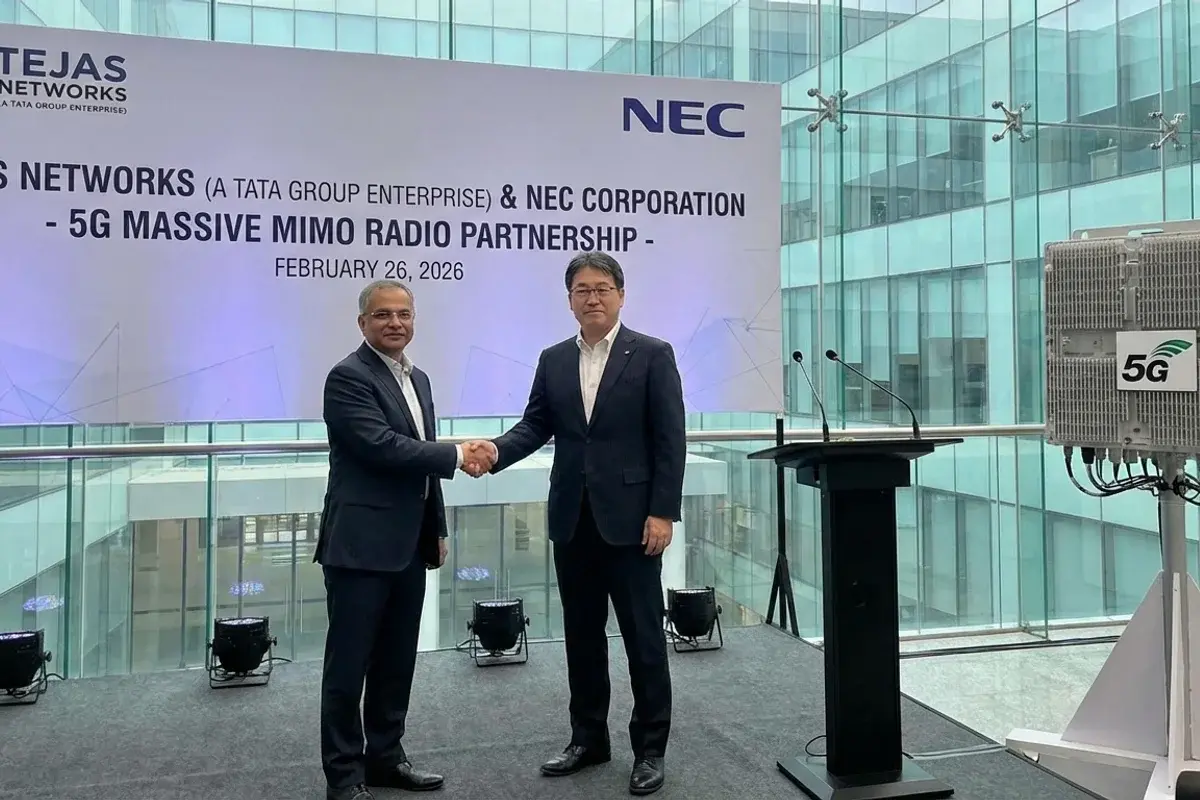
Tejas Networks signs a significant agreement with NEC Corporation for 5G Massive MIMO radio supply.
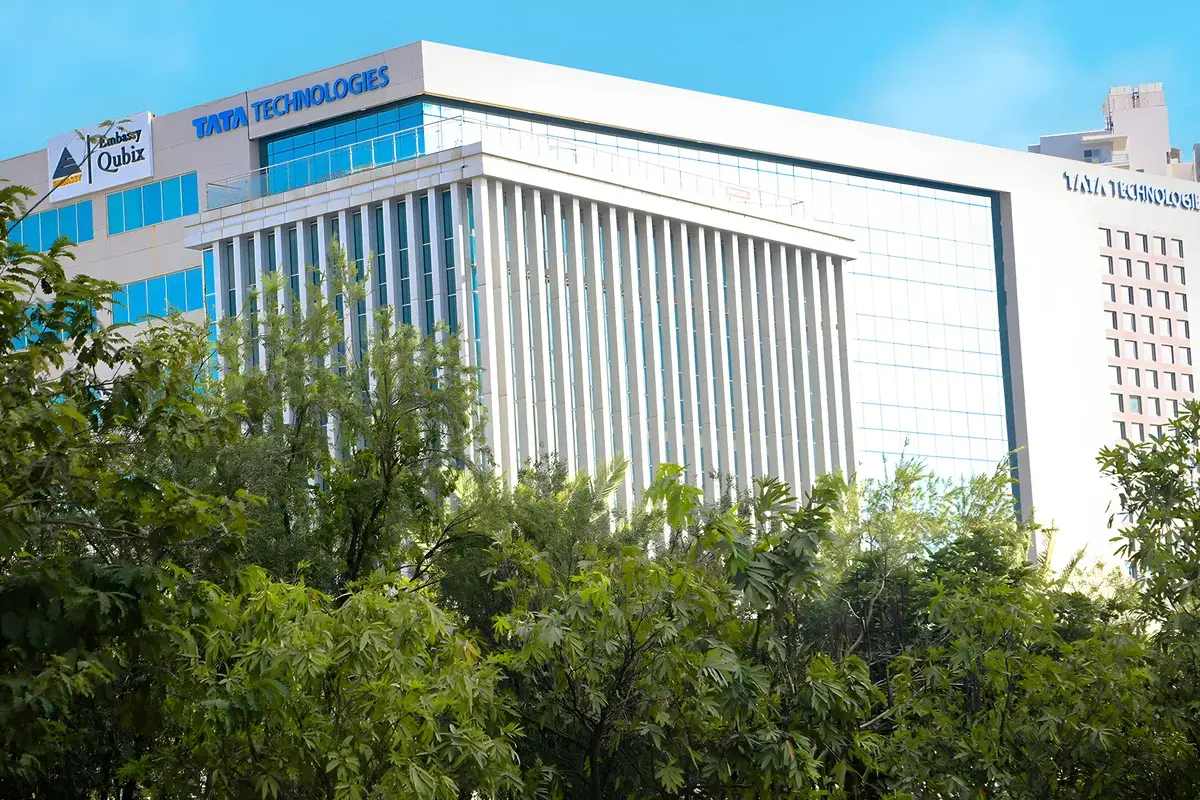
Tata Technologies Limited is sharpening its focus on AI-driven engineering research and development while expanding system-level ownership across...

Steel Authority of India (SAIL) shares surge to a 20-month high after Emkay Global raises target to ₹200.