Loading market data...
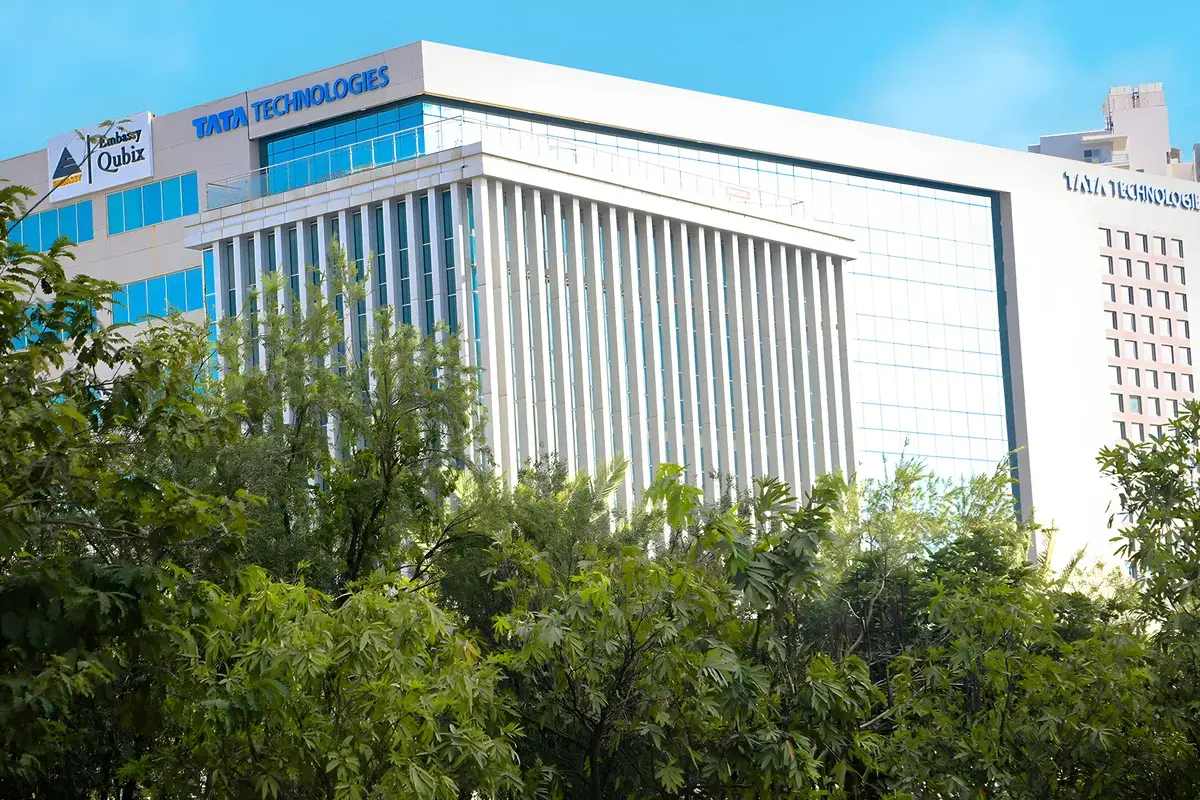
Tata Technologies Limited is sharpening its focus on AI-driven engineering research and development while expanding system-level ownership across automotive programs. Backed by strategic acquisitions, OEM partnerships, and disciplined execution, the company is positioning itself to benefit from rising global ER&D spending in the mobility sector.
Tata Technologies Limited is a global engineering and digital services company specializing in automotive, aerospace, and industrial product development. With deep-rooted relationships across global original equipment manufacturers, the company plays a critical role in full-vehicle engineering, embedded systems, and digital transformation initiatives.
As the automotive industry undergoes structural transformation driven by electrification, software-defined vehicles, and AI integration, Tata Technologies is recalibrating its strategy to capture higher-value ER&D mandates.
Tata Technologies is increasingly moving up the value chain by focusing on system-level ownership rather than isolated engineering modules.
| Strategic Lever | Impact on Business |
|---|---|
| System-Level Engineering | Higher revenue per program |
| AI Integration in Design | Faster product cycles |
| Embedded Software Development | Recurring revenue potential |
| End-to-End Vehicle Engineering | Stronger OEM stickiness |
By expanding control over integrated vehicle systems, the company improves both pricing power and long-term contractual visibility.
Artificial Intelligence is rapidly becoming central to automotive innovation, particularly in:
Tata Technologies is embedding AI-driven tools into its engineering lifecycle, enhancing design precision and reducing time-to-market for OEM clients.
| AI Application Area | Commercial Advantage |
|---|---|
| Simulation & Testing | Reduced prototype costs |
| Autonomous Systems | High-growth segment exposure |
| Digital Manufacturing | Operational efficiency gains |
| Data Analytics | Enhanced lifecycle services |
This shift aligns the company with broader industry digitization trends.
To strengthen resilience and diversify service offerings, Tata Technologies has pursued targeted acquisitions and expanded partnerships with global automotive OEMs.
These moves serve three purposes:
| Strategic Action | Business Outcome |
|---|---|
| OEM Expansion | Increased multi-year contracts |
| Geographic Diversification | Reduced concentration risk |
| Niche Engineering Acquisitions | Higher margin portfolio mix |
| EV and Software Programs | Future-ready positioning |
Disciplined execution of these initiatives has enhanced operational resilience while managing macroeconomic risks.
Global automotive ER&D spending continues to accelerate due to:
• Electrification transition • Advanced driver assistance systems • Software-defined vehicles • Sustainability regulations • AI-driven vehicle intelligence
Industry data indicates that automotive R&D budgets are increasingly being allocated toward software and digital architecture.
| Segment | Spending Momentum | Growth Outlook |
|---|---|---|
| Electrification | High | Expanding |
| Autonomous Systems | Rising | Long-Term Growth |
| Embedded Software | Accelerating | Structural Trend |
| Mechanical Engineering | Stable | Moderate |
Tata Technologies’ pivot toward AI and software-aligned engineering services positions it well to capture incremental spending.
The shift toward higher-value engineering mandates can significantly influence profitability metrics.
| Driver | Expected Impact |
|---|---|
| System-Level Ownership | Higher billing rates |
| AI Automation | Cost efficiency |
| Diversified Revenue Mix | Stability |
| Long-Term OEM Contracts | Predictable cash flow |
Margin recovery remains a key focus area. As the company scales higher-complexity programs, operating leverage is expected to improve.
Tata Technologies competes with global engineering service providers while leveraging its legacy relationships within the Tata Group ecosystem.
| Strength | Strategic Benefit |
|---|---|
| Deep Automotive Expertise | Strong client trust |
| Full-Vehicle Engineering | Integrated solutions |
| AI-Enabled Platforms | Innovation edge |
| Global Delivery Model | Cost optimization |
The ability to integrate digital engineering with traditional automotive design strengthens its differentiation.
Despite favorable trends, certain risks remain:
However, diversification and disciplined capital allocation help mitigate concentration risk.
The automotive industry is transitioning from hardware-centric vehicles to software-defined mobility platforms. Engineering service providers with AI capabilities are increasingly becoming strategic partners rather than outsourced vendors.
Tata Technologies’ emphasis on full-vehicle engineering, digital platforms, and AI integration aligns with this broader structural evolution.
With rising ER&D allocations globally and accelerating AI adoption, Tata Technologies appears positioned to benefit from long-term structural shifts.
If the company continues executing on:
• AI-led engineering transformation • Margin expansion through system-level programs • Strategic OEM deepening • Global diversification
It could strengthen its standing within the automotive engineering services ecosystem.
Investors and industry observers will closely track upcoming quarterly disclosures to assess revenue growth acceleration, margin improvement, and order book visibility.

Financial journalist specializing in market analysis, stock research, and investment trends. Dedicated to providing accurate, timely insights for informed decision-making.
Credentials: Experienced financial journalist with expertise in equity markets and economic analysis
The information provided in this article is for educational and informational purposes only and should not be construed as financial, investment, or legal advice. Finscann does not provide personalized investment recommendations.
For detailed terms and conditions, please read our Disclaimer and Terms of Service.

Steel Authority of India (SAIL) shares surge to a 20-month high after Emkay Global raises target to ₹200.
Vikram Solar secures a 378.75 MW solar module order from Indian Oil NTPC Green Energy for a 600 MW Gujarat project.
NTPC and MAHAGENCO complete the acquisition of Sinnar Thermal Power’s 1,350 MW coal plant under CIRP.
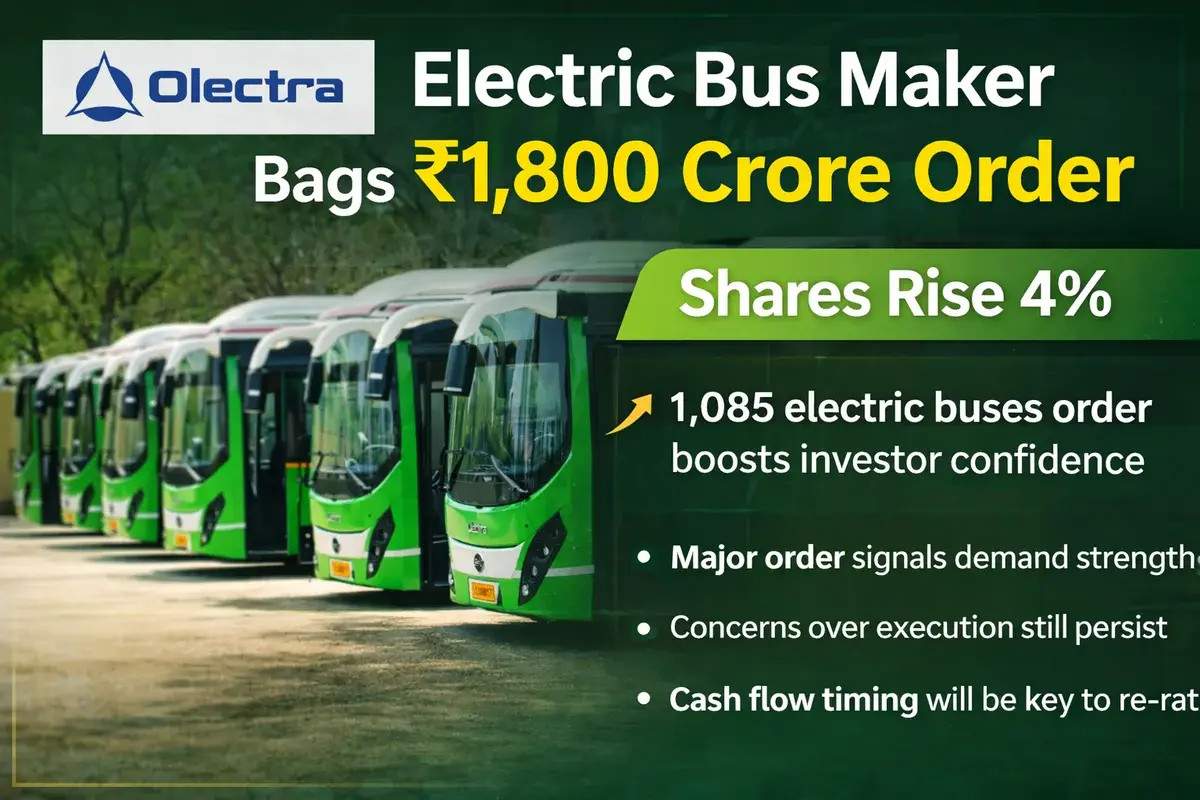
Olectra Greentech shares jump 4% after securing a ₹1,800 crore order for 1,085 electric buses.

Hindustan Aeronautics Ltd. Update Hindustan Aeronautics Ltd. (HAL) shares opened higher, breaking a two-day losing streak, as CLSA maintains an...