Loading market data...
Indian startups raised $285 million this week, led by Spinny and Statiq, even as overall funding slowed. Here’s a detailed breakdown of deals and trends.
Indian startups raised a total of $285 million this week, with $118.3 million coming from 16 deals between February 16–20. While funding activity remains active, capital inflow has cooled compared to the previous week’s $200.2 million across 31 deals. Peak XV and Tenacity emerged as the most active investors, signaling selective deployment amid valuation discipline and profitability focus.
India’s startup ecosystem continues to demonstrate resilience, but funding momentum has clearly entered a more calibrated phase. Despite optimism around artificial intelligence, deep tech, and climate innovation - especially during the India AI Impact Summit - venture capital deployment remains selective and valuation-sensitive.
The week saw notable raises across mobility, EV infrastructure, fintech, and consumer technology, with companies such as Spinny and Statiq leading the headlines.
Below is a detailed breakdown of key startups and their strategic positioning.
Spinny operates in India’s organized used-car marketplace segment. The company focuses on full-stack ownership - sourcing, refurbishment, financing, warranties, and doorstep delivery - differentiating itself from classified platforms.
** Spinny Company Snapshot**
| Metric | Details |
|---|---|
| Founded | 2015 |
| Sector | Used Car Marketplace |
| Business Model | Full-stack transaction platform |
| Revenue Model | Commission + Value-added services |
| Geographic Presence | 20+ Indian cities |
| Key Focus | Quality control & asset-backed model |
Strategic Strengths
• Inventory-backed trust model • In-house refurbishment hubs • Integrated financing & warranty offerings • Strong brand recall in metro markets
** Market Context**
India’s used-car market is estimated to be nearly 1.5x the size of the new car market in volume terms. With digitization improving buyer trust, platforms like Spinny are positioned to capture market share from unorganized dealers.
** Growth Levers**
• Expansion into Tier 2 cities • Increased financing penetration • Data-driven pricing optimization • Improved inventory turnover cycles
** FAQs - Spinny**
Q1: How does Spinny differentiate itself from traditional used car platforms? Spinny follows an inventory-led model with 200+ quality checks, warranty coverage, and direct ownership of vehicles before sale, reducing trust deficits in the used-car segment.
Q2: Is the used-car market in India scalable for venture-backed startups? Yes. With low organized penetration and rising digital adoption, the segment offers strong scalability and margin improvement opportunities.
Statiq operates in India’s EV charging infrastructure space, building a network of charging stations for electric vehicles across urban and highway corridors.
Statiq Company Snapshot
| Metric | Details |
|---|---|
| Founded | 2019 |
| Sector | EV Charging Infrastructure |
| Business Model | Charging-as-a-Service |
| Revenue Model | Usage-based pricing |
| Network Presence | Multiple urban & highway clusters |
| Target Users | Private EV owners & fleet operators |
** Strategic Positioning**
India’s EV adoption is accelerating, supported by:
• Government incentives • Battery cost reduction • Urban pollution control policies • Fleet electrification mandates
Charging infrastructure remains the biggest bottleneck - giving Statiq a structural opportunity.
** Competitive Advantage**
• Asset-light deployment model • Strategic partnerships with property owners • SaaS-enabled charger management • Interoperability focus
** FAQs**
Q1: Why is EV charging infrastructure critical for India’s EV growth? Without accessible charging networks, EV adoption remains limited. Infrastructure availability directly influences consumer confidence and fleet conversion.
Q2: What monetization models exist for EV charging startups? Revenue comes from per-unit charging fees, subscription plans for fleets, partnerships with real estate operators, and potentially advertising integrations.
Funding Landscape: Weekly Overview
| Metric | This Week | Previous Week |
|---|---|---|
| Total Capital Raised | $118.3 Mn | $200.2 Mn |
| Number of Deals | 16 | 31 |
| Change in Funding | ↓ 69% | - |
| Active Investors | Peak XV, Tenacity | Multiple |
While deal count and funding value declined, this reflects investor caution rather than ecosystem slowdown. Capital is increasingly flowing toward:
• Unit-economics-positive startups • Capital-efficient models • Deep-tech & AI-driven businesses • Climate and sustainability ventures
Investor Behavior: Quality Over Quantity
Peak XV and Tenacity backing multiple startups signals:
• Conviction-driven deployment • Focus on scalable fundamentals • Valuation discipline • Emphasis on profitability roadmap
Investors are now prioritizing:
• EBITDA visibility • Cash runway management • Sustainable burn rates • Clear exit pathways
Sector-Wise Heatmap
| Sector | Funding Sentiment | Outlook |
|---|---|---|
| Mobility | Moderate | Consolidation phase |
| EV Infra | Strong | Structural growth |
| Fintech | Selective | Regulation-sensitive |
| D2C | Mixed | Margin pressure |
| AI & Deep Tech | Optimistic | Long-term potential |
Broader Ecosystem Trends
The Indian startup ecosystem is transitioning from growth-at-all-costs to sustainable scaling. Compared to peak funding cycles of 2021–22:
• Valuations are rationalized • Down rounds are fewer but strategic • Bridge rounds are more structured • Founders focus on profitability timelines
Despite funding dips, capital availability remains robust for high-quality businesses.
Capital Discipline vs Ecosystem Optimism
While AI announcements dominated headlines this week, funding inflows did not mirror the enthusiasm. This divergence suggests:
• Longer due diligence cycles • Sector-specific capital deployment • Higher investor scrutiny • Focus on risk-adjusted returns
The ecosystem is stabilizing rather than shrinking.
Final Take
This week’s $285 million headline funding number reflects resilience, but the $118.3 million across 16 deals between February 16–20 underscores capital selectivity.
Startups like Spinny and Statiq highlight two structural themes:
• Digitization of large offline markets • Infrastructure backbone for EV transformation
The Indian startup ecosystem remains active - but smarter, leaner, and increasingly disciplined.
** FAQs**
Q1: Why has Indian startup funding declined this week?
Funding moderation reflects valuation discipline and selective capital deployment rather than a structural slowdown.
Q2: Which sectors are attracting the most startup investment in 2026?
EV infrastructure, AI-driven platforms, mobility tech, and capital-efficient consumer brands are seeing strong investor interest.

Financial journalist specializing in market analysis, stock research, and investment trends. Dedicated to providing accurate, timely insights for informed decision-making.
Credentials: Experienced financial journalist with expertise in equity markets and economic analysis
The information provided in this article is for educational and informational purposes only and should not be construed as financial, investment, or legal advice. Finscann does not provide personalized investment recommendations.
For detailed terms and conditions, please read our Disclaimer and Terms of Service.
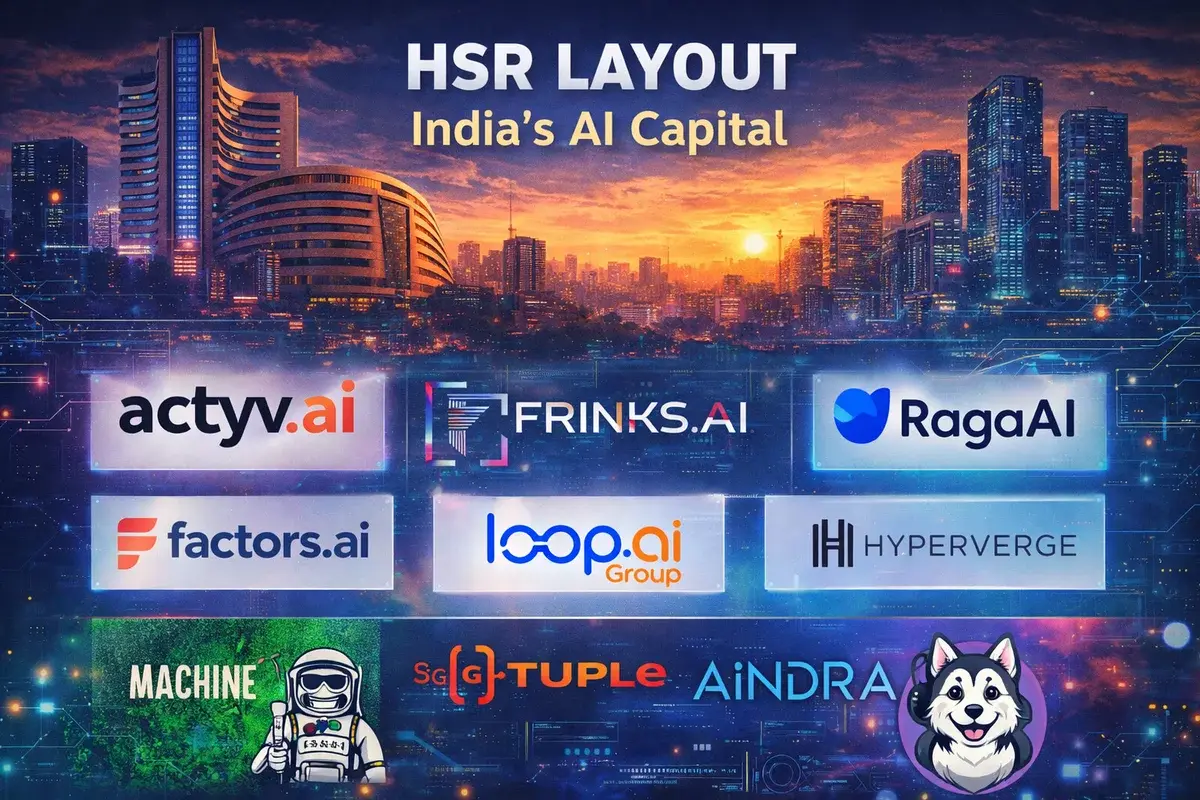
HSR Layout in Bengaluru has evolved into India’s leading AI startup cluster, housing companies like Actyv.ai, HyperVerge, SigTuple, and Frinks AI.
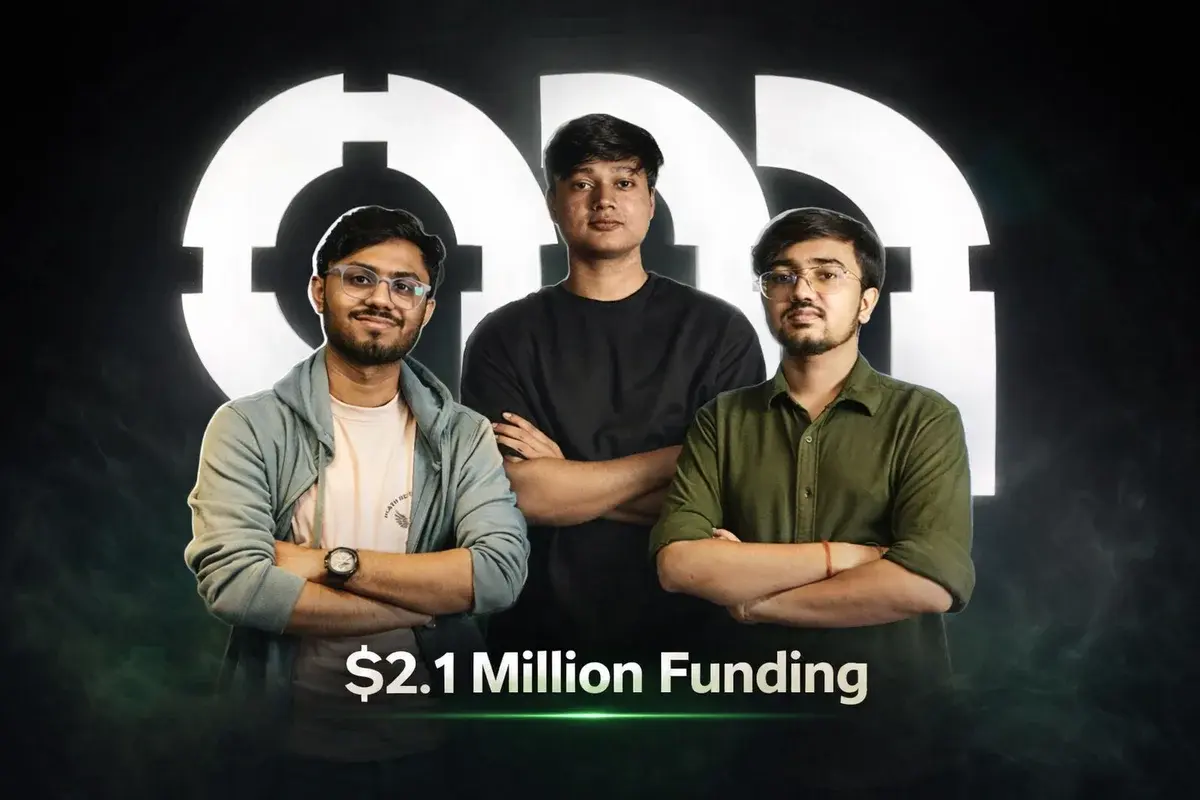
Bengaluru-based robotics startup Armatrix raises $2.1 million in pre-seed funding led by pi Ventures to deploy 22-DoF snake-like robotic arms for oil...
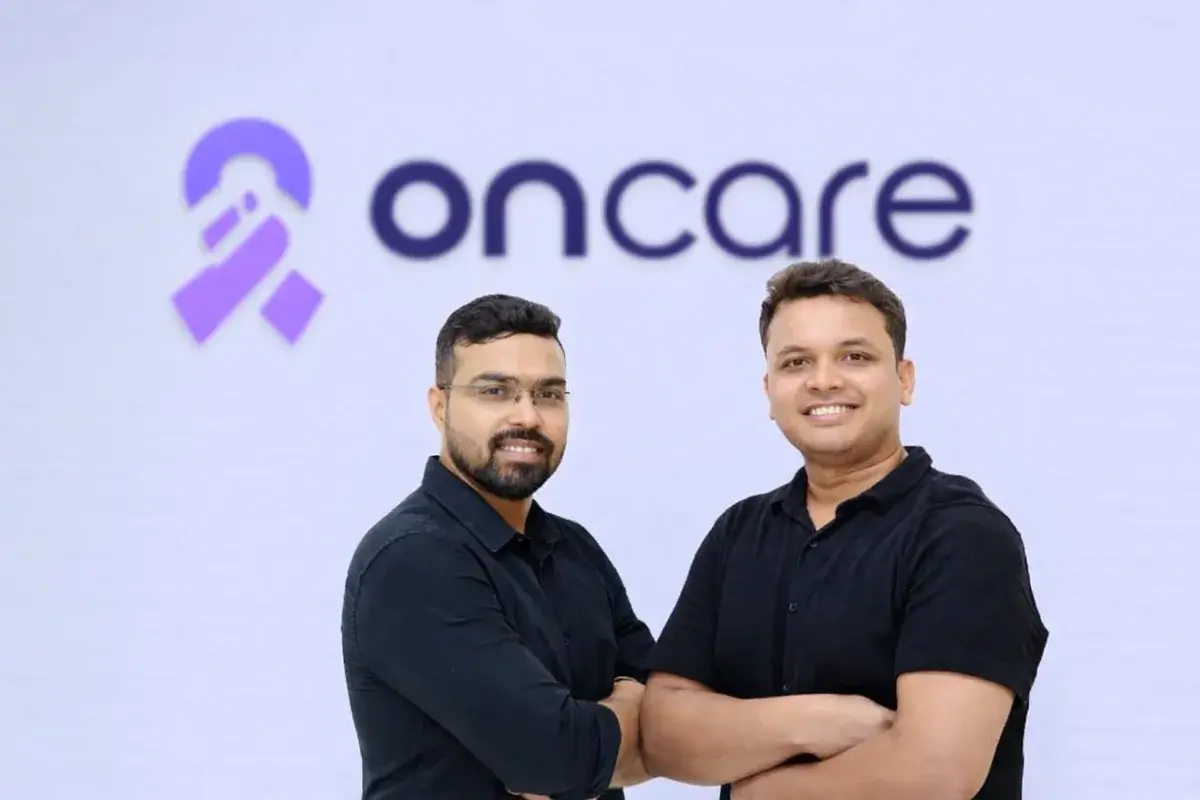
Cancer care startup OnCare secures ₹27 crore in Series A funding to expand its oncology support platform.

The landscape of Indian fintech just shifted. Xflow has announced a $16.6 million Series A funding round led by General Catalyst, marking a pivotal...
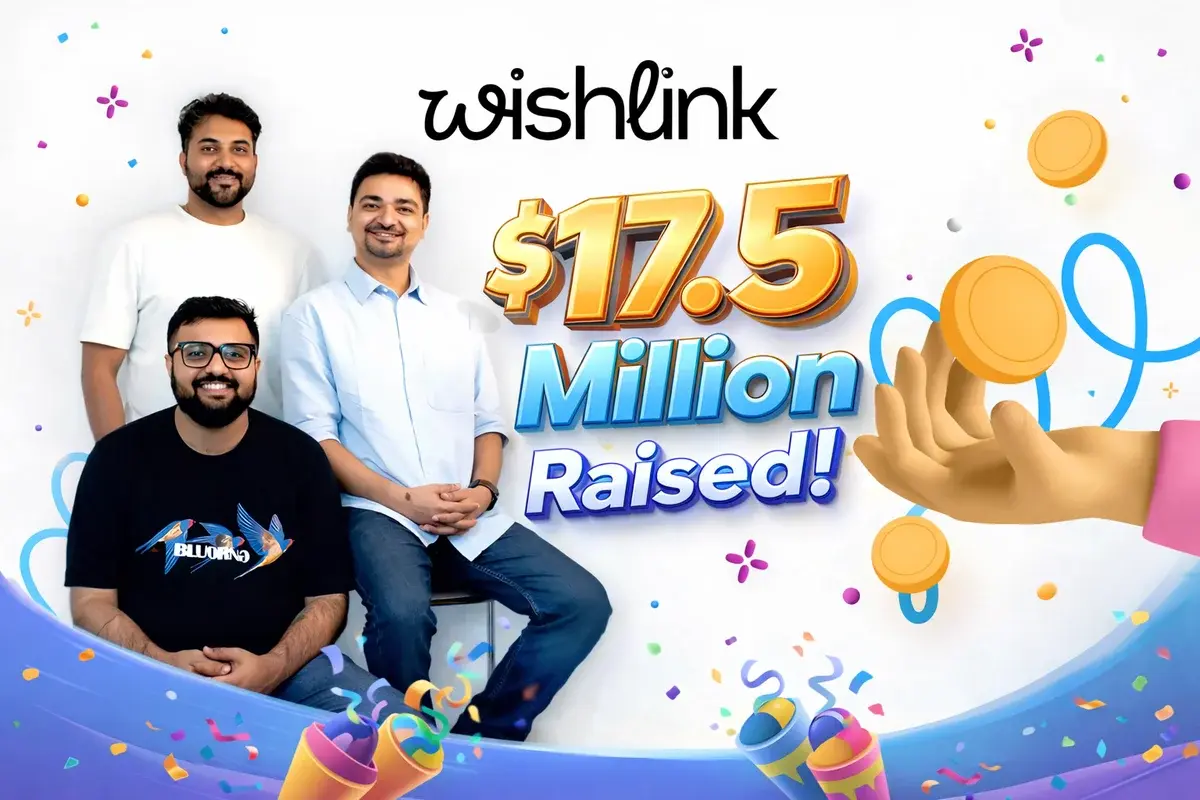
Wishlink raises $17.5M led by Vertex Ventures, boosting its creator commerce platform and expanding its network in India's rapidly growing digital...