Loading market data...
Zoho has launched a new generation of ERP software designed specifically for India’s unique economic landscape. The platform moves away from traditional "back-office" accounting, acting instead as a digital nervous system integrated with UPI, GST, and ONDC. It aims to help Indian MSMEs and mid-market firms scale efficiently while leveraging AI-driven insights and native compliance.
The Operational Leap: Zoho Reinvents the ERP for India’s High-Growth Decade
In a move set to redefine how Indian enterprises scale, Zoho has announced its next-generation Zoho ERP, a platform architected specifically for the "fast-scaling" Indian economy. Rather than retrofitting global legacy systems for the local market, Zoho’s new strategy focuses on building a digital nervous system that integrates natively with India’s unique Digital Public Infrastructure (DPI).
Why the Shift? The Legacy ERP Bottleneck
For years, Indian mid-market and large enterprises have struggled with traditional ERPs that were:
Prashant Ganti, VP of Global Strategy at Zoho, emphasizes that in India's current "growth decade," the ERP must evolve from a back-office accounting tool into a dynamic operational foundation.
Key Features: Built for the "Indian Scale"
Zoho’s new ERP aims to leapfrog legacy software by focusing on four critical pillars:
Strategic Impact: Accelerating the $10 Trillion Dream
As India pushes toward becoming a $10 trillion economy, the pressure on the MSME and mid-market sectors is immense.
Industry Perspective
Market analysts view this as a pivotal moment for "India-made" software. While global vendors dominate the Fortune 500, Zoho is positioning itself as the partner of choice for the "Bharat 500"—the fast-growing companies that require agility and deep local compliance integration.
"Intelligence depends on infrastructure," says Ganti. "For AI to deliver meaningful automation, enterprises require clean data flows and coherent process models. That is what we are building."
Informational Purpose Only: This article is for educational and informational purposes based on current market reports from February 2026. It does not constitute financial or business consulting advice. Software Selection: Choosing an ERP is a significant business decision; companies should conduct their own due diligence or consult with IT professionals before migrating systems. Data Accuracy: Figures and strategic claims are based on Zoho's official announcements and Economic Times reports as of the current date.

Financial journalist specializing in market analysis, stock research, and investment trends. Dedicated to providing accurate, timely insights for informed decision-making.
Credentials: Experienced financial journalist with expertise in equity markets and economic analysis
The information provided in this article is for educational and informational purposes only and should not be construed as financial, investment, or legal advice. Finscann does not provide personalized investment recommendations.
For detailed terms and conditions, please read our Disclaimer and Terms of Service.
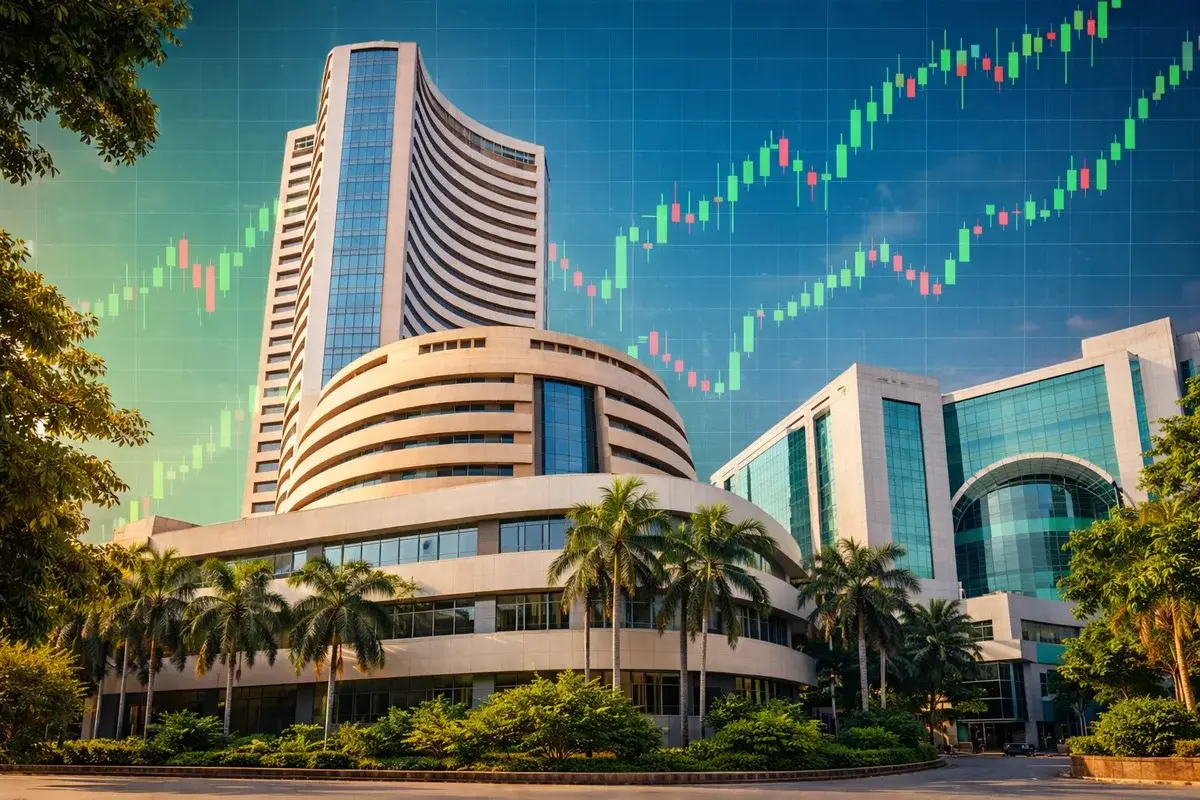
India's benchmark indices Sensex and Nifty staged a robust recovery in March 2026, gaining significantly despite ongoing geopolitical tensions.

Geopolitical tensions surrounding the US-Iran conflict led FIIs to dump ₹12,000 crore from Indian shares.

Indian refinery stocks, including Reliance, MRPL, and CPCL, surge up to 5% after China reportedly suspends diesel and gasoline exports amidst...
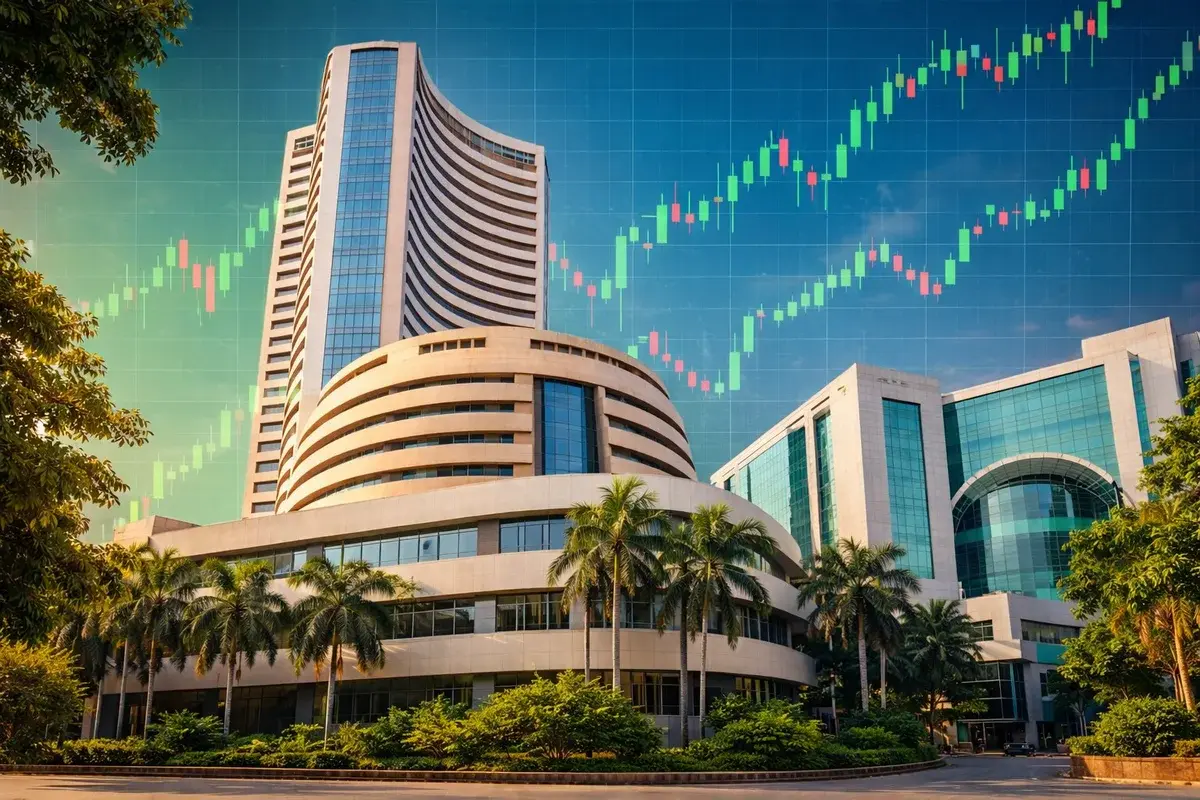
Indian markets surged in March 2026, with Sensex and Nifty rebounding on de-escalation hopes in the Middle East.
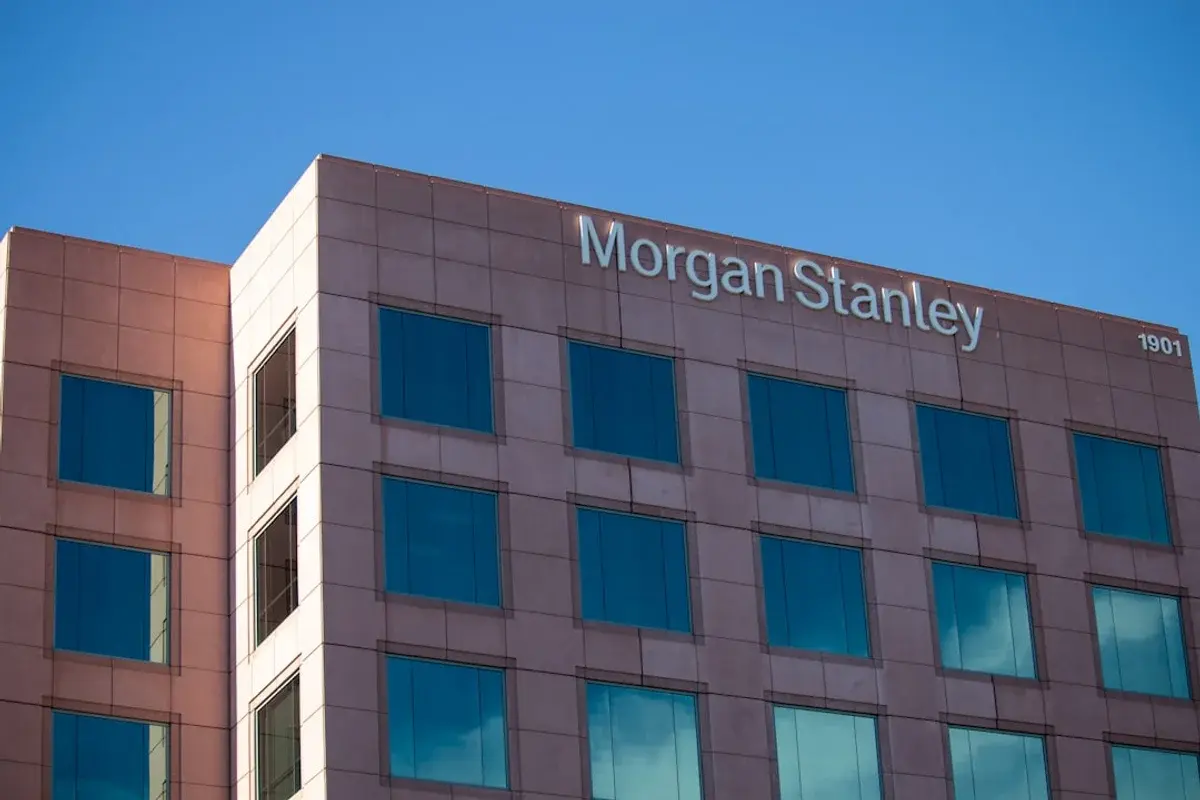
Morgan Stanley cuts 2,500 jobs across investment banking, wealth management, and trading. Despite strong financials, this strategic move signals a...