Loading market data...
India's gas prices are soaring in March 2026 due to the Iran-Israel conflict, Strait of Hormuz disruptions, and Qatar LNG halt. FinScann analyzes the impact on LPG, LNG, and the Indian economy.
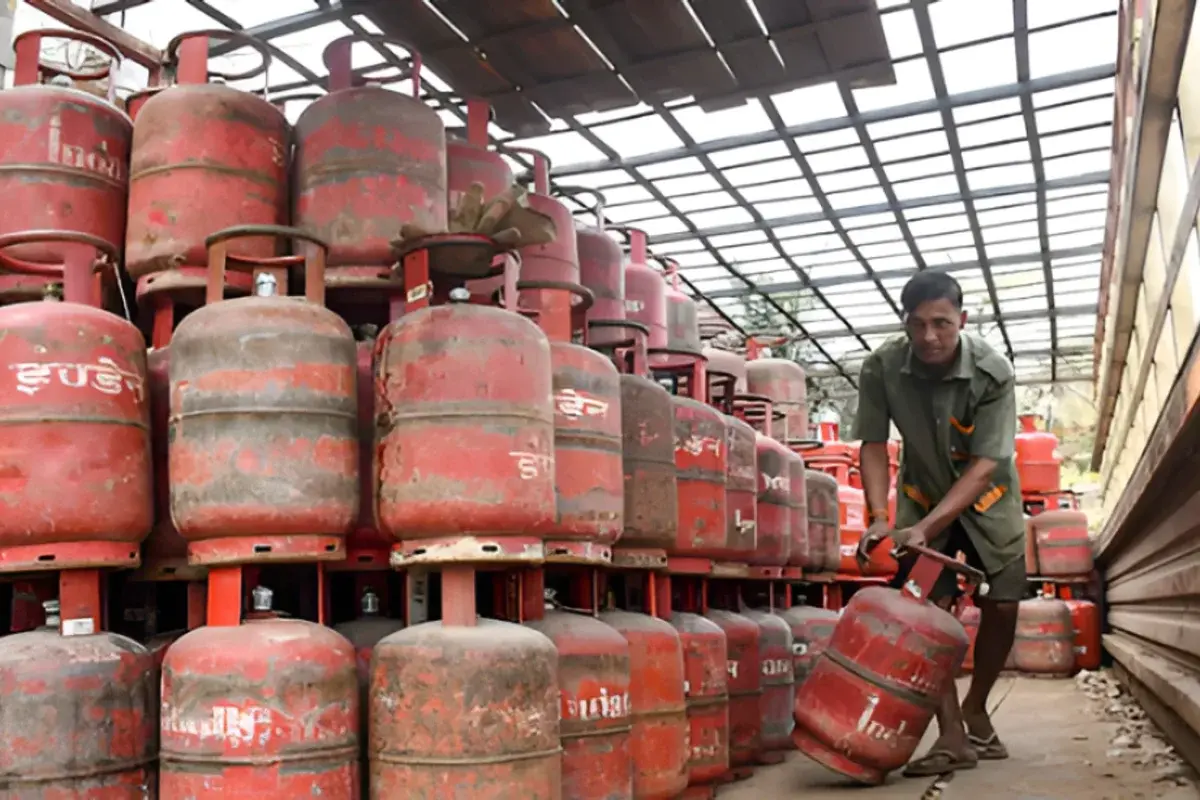
India is currently grappling with a significant surge in gas prices, directly influenced by the escalating Iran-Israel conflict in the Middle East, which has severely disrupted global energy supply chains. This geopolitical turmoil, particularly the effective halt in shipping through the crucial Strait of Hormuz and a major production suspension by QatarEnergy, is translating into higher costs for consumers and industries across the nation in March 2026. Domestic cooking gas (LPG) cylinder prices have notably increased by ₹60 per cylinder, while commercial LPG has seen a hike of ₹114.5, making household expenses costlier and triggering supply concerns in major Indian cities.
The Catalyst
The core of India's current gas price hike lies in the volatile geopolitical landscape of the Middle East, particularly the ongoing conflict between Iran and the Israel-US alliance. The situation intensified following joint military strikes by the United States and Israel on Iran starting February 28, 2026, which included the assassination of Iran's supreme leader. In retaliation, Iran launched missile and drone attacks and, critically, issued warnings prohibiting vessel passage through the Strait of Hormuz, a vital maritime chokepoint through which approximately 20% of the world's oil and natural gas normally transits. This has led to a near-total halt in tanker traffic, severely impacting the global energy market.
Further exacerbating the crisis, Qatar, one of the world's largest LNG exporters and a significant supplier to India, halted liquefied natural gas production at a major export facility after an Iranian drone attack on its infrastructure. This shutdown prompted QatarEnergy to issue force majeure notices to its buyers, including Petronet LNG, India's largest LNG importer. Such disruptions have directly led to a tightening of LPG and LNG supplies globally, with India bearing a significant brunt due to its heavy reliance on imports.
Financial Forensics
The immediate financial repercussions of these supply disruptions are clearly visible in the gas prices across India. Domestic LPG (14.2 kg cylinder): As of March 7, 2026, prices were hiked by ₹60, marking the second increase in 11 months. A 14.2 kg non-subsidised LPG cylinder now costs ₹913 in Delhi. In other metros, prices stand at ₹939 in Kolkata, ₹912.50 in Mumbai, and ₹928.50 in Chennai. This increase alone adds to the monthly household budget for over 33 crore LPG users in India. Commercial LPG (19 kg cylinder): The price for commercial cylinders, crucial for establishments like hotels and restaurants, increased by ₹114.5 earlier in March. A 19 kg commercial LPG cylinder now costs ₹1,883 in Delhi. This marks the third consecutive hike in two months for commercial LPG, highlighting the severe pressure on businesses.
India's energy import dependency makes it particularly vulnerable to such global shocks. The country imports more than 60% of its LPG consumption, with roughly 85-90% of these imports typically passing through the Strait of Hormuz. In FY25, India consumed about 31.3 million tonnes of LPG, with only 12.8 million tonnes produced domestically. India is also the fourth-largest LNG importer globally, sourcing around two-thirds of its LNG supplies from Qatar, the UAE, and Oman. The disruption in the Strait of Hormuz alone affects approximately 20% of the world's daily oil supply and significant volumes of LNG.
Key Market Data at a Glance (March 2026)
| Commodity | Old Price (₹) | New Price (₹) | Change (₹) | Effective Date | Affected Sector |
|---|---|---|---|---|---|
| Domestic LPG (14.2 kg) - Delhi | 853.00 | 913.00 | +60.00 | Mar 7, 2026 | Households |
| Commercial LPG (19 kg) - Delhi | 1,768.50 | 1,883.00 | +114.50 | Mar 7, 2026 | Commercial |
| Brent Crude (per barrel) | ~92.69 (Mar 6) | >114 (Mar 9) | +23% | Mar 9, 2026 | Global Energy |
| Source: Indian Oil Corporation (IOC), Various Financial News Outlets |
Global crude oil prices have surged, with Brent crude surpassing $100 per barrel on March 8, 2026, for the first time in four years, reaching up to $126 per barrel at its peak. This represents a roughly 23% increase from its March 6 closing price of $92.69. Analysts at Goldman Sachs estimated that traders demand about $14 more for a barrel of oil than before the conflict to compensate for increased risks.
In response to the crisis, the Indian government has taken proactive steps, invoking powers under the Essential Commodities Act to issue the Natural Gas (Supply Regulation) Order, 2026. This order prioritizes gas allocation to domestic piped natural gas (PNG), compressed natural gas (CNG) for transport, and LPG production, ensuring household and essential needs are met first. Fertiliser plants receive the second priority category with 70% of their past six-month average gas consumption, while industrial consumers are allocated 80%. Oil refining companies have been directed to absorb the impact by reducing gas allocation to refineries to approximately 65% of their past six months' consumption.
Market Impact
The ripple effects of this gas crisis extend beyond immediate price hikes. The Indian economy, projected to grow robustly at 6.5% to 7.4% in 2026, faces renewed inflationary pressures. While the RBI had initially forecast overall inflation for FY26 at 2.1%, volatile energy prices and geopolitical risks pose potential upside risks. The surge in crude and gas prices could complicate the central bank's inflation management strategy, potentially affecting future interest rate decisions.
Companies heavily reliant on natural gas, such as Petronet LNG and GAIL (India), have seen their stock prices react to the supply disruptions. Shares of gas-related companies, including Petronet LNG and GAIL, fell up to 6% on reports of QatarEnergy's production halt. On March 9, 2026, Petronet LNG Ltd. experienced a notable decline, touching an intraday low of ₹274.05, down 5.47% from its previous close, and trading below all major moving averages. Similarly, GAIL (India) Ltd. declined sharply to a new 52-week low of ₹146.8 on March 9, 2026. While some analysts maintain a "buy" or "hold" rating for Petronet LNG and GAIL over the long term, short-term volatility and poor growth prospects for Petronet LNG are noted.
The manufacturing sector, especially industries like chemicals, glass, and certain metals that use gas as feedstock or for thermal energy, could face production cutbacks and increased operating costs. The government's directive to curtail supplies to petrochemical plants further underscores the severity of the situation. This could lead to broader inflationary pressures and potentially impact India's economic growth trajectory if the conflict prolongs.
Key Takeaways for Investors
FinScann Verdict
The current surge in Indian gas prices is an undeniable consequence of the escalating Iran-Israel war and its direct impact on critical global energy arteries like the Strait of Hormuz and Qatar's LNG output. While the Indian government has initiated crucial measures to prioritize domestic supplies and mitigate the immediate shock, the prolonged nature of the geopolitical conflict poses a formidable challenge to India's energy security and inflation management. Investors should remain vigilant, focusing on companies with resilient supply chains and those poised to benefit from India's strategic pivot towards energy independence and diversified sourcing.
Q: Why are gas prices rising in India now? A: Gas prices in India are rising primarily due to the ongoing Iran-Israel conflict, which has disrupted global energy supplies, particularly through the vital Strait of Hormuz. Additionally, an Iranian drone attack halted liquefied natural gas (LNG) production in Qatar, a major supplier to India, leading to a severe supply crunch.
Q: How does the Strait of Hormuz disruption affect India's gas supply? A: The Strait of Hormuz is a critical chokepoint for global energy trade, and about 20% of the world's oil and natural gas normally passes through it. India imports a significant portion of its LPG and LNG through this strait, making disruptions here directly impact the availability and cost of gas in the country. Shipping companies have halted operations due to security risks.
Q: What measures is the Indian government taking to address the gas shortage? A: The Indian government has invoked the Essential Commodities Act, issuing the Natural Gas (Supply Regulation) Order, 2026, to prioritize gas allocation. Top priority is given to household piped natural gas (PNG), compressed natural gas (CNG) for transport, and LPG production. Fertiliser plants receive second priority, and industrial consumers are allocated 80% of their average consumption. The government has also asked oil refineries to increase LPG production.
Q: Will petrol and diesel prices also increase in India? A: While LPG prices have risen, top government sources indicated that an immediate increase in petrol and diesel prices is not anticipated, as state-owned oil firms are expected to absorb warranted increases. However, global crude oil prices have surged, with Brent crude surpassing $100 per barrel, which could exert future pressure.
Q: How long is this gas crisis expected to last? A: The duration of the gas crisis is highly dependent on the de-escalation of the geopolitical tensions in the Middle East and the resumption of normal shipping through the Strait of Hormuz and Qatar's LNG operations. Experts warn that prolonged disruptions could lead to sustained high energy prices and broader economic fallout globally.
Disclaimer: For information only; not investment advice. Stock market investments carry risks. Please consult a SEBI-registered advisor before investing. FinScann assumes no liability for decisions made based on this report.

Financial journalist specializing in market analysis, stock research, and investment trends. Dedicated to providing accurate, timely insights for informed decision-making.
Credentials: Experienced financial journalist with expertise in equity markets and economic analysis
The information provided in this article is for educational and informational purposes only and should not be construed as financial, investment, or legal advice. Finscann does not provide personalized investment recommendations.
For detailed terms and conditions, please read our Disclaimer and Terms of Service.

Akasa Air partners with Noida International Airport to establish its first MRO facility in India, strengthening aviation infrastructure and...
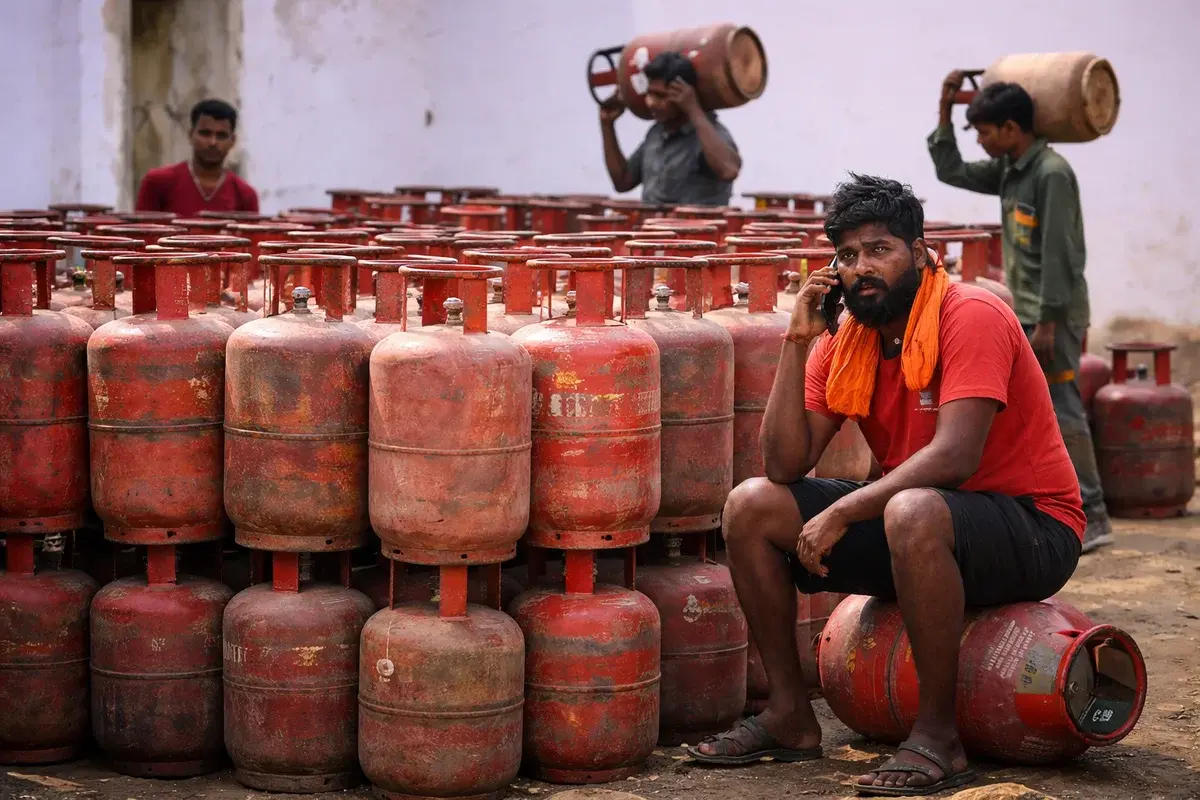
India faces a major LPG shortage as global supply disruptions push prices higher. Restaurants shut, businesses struggle, and households feel the...

Indian markets fall sharply as Nifty drops 300 points and Sensex declines 900 amid rising oil prices, LPG shortages, and sector-wide selling pressure.

Petrol prices in India remain a key economic driver in March 2026, influenced by crude oil, rupee-dollar exchange rates, and taxes affecting...

Get the latest pre-market analysis for the Indian share market on March 13, 2026. FinScann's expert insights on Nifty 50, Sensex, FII/DII data, and...