Loading market data...
Indian equities faced a sharp correction on February 13, 2026, with Nifty 50 and Sensex falling significantly due to IT sector weakness and global cues. FinScann provides a deep dive into the market dynamics.
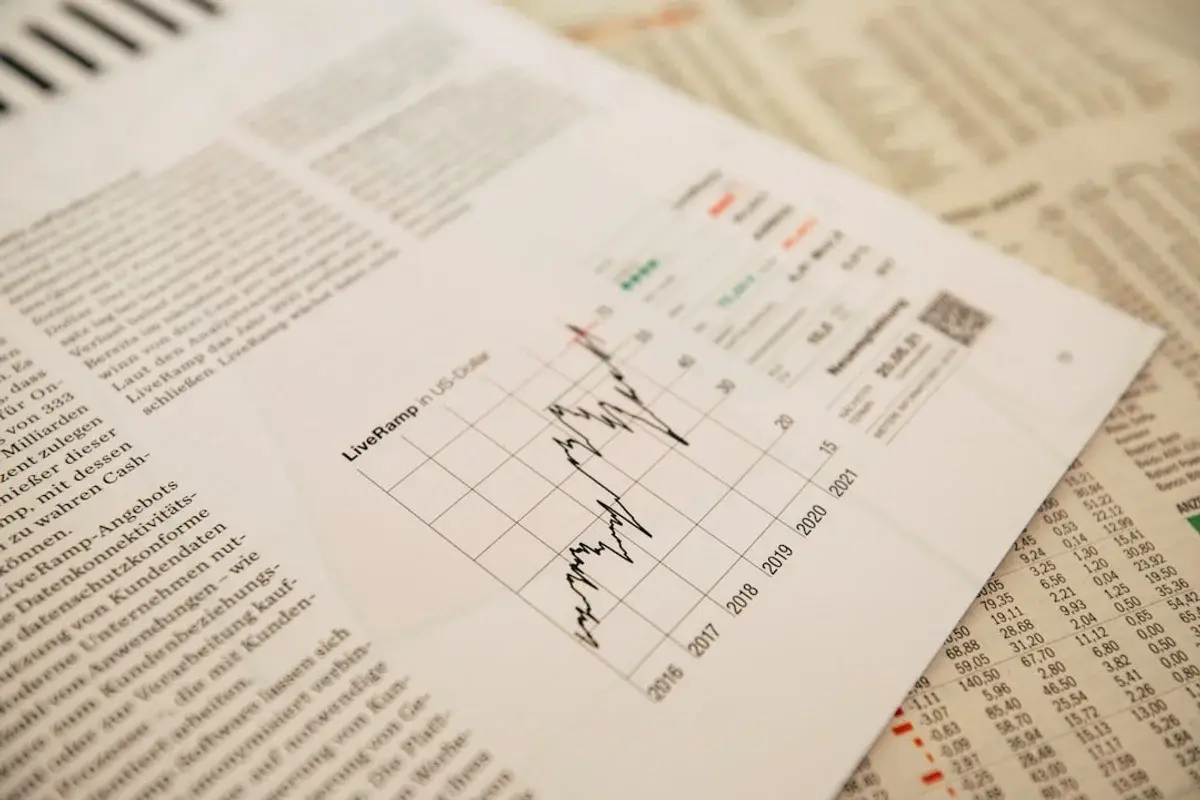
Indian Market Meltdown: Nifty Dips Below 25,600 as IT Sector Leads February 2026 Sell-Off
The Indian equity market witnessed a significant downturn on Friday, February 13, 2026, as sustained selling pressure across key sectors, particularly information technology (IT), dragged benchmark indices sharply lower. The Nifty 50 slipped decisively below the 25,600 mark, extending its weekly weakness, while the BSE Sensex ended sharply lower, primarily due to heavyweights in the IT and financial sectors. Mid and small-cap segments underperformed, reflecting a broad-based reduction in risk appetite among investors. The market breadth was decisively negative, indicating that sellers dominated across most sectors, and the India VIX moved higher, confirming an expanding volatility and a clear risk-off tone prevailing on Dalal Street. This market transition from consolidation into distribution saw a collapse in sectoral leadership, most notably in the IT sector.
The Catalyst
The primary catalyst for today's Indian market fall was a confluence of weak global cues and deepening stress in the domestic IT sector. A heavy sell-off in IT stocks, triggered by weakness in AI-related stocks in the US markets, significantly impacted sentiment in India. The Nasdaq had declined by 2.04% overnight, and the ripple effect was immediate and aggressive on Indian IT counters, which carry substantial weightage in the Nifty 50. Additionally, heavy selling pressure in private banks and financials, global risk aversion ahead of key U.S. macro data, and weak earnings reactions from select index constituents further fueled the downtrend. Persistent FII (Foreign Institutional Investor) selling in large-cap names continued to exert pressure, indicating a lack of durable recovery without stabilization in foreign flows.
Financial Forensics
The market opened with a significant gap-down, signaling negative sentiment from global markets. The Nifty 50 opened at 25,571 and hit an intraday low of 25,513, losing nearly 300 points. Similarly, the BSE Sensex opened at 82,902 and touched a low of 82,771, plummeting over 900 points within minutes of trading. The Bank Nifty also followed suit, opening at 60,504 and slipping to 60,359, losing 376 points early in the session. By day's close, the Sensex settled 1048 points lower, and the Nifty ended below 25,500. The Nifty IT index fell more than 4% during Friday's trading, contributing to a nearly 10% decline over two days. This aggressive unwinding in growth-heavy sectors highlighted a clear preference for defensive positioning among investors.
Market Performance Snapshot (February 13, 2026)
| Index/Category | Opening (IST) | Closing (IST) | Change (Points) | Change (%) | Key Observations |
|---|---|---|---|---|---|
| Nifty 50 | 25,571 | Below 25,500 | -281.75 (approx) | -1.09% (approx) | Slipped below 25,600; extended weakness |
| BSE Sensex | 82,902 | Below 83,000 | -903 (intraday low) | -1.08% (intraday low) | Ended sharply lower; IT & Financials dragged |
| Nifty IT Index | N/A | N/A | -4% (intraday) | -4% (intraday) | Continued sell-off amid global tech weakness |
| Mid & Small Caps | N/A | N/A | Significant Drawdowns | Underperformed | Broad-based risk reduction visible |
| India VIX | N/A | Moved Higher | Increased | Expanded | Volatility expansion confirming risk-off tone |
| Note: Closing figures are approximate based on intraday reports. |
Source: FinScann Analysis, NSE, BSE
Market Impact
The sharp fall in Indian markets, particularly the IT sector, had a significant impact on investor wealth, with approximately ₹4.62 lakh crore wiped out from the total market capitalization of BSE-listed companies. The widespread weakness across major IT players like Infosys, TCS, HCLTech, and Wipro, which declined between 4% and 6%, signaled a strong negative sentiment. This correction emphasizes that while India's growth prospects for 2026 remain strong (Goldman Sachs predicts 6.7% GDP growth for 2026), global headwinds, especially in technology, can trigger sharp, localized corrections. The market mood remains clearly risk-off, with volatility expansion underway, leading to a preference for defensive and low-beta positioning.
Key Takeaways for Investors
FinScann Verdict
The Indian equity market is undeniably in a distribution phase, marked by volatility-backed selling and a clear shift towards defensive assets. While long-term fundamentals for India remain robust, as highlighted by reports from Goldman Sachs Asset Management, the immediate future demands extreme caution. Investors should prioritize capital protection, avoid aggressive long positions, and await a decisive reclaim of the 26,000+ level on the Nifty for a structural reset.
Q: What caused the sharp fall in the Indian market on February 13, 2026? A: The sharp fall was primarily due to a significant sell-off in the IT sector, driven by global tech weakness and concerns surrounding AI-related stocks in the US. This was compounded by heavy pressure in private banks and financials, global risk aversion, and continued FII selling.
Q: Which sectors were most affected by today's market downturn? A: The IT sector was the most severely impacted, with major players experiencing significant declines. Banks and financials also faced substantial pressure, contributing heavily to the benchmark indices' fall. Mid and small-cap stocks generally underperformed across the board.
Q: Is this market correction expected to be long-term? A: While the near-term outlook (1-5 sessions) is volatile and downside-biased, and the short-term (2-3 weeks) suggests lower range formation, the long-term view on Indian markets remains constructive, supported by strong domestic demand and structural reforms. However, a durable recovery hinges on stabilization of FII flows and global cues.
Q: What strategies should investors consider during this volatile period? A: Investors should prioritize capital protection, avoid aggressive long positions, and consider tactical trading with strict stop losses. A wait-and-watch approach is recommended, awaiting a decisive reclaim of the Nifty 26,000+ level for a more structural reset in the market. Diversifying into defensive sectors and quality stocks might offer relative resilience.
Q: How is the IT sector expected to perform in 2026 after this correction? A: Despite the recent correction, some reports suggest that the Indian IT sector is poised for a recovery and could outperform markets in 2026, driven by improving client sentiment, AI implementation, and a pivot in US IT spending. However, immediate challenges remain due to global tech weakness.
Disclaimer: For information only; not investment advice. Stock market investments carry risks. Please consult a SEBI-registered advisor before investing. FinScann assumes no liability for decisions made based on this report.

Financial journalist specializing in market analysis, stock research, and investment trends. Dedicated to providing accurate, timely insights for informed decision-making.
Credentials: Experienced financial journalist with expertise in equity markets and economic analysis
The information provided in this article is for educational and informational purposes only and should not be construed as financial, investment, or legal advice. Finscann does not provide personalized investment recommendations.
For detailed terms and conditions, please read our Disclaimer and Terms of Service.
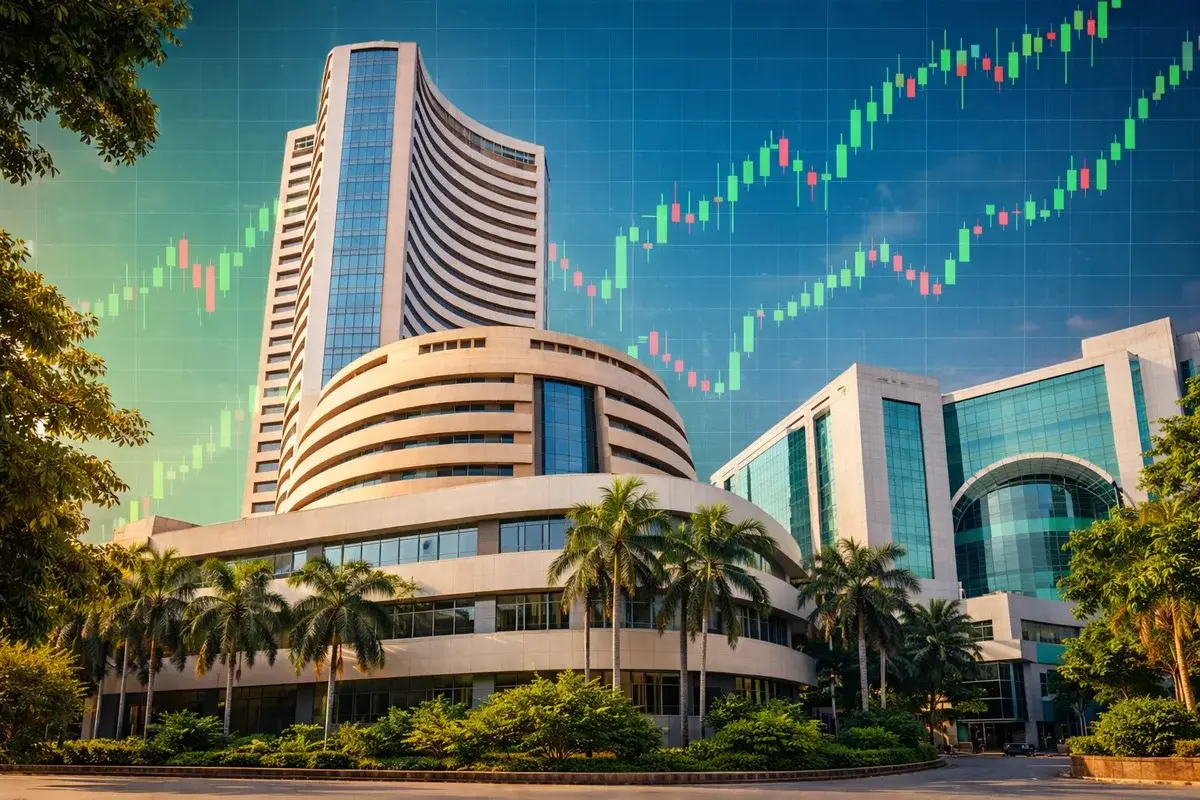
India's benchmark indices Sensex and Nifty staged a robust recovery in March 2026, gaining significantly despite ongoing geopolitical tensions.

Geopolitical tensions surrounding the US-Iran conflict led FIIs to dump ₹12,000 crore from Indian shares.

Indian refinery stocks, including Reliance, MRPL, and CPCL, surge up to 5% after China reportedly suspends diesel and gasoline exports amidst...
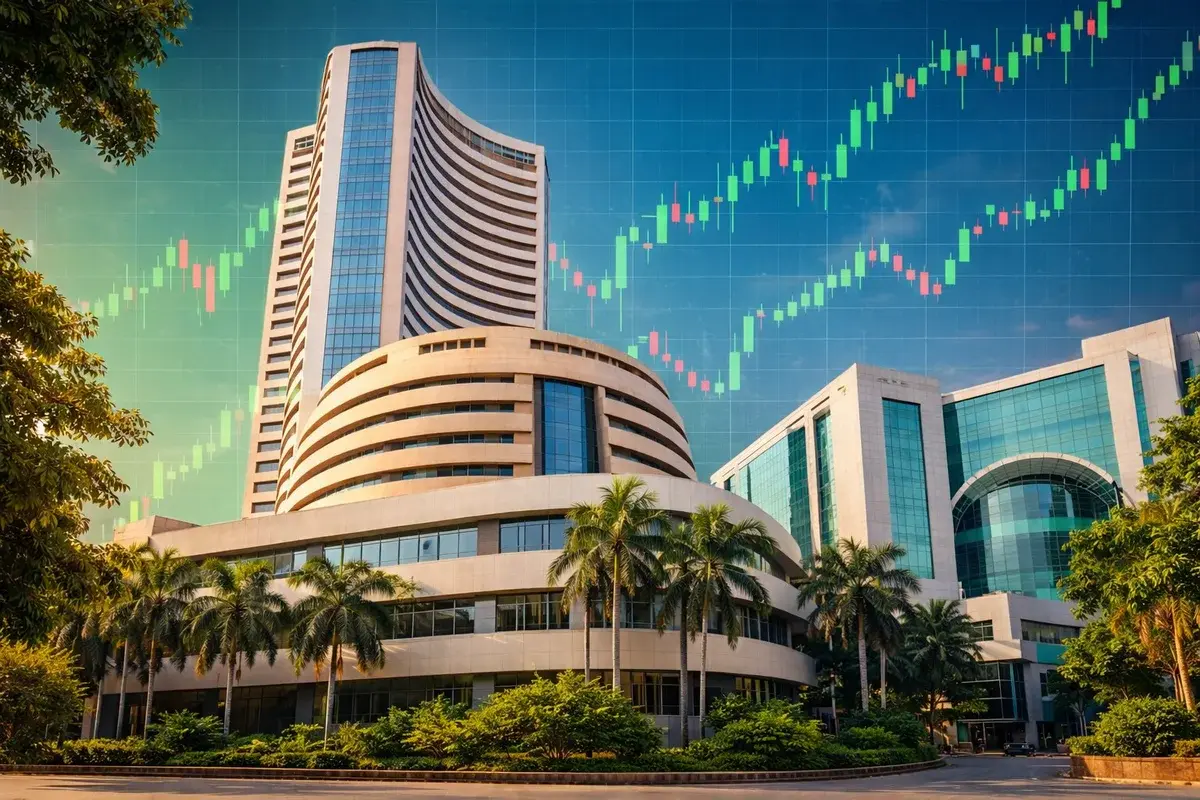
Indian markets surged in March 2026, with Sensex and Nifty rebounding on de-escalation hopes in the Middle East.
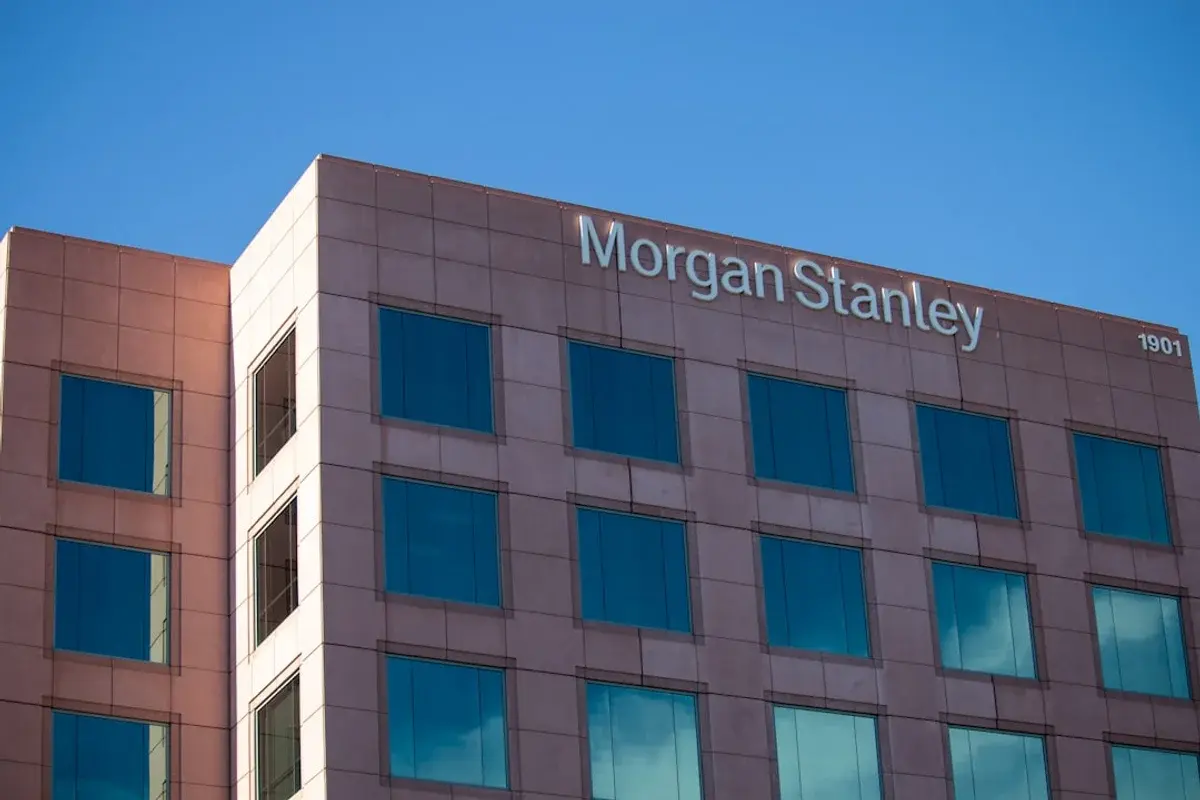
Morgan Stanley cuts 2,500 jobs across investment banking, wealth management, and trading. Despite strong financials, this strategic move signals a...