Loading market data...
HSBC and Standard Chartered are under pressure after a director linked to the UK think tank Asia House was arrested on suspicion of spying for China. The case has raised concerns over corporate ties, geopolitical risks, and governance in global banking.

Two of the world’s largest international banks, HSBC and Standard Chartered, are facing increasing scrutiny after a senior figure associated with a prominent UK think tank was arrested on suspicion of spying for China. The controversy has drawn attention to the banks’ financial and institutional ties with Asia House, a London-based policy and business think tank that promotes engagement between Asia, Europe, and the Middle East.
The incident has sparked debate about corporate oversight, geopolitical risk, and the growing intersection between financial institutions and international policy networks. Given the deep business exposure of both banks to Asian markets particularly China the case has raised broader questions about reputational risk and corporate governance within global banking.
| Key Entities | Role |
|---|---|
| HSBC | Global banking group with strong Asia presence |
| Standard Chartered | International bank focused on emerging markets |
| Asia House | UK think tank promoting Asia-Europe engagement |
| David Taylor | Former Asia House programmes head arrested |
The issue has intensified scrutiny on financial institutions operating across geopolitical fault lines, especially those with significant operations in China.
Asia House is a London-based organization that works to strengthen economic, political, and cultural ties between Asia, Europe, and the Middle East. The institution frequently hosts policy discussions, corporate events, and networking platforms that bring together business leaders, diplomats, and policymakers.
| Organization | Focus |
|---|---|
| Asia House | Policy dialogue and business engagement between Asia and Europe |
| Activities | Research programs, forums, diplomatic engagement |
| Funding Model | Corporate sponsorship and grants |
Think tanks such as Asia House play a key role in shaping international policy conversations and business strategies. Corporations often support such institutions to gain insights into geopolitical developments, regulatory trends, and emerging markets.
However, when security concerns arise around individuals associated with such organizations, corporate sponsors can face pressure to reassess their relationships.
Corporate funding forms a major part of Asia House’s operational structure. Financial records indicate that several multinational companies provide grants to support its programs and policy initiatives.
Among the key corporate supporters are HSBC, Standard Chartered, and Prudential, the UK-based life insurance group with extensive Asian operations.
| Corporate Sponsor | Annual Contribution (2024) |
|---|---|
| HSBC | £50,000 |
| Standard Chartered | £50,000 |
| Prudential | £50,000 |
These contributions reportedly continued in previous years, including 2021, 2022, and 2023, indicating a long-standing financial relationship between the corporations and the think tank.
Such funding arrangements are common among multinational corporations seeking to maintain strong relationships with policy institutions that operate in regions critical to their business strategies.
In addition to financial contributions, several senior executives from sponsoring companies hold positions within the think tank’s governance structure. This level of institutional involvement reflects the close collaboration between global businesses and policy organizations focused on international trade and diplomacy.
| Executive | Organization | Position |
|---|---|---|
| David Quarrey | HSBC | Head of Public Affairs |
| Wendy Wang | HSBC | Chief Information Officer, Commercial Banking |
| Tanuj Kapilashrami | Standard Chartered | Chief Strategy & Talent Officer |
| Duncan Buchanan | Prudential | Head of Government Relations |
These executives serve as trustees within Asia House, contributing to strategic guidance and oversight of the think tank’s activities.
Corporate representation within policy organizations is common because companies often rely on such platforms to engage with policymakers and industry leaders.
The controversy surrounding the banks emerged after David Taylor, who previously served as head of programmes at Asia House, was arrested on suspicion of espionage linked to China.
| Investigation Detail | Information |
|---|---|
| Individual Arrested | David Taylor |
| Role | Head of Programmes at Asia House |
| Allegation | Suspected spying for China |
| Investigation Status | Ongoing |
While investigations are still unfolding, the arrest has triggered calls from campaign groups and policy observers urging corporate sponsors to reassess their connections with the organization.
The situation highlights the increasing scrutiny placed on organizations operating at the intersection of business, diplomacy, and geopolitics.
Both HSBC and Standard Chartered have extensive operations across Asia, making the region central to their global strategy.
| Bank | Asia Exposure |
|---|---|
| HSBC | Majority of profits generated in Asia |
| Standard Chartered | Focus on emerging Asian markets |
For HSBC, Asia accounts for a significant portion of its revenue and strategic growth. Similarly, Standard Chartered has long positioned itself as a bank focused on Asia, Africa, and the Middle East.
Because of this geographic focus, both institutions frequently interact with policy bodies, governments, and regional organizations that shape economic and diplomatic relations.
This deep integration with Asian markets can increase reputational risks when geopolitical tensions or security concerns arise.
The incident reflects a broader trend in global finance where banks must navigate increasingly complex geopolitical environments.
Financial institutions operating internationally face growing challenges such as:
| Risk Factor | Impact on Banks |
|---|---|
| Geopolitical tensions | Regulatory scrutiny |
| National security concerns | Reputational risk |
| Cross-border intelligence issues | Compliance challenges |
Governments across Europe and North America have become increasingly sensitive to issues involving foreign influence, data security, and intelligence operations.
This environment places additional pressure on global corporations to conduct thorough due diligence regarding partnerships with international organizations.
Corporate governance experts argue that multinational corporations must carefully assess their affiliations with policy institutions, particularly when such organizations operate in politically sensitive regions.
| Governance Focus | Importance |
|---|---|
| Transparency | Maintaining investor confidence |
| Risk assessment | Avoiding reputational damage |
| Institutional oversight | Strengthening compliance frameworks |
For banks like HSBC and Standard Chartered, maintaining strong governance standards is especially important because financial institutions operate under strict regulatory supervision.
Any controversy involving espionage or geopolitical conflicts can attract attention from regulators, investors, and governments.
While the scandal primarily involves reputational concerns rather than financial misconduct, investor perception remains an important factor.
Large banks depend heavily on market trust and regulatory credibility. Events that raise questions about corporate relationships with policy organizations can influence investor sentiment.
| Investor Concern | Potential Effect |
|---|---|
| Reputation risk | Share price volatility |
| Governance scrutiny | Regulatory attention |
| Public perception | Brand impact |
Investors closely monitor such developments because reputational issues can sometimes translate into regulatory or operational challenges.
The arrest of a senior figure linked to Asia House has placed HSBC and Standard Chartered under the spotlight due to their financial and governance ties with the think tank. While the investigation into the alleged espionage case continues, the episode highlights the growing challenges faced by global corporations operating in an era of geopolitical tension.
For international banks deeply embedded in Asian markets, balancing economic engagement with geopolitical risk management has become increasingly complex. As scrutiny over corporate relationships with policy institutions intensifies, banks may need to strengthen governance oversight and reassess partnerships that carry potential reputational risks.
The outcome of the investigation will likely determine whether the controversy remains a limited reputational issue or evolves into a broader discussion about the intersection of finance, diplomacy, and global security.
⚠️ Disclaimer: This article is for informational purposes only and does not constitute financial advice.

Financial journalist specializing in market analysis, stock research, and investment trends. Dedicated to providing accurate, timely insights for informed decision-making.
Credentials: Experienced financial journalist with expertise in equity markets and economic analysis
The information provided in this article is for educational and informational purposes only and should not be construed as financial, investment, or legal advice. Finscann does not provide personalized investment recommendations.
For detailed terms and conditions, please read our Disclaimer and Terms of Service.
No related topics available

Pakistan’s army chief meets Saudi defence minister amid rising tensions with Iran. Could Pakistan join a potential Saudi-Iran conflict?

Global crude prices surge past $100 in March 2026 as Iran-Israel conflict closes Strait of Hormuz, reminiscent of the 1970s oil crisis.

China's Consumer Price Index (CPI) surged to a three-year high of 1.3% in February 2026, fueled by rising global oil prices and strong Lunar New Year...
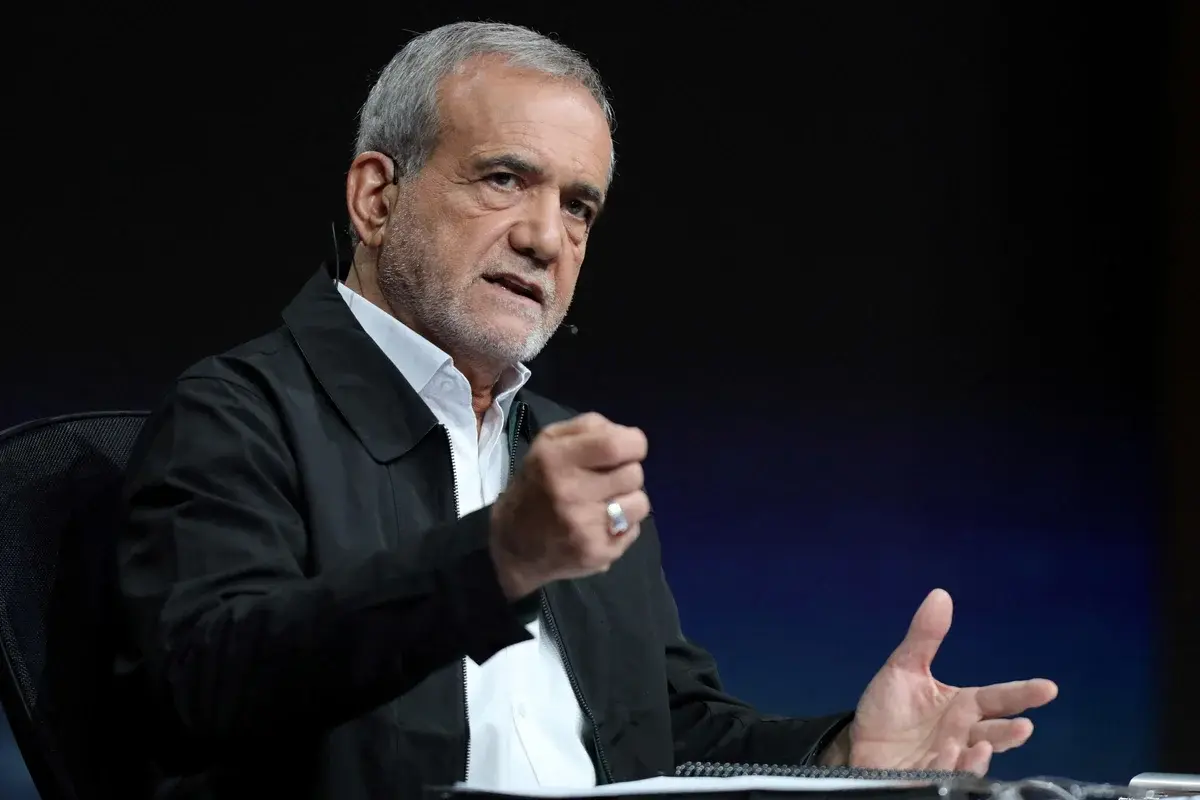
Iran’s President Masoud Pezeshkian issued a rare public apology on March 7, 2026, for missile and drone strikes targeting neighbouring countries,...

The US-Iran conflict has escalated significantly in March 2026, driving oil prices toward $100, surging gold to multi-year highs, and impacting...