Loading market data...
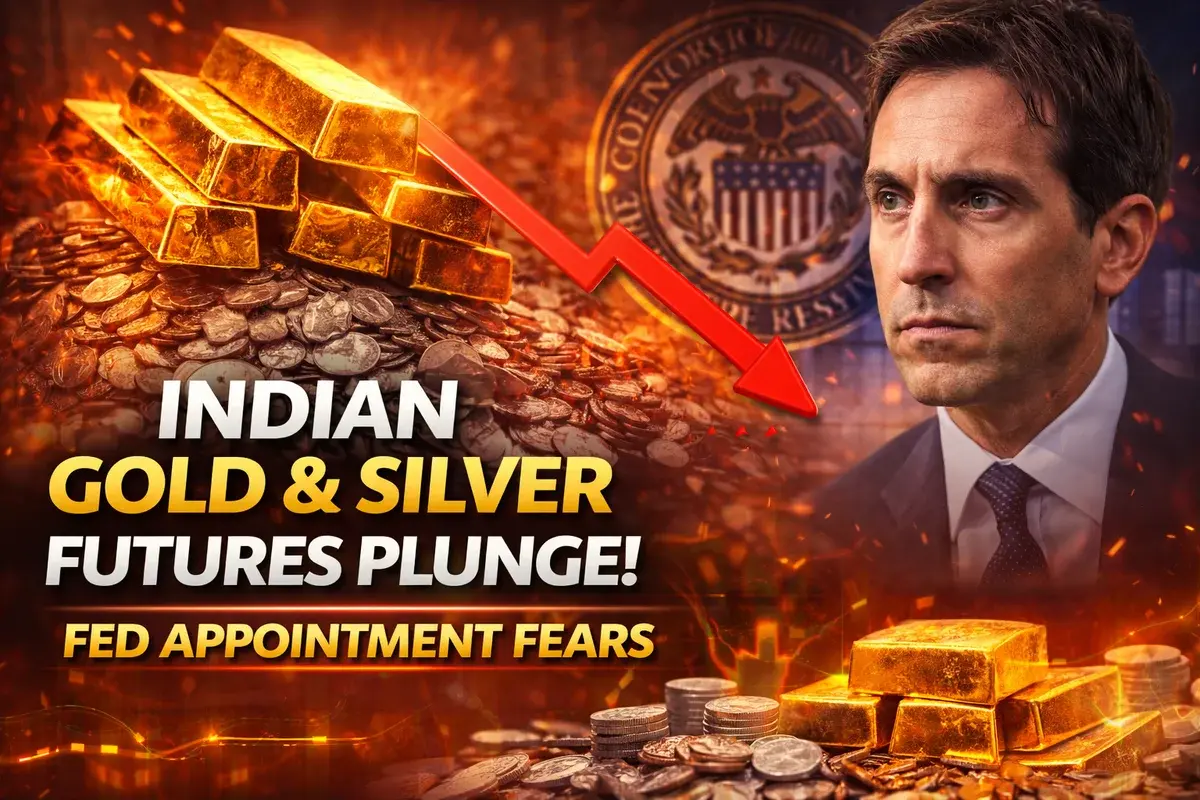
Indian gold and silver futures witnessed a historic collapse, registering their sharpest single-day fall since March 27, 1980, after global markets reacted nervously to fresh uncertainty surrounding the future leadership of the US Federal Reserve. The sudden sell-off erased weeks of gains, rattled bullion traders, and triggered panic across domestic and international precious metals markets.
The crash came amid fears that US President Donald Trump’s potential appointment of Kevin Warsh as the next Federal Reserve Chair could signal a shift toward tighter monetary policy, reigniting concerns over higher interest rates and a stronger US dollar—both traditionally bearish for gold and silver prices.
Gold and Silver Prices Today: What Exactly Happened?
On Friday, January 30, Indian bullion markets opened under heavy selling pressure and only worsened as the session progressed. Investors rushed to book profits after an unprecedented rally earlier in the month, leading to one of the most violent price corrections seen in decades.
| Commodity | Previous Close | Latest Close | % Fall | Absolute Fall |
|---|---|---|---|---|
| Gold (April Futures) | ₹1,85,779 / 10 gm | ₹1,53,119 / 10 gm | ~17.5% | ₹3,266 per gram |
| Silver (March Futures) | ₹3,99,893 / kg | ₹2,91,925 / kg | ~27% | ₹1.08 lakh per kg |
Silver prices on MCX fell below ₹3 lakh per kg, a level not expected by most traders so soon, while spot silver prices in Mumbai are likely to open below this psychological threshold in the next session.
Global Gold and Silver Prices Mirror the Collapse
The shock was not limited to India. International precious metals markets experienced equally brutal selling as fears of a hawkish Federal Reserve rippled through global asset classes.
The collapse underscores how quickly sentiment can shift when monetary policy expectations change, especially after an extended rally.
Why Kevin Warsh’s Fed Appointment Is Spooking Markets
Kevin Warsh is widely viewed by markets as a policy hawk, known for advocating firm inflation control and resisting premature rate cuts. The possibility of him taking charge of the Federal Reserve has forced traders to reassess assumptions around:
Gold and silver thrive in environments of low interest rates and abundant liquidity. Any indication of tighter monetary conditions immediately reduces their appeal, as these metals do not generate yield.
This shift in expectations triggered aggressive unwinding of long positions across futures and ETF-linked trades.
A Chilling Parallel: Echoes of ‘Silver Thursday’ 1980
Market veterans were quick to draw comparisons with Silver Thursday on March 27, 1980, when silver prices collapsed after a massive speculative run-up.
Then, as now:
The similarity lies not in the cause, but in the speed and magnitude of the fall, reminding investors that even safe-haven assets are vulnerable to violent corrections.
Impact on Bullion Traders, Jewelers, and Investors
The sudden plunge has serious consequences across the bullion ecosystem.
The volatility is likely to disrupt near-term buying decisions, especially ahead of wedding and festive demand cycles.
Why Gold and Silver Fell Despite Safe-Haven Status
Gold and silver are often considered safe-haven assets, but they are not immune to monetary shocks.
Key reasons behind the fall:
This episode highlights that gold price today and silver price today are as sensitive to central bank signaling as equity markets.
What Should Investors Watch Next?
The direction of gold and silver prices from here will depend on several critical factors:
Short-term volatility is expected to remain elevated as markets digest policy uncertainty.
Is This a Buying Opportunity or a Warning Signal?
For long-term investors, sharp corrections often present opportunities—but timing is key.
Gold and silver remain important portfolio hedges, but this event reinforces the need for risk management and disciplined allocation.
Bottom Line
The collapse in Indian gold and silver futures marks a historic turning point in precious metals markets. Triggered by fears of a hawkish Federal Reserve leadership, the crash serves as a reminder that no asset is immune to sudden shifts in monetary expectations.
As global markets recalibrate, gold and silver prices will remain highly sensitive to US policy signals, making the coming weeks critical for traders, investors, and the broader bullion industry.
Disclaimer: This article is for informational purposes only and does not constitute investment advice. Commodity markets are volatile and subject to global risks.

Financial journalist specializing in market analysis, stock research, and investment trends. Dedicated to providing accurate, timely insights for informed decision-making.
Credentials: Experienced financial journalist with expertise in equity markets and economic analysis
The information provided in this article is for educational and informational purposes only and should not be construed as financial, investment, or legal advice. Finscann does not provide personalized investment recommendations.
For detailed terms and conditions, please read our Disclaimer and Terms of Service.
Gold and silver rates jump on MCX today amid dollar weakness and escalating US-Iran conflict.

Global crude oil prices have soared by 18% this week, with Brent nearing $85/barrel. FinScann analyzes the Middle East crisis, Strait of Hormuz...
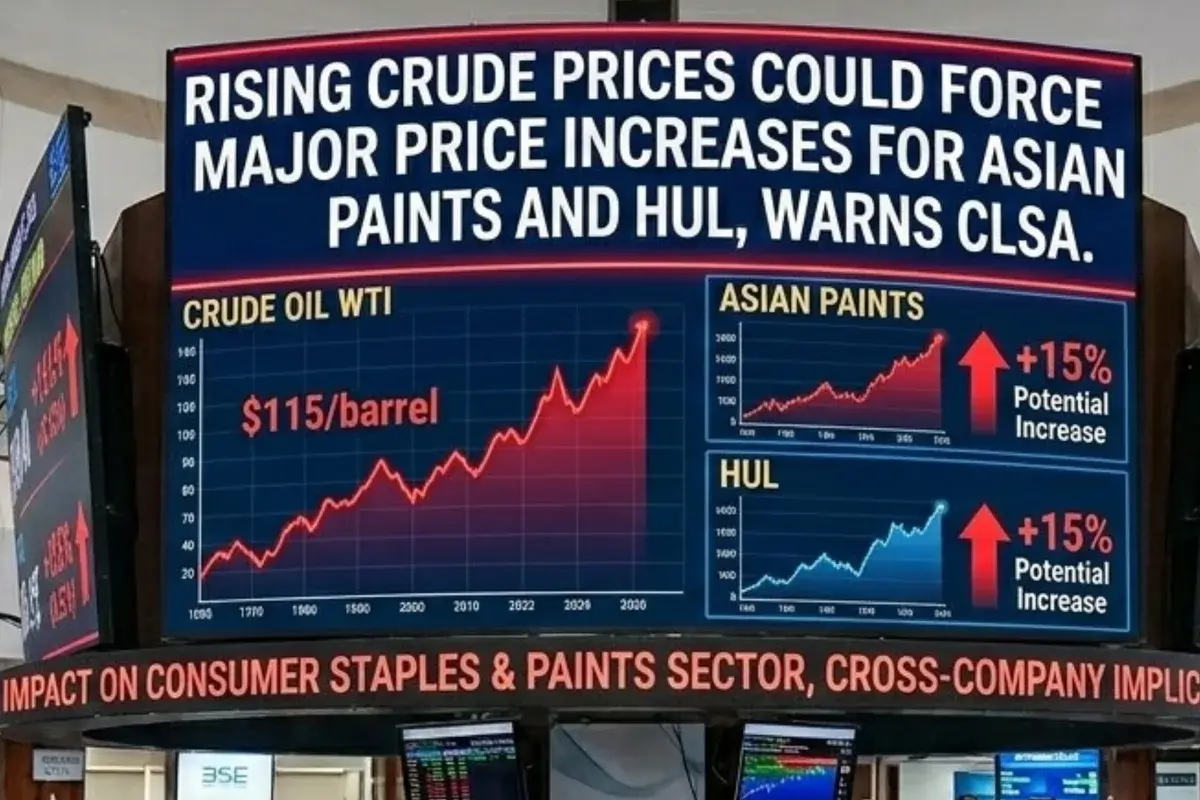
Surging crude oil prices could force major price increases for Indian giants Asian Paints and HUL, warns CLSA.
Gold prices on MCX soar to ₹1.64 lakh in March 2026, driven by intense US-Iran tensions. FinScann analyzes safe-haven demand and future outlook for...
Silver prices soar over 3% in March 2026 as Middle East tensions escalate and a weaker US dollar fuels safe-haven demand.