Loading market data...
Synopsis
Gold and silver prices in India have surged to historic highs, driven by a powerful combination of global uncertainty, geopolitical tensions, sustained central bank buying, and a weakening US dollar. With investors increasingly turning toward safe-haven assets, precious metals have reclaimed their dominance as reliable stores of value. On January 28, gold and silver futures on the Multi Commodity Exchange (MCX) recorded sharp gains, reflecting strong investor confidence and heightened market volatility.
Gold and Silver Hit Lifetime Highs on MCX
Gold and silver prices witnessed a strong rally in domestic markets, extending recent gains and touching all-time highs.
Price Snapshot (January 28)
| Metal | MCX Futures Price | Daily Gain |
|---|---|---|
| Gold | ₹1.60 lakh / 10 grams | +1.8% |
| Silver | ₹3.76 lakh / kg | +5.2% |
This surge represents one of the most significant single-day moves in recent months, underscoring growing investor preference for precious metals amid uncertain global economic conditions.
Global Gold Prices Cross $5,200 per Ounce
On the global front, spot gold prices crossed the $5,200-per-ounce mark for the first time, reinforcing the strength of the ongoing bullion rally.
Key Global Triggers Behind the Rally
Gold prices today are increasingly influenced by macroeconomic risks rather than short-term market movements, making the rally structurally stronger.
Why Gold Prices Are Rising in India
Several domestic and global factors are contributing to the surge in gold prices in India.
A softer dollar typically boosts gold prices, as gold becomes more attractive for investors holding other currencies.
Global central banks have significantly increased gold reserves, viewing the metal as a hedge against currency volatility and geopolitical risk.
Gold has historically performed well during periods of economic instability, political uncertainty, and market volatility.
With inflation risks lingering globally, gold continues to be seen as an effective hedge against declining purchasing power.
Silver Outshines Gold: What’s Driving Silver Prices Higher
While gold remains the primary safe-haven asset, silver prices have outperformed gold in percentage terms.
Key Reasons Behind Silver’s Strong Rally
Silver’s dual role as both an industrial metal and an investment asset gives it a unique advantage during periods of economic transition.
Impact on Investors, Traders, and Businesses
Investor Impact
Business Impact
Market Context: Why Precious Metals Are Back in Focus
The global financial environment is currently defined by ongoing geopolitical conflicts, uncertainty over interest rate cuts, concerns over global economic slowdown, and volatile equity and currency markets.
Historically, such conditions have supported strong rallies in gold and silver prices. As risk appetite fluctuates, precious metals often act as a stabilizing force in investment portfolios.
Historical Performance: Gold and Silver During Crises
| Period | Gold Performance | Silver Performance |
|---|---|---|
| 2008 Financial Crisis | Strong rise | Moderate rise |
| COVID-19 Pandemic | Sharp rally | Sharp rally |
| High Inflation Cycles | Outperformed equities | Mixed but strong |
| Geopolitical Conflicts | Consistent gains | Volatile but bullish |
This historical behavior reinforces why investors repeatedly turn to gold and silver during uncertain times.
Outlook: Will Gold and Silver Prices Rise Further
Analysts remain cautiously optimistic about the outlook for precious metals.
Factors That Could Push Prices Higher
Risks to Watch
Despite short-term volatility, the medium-to-long-term outlook for gold and silver remains bullish.
Frequently Asked Questions
Why are gold prices rising today?
Gold prices are rising due to strong safe-haven demand, central bank buying, geopolitical uncertainty, and a weaker US dollar.
Why is silver outperforming gold?
Silver benefits from both investment demand and industrial use, especially in renewable energy and electric vehicles, leading to sharper price moves.
Is it a good time to invest in gold and silver?
While prices are high, gold and silver remain valuable for diversification and long-term hedging against inflation and volatility.
How do MCX gold and silver futures work?
MCX futures allow investors to trade gold and silver contracts based on expected future prices, offering hedging and speculative opportunities.
What affects gold and silver prices the most?
Key factors include interest rates, inflation, currency movements, central bank policies, and geopolitical developments.
Final Takeaway
The surge in gold and silver prices highlights a decisive shift in investor sentiment toward safety and stability. As global risks remain elevated and economic uncertainty persists, precious metals are once again proving their long-standing value in diversified investment portfolios.
With strong macroeconomic support and sustained demand, gold and silver may continue to shine in the months ahead.

Financial journalist specializing in market analysis, stock research, and investment trends. Dedicated to providing accurate, timely insights for informed decision-making.
Credentials: Experienced financial journalist with expertise in equity markets and economic analysis
The information provided in this article is for educational and informational purposes only and should not be construed as financial, investment, or legal advice. Finscann does not provide personalized investment recommendations.
For detailed terms and conditions, please read our Disclaimer and Terms of Service.
Gold and silver rates jump on MCX today amid dollar weakness and escalating US-Iran conflict.

Global crude oil prices have soared by 18% this week, with Brent nearing $85/barrel. FinScann analyzes the Middle East crisis, Strait of Hormuz...
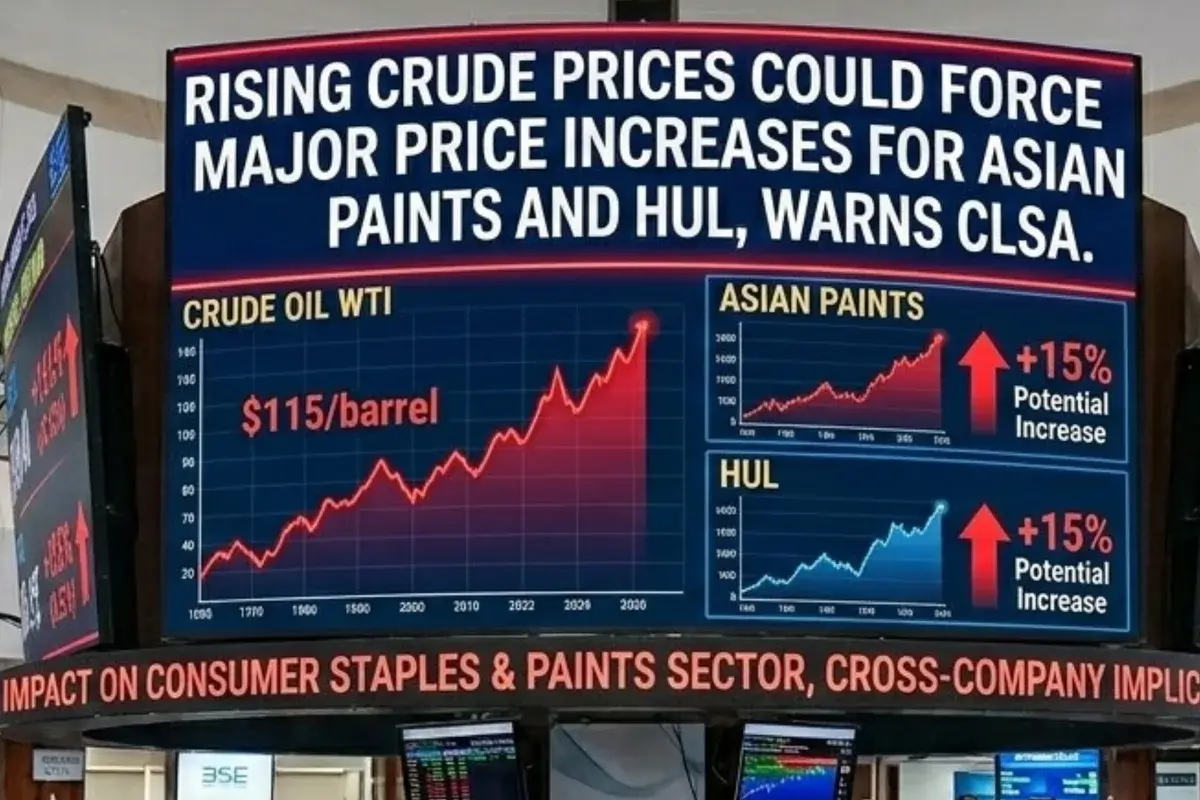
Surging crude oil prices could force major price increases for Indian giants Asian Paints and HUL, warns CLSA.
Gold prices on MCX soar to ₹1.64 lakh in March 2026, driven by intense US-Iran tensions. FinScann analyzes safe-haven demand and future outlook for...
Silver prices soar over 3% in March 2026 as Middle East tensions escalate and a weaker US dollar fuels safe-haven demand.