
global-news
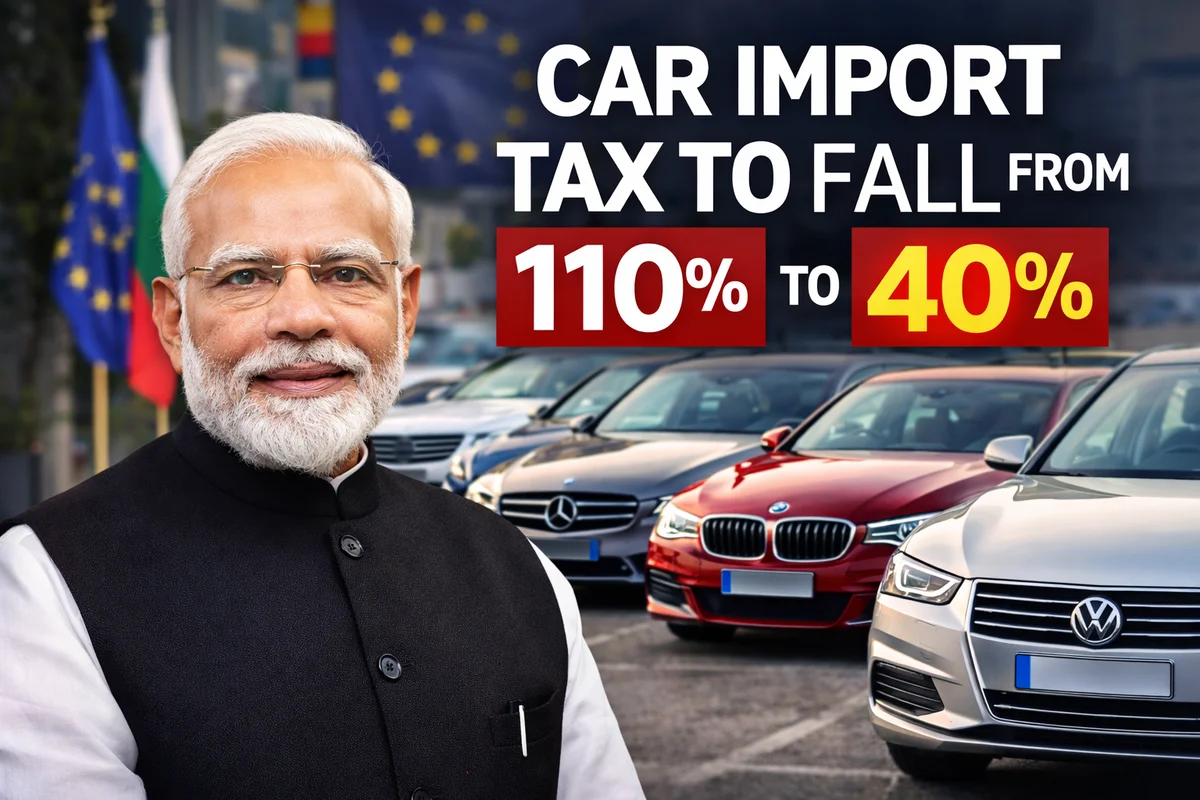
India to Slash Car Import Tariffs to 40% in Landmark EU Trade Deal, Reports Say
58 minutes ago
Reviewed and Rewrite by
Reviewed and rewritten by Finscann News Team


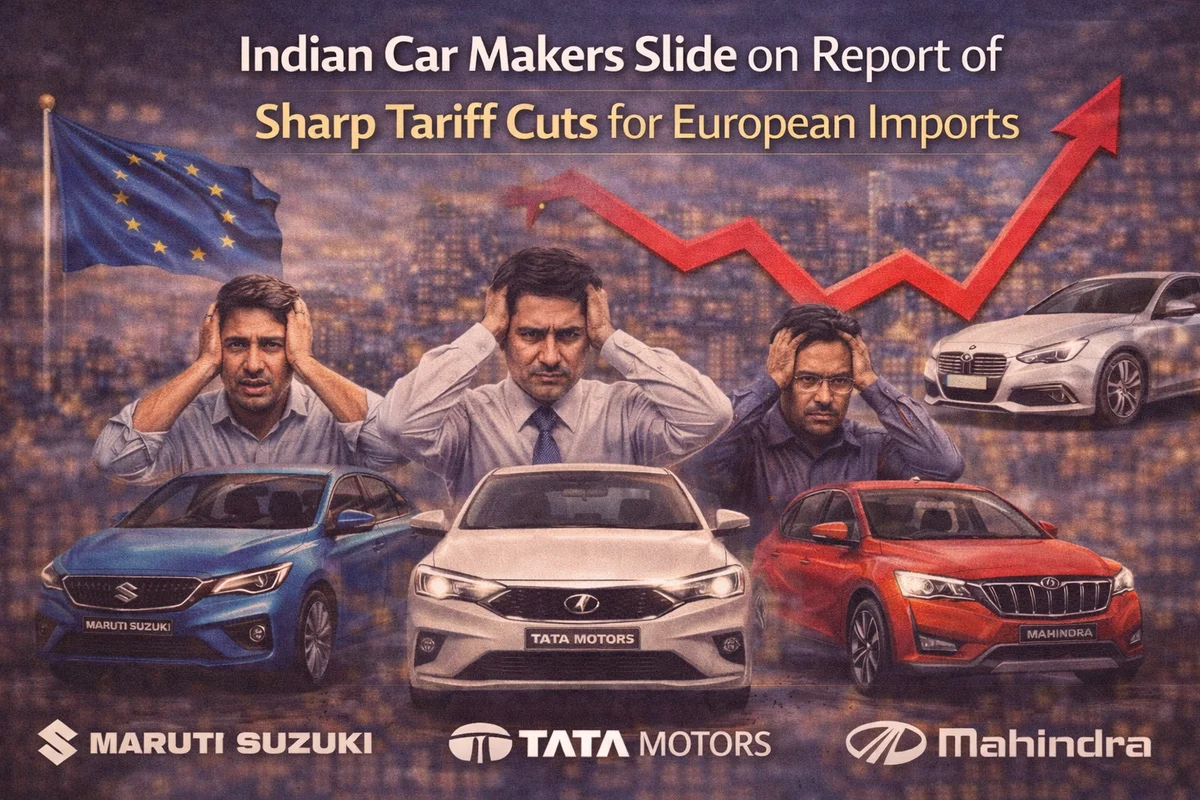
As the countdown to February 1, 2026, begins, Finance Minister Nirmala Sitharaman is preparing to present her ninth consecutive Union Budget. Against a backdrop of a projected 7–7.5% GDP growth, the 2026-27 Budget is being viewed as a "policy stability" milestone. However, beneath the surface of robust macro-economic numbers, key stakeholders from India’s manufacturing, healthcare, and MSME sectors are calling for decisive moves to resolve persistent GST friction and unlock private capital.
The "GST 2.0" Agenda: Moving Beyond Rate Tweaks
While the 56th GST Council meeting in late 2025 provided some relief by rationalizing slabs for essential goods, industry bodies like FICCI and ASSOCHAM are pushing for deeper structural reforms in the 2026 Budget.
Direct Tax: The "New Regime" Consolidation
With the Income-tax Act, 2025 set to take effect on April 1, 2026, the upcoming budget will likely mark the final transition toward a simplified tax code.
Key Thematic Priorities for FY27
The 2026 Budget is expected to balance fiscal prudence with targeted incentives across four critical pillars:
| Pillar | Key Stakeholder Expectation | Goal for 2026-27 |
|---|---|---|
| Manufacturing | Expansion of PLI 2.0 to labor-intensive sectors like toys and leather. | Reach 25% Manufacturing-to-GDP share. |
| Agriculture | Sustained Capex for Digital Public Infrastructure (DPI) in farming. | Climate-resilient supply chains for pulses & oilseeds. |
| Infrastructure | ₹12.5 lakh crore outlay for Railways (Vande Bharat expansion) and Ports. | Reduce logistics cost to 9% of GDP. |
| Energy Transition | Tax holidays for Green Hydrogen and Battery Storage (BESS). | Accelerate 500GW non-fossil capacity goal. |
The Healthcare Imperative: Fighting Medical Inflation
A significant pre-Budget trend is the focus on healthcare reform. With medical inflation projected to hover between 11.5% and 14% in 2026, out-of-pocket expenses remain a major concern.
Expert Insight: The "Saturday Factor" and Policy Stability
"Union Budget 2026 must signal a shift from 'Reform Momentum' to 'Policy Stability.' A predictable, rules-based tax regime is now more important than fresh incentives for attracting global capital." — Sanjeev Sanyal, Member of the Economic Advisory Council to the PM (EAC-PM).
Looking Ahead
As the Finance Ministry enters the final week of "Halwa Ceremony" seclusion, the market sentiment remains cautiously optimistic. If Minister Sitharaman can deliver on GST simplification and TDS rationalization while maintaining the 4.4% fiscal deficit glide path, 2026 could be the year India’s private investment cycle finally hits full throttle.