

Adani Aerospace–Embraer Deal Explained: Why India’s First Commercial Aircraft Assembly Line Is a Game Changer
1 hours ago
Reviewed and Rewrite by
Reviewed and rewritten by Finscann News Team


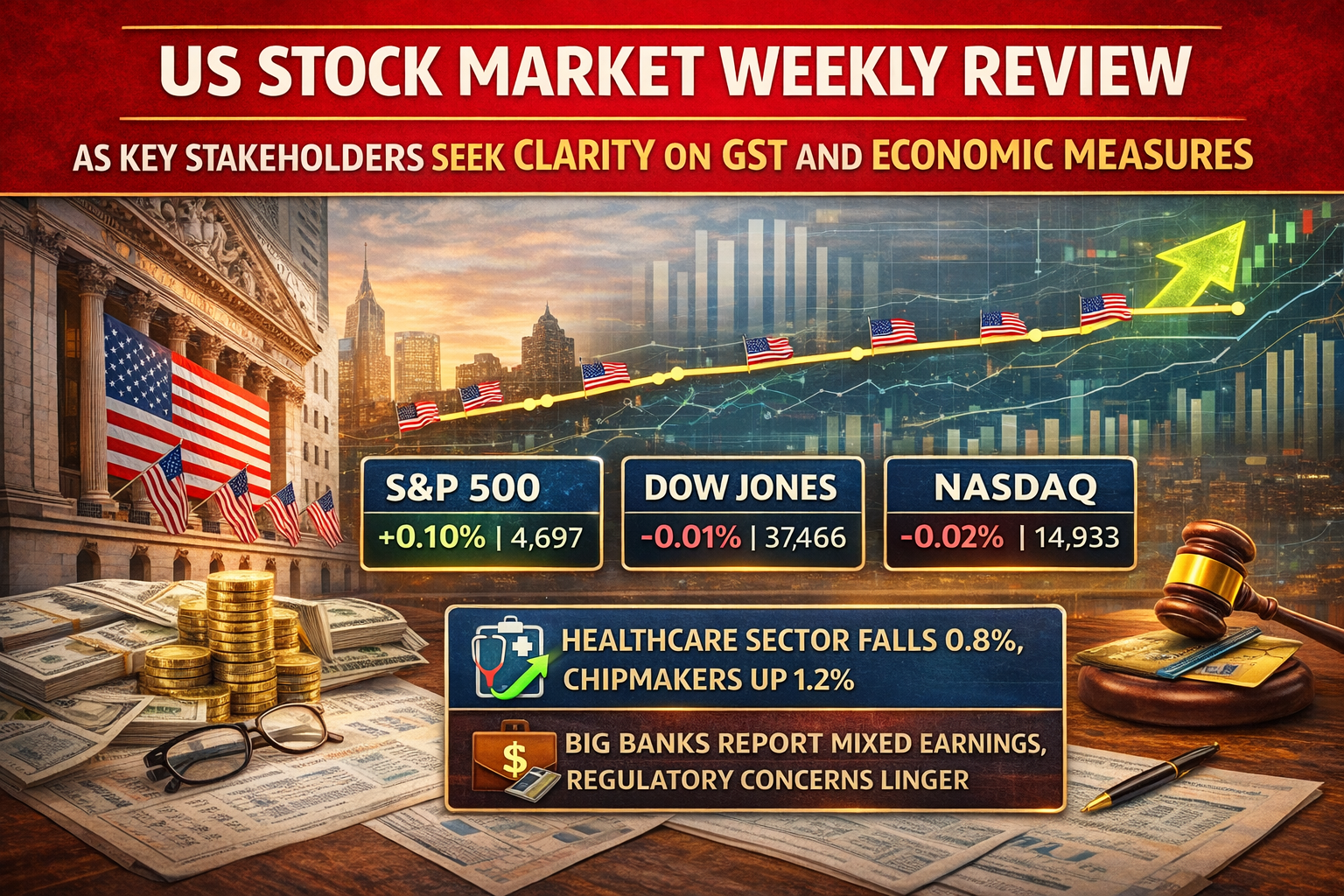
Synopsis: U.S. markets navigated a choppy, range-bound session on Friday, January 16, 2026, closing nearly flat as investors squared positions ahead of the Martin Luther King Jr. long weekend. Despite a mid-week AI-fueled surge in semiconductors, all three major indexes posted slim weekly losses, grappling with a cocktail of solid but cautious bank earnings and fresh regulatory jitters from the White House.
1. The Indices: A Quiet Finish to a Volatile Week
After hitting fresh records earlier in the week, the major benchmarks "limped" across the Friday finish line. The S&P 500 ended at 6,939.46, just 60 points shy of the historic 7,000 milestone—a level analysts now view as a significant psychological and technical resistance zone.
2. Sector Spotlight: Chips Lead, Healthcare Bleeds
The market remained a tale of two cities on Friday. While AI infrastructure continued to attract capital, the healthcare and communications sectors faced heavy selling pressure.
3. The "10% Cap" Shockwave
Financial stocks recorded their largest weekly percentage decline since October. The primary catalyst was President Trump’s announcement via Truth Social of a proposed one-year 10% cap on credit card interest rates.
4. The "Two Kevins": Fed Leadership Uncertainty
Investor sentiment was also buffeted by mixed signals regarding the future of the Federal Reserve. Rumors that Jerome Powell faces an unprecedented criminal probe by the DOJ have sent Treasury yields to a 4-month high of 4.23%.
5. Looking Ahead: The Q4 Earnings Ramp
With markets closed on Monday for the MLK holiday, the focus shifts to a heavy data and earnings dump starting Tuesday.
⚠️ DISCLAIMER: This article is for informational purposes only and does not constitute financial advice. All data is based on market closings as of Jan 16, 2026. For real-time stock dashboards and sector-specific alerts, visit finscann.com.