Loading market data...
Tata Steel contests a ₹493 crore GST demand and ₹638 crore penalty in Jharkhand High Court over alleged Input Tax Credit disallowance, impacting market sentiment.
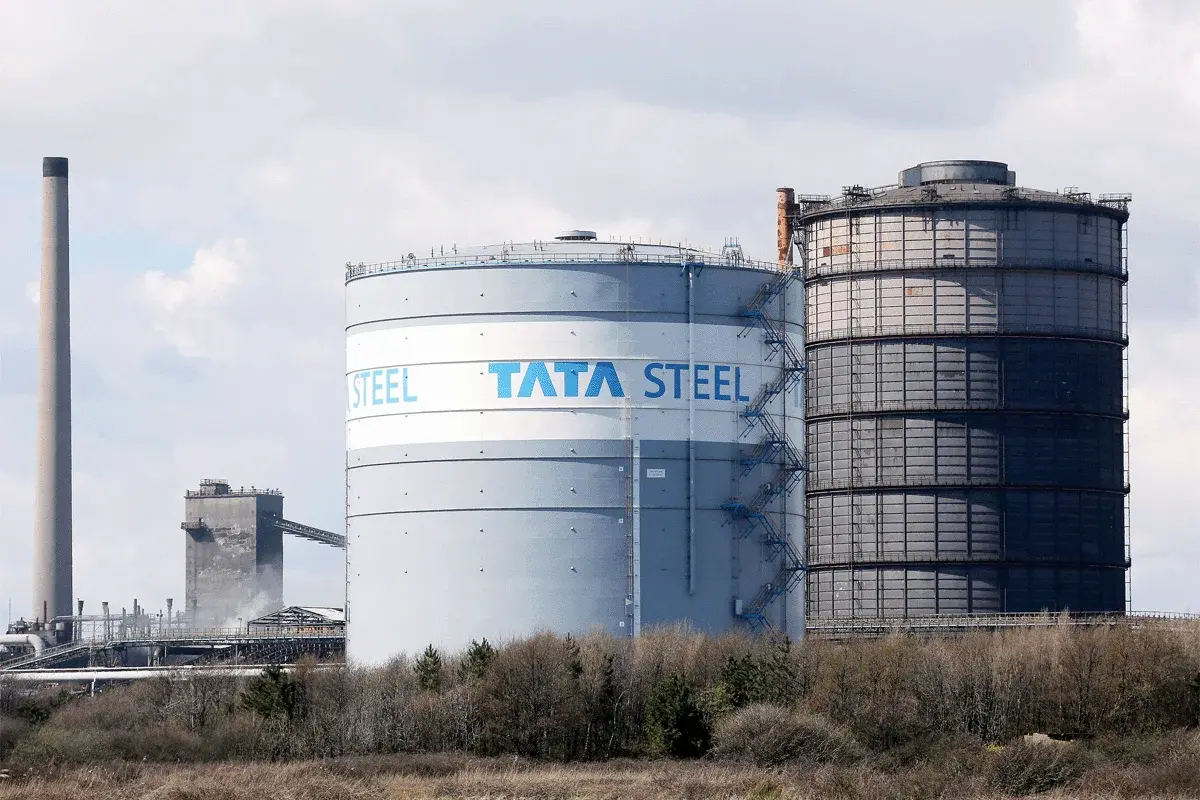
In a significant development for India's steel sector, Tata Steel Limited has initiated legal proceedings by filing a writ petition before the Hon'ble High Court of Jharkhand on March 11, 2026. The steel giant is challenging a substantial Goods and Services Tax (GST) adjudication order that mandates a payment of ₹493.35 crore in GST tax, alongside a hefty penalty of ₹638.83 crore and applicable interest. This legal action follows an adjudication order issued by the Commissioner of CGST & Central Excise, Jamshedpur, on December 18, 2025, concerning the disallowance of Input Tax Credit (ITC) for the period spanning FY2018-19 through FY2022-23. The company asserts that its submissions were not adequately considered and maintains a strong case on merits. This move highlights the ongoing complexities and interpretations within India's GST regime, particularly concerning ITC claims.
The Catalyst
The core of this legal battle stems from a show cause cum demand notice dated June 27, 2025, issued by the Office of the Commissioner (Audit), Central Tax, Ranchi. This notice proposed the disallowance of Input Tax Credit (ITC) for financial years 2018-19 through 2022-23. The initial GST amount demanded was ₹1,007.54 crore (₹1007,54,83,342). However, Tata Steel had already remitted ₹514.19 crore (₹514,19,36,211) in the normal course of business, leading to the current contested amount of ₹493.35 crore in GST, plus the associated penalty and interest. The legal basis for the show cause notice cites alleged contraventions of Section 74(1) of the Central Goods and Services Tax Act, 2017/State Goods and Services Act, 2017, read with Section 20 of the Integrated Goods and Services Tax Act, 2017. Section 74 of the CGST Act specifically deals with cases of tax non-payment or short payment due to fraud, wilful misstatement, or suppression of facts to evade tax.
Financial Forensics
The adjudication order from the Commissioner of CGST & Central Excise, Jamshedpur, Jharkhand, dated December 18, 2025, directs Tata Steel to pay a total financial liability comprising:
The total combined demand for tax and penalty alone stands at approximately ₹1,132.18 crore. Tata Steel's proactive payment of over ₹500 crore in GST previously has reduced the disputed tax component. The company maintains that proper cognizance of its submissions was not taken during the adjudication process and believes it has strong grounds to challenge the order.
Comparison of GST Demands
| Particulars | Original Demand (₹) | Amount Already Paid (₹) | Current Contested Tax Demand (₹) | Penalty (₹) |
|---|---|---|---|---|
| GST Tax | 1,007,54,83,342 | 514,19,36,211 | 493,35,47,131 | - |
| Penalty | - | - | - | 638,82,62,185 |
| Total Exposure | Not Applicable | Not Applicable | 493,35,47,131 (Tax) + 638,82,62,185 (Penalty) | ₹1,132.18 Crore (Approx) |
Source: FinScann Analysis based on company disclosures and regulatory filings.
Market Impact
While Tata Steel has stated that this legal challenge has no immediate impact on its financial, operational, or other activities, significant regulatory and tax disputes can introduce a degree of uncertainty for investors. The Indian stock market, particularly the Nifty Metal index, closely monitors such developments. A disallowance of Input Tax Credit, if upheld, directly affects a company's cost structure and profitability. However, the proactive stance of Tata Steel in contesting the order indicates its confidence in the legal merits of its case. Companies in the metals and mining sector in India frequently navigate complex tax regulations, and disputes over ITC claims are common in the GST regime, which came into effect in 2017.
Key Takeaways for Investors
FinScann Verdict
FinScann analysis suggests that while the ₹1,132 crore demand is substantial, Tata Steel's strong legal team and the ongoing nature of GST litigation in India imply a protracted battle. Investors should monitor the progress of this writ petition in the Jharkhand High Court. The steel major's robust financial position can absorb such contingent liabilities, but the ultimate resolution will clarify potential long-term impacts on cash flow and profitability.
Q: What is Input Tax Credit (ITC) under GST? A: Input Tax Credit (ITC) allows businesses to reduce their output tax liability by the amount of tax paid on inputs (goods or services) used in the course or furtherance of business. It's a key mechanism to avoid the cascading effect of taxes.
Q: Why are GST demands related to ITC disallowance common in India? A: GST litigation, particularly concerning ITC claims, is common due to the complexity and evolving interpretations of GST laws, frequent changes, and differing understandings between taxpayers and tax authorities. Mismatches between supplier filings and recipient claims are also a significant reason for rejections.
Q: What is Section 74(1) of the CGST Act, 2017? A: Section 74(1) of the Central Goods and Services Tax (CGST) Act, 2017, is invoked when tax has not been paid, is short-paid, or Input Tax Credit has been wrongly availed or utilised due to fraud, wilful misstatement, or suppression of facts to evade tax. It carries stringent penalties.
Q: What is the next step after Tata Steel files a writ petition in the High Court? A: After filing a writ petition, the High Court will typically hear arguments from both Tata Steel and the tax authorities. The court will examine the legal validity of the adjudication order and determine if the proper legal procedures were followed and if the demand has merit. This process can involve several hearings and may lead to the quashing of the order, upholding it, or directing further action.
Q: How does a GST demand impact a company's financials? A: A GST demand, especially one involving disallowance of ITC, can impact a company's cash flow by requiring a direct outflow of funds for tax and penalties. If the demand is substantial and ultimately upheld, it could reduce profitability as previously claimed ITC would need to be reversed, increasing the effective cost of inputs. However, until a final resolution, the impact is often noted as a contingent liability.
Disclaimer: For information only; not investment advice. Stock market investments carry risks. Please consult a SEBI-registered advisor before investing. FinScann assumes no liability for decisions made based on this report.

Financial journalist specializing in market analysis, stock research, and investment trends. Dedicated to providing accurate, timely insights for informed decision-making.
Credentials: Experienced financial journalist with expertise in equity markets and economic analysis
The information provided in this article is for educational and informational purposes only and should not be construed as financial, investment, or legal advice. Finscann does not provide personalized investment recommendations.
For detailed terms and conditions, please read our Disclaimer and Terms of Service.
IFCI stock surges after NSE moves closer to its long-awaited IPO. Investors see hidden value in IFCI’s indirect exposure to the National Stock...

Saatvik Green Energy launches Saatvik Power Storage Solutions to build 20GW energy storage capacity and expand its renewable energy platform.
Mitsubishi Heavy Industries announces capital increase in a subsidiary and changes designation of another unit as part of strategic corporate...

Jefferies and Motilal Oswal maintain Buy on Reliance Industries with ₹1,750 target as O2C margins rise amid Middle East supply disruptions.
BofA Securities acquires ₹42 crore stake in Kaynes Technologies via block deal as the stock falls 48% in six months despite strong revenue growth.